
New Jersey
New Jersey Recording Laws (2026): One-Party Consent Rules
Independently fact-checked against primary sources (last audited August 15, 2026). · Reviewed by the RecordingLaw editorial team. · Law checked current as of August 15, 2026. · 17 primary sources cited on this page. How we verify our legal content
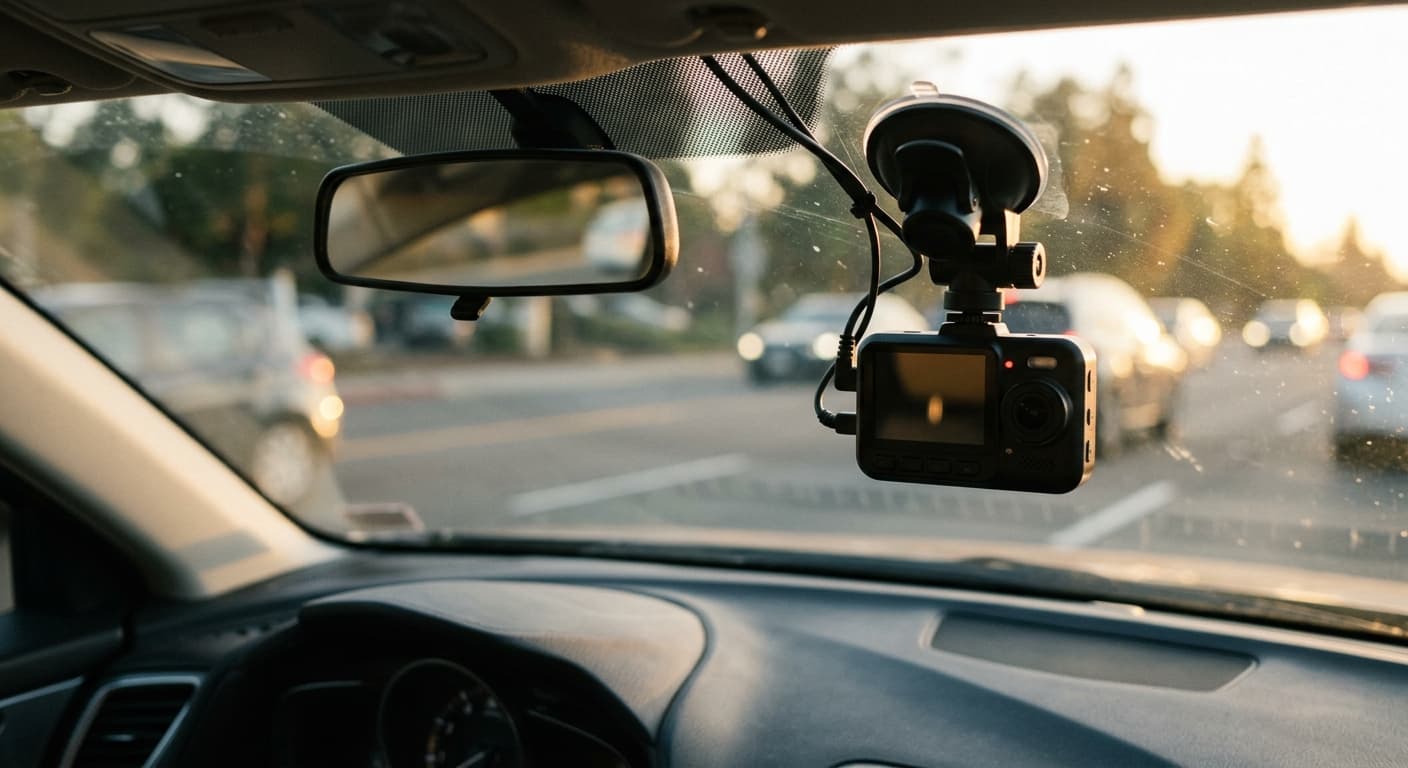
New Jersey is a one-party consent state for audio recording. Under N.J.S.A. 2A:156A-4(d), any participant in a conversation may record it without notifying the other parties, provided the recording is not made for a criminal, tortious, or other injurious purpose. Recording without that consent is a third-degree crime under N.J.S.A. 2A:156A-3 and creates civil liability under N.J.S.A. 2A:156A-24.
New Jersey recording law at a glance
| Question | Answer |
|---|---|
| Consent rule | One-party (N.J.S.A. 2A:156A-4(d)) |
| Main statute | N.J.S.A. 2A:156A-1 through 2A:156A-37 (New Jersey Wiretapping and Electronic Surveillance Control Act) |
| When recording is illegal | Recording a conversation without being a party, or for a criminal/tortious/injurious purpose |
| Criminal penalty | Third-degree crime: 3 to 5 years prison, fine up to $15,000 |
| Civil penalty | Actual damages or $100/day or $1,000 floor (whichever is higher), plus punitive, plus attorney fees |
| Hidden cameras | Observation of intimate parts: fourth-degree; recording or disclosing intimate parts: third-degree (N.J.S.A. 2C:14-9) |
| Recording police | Protected by First Amendment under Fields v. City of Philadelphia, 862 F.3d 353 (3d Cir. 2017) |
For a deeper look at each topic, jump to the in-depth guides section below.
Recording in-person conversations in New Jersey
The core rule comes from the New Jersey Wiretapping and Electronic Surveillance Control Act, codified at N.J.S.A. 2A:156A-1 through 2A:156A-37. Section 2A:156A-3 makes it a third-degree crime to purposely intercept, disclose, or use any wire, electronic, or oral communication without authorization. Section 2A:156A-4(d) creates the participant exception: a person who is a party to the communication, or who has the prior consent of one party, may record without notifying the others.
The Act's coverage also has a threshold requirement that catches many people off guard: under Section 2A:156A-2(b), it only protects an oral communication where the speaker exhibited an expectation that the communication was not subject to interception, under circumstances that justified that expectation. A conversation with no reasonable expectation of privacy can fall outside the Act entirely, regardless of who is recording it. In Kinsella v. Welch, 362 N.J. Super. 143, 827 A.2d 325 (App. Div. 2003), the Appellate Division held that a television news crew's open, hand-held filming of events in a hospital emergency room did not violate the Wiretap Act, because the recording was visible to anyone present and the circumstances did not support a reasonable expectation of privacy.
The one critical limit is the tortious-purpose carve-out. The participant exception does not apply if the recording is made "for the purpose of committing any criminal or tortious act in violation of the Constitution or laws of the United States or of this State or for the purpose of committing any other injurious act." That language is broader than the federal version in 18 U.S.C. 2511(2)(d), which dropped the "other injurious act" phrase when Congress amended the statute in 1986 (Pub. L. 99-508). New Jersey kept it, so a recording made to harass, extort, or defraud someone loses the participant exception even if the recorder was present in the conversation.
The New Jersey Supreme Court confirmed the related supervisory-approval requirement for law-enforcement consensual interceptions in State v. Worthy, 141 N.J. 368, 661 A.2d 1244 (1995). For ordinary citizens, the rule is simpler: be a party, do not record for an unlawful purpose, and you are covered.

Recording phone calls in New Jersey
The same one-party rule applies to phone calls. Under N.J.S.A. 2A:156A-4(d), a participant in a call may record it without telling the other parties. This covers landlines, cell calls, and VoIP. The audio-only coverage of the Wiretap Act means the consent requirement applies to the audio stream; screen-recording a video call is a separate analysis.
Interstate calls require extra attention. Pennsylvania is a two-party consent state under 18 Pa. C.S.A. 5703, and many New Jersey residents and businesses make cross-border calls daily. The conservative rule is to comply with the stricter state's law: for any call that touches Pennsylvania, obtain the other party's consent before recording. New York and Delaware are one-party states, so NJ-NY and NJ-DE calls follow the same one-party rule.
For a detailed breakdown, see New Jersey Phone Call Recording Laws.
Hidden cameras, doorbells, and nanny cams
The Wiretap Act covers only audio (aural) interception. Silent video falls outside it entirely. The Appellate Division confirmed this split in State v. Diaz, 308 N.J. Super. 504, 706 A.2d 264 (App. Div. 1998), a nanny-cam case where hidden-camera footage of a caregiver mistreating a child was admitted after the court held that the video portion does not come within the scope of the Act.
Silent video on your own property in common areas is generally not a Wiretap Act problem. The homeowner is a party to conversations at their front door, so a Ring doorbell or porch camera clears the one-party rule for the audio component. The FTC's 2023 enforcement against Amazon Ring (a $5.8 million settlement over human review of customer footage) is a vendor data-handling issue, not a consent question for the homeowner.
Where things become criminal is N.J.S.A. 2C:14-9, the invasion-of-privacy statute. Under subsection (a), observing someone's intimate parts without consent in a place where a reasonable person would not expect to be observed is a fourth-degree crime (up to 18 months). Under subsection (b), recording or reproducing those images without consent is a third-degree crime (3 to 5 years). Under subsection (c), disclosing the recording is also a third-degree crime, and the last sentence of that subsection authorizes a fine of up to $30,000, notwithstanding the standard third-degree ceiling in N.J.S.A. 2C:43-3(b). Property ownership provides no defense. A camera in a bathroom, guest room, or domestic worker's private quarters violates the statute if it captures intimate parts, even if you own the building.
The Diaz court also recognized vicarious parental consent: a parent acting in good faith and on an objectively reasonable belief that recording is necessary in the best interest of a minor child may consent on the child's behalf for Wiretap Act purposes.

For more on home and business security cameras, see New Jersey Security Camera Laws and New Jersey Voyeurism and Hidden Camera Laws.
Penalties for illegal recording in New Jersey
Criminal exposure under N.J.S.A. 2A:156A-3. Unauthorized interception, disclosure, or use of an intercepted communication is each independently a third-degree crime. Under N.J.S.A. 2C:43-6(a)(3), a third-degree crime carries 3 to 5 years in prison. The fine ceiling under N.J.S.A. 2C:43-3(b)(1) is $15,000. Under N.J.S.A. 2C:44-1(e), a first-time third-degree offender benefits from a presumption of non-incarceration, though the court may impose prison if the facts warrant it.
Civil exposure under N.J.S.A. 2A:156A-24. A victim may sue for (a) actual damages, but not less than $100 per day of violation or $1,000, whichever is higher; (b) punitive damages; and (c) reasonable attorney fees and litigation costs. Good-faith reliance on a court order or legislative authorization is a complete defense, but that defense is practically available only to law enforcement.
Media and third-party disclosure. A person who receives an illegally recorded conversation but played no part in the interception is not automatically liable for publishing it. In Bartnicki v. Vopper, 532 U.S. 514 (2001), a case out of the Third Circuit, which includes New Jersey, the U.S. Supreme Court held that the First Amendment barred wiretap-act liability for a radio host who broadcast a tape of an illegally intercepted phone call, because he had no role in the interception and the call concerned a matter of public interest. Anyone who directed, assisted with, or knowingly participated in the interception itself remains exposed under N.J.S.A. 2A:156A-3.
| Statute | Conduct | Grade | Prison | Fine |
|---|---|---|---|---|
| N.J.S.A. 2A:156A-3 | Unauthorized interception, disclosure, or use (audio) | Third-degree crime | 3 to 5 years | Up to $15,000 |
| N.J.S.A. 2A:156A-24 | Civil claim by victim | Civil | N/A | $100/day or $1,000 floor, plus punitive, plus attorney fees |
| N.J.S.A. 2C:14-9(a) | Observing intimate parts without consent | Fourth-degree crime | Up to 18 months | Up to $10,000 |
| N.J.S.A. 2C:14-9(b) | Recording intimate parts without consent | Third-degree crime | 3 to 5 years | Up to $15,000 |
| N.J.S.A. 2C:14-9(c) | Disclosing intimate-image recording | Third-degree crime | 3 to 5 years | Up to $30,000 (2C:14-9(c), notwithstanding 2C:43-3(b)) |
| P.L.2025, c.40 (criminal) | Deepfake in furtherance of unlawful behavior | Third-degree crime | 3 to 5 years | Up to $30,000 (special fine notwithstanding 2C:43-3(b)) |
| P.L.2025, c.40 (civil) | Civil claim for depicted person | Civil | N/A | $1,000 liquidated floor per violation, plus punitive, plus attorney fees |

Recording the police in New Jersey
New Jersey is in the United States Court of Appeals for the Third Circuit. In Fields v. City of Philadelphia, 862 F.3d 353 (3d Cir. 2017), the Third Circuit held that the First Amendment protects the right to record police officers performing their official duties in public. The right is subject to reasonable time, place, and manner restrictions. The officers in the underlying 2012 and 2013 incidents received qualified immunity only because the court could not say the law at that time gave every reasonable officer fair warning that recording public police activity was constitutionally protected.
As a practical matter, a New Jersey officer who arrests or retaliates against someone openly recording police activity in public can face an individual Section 1983 claim. The recorder must not interfere with police operations, must not trespass to get closer, and must comply with a lawful safety-based order to step back. None of those limits authorize seizing the phone or arresting the recorder for the act of recording alone.
State law parallels the federal protection. A public police encounter lacks a reasonable expectation of privacy, so the audio is also covered by the one-party-consent rule when the recorder is a participant. Even a bystander typically cannot be prosecuted under the Wiretap Act for recording an officer in public.
For more, see New Jersey Laws on Recording Police.
Special topics in New Jersey
Deepfake law: P.L.2025, c.40
Governor Phil Murphy signed P.L.2025, c.40 (Assembly Bill A3540, companion S2544) on April 2, 2025. Producing or disseminating deceptive audio or visual media in furtherance of unlawful behavior (harassment, extortion, non-consensual intimate imagery, and similar) is a third-degree crime carrying 3 to 5 years. The statute sets a special fine ceiling of up to $30,000, expressly notwithstanding the standard N.J.S.A. 2C:43-3(b)(1) schedule for third-degree crimes. Knowing or reckless sharing alone is a fourth-degree crime. The civil cause of action carries a $1,000 liquidated floor per violation plus punitive damages, attorney fees, and equitable relief. Exemptions cover satire, parody, news reporting, teaching, and research; a safe harbor applies to platforms that inadvertently distribute the content.
Federal TAKE IT DOWN Act overlay
Congress enacted the TAKE IT DOWN Act (S. 146, 119th Cong.) on May 19, 2025, criminalizing knowing publication without consent of intimate visual depictions of minors and non-consenting adults, including AI-generated deepfakes. The criminal prohibition was effective immediately. Covered platforms must remove flagged content within 48 hours of victim notice starting May 19, 2026. New Jersey victims have parallel state and federal remedies: the P.L.2025, c.40 civil claim, a criminal referral under that statute and under N.J.S.A. 2C:14-9(c), and the federal platform takedown demand.
Body-worn cameras and footage access
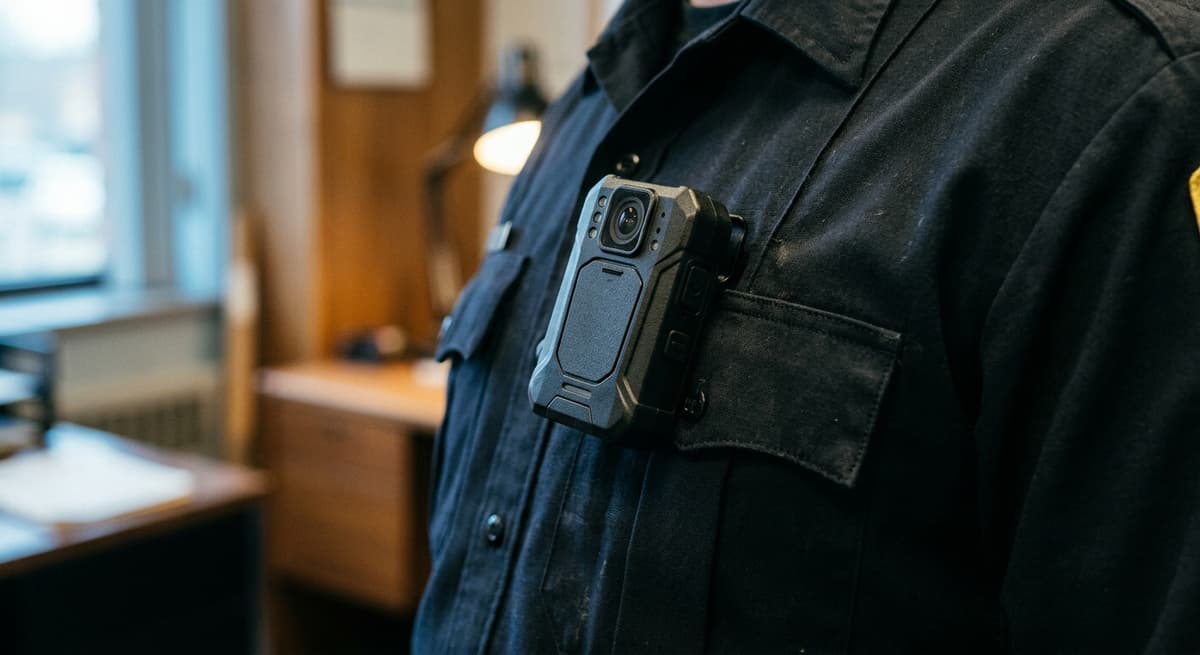
New Jersey law-enforcement officers in covered patrol assignments must use body-worn cameras under N.J.S.A. 40A:14-118.5 (P.L. 2020, c. 129). Recordings must be retained for at least 180 days, extended to three years for encounters that are the subject of a complaint. AG Directive 2021-5, updated by AG Directive 2022-1, sets the statewide policy framework; AG Directive 2019-4 governs presumptive release of deadly-force or death-in-custody footage.
In Fuster v. Township of Chatham (Jan. 21, 2025), the New Jersey Supreme Court ordered body-cam footage of a father's own complaint to police released under the Open Public Records Act to him and his wife, finding that OPRA contains no explicit exemption for information about an individual who was not arrested or charged (there, the adult relative the complaint accused). The Court ordered release under the specific facts of that case, where the requester was the subject of the video rather than a third party, and left open whether OPRA's exemptions can apply to body-cam video.
Workplace recording: Wiretap Act and NLRA
A New Jersey employee who is a party to a workplace conversation may record it under N.J.S.A. 2A:156A-4(d), provided the recording is not for a criminal or tortious purpose. Under NLRB Stericycle, Inc., 372 NLRB No. 113 (Aug. 2, 2023), a blanket no-recording policy is presumptively unlawful under the NLRA unless the employer demonstrates a substantial, narrowly tailored business interest. NLRB GC 25-07 (June 25, 2025) treats surreptitious recording of collective-bargaining sessions as a per se violation, but that guidance is narrowly limited to the bargaining table.
N.J.S.A. 34:6B-22 (P.L. 2021, c. 449, effective April 18, 2022) requires employers to give written notice before using a GPS tracking device in a vehicle used by the employee. First violation: up to $1,000; subsequent violations: up to $2,500.
Federal law: ECPA and FCC rules
The federal Wiretap Act (18 U.S.C. 2510-2522) sets a one-party-consent floor under 18 U.S.C. 2511(2)(d) that New Jersey tracks. The historic FCC beep-tone rule at 47 C.F.R. 64.501 was removed effective November 20, 2017, and no longer applies. FCC 24-17 (Feb. 2, 2024) clarifies that AI-generated voice in calls is "artificial or prerecorded voice" under the TCPA, requiring prior express consent; a participant recording an AI-cloned-voice scam call may do so under both the federal floor and N.J.S.A. 2A:156A-4(d). FCC 24-24 (the One-to-One Consent Rule) was vacated by the Eleventh Circuit in Insurance Marketing Coalition Ltd. v. FCC, No. 24-10277 (mandate April 30, 2025), and is not in force in 2026.
Recent legal developments
- April 2, 2025: Governor Murphy signed P.L.2025, c.40 (A3540), the New Jersey deepfake law establishing criminal and civil penalties for production and dissemination of deceptive audio or visual media.
- January 21, 2025: New Jersey Supreme Court decided Fuster v. Township of Chatham, ordering body-cam footage released under OPRA to the subject of the recording on the facts of that case.
- May 19, 2025: Federal TAKE IT DOWN Act signed, adding a parallel federal remedy for non-consensual intimate imagery including deepfakes; platform-compliance deadline May 19, 2026.
- November 2025: State Senator Joseph Cryan's two-party-consent proposal reported; did not advance. New Jersey remains one-party.
- February 14, 2025: NLRB GC 25-05 rescinded Abruzzo-era policy memos (Stericycle itself unchanged).
- June 25, 2025: NLRB GC 25-07 issued, treating surreptitious recording of collective-bargaining sessions as a per se NLRA violation.
New Jersey recording laws in depth
By type of recording
- New Jersey Audio Recording Laws: One-Party Consent Rules and Penalties
- New Jersey Phone Call Recording Laws: One-Party Consent Rules
- New Jersey Video Recording Laws: What Is Legal and What Is Not
- New Jersey Voyeurism and Hidden Camera Laws: Statutes and Penalties
- New Jersey Dashcam Laws: Legality, Mounting, and Evidence Rules
By place or relationship
- New Jersey Laws on Recording Police: Your Rights and Limits
- New Jersey Laws on Recording in Public: Rights and Restrictions
- New Jersey Workplace Recording Laws: Employee and Employer Rights
- New Jersey Security Camera Laws: Home, Business, and HOA Rules
- New Jersey Landlord-Tenant Recording Laws: Rights for Renters and Property Owners
- New Jersey Medical Recording Laws: Patient Rights and HIPAA Rules
- New Jersey School Recording Laws: Students, Parents, and Educators
More New Jersey laws
- New Jersey Alimony Laws
- New Jersey At-Will Employment Laws
- New Jersey Child Custody Laws
- New Jersey Data Privacy Laws
- New Jersey Divorce Laws
This article is general legal information, not legal advice. Recording laws change and apply differently to each situation. For advice about your situation, consult a licensed New Jersey attorney.
More New Jersey Laws
- New Jersey AI Meeting Recording Laws
- New Jersey Dashcam Laws
- New Jersey Data Privacy Laws
- New Jersey Deepfake Laws
- New Jersey Employee Monitoring Laws
- New Jersey GPS Tracking Laws
- New Jersey Police Bodycam Laws
- New Jersey Smart Glasses Recording Laws
Frequently Asked Questions
Is New Jersey a one-party or two-party consent state?
New Jersey is a one-party consent state. Under N.J.S.A. 2A:156A-4(d), if you are a party to the conversation, or if one party has given you consent, you may record without telling the other parties, provided the recording is not made for a criminal, tortious, or other injurious purpose.
Can I record a phone call in New Jersey?
Yes, as a participant. N.J.S.A. 2A:156A-4(d) lets any party to a call record it without notifying the others. For calls crossing into Pennsylvania (a two-party consent state under 18 Pa. C.S.A. 5703), the conservative practice is to get the other party's consent before recording.
What is the penalty for illegal recording in New Jersey?
Unauthorized interception under N.J.S.A. 2A:156A-3 is a third-degree crime carrying 3 to 5 years in prison and a fine up to $15,000. On the civil side, N.J.S.A. 2A:156A-24 provides actual damages or a liquidated floor of $100 per day or $1,000 (whichever is higher), plus punitive damages and attorney fees.
Is making or sharing a deepfake illegal in New Jersey?
Yes. New Jersey enacted P.L.2025, c.40 on April 2, 2025. Producing or sharing deceptive audio or visual media in furtherance of unlawful behavior is a third-degree crime (3 to 5 years; up to $30,000 fine under the statute's special penalty provision, notwithstanding the standard third-degree schedule). The Act also creates a civil cause of action with a $1,000 liquidated floor per violation, plus punitive damages, attorney fees, and equitable relief.
Did New Jersey become a two-party consent state?
No. Assembly Bill A1211 and State Senator Joseph Cryan's November 2025 proposal to require all-party consent were introduced but did not advance. New Jersey remains a one-party consent state under N.J.S.A. 2A:156A-4(d).
Are Ring doorbells and nanny cams legal in New Jersey?
Generally yes for common areas. An outward-facing doorbell camera is lawful because the homeowner is a party to conversations at the front door under the one-party rule. A nanny cam in a common area with vicarious parental consent for a minor child (as recognized in State v. Diaz) is also lawful. Cameras in bathrooms, locker rooms, or a domestic worker's private quarters that capture intimate parts violate N.J.S.A. 2C:14-9 regardless of who owns the property.
Can I record New Jersey police officers in public?
Yes. New Jersey sits in the Third Circuit, which held in Fields v. City of Philadelphia, 862 F.3d 353 (3d Cir. 2017), that the First Amendment protects the right to record police performing official duties in public. The right is subject to reasonable time, place, and manner restrictions. You must not interfere with police operations or trespass, and you must comply with lawful safety-based orders to step back.
Can I record an HR meeting or my boss in New Jersey?
If you are a participant, yes, under N.J.S.A. 2A:156A-4(d), provided the recording is not for a criminal or tortious purpose. Your employer may have a no-recording policy, but under NLRB Stericycle, Inc., 372 NLRB No. 113 (2023), a blanket no-recording rule is presumptively unlawful under the NLRA unless the employer can show a substantial, narrowly tailored business interest.
Updates
Corrected the descriptions of Fields v. City of Philadelphia and Fuster v. Township of Chatham to what the courts actually held: Fields recognized the right to record police but did not set a clearly-established date, and Fuster ordered body-cam footage released on the specific facts of that case.
Corrected the citation for the $30,000 fine ceiling on disclosing intimate-image recordings: the fine is authorized by N.J.S.A. 2C:14-9(c) itself, not by N.J.S.A. 2C:43-3(c) (which sets the $1,000 disorderly persons fine).
Independently fact-checked against the cited primary sources; governing law re-checked for recent changes
Governing law re-checked for recent changes
Reviewed and approved by an editor
Restructured for readability: condensed 8,000-word dense text into short semantic sections (in-person, phone, hidden cameras, penalties, police, special topics). Consolidated deepfake, TAKE IT DOWN Act, body-cam/Fuster, workplace/NLRA, and federal overlay into tight Special Topics subsections. Added at-a-glance table and in-depth links index. Refreshed FAQ (8 questions). Re-verified core facts against primary sources: N.J.S.A. 2A:156A-3 third-degree grade confirmed; N.J.S.A. 2A:156A-24 liquidated damages ($100/day or $1,000 floor) confirmed; N.J.S.A. 2C:14-9 voyeurism grades confirmed; P.L.2025, c.40 deepfake law April 2, 2025 signing confirmed; Fields v. City of Philadelphia 862 F.3d 353 confirmed. No corrections needed. Zero em-dashes; zero banlist links.
Refreshed for 2026. Corrected civil cause of action to N.J.S.A. 2A:156A-24 (was incorrectly cited at -10 in older summaries). Added P.L.2025, c.40 (A3540 / S2544), the New Jersey deepfake act signed April 2, 2025 by Governor Murphy. Added Fields v. City of Philadelphia, 862 F.3d 353 (3d Cir. 2017) as the controlling Third Circuit record-the-police precedent (clearly established for officers acting after July 7, 2017). Added Fuster v. Township of Chatham (N.J. Sup. Ct. Jan. 21, 2025) on subject-of-recording body-cam footage access. Added body-cam mandate at N.J.S.A. 40A:14-118.5 (P.L. 2020, c. 129) and AG Directives 2019-4, 2021-5, 2021-9, and 2022-1. Updated FCC 24-24 status to vacated by 11th Cir. IMC v. FCC, mandate April 30, 2025. Removed stale 47 C.F.R. 64.501 reference (rule removed effective November 20, 2017). Added NLRB Stericycle 372 NLRB No. 113 (Aug. 2, 2023), GC 25-05 (Feb. 14, 2025), and GC 25-07 (June 25, 2025) workplace overlay. Added TAKE IT DOWN Act (S. 146, signed May 19, 2025) federal compliance, with platform-compliance deadline of May 19, 2026. Reframed A1211 and Sen. Cryan November 2025 proposals as introduced-not-enacted. Replaced commercial-codifier URLs (Justia) with njleg.state.nj.us, njcourts.gov, and uscode.house.gov. Populated keywords array (was previously empty).
Refreshed for 2026. Corrected civil cause of action to N.J.S.A. 2A:156A-24 (was incorrectly cited at -10 in older summaries). Added P.L.2025, c.40 (A3540 / S2544), the New Jersey deepfake act signed April 2, 2025 by Governor Murphy. Added Fields v. City of Philadelphia, 862 F.3d 353 (3d Cir. 2017) as the controlling Third Circuit record-the-police precedent. Added Fuster v. Township of Chatham (N.J. Sup. Ct. Jan. 21, 2025) on subject-of-recording body-cam footage access. Added body-cam mandate at N.J.S.A. 40A:14-118.5 (P.L. 2020, c. 129) and AG Directives 2019-4, 2021-5, 2021-9, and 2022-1. Updated FCC 24-24 status to vacated by 11th Cir. IMC v. FCC, mandate April 30, 2025. Removed stale 47 C.F.R. 64.501 reference (rule removed effective November 20, 2017). Added NLRB Stericycle 372 NLRB No. 113 (Aug. 2, 2023), GC 25-05 (Feb. 14, 2025), and GC 25-07 (June 25, 2025) workplace overlay. Added TAKE IT DOWN Act (S. 146, signed May 19, 2025) federal compliance, with platform-compliance deadline of May 19, 2026. Reframed A1211 and Sen. Cryan November 2025 proposals as introduced-not-enacted. Replaced commercial-codifier URLs (Justia) with njleg.state.nj.us, njcourts.gov, and uscode.house.gov.
Added wearable recording devices section and 2 FAQs
The Law Behind This Article
This article rests on the statutory provisions below, held in our own legal record and retrieved from the official source. Tap a section to read the operative text.
New Jersey Statutes (Unannotated)
§ 2A:156A-3Interception, disclosure, use of wire, electronic, oral communication; violationIn forcecited in 13 of our articles
3. Except as otherwise specifically provided in this act, any person who: a. Purposely intercepts, endeavors to intercept, or procures any other person to intercept or endeavor to intercept any wire, electronic or oral communication; or b. Purposely discloses or endeavors to disclose to any other person the contents of any wire, electronic or oral communication, or evidence derived therefrom, knowing or having reason to know that the information was obtained through the interception of a wire, electronic or oral communication; or c. Purposely uses or endeavors to use the contents of any wire, electronic or oral communication, or evidence derived therefrom, knowing or having reason to know, that the information was obtained through the interception of a wire, electronic or oral communication; shall be guilty of a crime of the third degree. Subsections b. and c. of this section shall not apply to the contents of any wire, electronic or oral communication, or evidence derived therefrom, that has become common knowledge or public information.
Official text (excerpt) · last checked 2026-08-28 · Read the full text in our law library · Verify at lis.njleg.state.nj.us
Also relied on in: New Jersey AI Meeting Recording Laws (2026), New Jersey Dashcam Laws: Legality, Mounting, and Evidence Rules, New Jersey Landlord-Tenant Recording Laws: Rights for Renters and Property Owners
United States Code Title 18
§ 2511Interception and disclosure of wire, oral, or electronic communications prohibitedIn forcecited in 422 of our articles
Except as otherwise specifically provided in this chapter any person who— intentionally intercepts, endeavors to intercept, or procures any other person to intercept or endeavor to intercept, any wire, oral, or electronic communication; intentionally uses, endeavors to use, or procures any other person to use or endeavor to use any electronic, mechanical, or other device to intercept any oral communication when— such device is affixed to, or otherwise transmits a signal through, a wire, cable, or other like connection used in wire communication; or such device transmits communications by radio, or interferes with the transmission of such communication; or such person knows, or has reason to know, that such device or any component thereof has been sent through the mail or transported in interstate or foreign commerce; or such use or endeavor to use (A) takes place on the premises of any business or other commercial establishment the operations of which affect interstate or foreign commerce; or (B) obtains or is for the purpose of obtaining information relating to the operations of any business or other commercial establishment the operations of which affect interstate or foreign…
Official text (excerpt) · last checked 2026-09-17 · Read the full text in our law library · Verify at uscode.house.gov
Cited in 2,045 court opinions in our collectionLatest citing opinion in our collection: 2026
In the courts (editorial summary, independently checked):Griggs-Ryan v. Smith (1990) applied the Section 2511(2)(d) prior-consent exception, treating a tenant repeatedly told that all incoming calls were taped as having impliedly consented. United States v. United States District Court (1972) read the then-current Section 2511(3) as conferring no presidential surveillance power.
Opinions citing this section in our collection:
- Mitchell v. Forsyth (Supreme Court of the United States 1985, 472 U.S. 511)✓The Attorney General authorized a warrantless 1970 national security wiretap that caught the plaintiff's calls; the Court held the since-repealed Section 2511(3) disclaimer left the tap lawful under Title III, and that Mitchell had qualified immunity.
- United States v. United States District Court for the Eastern District of Michigan (Supreme Court of the United States 1972, 407 U.S. 297)✓The Attorney General approved warrantless wiretaps on members of a domestic group accused of bombing a CIA office; the Court read Section 2511(3) as a congressional disclaimer conferring no surveillance power, then held the Fourth Amendment required prior judicial approval.
- Forsyth v. Barr (Court of Appeals for the Fifth Circuit 1994, 19 F.3d 1527)✓Dallas police used, in an internal affairs probe of an officer, calls private parties allegedly intercepted illegally; assuming that was unlawful, the Fifth Circuit held Section 2517(1) and (2) allowed the disclosure and use, defeating the Section 2511(1)(c) and (d) claims.
Identified automatically from the court opinions citing this section — not a ranking of which case controls.
Also relied on in: Connecticut Recording Laws (2026): Hybrid Consent Rules Explained, Oregon Recording Laws (2026): Hybrid One-Party and All-Party Rules, US Recording Laws by State (2026): All 50 States Explained
Search our full record of US law — 2.1 million sections, every state + federal →
Sources and References
- N.J.S.A. 2A:156A-4(d)(lis.njleg.state.nj.us).gov
- N.J.S.A. 2A:156A-3(lis.njleg.state.nj.us).gov
- N.J.S.A. 2C:43-6(a)(3); N.J.S.A. 2C:43-3(b)(1); N.J.S.A. 2C:44-1(e)
- N.J.S.A. 2A:156A-24
- State v. Diaz, 308 N.J. Super. 504, 706 A.2d 264 (App. Div. 1998)
- N.J.S.A. 2C:14-9(a), (b), (c)
- P.L.2025, c.40 (A3540 / S2544), supplementing Title 2C of the New Jersey Statutes(pub.njleg.state.nj.us).gov
- P.L.2025, c.40 (A3540 / S2544); N.J.S.A. 2C:43-3(b)(1); N.J.S.A. 2C:43-6(a)(3)(pub.njleg.state.nj.us).gov
- P.L.2025, c.40 (A3540 / S2544), civil and exemption provisions(pub.njleg.state.nj.us).gov
- Assembly Bill A1211 (referred to Assembly Judiciary; did not advance); Sen. Cryan two-party reform proposal (introduced November 2025; did not advance)(newjerseymonitor.com)
- Fields v. City of Philadelphia, 862 F.3d 353 (3d Cir. 2017)(courtlistener.com)
- N.J.S.A. 40A:14-118.5 (P.L. 2020, c. 129); AG Directive 2021-5; AG Directive 2022-1; AG Directive 2019-4(pub.njleg.state.nj.us)
- Fuster v. Township of Chatham (N.J. Sup. Ct. Jan. 21, 2025)(njcourts.gov).gov
- Stericycle, Inc., 372 NLRB No. 113 (Aug. 2, 2023); NLRB GC 25-05 (Feb. 14, 2025); NLRB GC 25-07 (June 25, 2025)(nlrb.gov).gov
- N.J.S.A. 2A:156A-4(d); 18 Pa. C.S.A. § 5703; N.Y. Penal Law § 250.05; 18 U.S.C. § 2511(2)(d)(uscode.house.gov).gov
- 18 U.S.C. §§ 2510-2522; 18 U.S.C. § 2511(2)(d); N.J.S.A. 2A:156A-4(d)(uscode.house.gov).gov
- FCC 24-17 Declaratory Ruling (CG Docket No. 23-362); 47 U.S.C. § 227(docs.fcc.gov).gov
- Insurance Marketing Coalition Ltd. v. FCC, No. 24-10277 (11th Cir. mandate Apr. 30, 2025)(media.ca11.uscourts.gov).gov
- FCC Report and Order, 'Modernizing Common Carrier Rules' (effective Nov. 20, 2017); former 47 C.F.R. § 64.501(federalregister.gov).gov
- TAKE IT DOWN Act, S. 146, 119th Cong. (Pub. L. 119-12, signed May 19, 2025)(congress.gov).gov
- FTC v. Ring LLC, FTC Matter No. 2023113 (D.D.C. 2023); 15 U.S.C. § 45 (FTC Act § 5)(ftc.gov).gov
- N.J.S.A. 34:6B-22 (P.L. 2021, c. 449)(pub.njleg.state.nj.us)
- N.J.S.A. 2A:156A-21
- U.S. Dep't of Justice, Justice Manual § 9-7.302; State v. Worthy, 141 N.J. 368, 661 A.2d 1244 (1995)(justice.gov).gov
- Kinsella v. Welch, 362 N.J. Super. 143, 827 A.2d 325 (App. Div. 2003)
- NJ Attorney General Directive 2021-9, Protocol for Covert Recordings(nj.gov).gov
- P.L.2025, c.40 (A3540 / S2544) (deepfake act, signed April 2, 2025)(pub.njleg.gov).gov
- N.J.S.A. 2C:14-9(c) (disclosure of intimate images; fine up to $30,000 notwithstanding subsection b. of N.J.S.2C:43-3)(lis.njleg.state.nj.us)