
Arizona
Arizona Recording Laws (2026): One-Party Consent Rules
Independently fact-checked against primary sources (last audited August 15, 2026). · Reviewed by the RecordingLaw editorial team. · Law checked current as of August 15, 2026. · 34 primary sources cited on this page. How we verify our legal content
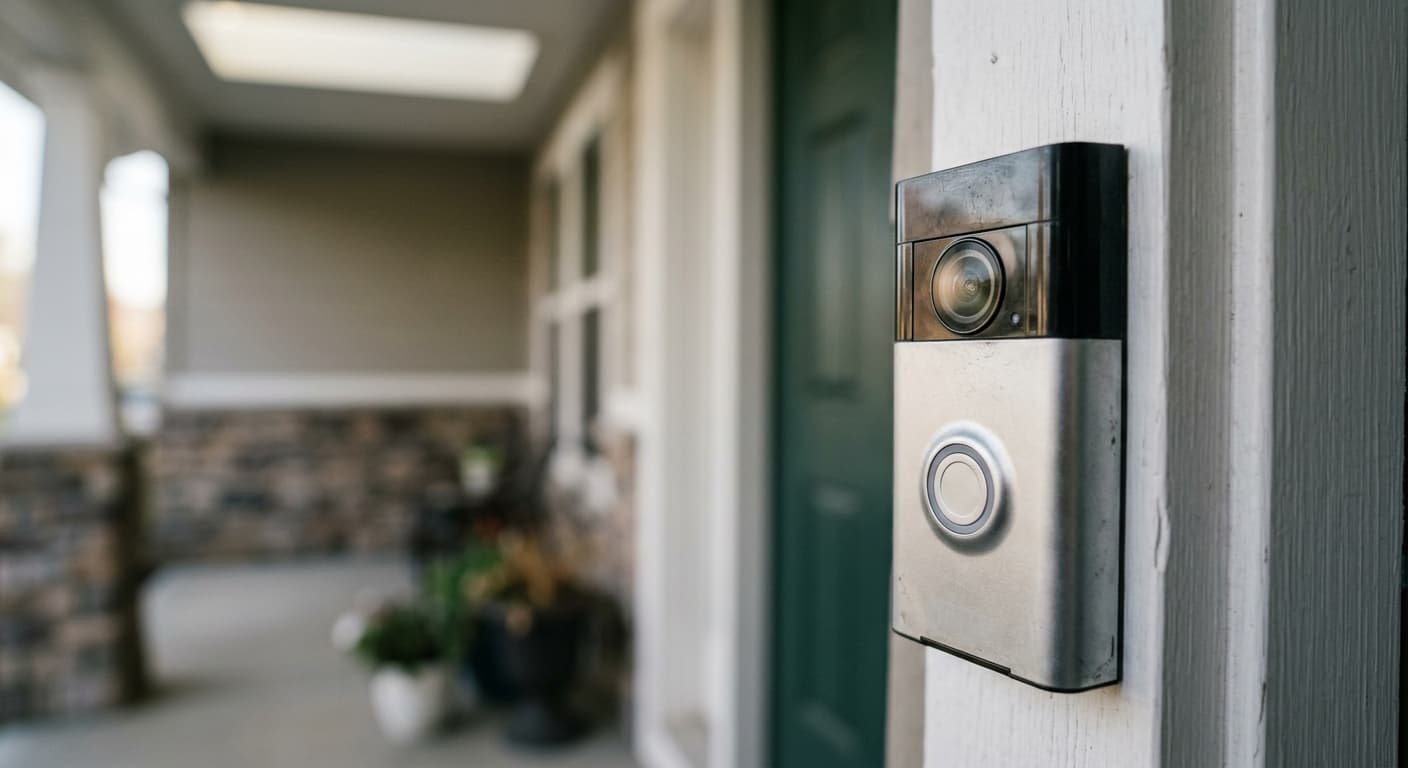
Arizona is a one-party consent state for audio under ARS § 13-3005 and ARS § 13-3012(9): a party to a conversation, or any person physically present during it, may record without notice. Secretly recording someone in a private place during nudity or intimate activity is a separate Class 5 felony under ARS § 13-3019. Violating either statute exposes you to felony criminal charges and significant civil liability.
Arizona recording law at a glance
| Question | Answer |
|---|---|
| Consent rule | One-party (ARS § 13-3005 + § 13-3012(9)) |
| Main statute | ARS § 13-3005 (audio); ARS § 13-3019 (video voyeurism) |
| When recording is illegal | Intercepting audio you are not a party to and not present for; secretly filming someone in a private place during nudity/intimate activity, or upskirt capture |
| Criminal penalty (audio) | Class 5 felony; pen register is Class 6 felony |
| Criminal penalty (video) | Class 5 baseline; Class 6 secret view without device; Class 4 distribution where person recognizable |
| Civil remedy | ARS § 12-731: $100/day or $10,000 minimum, plus actual, punitive, and attorney fees (audio only) |
| Hidden cameras | Restricted under ARS § 13-3019 in private-expectation locations during protected acts |
| Recording police | Protected in public under Fordyce + Askins; 8-foot buffer law enjoined by a federal court |
For deeper coverage of every subtopic, see the Arizona recording laws in-depth index below.
Recording in-person conversations in Arizona

Arizona's one-party rule comes from two statutes read together. ARS § 13-3005(A)(2) makes it a Class 5 felony to intentionally intercept a conversation "at which he is not present" without the consent of a party. The flip side is ARS § 13-3012(9), which carves out an exception for any interception "effected with the consent of a party to the communication or a person who is present during the communication."
Together these provisions mean: if you are a party to the conversation, or if you are physically present while it occurs, you may record it under Arizona law without telling anyone else. The "or a person who is present during the communication" language makes Arizona's rule broader than the federal one-party standard under 18 U.S.C. § 2511(2)(d), which permits recording only where a party consents: either the person recording is a party, or one of the parties has given prior consent.
A practical example: if you walk into a kitchen and hear two roommates discussing a verbal agreement, you can pull out your phone and record the rest of the conversation under ARS § 13-3012(9), even though you were not originally part of it and neither roommate consents. That same logic does not apply if you record from the next room with a listening device: you are not "present," and (A)(2) applies.
The "oral communication" definition in ARS § 13-3001 requires a reasonable expectation of privacy (a Katz-style test). A conversation shouted across a busy sidewalk may not qualify as an "oral communication" at all, putting it outside ARS § 13-3005's reach entirely.
Recording phone calls in Arizona
ARS § 13-3005(A)(1) covers wire and electronic communications: intentional interception of a call "to which he is not a party" without consent of sender or receiver is a Class 5 felony. As a party to your own calls, you may record under the ARS § 13-3012(9) exception without notice.
The complication is interstate calls. When the other party is in a stricter all-party-consent state (California, Connecticut, Florida, Illinois, Maryland, Massachusetts, Montana, Nevada, New Hampshire, Pennsylvania, or Washington), the conservative posture is to comply with the stricter state and obtain on-record consent before recording. Arizona courts apply Arizona law to Arizona residents; the other state's courts may apply their own rule to their residents.
Businesses recording Arizona calls for quality assurance or compliance are parties to those calls and may record under ARS § 13-3005. Best practice is a recorded preamble noting that the call may be recorded, because many callers connect from all-party states. Federal CFPB Regulation F and FCC TCPA rules layer on separately for debt-collection and telemarketing contexts.
For the complete guide to phone recording, see Arizona Phone Call Recording Laws.
Hidden cameras, doorbells, and nanny cams

Hidden-camera questions run through ARS § 13-3019, Arizona's voyeurism statute. The statute creates two separate prongs.
Subsection (A)(1): private place plus protected act. It is unlawful to secretly photograph, videotape, film, or digitally record another person in a restroom, bathroom, locker room, bedroom, or any other location where they have a reasonable expectation of privacy, while the person is urinating, defecating, dressing, undressing, nude, or engaged in sexual contact or intercourse. Both elements must be present: the location and the act.
Subsection (A)(2): upskirt and hidden-angle capture. No private place is required. Capture of another person's genitalia, buttock, or female breast (whether clothed or unclothed) that is not otherwise visible to the public is prohibited regardless of where it occurs.
Subsection (B): distribution. Disclosing, displaying, distributing, or publishing a recording made in violation of (A) without the depicted person's consent is a separate offense. Where the depicted person is recognizable, distribution is a Class 4 felony, the most serious classification in the statute.
Subsection (C) exemptions. Four categories are carved out: security recordings where notice is clearly posted in the location and the purpose is security; correctional officials recording for security reasons or in connection with the investigation of alleged misconduct of persons on the premises of a jail or prison; law-enforcement recordings during lawful investigations; and child monitoring devices (as defined in ARS § 13-3001) used by a parent or guardian inside the home. The posted-notice exemption requires both elements; an unlabeled bathroom camera with a retroactive security rationale does not qualify.
A few common scenarios: an outward-facing doorbell camera on your own porch is generally outside ARS § 13-3019 (a public-facing porch is not a private place and visitors are not in a protected act). A nanny cam in a shared kitchen or family room is similarly outside the statute. A camera installed in a tenant's bathroom or a guest bedroom without consent is a Class 5 felony. A parent's nursery cam in their child's own bedroom fits within the child-monitoring-device exemption.
Audio captured by any camera is analyzed separately under ARS § 13-3005 with the one-party consent rule.
For more on this topic, see Arizona Video Recording Laws, Arizona Security Camera Laws, and Arizona Voyeurism and Hidden Camera Laws.
Penalties for illegal recording in Arizona
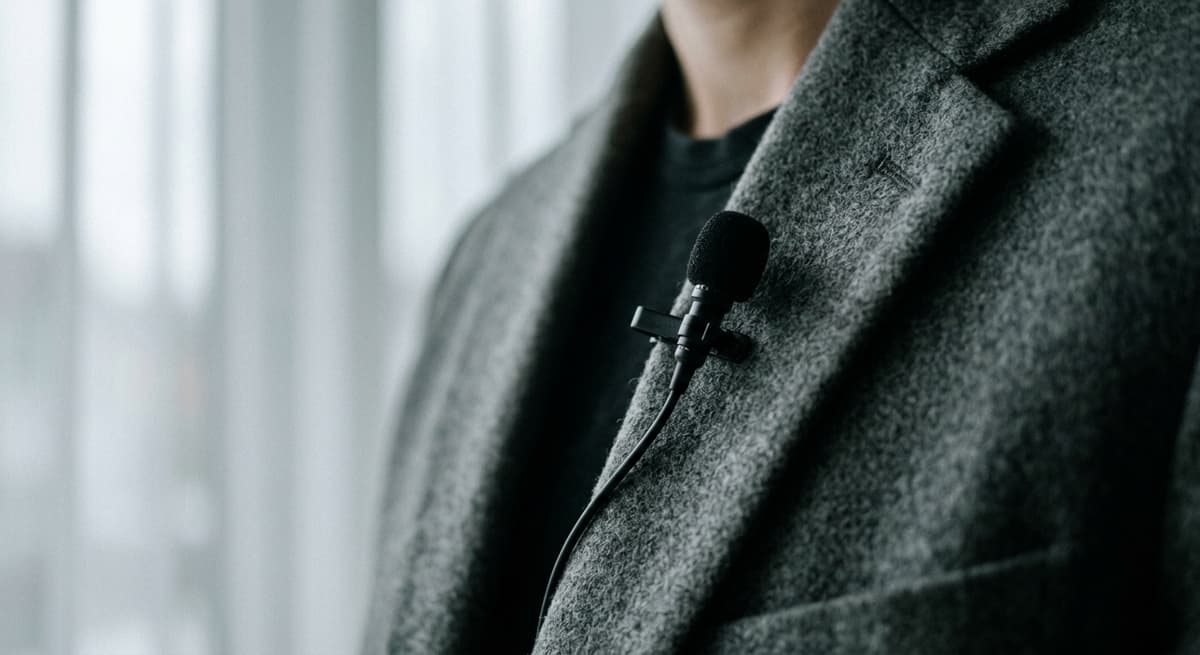
Criminal sentences run through ARS § 13-702, the presumptive sentencing schedule for non-dangerous felonies committed by first-time offenders.
| Conduct | Class | Presumptive | Aggravated |
|---|---|---|---|
| Audio interception, ARS § 13-3005(A)(1)-(2) | Class 5 felony | 1.5 years | 2.5 years |
| Jury deliberations, ARS § 13-3005(A)(3) | Class 5 felony | 1.5 years | 2.5 years |
| Pen register / trap-and-trace, ARS § 13-3005(B) | Class 6 felony | 1 year | 2 years |
| Capture in private place or upskirt, ARS § 13-3019(A) | Class 5 felony | 1.5 years | 2.5 years |
| Distribution where person recognizable, ARS § 13-3019(B) | Class 4 felony | 2.5 years | 3.75 years |
| Distribution where person not recognizable, ARS § 13-3019(B) | Class 5 felony | 1.5 years | 2.5 years |
| Secret viewing without a device, ARS § 13-3019(E) | Class 6 felony | 1 year | 2 years |
| Secret viewing without a device (second offense), ARS § 13-3019(E) | Class 5 felony | 1.5 years | 2.5 years |
| NCII, ARS § 13-1425 (standard) | Class 5 felony | 1.5 years | 2.5 years |
| NCII, ARS § 13-1425 (electronic disclosure) | Class 4 felony | 2.5 years | 3.75 years |
First-time non-dangerous offenders are generally probation eligible. Repeat offenders face significant enhancements under ARS § 13-703.
Civil remedy for audio violations (ARS § 12-731). ARS § 12-731 creates a private right of action for violations of ARS § 13-3005. A plaintiff may recover the greater of actual damages plus the violator's profits, or $100 per day of violation, or $10,000, whichever is greater. Punitive damages are available in appropriate cases. Reasonable attorney fees and litigation costs are recoverable. The limitations period is one year from when the plaintiff first had a reasonable opportunity to discover the violation.
Civil remedy for video violations. ARS § 12-731 does not cover ARS § 13-3019 violations. Surreptitious-video plaintiffs rely on common-law intrusion upon seclusion, applied in Arizona in Hart v. Seven Resorts, Inc., 190 Ariz. 272 (App. 1997). Punitive damages require clear-and-convincing evidence of an "evil mind" under Linthicum v. Nationwide Life Insurance Co., 150 Ariz. 326 (1986). The limitations period is two years under ARS § 12-542. Where the material is intimate imagery disclosed with intent to harm, ARS § 13-1425 adds criminal and civil exposure.
Recording the police in Arizona
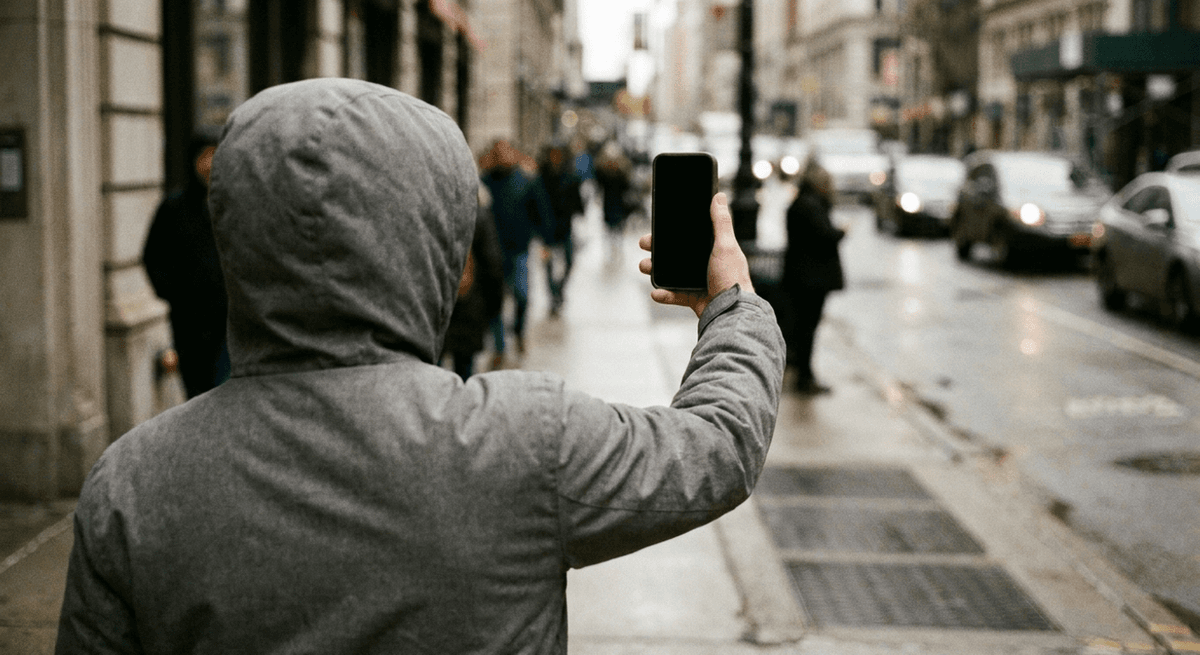
Arizona is in the Ninth Circuit. The Ninth Circuit recognized a First Amendment interest in recording police performing public duties in Fordyce v. City of Seattle, 55 F.3d 436 (9th Cir. 1995), and reaffirmed the right to photograph and record matters of public interest in public places (including law enforcement) in Askins v. U.S. Department of Homeland Security, 899 F.3d 1035 (9th Cir. 2018). These remain the controlling authorities for Arizona.
Reasonable time, place, and manner restrictions still apply. Officers may lawfully order bystanders to step back to a reasonable distance and may enforce trespass and obstruction laws of general applicability. What officers cannot do is forbid recording itself or arrest someone solely for recording.
HB 2319 / ARS § 13-3732 enjoined. Arizona passed HB 2319 in 2022 making it a Class 3 misdemeanor to record law enforcement within 8 feet after a verbal warning. A federal court entered a preliminary injunction before the law took effect. In Arizona Broadcasters Association v. Brnovich, No. CV-22-01431-PHX-JJT (D. Ariz. Sept. 9, 2022), the court found the plaintiffs likely to succeed on their claim that HB 2319 is a content-based restriction on recording law enforcement that cannot withstand strict scrutiny, and it enjoined enforcement of ARS § 13-3732 pending further order.
Body-worn cameras. Arizona does not have a single statute setting statewide definitions or operational requirements for the peace officer body-worn camera program; individual departments set their own written policies. ARS § 38-1171 and ARS § 38-1172 are unrelated first-responder line-of-duty death benefit provisions, not body-camera statutes. State-agency video disclosure, redaction, and fee rules for the Arizona Department of Public Safety's own body-worn camera footage are governed by ARS § 41-1734; it does not extend to other Arizona law enforcement agencies.
For detailed coverage, see Arizona Laws on Recording Police.
Special topics in Arizona
Deepfakes and AI impersonation
Arizona enacted two AI deepfake laws in 2024. HB 2394 (ARS § 16-1023), signed May 21, 2024, creates a civil cause of action for digital impersonation: any Arizona citizen may sue a publisher of a digital impersonation published without consent and without a clear disclosure, with a 21-day cure window and a two-year limitations period. The statute's expedited (2-day-ruling) track applies only to declaratory relief, available to candidates and to intimate/sexual depictions; injunctive relief and damages are a separate, harder remedy requiring additional proof (the depiction is intimate/sexual, appeals to prurient interests and offends community standards, the plaintiff is not a public figure, and actual knowledge or a failed cure) and is not expedited or available to candidates as such. SB 1359, signed May 29, 2024, requires clear and conspicuous AI disclosure on deepfakes of ballot candidates within 90 days of an election, with a $10/day then $25/day civil penalty. SB 1078 (AI criminal-impersonation amendment to ARS § 13-2006) failed to pass and is not enacted.
Non-consensual intimate imagery (NCII)
ARS § 13-1425 makes it a Class 5 felony (Class 4 for electronic disclosure) to intentionally disclose an identifiable intimate image of another person without consent and with intent to harm, harass, intimidate, threaten, or coerce. The federal TAKE IT DOWN Act (Pub. L. 119-12, signed May 19, 2025) adds federal criminal liability for knowing publication of nonconsensual intimate visual depictions including AI-generated forgeries; platform notice-and-takedown compliance took effect May 19, 2026.
Workplace recording and NLRB overlay
Arizona employers who are parties to workplace conversations may record under ARS § 13-3005 one-party consent. Blanket no-recording handbook policies are presumptively unlawful for private-sector NLRA-covered employers under Stericycle, Inc., 372 NLRB No. 113 (Aug. 2, 2023), unless the employer shows a substantial, narrowly tailored business interest. NLRB GC 25-05 (Feb. 14, 2025) reinstated Boeing-era enforcement priorities but Stericycle remains binding Board precedent. NLRB GC 25-07 (June 25, 2025) separately treats surreptitious recording of collective-bargaining sessions as a per se violation: this is narrow prosecutorial guidance confined to formal bargaining sessions, not a broader workplace-recording rule. Arizona's right-to-work status under Ariz. Const. art. XXV does not affect NLRA Section 7 analysis.
Federal ECPA and FCC overlay
The federal Wiretap Act, 18 U.S.C. §§ 2510-2522, sets a one-party-consent floor under 18 U.S.C. § 2511(2)(d); Arizona's ARS § 13-3005 follows it. FCC Declaratory Ruling FCC 24-17 (Feb. 2024) treats AI-generated voice in calls as "artificial or prerecorded voice" under the TCPA and is in force. FCC 24-24 (One-to-One Consent Rule) was vacated by the Eleventh Circuit with mandate April 30, 2025, and is not in force.
Open meetings and public records
Arizona's Open Meeting Law, ARS § 38-431.01, guarantees public access to meetings of state and local public bodies. Attendees may record open meetings subject to reasonable rules of decorum. Arizona trial courts permit cameras under Arizona Supreme Court Rule 122 subject to advance application. Federal courts in Arizona generally bar cameras during proceedings.
Recent legal developments
- May 2024: HB 2394 (ARS § 16-1023) enacted, creating a civil deepfake-impersonation action with a 21-day cure window.
- May 2024: SB 1359 enacted, requiring AI disclosure on election deepfakes within 90 days of a ballot; $10/day rising to $25/day civil penalty.
- September 2022: In Arizona Broadcasters Ass'n v. Brnovich, D. Ariz., a federal court preliminarily enjoined enforcement of ARS § 13-3732 (HB 2319 8-foot police buffer), finding the plaintiffs likely to succeed on their claim that it is a content-based restriction that cannot withstand strict scrutiny.
- May 2025: TAKE IT DOWN Act signed federally (Pub. L. 119-12); platform notice-and-takedown compliance effective May 19, 2026.
- April 2025: FCC 24-24 One-to-One Consent Rule vacated by 11th Circuit; FCC removed rule by order DA 25-621.
- August 2023: NLRB Stericycle decision makes blanket no-recording workplace rules presumptively unlawful for NLRA-covered employers.
Arizona recording laws in depth
By type of recording
- Arizona Audio Recording Laws (ARS § 13-3005 consent rules in depth)
- Arizona Video Recording Laws (ARS § 13-3019 and when cameras are permitted)
- Arizona Phone Call Recording Laws (landline, cell, VoIP, and interstate calls)
- Arizona Dashcam Laws (vehicles, rideshare, and cabin audio)
By place or relationship
- Arizona Workplace Recording Laws (employee and employer rights, NLRB overlay)
- Arizona Landlord-Tenant Recording Laws (tenant privacy and landlord camera rules)
- Arizona School Recording Laws (students, parents, and teachers)
- Arizona Medical Recording Laws (patient rights and HIPAA)
- Arizona Laws on Recording Police (First Amendment, HB 2319, body cams)
- Arizona Laws on Recording in Public (streets, government buildings, courts)
- Arizona Security Camera Laws (homes, businesses, and ARS § 13-3019 exemptions)
- Arizona Voyeurism and Hidden Camera Laws (ARS § 13-3019 in detail)
More Arizona laws
- Arizona Alimony Laws
- Arizona At-Will Employment Laws
- Arizona Data Privacy Laws
- Arizona Divorce Laws
- Arizona Landlord-Tenant Laws
This article is general legal information, not legal advice. Recording laws change and apply differently to each situation. For advice about your situation, consult a licensed Arizona attorney.
More Arizona Laws
- Arizona AI Meeting Recording Laws
- Arizona Dashcam Laws
- Arizona Data Privacy Laws
- Arizona Deepfake Laws
- Arizona Employee Monitoring Laws
- Arizona GPS Tracking Laws
- Arizona Police Bodycam Laws
- Arizona Smart Glasses Recording Laws
Frequently Asked Questions
Is Arizona a one-party or two-party consent state?
Arizona is a one-party consent state for audio under ARS § 13-3005 and ARS § 13-3012(9). A party to a conversation, or any person physically present during it, may record without notifying anyone else. For video, ARS § 13-3019 restricts secret recording in private locations during nudity or intimate activity and upskirt-style capture, but Arizona is not a generic all-party state for video.
Can I record a phone call in Arizona without telling the other person?
Yes, if you are a party to the call and both parties are in Arizona. Under ARS § 13-3005 and ARS § 13-3012(9), no notice is required. If the other party is in an all-party-consent state such as California, Florida, or Pennsylvania, the conservative approach is to obtain consent before recording.
Is illegal recording a felony in Arizona?
Yes. Unlawful audio interception under ARS § 13-3005 is a Class 5 felony (presumptive 1.5 years). Secretly recording someone in a private place during nudity or intimate activity under ARS § 13-3019 is also a Class 5 felony. Distribution of such a recording where the person is recognizable is a Class 4 felony (presumptive 2.5 years).
What can I sue for if someone illegally recorded me in Arizona?
For audio violations, ARS § 12-731 provides a civil floor of $100 per day of violation or $10,000 minimum, plus actual damages, the violator's profits, punitive damages in appropriate cases, and attorney fees. For video violations under ARS § 13-3019, the civil path is common-law intrusion upon seclusion with a two-year limitations period under ARS § 12-542. ARS § 13-1425 adds criminal and civil exposure where intimate imagery is involved.
Are Ring doorbells and nanny cams legal in Arizona?
Generally yes for outward-facing cameras on your own property (public-facing porches are not private places under ARS § 13-3019). Nanny cams in shared common areas such as a kitchen are also generally outside the statute. Cameras placed in bathrooms, bedrooms, or other private-expectation spaces of guests, tenants, or workers without consent violate ARS § 13-3019. The posted-notice security exemption requires both clearly posted notice and a genuine security purpose.
Can I record my boss or an HR meeting in Arizona?
Yes, as a participant in the conversation. ARS § 13-3005 and ARS § 13-3012(9) authorize recording by any party or person present, regardless of an employer no-recording policy. Whether the employer can discipline you for breaking the policy is a separate question governed by NLRB doctrine under Stericycle, Inc., 372 NLRB No. 113 (2023), which makes blanket no-recording rules presumptively unlawful for NLRA-covered employers.
Can I record police officers in Arizona?
Yes, openly and in public, under First Amendment protection established in Fordyce v. City of Seattle, 55 F.3d 436 (9th Cir. 1995), and Askins v. U.S. Dep't of Homeland Security, 899 F.3d 1035 (9th Cir. 2018). Arizona's 8-foot buffer law (HB 2319 / ARS § 13-3732) was preliminarily enjoined in Arizona Broadcasters Ass'n v. Brnovich (D. Ariz. Sept. 9, 2022), where the court found the plaintiffs likely to succeed on their claim that the law is a content-based restriction that cannot withstand strict scrutiny, and enjoined its enforcement pending further order. Officers may still issue lawful orders to step back a reasonable distance.
What makes Arizona's one-party rule broader than federal law?
ARS § 13-3012(9) extends consent authority to 'a person who is present during the communication,' not just a party. The federal one-party rule under 18 U.S.C. § 2511(2)(d) always runs through a party: the person recording must either be a party to the communication or have the prior consent of one of the parties. In Arizona, a non-participant who is physically present and witnessing a conversation may record it without either party's consent.
Updates
Corrected the description of the Arizona Broadcasters Association case to the September 2022 preliminary injunction order the court actually issued, which found the challengers likely to succeed and enjoined enforcement of ARS § 13-3732 pending further order.
Corrected the civil-remedy section, which had cited Godbehere v. Phoenix Newspapers (a false light invasion-of-privacy decision) as authority for intrusion upon seclusion; the tort is now attributed only to Hart v. Seven Resorts, which applies it.
Corrected the description of the federal wiretap rule: 18 U.S.C. 2511(2)(d) permits recording where the person recording is a party or where one of the parties has given prior consent, so it is not limited to parties, and the page no longer says it is.
Corrected the interstate phone-call section: Oregon does not require all-party consent for phone calls (only for in-person conversations), so it was removed from the list of stricter states and replaced with Connecticut, whose phone-specific civil-liability rule does functionally require all-party consent.
Independently fact-checked against the cited primary sources; governing law re-checked for recent changes
Rescoped ARS 16-1023's expedited 2-day track to declaratory relief only; clarified that injunctive relief and damages are a separate remedy with additional proof requirements, not an expedited track available to candidates.
Governing law re-checked for recent changes
Corrected the body-worn camera section: ARS 38-1171 and 38-1172 are unrelated first-responder death-benefit statutes, not body-camera definitions or requirements; Arizona has no single statewide body-cam statute, only ARS 41-1734 governing DPS's own footage.
Corrected the 2026-05-09 changelog entry, which restated the now-fixed false claim that ARS § 38-1171 and § 38-1172 are body-camera statutes; they are unrelated first-responder death-benefit provisions.
Governing law re-checked for recent changes
Competitive gap-check against the #1 organic Google result for the query arizona recording laws (a Phoenix family-law firm blog, bdblawfirm.com) found no genuine content gaps: the competitor page is materially thinner than this article and covers no statute, case, or penalty detail not already here. Its implication that Arizona courts routinely exclude illegally recorded evidence was checked against the full text of ARS § 13-3005 and § 13-3012 and found unsupported (neither statute contains an exclusionary-evidence provision), so it was not added. Independently re-verified core citations against primary sources with no corrections needed: Hart v. Seven Resorts, 190 Ariz. 272 (App. 1997); Linthicum v. Nationwide Life Ins. Co., 150 Ariz. 326 (1986); Fordyce v. City of Seattle, 55 F.3d 436 (9th Cir. 1995); Askins v. DHS, 899 F.3d 1035 (9th Cir. 2018); Arizona Broadcasters Ass'n v. Mayes, 2:22-cv-01431-JJT (order July 21, 2023); Stericycle, Inc., 372 NLRB No. 113 (Aug. 2, 2023); and the TAKE IT DOWN Act, Pub. L. 119-12 (May 19, 2025). Note: a later case-support check found the Godbehere v. Phoenix Newspapers citation had been attached to the wrong proposition (Godbehere is a false light invasion-of-privacy decision, not an intrusion-upon-seclusion one), so the 'no corrections needed' result did not hold for that citation. A later case-support check also found that the court order on file in the Arizona Broadcasters case is the September 9, 2022 preliminary injunction in Arizona Broadcasters Ass'n v. Brnovich, which found the plaintiffs likely to succeed rather than issuing a final ruling, so the page's description was narrowed to that order.
Reviewed and approved by an editor
Restructured per recording-redo template spec: added AEO lede, KeyTakeaways, at-a-glance table, and dedicated H2 sections for in-person recording, phone calls, hidden cameras, penalties, police recording, special topics (deepfakes, NCII, workplace NLRB, federal ECPA/FCC, open meetings), recent developments, and in-depth sub-page index. Condensed special-topics material into short subsections while preserving all key statute citations. Refreshed FAQSection to 8 Qs matching template spec. Verified all load-bearing facts against primary azleg.gov sources: ARS § 13-3005, § 13-3012(9), § 13-3019, § 12-731, and § 13-702 sentencing ranges all confirmed accurate. Zero fact corrections from primary-source verification.
Refreshed for 2026 with a bifurcated statute strategy. Built dedicated H2s for ARS § 13-3005 (audio one-party consent) and ARS § 13-3019 (surreptitious photographing and videotaping in a private place), with a side-by-side comparison and a private-place explainer. Reframed HB 2319 / ARS § 13-3732 (the 8-foot police buffer) as permanently enjoined by stipulated injunction and declaratory judgment in Arizona Broadcasters Ass'n v. Mayes, No. 2:22-cv-01431-JJT (D. Ariz. July 21, 2023) (Tuchi, J.), not 'struck down on the merits' or 'ruled unconstitutional by the 9th Circuit.' Added HB 2394 (ARS § 16-1023) civil deepfake action enacted May 21, 2024, and SB 1359 election deepfake disclosure enacted May 29, 2024. Confirmed SB 1078 was not enacted. Replaced erroneous record-the-police references with the 9th Circuit pair: Fordyce v. City of Seattle, 55 F.3d 436 (9th Cir. 1995), and Askins v. U.S. Dep't of Homeland Sec., 899 F.3d 1035 (9th Cir. 2018). Corrected body-camera citations to ARS § 38-1171 (definitions), § 38-1172 (peace officer body-worn camera, AZ POST consequences, SB 1386 origin), and § 41-1734 (state-agency video disclosure, redaction, and fee). Updated FCC 24-24 (One-to-One Consent Rule) to vacated by 11th Cir. mandate April 30, 2025; removed stale 47 CFR § 64.501 (deleted November 20, 2017). Added NLRB Stericycle / GC 25-05 / GC 25-07 workplace recording overlay and TAKE IT DOWN Act federal compliance (signed May 19, 2025; platform notice-and-takedown effective May 19, 2026). Replaced commercial-codifier URLs with azleg.gov, azcourts.gov, uscode.house.gov, fcc.gov, nlrb.gov, ftc.gov, and clearinghouse.net. Keywords array populated (was empty).
Refreshed for 2026 with a bifurcated statute strategy. Built dedicated H2s for ARS § 13-3005 (audio one-party consent) and ARS § 13-3019 (surreptitious photographing and videotaping in a private place), with a side-by-side comparison and a private-place explainer. Reframed HB 2319 / ARS § 13-3732 (the 8-foot police buffer) as enjoined by a federal court in the Arizona Broadcasters Ass'n case (D. Ariz. No. CV-22-01431), not 'struck down on the merits' or 'ruled unconstitutional by the 9th Circuit.' Added HB 2394 (ARS § 16-1023) civil deepfake action enacted May 21, 2024, and SB 1359 election deepfake disclosure enacted May 29, 2024. Confirmed SB 1078 was not enacted. Replaced erroneous record-the-police references with the 9th Circuit pair: Fordyce v. City of Seattle, 55 F.3d 436 (9th Cir. 1995), and Askins v. U.S. Dep't of Homeland Sec., 899 F.3d 1035 (9th Cir. 2018). Corrected body-camera citations to ARS § 41-1734 (state-agency video disclosure, redaction, and fee). Note: a later correction found ARS § 38-1171 and § 38-1172 are unrelated first-responder death-benefit provisions, not body-camera statutes, despite what this entry originally said. Updated FCC 24-24 (One-to-One Consent Rule) to vacated by 11th Cir. mandate April 30, 2025; removed stale 47 CFR § 64.501 (deleted November 20, 2017). Added NLRB Stericycle / GC 25-05 / GC 25-07 workplace recording overlay and TAKE IT DOWN Act federal compliance (signed May 19, 2025; platform notice-and-takedown effective May 19, 2026). Replaced commercial-codifier URLs with azleg.gov, azcourts.gov, uscode.house.gov, fcc.gov, nlrb.gov, ftc.gov, and clearinghouse.net. Keywords array populated (was empty).
Added wearable recording device guidance covering AI voice recorders (Plaud) and smart glasses (Meta Ray-Bans) under Arizona one-party consent law.
The Law Behind This Article
This article rests on the statutory provisions below, held in our own legal record and retrieved from the official source. Tap a section to read the operative text.
Arizona Revised Statutes, Title 13 (Criminal Code), Chapter 30 (EAVESDROPPING AND COMMUNICATIONS)
§ 13-3005Interception of wire, electronic and oral communications; installation of pen register or trap and trace device; classification; exceptionsIn forcecited in 23 of our articles
A. Except as provided in this section and section 13-3012, a person is guilty of a class 5 felony who either: 1. Intentionally intercepts a wire or electronic communication to which he is not a party, or aids, authorizes, employs, procures or permits another to so do, without the consent of either a sender or receiver thereof. 2. Intentionally intercepts a conversation or discussion at which he is not present, or aids, authorizes, employs, procures or permits another to so do, without the consent of a party to such conversation or discussion. 3. Intentionally intercepts the deliberations of a jury or aids, authorizes, employs, procures or permits another to so do. B. Except as provided in sections 13-3012 and 13-3017, a person who intentionally and without lawful authority installs or uses a pen register or trap and trace device on the telephone lines or communications facilities of another person which are utilized for wire or electronic communication is guilty of a class 6 felony.
Official text (excerpt) · last checked 2026-08-31 · Read the full text in our law library · Verify at azleg.gov
Cited in 7 court opinions in our collectionLatest citing opinion in our collection: 2025
In the courts (editorial summary, independently checked):State v. Morrison (2002) held that 13-3005 criminalizes unlawful interception but provides no exclusionary remedy, so a recording made in violation of it is not automatically inadmissible. State v. Hauss (1984) held the section inapplicable to a police station interview room talk where no reasonable expectation of privacy existed.
Opinions citing this section in our collection:
- State v. Morrison (Court of Appeals of Arizona 2002, 203 Ariz. 489)“…ause it was made without his or her consent in violation of A.R.S. § 13-3005 and 18 U.S.C. § 2511 and was, therefo…”
- State v. Hauss (Court of Appeals of Arizona 1984, 142 Ariz. 159)✓Police secretly recorded an arrested suspect's talk with his girlfriend in a station interview room, after telling her the room was being monitored; the court held there was no reasonable expectation of privacy in that setting, so section 13-3005 did not apply.
- State v. Allgood (Court of Appeals of Arizona 1992, 171 Ariz. 522)“…communication.” (Emphasis added.) See also A.R.S. § 13-3005. (penalizing as a class 5 felony interc…”
Identified automatically from the court opinions citing this section — not a ranking of which case controls.
Also relied on in: One-Party Consent States: Complete 2026 Guide, Arizona Audio Recording Laws: Complete Guide to Consent Rules, Arizona Phone Call Recording Laws: What You Need to Know
§ 13-3012ExemptionsIn forcecited in 7 of our articles
The following are exempt from the provisions of this chapter: 1. The interception of wire, electronic or oral communications, the installation and operation of a pen register or trap and trace device, the providing of information, facilities or technical assistance to an investigative or law enforcement officer pursuant to a subpoena or an ex parte order granted pursuant to sections 13-3010, 13-3015, 13-3016, 13-3017 and 13-3018 or an emergency interception made in good faith pursuant to section 13-3015, including any of the foregoing acts by a communication service provider or its officers, agents or employees. 2. The normal use of services, equipment and facilities that are provided by a communication service provider pursuant to tariffs that are on file with the Arizona corporation commission or the federal communications commission and the normal functions of any operator of a switchboard. 3.
Official text (excerpt) · last checked 2026-08-04 · Read the full text in our law library · Verify at azleg.gov
Cited in 11 court opinions in our collectionLatest citing opinion in our collection: 2023
Opinions citing this section in our collection:
- State v. Walker (Court of Appeals of Arizona 1995, 185 Ariz. 228)“…ith the consent of one of the participants—is authorized by AR.S. section 13-3012(9) (Supp.1995). In State v. Allg…”
- State v. Morrison (Court of Appeals of Arizona 2002, 203 Ariz. 489)“…onsent to such interception ....” See also A.R.S. § 13-3012(9) (1997) (exempting from A.R.S. § 13-3…”
- State v. Pecina (Court of Appeals of Arizona 1995, 184 Ariz. 238)“…751 , 91 S.Ct. 1122, 1126 , 28 L.Ed.2d 453 (1971); A.R.S. § 13-3012(7). The state bears the burden of provi…”
Identified automatically from the court opinions citing this section — not a ranking of which case controls.
Also relied on in: Arizona Smart Glasses Recording Laws (2026), Arizona Surveillance Camera Laws (2026 Guide), Arizona Employee Monitoring Laws (2026): Workplace Privacy Rules
§ 13-3019Surreptitious photographing, videotaping, filming or digitally recording or viewing; exemptions; classification; definitionsIn forcecited in 17 of our articles
A. It is unlawful for any person to knowingly photograph, videotape, film, digitally record or by any other means secretly view, with or without a device, another person without that person's consent under either of the following circumstances: 1. In a restroom, bathroom, locker room, bedroom or other location where the person has a reasonable expectation of privacy and the person is urinating, defecating, dressing, undressing, nude or involved in sexual intercourse or sexual contact. 2. In a manner that directly or indirectly captures or allows the viewing of the person's genitalia, buttock or female breast, whether clothed or unclothed, that is not otherwise visible to the public. B. It is unlawful to disclose, display, distribute or publish a photograph, videotape, film or digital recording made in violation of subsection A of this section without the consent or knowledge of the person depicted. C. This section does not apply to: 1.
Official text (excerpt) · last checked 2026-09-23 · Read the full text in our law library · Verify at azleg.gov
Cited in 8 court opinions in our collectionLatest citing opinion in our collection: 2026
In the courts (editorial summary, independently checked):State of Arizona v. Whytte Dragun Duncan (2024) found a hidden bathroom camera established a fair probability of surreptitious recording under 13-3019, supporting a search warrant. State of Arizona v. Agustin Gonzalez Gongora (2014) contrasted the section with the voyeurism statute, which adds a sexual stimulation element.
Opinions citing this section in our collection:
- State of Arizona v. Agustin Gonzalez Gongora (Court of Appeals of Arizona 2014, 235 Ariz. 178)✓A man crouched behind a shopper in a store and looked up her dress; convicted under the separate voyeurism statute, he argued a 2006 draft amendment made upskirt viewing only a section 13-3019 offense, and the court rejected that reading of the two statutes.
- Tucson Unified School District v. Borek (Court of Appeals of Arizona 2014, 234 Ariz. 364)“…g or recording another person without their consent.” See A.R.S. § 13-3019(A), (D).…”
- State of Arizona v. Whytte Dragun Duncan (Court of Appeals of Arizona 2024, 548 P.3d 1128)✓A foster parent hid a camera inside a USB charger in the bathroom and recorded teenage girls showering and undressing; the court held that even with the unlawfully searched SD card excised, the affidavit showed a fair probability of a section 13-3019 offense.
Identified automatically from the court opinions citing this section — not a ranking of which case controls.
Also relied on in: Arizona Landlord-Tenant Recording Laws: Rights for Renters and Property Owners, Arizona Medical Recording Laws: Patient Rights and HIPAA Rules, Arizona Laws on Recording in Public: What You Can and Cannot Film
§ 13-3001DefinitionsIn forcecited in 4 of our articles
In this chapter, unless the context otherwise requires: 1. "Aural transfer" means a communication containing the human voice at any point between and including the point of origin and the point of reception. 2. "Child monitoring device" means a device that is capable of transmitting an audio or audiovisual signal and that is installed or used in a residence for child supervision or safety monitoring by any parent, guardian or other responsible person in the person's own residence. 3. "Communication service provider" means any person who is engaged in providing a service that allows its users to send or receive oral, wire or electronic communications or computer services. 4. "Electronic communication" means any transfer of signs, signals, writing, images, sounds, data or intelligence of any nature that is transmitted in whole or in part by a wire, radio, electromagnetic, photoelectronic or photooptical system but that does not include any of the following: (a) Any wire or oral communication. (b) Any communication made through a tone-only paging device. (c) Any communication from a tracking device. 5.
Official text (excerpt) · last checked 2026-08-04 · Read the full text in our law library · Verify at azleg.gov
Cited in 7 court opinions in our collectionLatest citing opinion in our collection: 2025
Opinions citing this section in our collection:
- State v. Ring (Arizona Supreme Court 2001, 200 Ariz. 267)“…ce ¶ 14 The collection of wiretap evidence is governed by A.R.S. §§ 13-3001 13-3019. Defendant argues that, becaus…”
- State v. Politte (Court of Appeals of Arizona 1982, 136 Ariz. 117)“…ve” than the federal law. He contends the Arizona statutes, A.R.S. §§ 13-3001, et seq., principally § 13-3010, are le…”
- State of Arizona v. Usef Latrice Simmons II (Court of Appeals of Arizona 2015, 238 Ariz. 503)“…een the point of origin and the point of reception . . . .” A.R.S. § 13-3001(14). 5“‘Electronic communication…”
Identified automatically from the court opinions citing this section — not a ranking of which case controls.
Arizona Revised Statutes, Title 12 (Courts and Civil Proceedings), Chapter 6 (SPECIAL ACTIONS AND PROCEEDINGS BY INDIVIDUAL PERSONS), Article 13 (Interception or Disclosure of Wire, Oral or Electronic Communications)
§ 12-731Recovery of civil damagesIn forcecited in 3 of our articles
A. Except as provided in title 13, chapter 30, any person whose wire, oral or electronic communication is intentionally intercepted, disclosed or used in violation of title 13, chapter 30 may bring a civil action to recover from the person or entity that engaged in the violation the following: 1. Such preliminary and other equitable or declaratory relief as may be appropriate. 2. Damages in an amount that is the greater of either: (a) The sum of the actual damages suffered by the plaintiff and any profits made by the violator as a result of the violation. (b) Statutory damages of one hundred dollars a day for each day of the violation. (c) Statutory damages of ten thousand dollars. 3. Punitive damages in appropriate cases. 4. Reasonable attorney fees and other reasonable costs of litigation. B. A civil action under this section may not be commenced later than one year after the date upon which the plaintiff first has a reasonable opportunity to discover the violation.
Official text (excerpt) · last checked 2026-08-04 · Read the full text in our law library · Verify at azleg.gov
Cited in 1 court opinions in our collectionLatest citing opinion in our collection: 2004
Opinions citing this section in our collection:
- In Re Cases Filed by DIRECTV, Inc. (District Court, D. Arizona 2004, 344 F. Supp. 2d 647)“…s under A.R.S. § 13-3008(A) and request attorney fees under A.R.S. § 12-731 (A)(c)(4). 12 Because…”
Identified automatically from the court opinions citing this section — not a ranking of which case controls.
Also relied on in: Arizona AI Meeting Recording Laws (2026), Arizona Ring Doorbell Laws: What You Need to Know in 2026
Arizona Revised Statutes, Title 13 (Criminal Code), Chapter 7 (SENTENCING AND IMPRISONMENT)
§ 13-702First time felony offenders; sentencing; definitionIn forcecited in 12 of our articles
A. Unless a specific sentence is otherwise provided, the term of imprisonment for a first felony offense shall be the presumptive sentence determined pursuant to subsection D of this section. Except for those felonies involving a dangerous offense or if a specific sentence is otherwise provided, the court may increase or reduce the presumptive sentence within the ranges set by subsection D of this section. Any reduction or increase shall be based on the aggravating and mitigating circumstances listed in section 13-701, subsections D and E and shall be within the ranges prescribed in subsection D of this section. B.
Official text (excerpt) · last checked 2026-08-04 · Read the full text in our law library · Verify at azleg.gov
Cited in 446 court opinions in our collectionLatest citing opinion in our collection: 2026
Opinions citing this section in our collection:
- State v. Shattuck (Arizona Supreme Court 1984, 140 Ariz. 582)“…ly under the authority of the language in what is currently A.R.S. § 13-702(D)(11) [formerly A.R.S. 13-702(D)(9)] —…”
- State v. Henderson (Arizona Supreme Court 2005, 210 Ariz. 561)“…t fit within the list of statutory aggravators codified in A.R.S. § 13-702.C: infliction or thr…”
- State v. Walton (Arizona Supreme Court 1989, 159 Ariz. 571)“…he Arizona death penalty statute. Under the provisions of A.R.S. § 13-702(D), which applies to noncapital sentenc…”
Identified automatically from the court opinions citing this section — not a ranking of which case controls.
Also relied on in: Arizona Surreptitious Recording & Voyeurism Laws: ARS 13-3019 Penalties (2026)
Arizona Revised Statutes, Title 12 (Courts and Civil Proceedings), Chapter 5 (LIMITATIONS OF ACTIONS), Article 3 (Personal Actions)
§ 12-542Injury to person; injury when death ensues; injury to property; conversion of property; forcible entry and forcible detainer; two year limitationIn forcecited in 11 of our articles
Except as provided in section 12-551 there shall be commenced and prosecuted within two years after the cause of action accrues, and not afterward, the following actions: 1. For injuries done to the person of another including causes of action for medical malpractice as defined in section 12-561. 2. For injuries done to the person of another when death ensues from such injuries, which action shall be considered as accruing at the death of the party injured. 3. For trespass for injury done to the estate or the property of another. 4. For taking or carrying away the goods and chattels of another. 5. For detaining the personal property of another and for converting such property to one's own use. 6. For forcible entry or forcible detainer, which action shall be considered as accruing at the commencement of the forcible entry or detainer.
Official text (excerpt) · last checked 2026-08-04 · Read the full text in our law library · Verify at azleg.gov
Cited in 497 court opinions in our collectionLatest citing opinion in our collection: 2026
Opinions citing this section in our collection:
- Kenyon v. Hammer (Arizona Supreme Court 1984, 142 Ariz. 69)“…es at the date of death and is barred two years thereafter. A.R.S. § 12-542(2). Plaintiff argues that Count I of th…”
- Walk v. Ring (Arizona Supreme Court 2002, 202 Ariz. 310)“…rtant, if not irrelevant. 2 The text of A.R.S. § 12-542 reads in pertinent part as follows:…”
- Florez v. Sargeant (Arizona Supreme Court 1996, 185 Ariz. 521)“…informed Gomez of the two year statute of limitations under A.R.S. § 12-542 and that it was the position of the Dio…”
Identified automatically from the court opinions citing this section — not a ranking of which case controls.
Arizona Revised Statutes, Title 13 (Criminal Code), Chapter 37 (MISCELLANEOUS OFFENSES)
§ 13-3732Unlawful video recording of law enforcement activity; classification; definitionIn forcecited in 4 of our articles
A. It is unlawful for a person to knowingly make a video recording of law enforcement activity if the person making the video recording is within eight feet of where the person knows or reasonably should know that law enforcement activity is occurring, either receives or has previously received a verbal warning from a law enforcement officer that the person is prohibited from making a video recording of a law enforcement activity within eight feet of the activity and continues to make a video recording of the law enforcement activity within eight feet of the activity. If the law enforcement activity is occurring in an enclosed structure that is on private property, a person who is authorized to be on the private property may make a video recording of the activity from an adjacent room or area that is less than eight feet away from where the activity is occurring, unless a law enforcement officer determines that the person is interfering in the law enforcement activity or that it is not safe to be in the area and orders the person to leave the area. B.
Official text (excerpt) · last checked 2026-08-04 · Read the full text in our law library · Verify at azleg.gov
Cited in 1 court opinions in our collectionLatest citing opinion in our collection: 2022
Opinions citing this section in our collection:
- Arizona Broadcasters Association v. Mayes (District Court, D. Arizona 2022)“…13-3732(A). A violation of HB2319 is a class 3 misdemeanor. A.R.S. § 13-3732(D). 2 HB2319 is set to take effect o…”
Identified automatically from the court opinions citing this section — not a ranking of which case controls.
Also relied on in: Arizona Dashcam Laws: Rules for Dashboard Cameras in Vehicles, Arizona Laws on Recording Police: Your Rights After HB 2319, Arizona Video Recording Laws: Rules for Cameras and Filming
Arizona Revised Statutes, Title 41 (State Government), Chapter 12 (PUBLIC SAFETY), Article 2 (Department of Public Safety)
§ 41-1734Video recordings; release; consent; redactions; request requirements; feeIn forcecited in 4 of our articles
A. The department may release to the public a copy of a video recording only if one or more of the following apply: 1. All persons other than peace officers shown in the video recording consent to the release, or any information that may identify persons shown in the video has been redacted. If a person shown in the video recording is deceased, the person's parent, guardian, next of kin or estate may provide the consent. 2. The department is the custodian of the video recording and reasonably determines that there is an important public purpose for releasing the video recording, including a situation in which the video recording involves any of the following: (a) A person being arrested for a misdemeanor or felony with a sentence that may result in incarceration. (b) One or more peace officers using physical force. (c) An allegation of law enforcement misconduct. B. Before the department releases to the public a copy of a video recording, the department shall review the video recording to determine whether redacting or withholding the video recording is appropriate. The department: 1.
Official text (excerpt) · last checked 2026-08-04 · Read the full text in our law library · Verify at azleg.gov
Also relied on in: Arizona Police Body Camera Laws (2026): Rules & Footage Access, How to Get a Police Report in Arizona (2026): Crash & Incident Reports
Arizona Revised Statutes, Title 13 (Criminal Code), Chapter 14 (SEXUAL OFFENSES)
§ 13-1425Unlawful disclosure of images depicting states of nudity or specific sexual activities; classification; definitionsIn forcecited in 6 of our articles
A. It is unlawful for a person to intentionally disclose an image of another person who is identifiable from the image itself or from information displayed in connection with the image if all of the following apply: 1. The person in the image is depicted in a state of nudity or is engaged in specific sexual activities. 2. The depicted person has a reasonable expectation of privacy. Evidence that a person has sent an image to another person using an electronic device does not, on its own, remove the person's reasonable expectation of privacy for that image. Unless the realistic pictorial representation is created or modified by the depicted person, this paragraph does not apply to an image that is a realistic pictorial representation. 3. The image is disclosed with the intent to harm, harass, intimidate, threaten or coerce the depicted person. B. This section does not apply to any of the following: 1. The reporting of unlawful conduct. 2. Lawful and common practices of law enforcement, criminal reporting, legal proceedings or medical treatment. 3. Images involving voluntary exposure in a public or commercial setting. 4.
Official text (excerpt) · last checked 2026-08-30 · Read the full text in our law library · Verify at azleg.gov
Cited in 1 court opinions in our collectionLatest citing opinion in our collection: 2024
Opinions citing this section in our collection:
- Arce v. Honeywell International Incorporated (District Court, D. Arizona 2024)“…f alleges Defendant’s filing of these photos violates A.R.S. § 13-1425, which prohibits the disclosure of imag…”
Identified automatically from the court opinions citing this section — not a ranking of which case controls.
Also relied on in: Arizona Deepfake Laws: AI Images, Voice Cloning & Penalties (2026), Arizona Pornography Laws (2026): AV Law & Penalties, Arizona Sexting Laws: Legal Consequences and Penalties
Arizona Revised Statutes, Title 16 (Elections and Electors), Chapter 7 (PENAL PROVISIONS), Article 1 (General Provisions)
§ 16-1023Digital impersonation of candidate or other person; relief; applicability; definitionsIn forcecited in 4 of our articles
A. A candidate for public office or political party office who will appear on the ballot in this state or any citizen of this state may bring an action for digital impersonation within two years after the date that the person knows, or in the exercise of reasonable diligence should know, that a digital impersonation of the person who is bringing the action was published. The sole remedy on this cause of action is preliminary and permanent declaratory relief except as otherwise expressly provided by this section. To prevail on an action prescribed by this section, a plaintiff must prove all of the following: 1. That a digital impersonation of the person was published to one or more other persons without the person's consent. 2. That at the time of publication either of the following applies: (a) The publisher did not reasonably convey to the persons to whom the publication was made that the recording or image was a digital impersonation or that its authenticity was disputed. (b) It would not be obvious to a reasonable person that the recording or image was a digital impersonation. B.
Official text (excerpt) · last checked 2026-08-04 · Read the full text in our law library · Verify at azleg.gov
Arizona Revised Statutes, Title 38 (Public Officers and Employees), Chapter 3 (CONDUCT OF OFFICE), Article 3.1 (Public Meetings and Proceedings)
§ 38-431.01Meetings shall be open to the public; seating; minutes; recordingsIn forcecited in 4 of our articles
A. All meetings of any public body shall be public meetings and all persons so desiring shall be allowed to attend and listen to the deliberations and proceedings. All legal action of public bodies shall occur during a public meeting. B. Schools, school boards, executive boards and municipalities shall provide for an amount of seating sufficient to accommodate the reasonably anticipated attendance of all persons desiring to attend the deliberations and proceedings, when feasible. This section does not require a public body to relocate a meeting outside of the largest regular meeting room. C. All public bodies shall provide for the taking of written minutes or a recording of all their meetings, including executive sessions. For meetings other than executive sessions, the minutes or recording shall include: 1. The date, time and place of the meeting. 2. The members of the public body recorded as either present or absent. 3. A general description of the matters considered. 4. An accurate description of all legal actions proposed, discussed or taken, including a record of how each member voted.
Official text (excerpt) · last checked 2026-08-04 · Read the full text in our law library · Verify at azleg.gov
Cited in 44 court opinions in our collectionLatest citing opinion in our collection: 2026
Opinions citing this section in our collection:
- Karol v. Board of Education Trustees (Arizona Supreme Court 1979, 122 Ariz. 95)“…We agree and so hold. The teachers next point to A.R.S. § 38-431.01(D), added, 1975 Ariz.Sess.Laws, ch. 48,…”
- Cooper v. ARIZONA WESTERN COLLEGE, ETC. (Court of Appeals of Arizona 1980, 125 Ariz. 463)“…e by a majority of the members of a governing body." [2] A.R.S. § 38-431.01, as amended by Laws 1975, Ch. 48, § 1,…”
- Desert Mountain v. Flagstaff (Court of Appeals of Arizona 2025)“…Karol v. Bd. of Educ. Trs., 122 Ariz. 95, 97 (1979) (citing A.R.S. § 38-431.01 (1979)). ¶2 In this specia…”
Identified automatically from the court opinions citing this section — not a ranking of which case controls.
Also relied on in: Arizona School Recording Laws: Rules for Students, Parents, and Teachers
United States Code Title 18
§ 2511Interception and disclosure of wire, oral, or electronic communications prohibitedIn forcecited in 441 of our articles
Except as otherwise specifically provided in this chapter any person who— intentionally intercepts, endeavors to intercept, or procures any other person to intercept or endeavor to intercept, any wire, oral, or electronic communication; intentionally uses, endeavors to use, or procures any other person to use or endeavor to use any electronic, mechanical, or other device to intercept any oral communication when— such device is affixed to, or otherwise transmits a signal through, a wire, cable, or other like connection used in wire communication; or such device transmits communications by radio, or interferes with the transmission of such communication; or such person knows, or has reason to know, that such device or any component thereof has been sent through the mail or transported in interstate or foreign commerce; or such use or endeavor to use (A) takes place on the premises of any business or other commercial establishment the operations of which affect interstate or foreign commerce; or (B) obtains or is for the purpose of obtaining information relating to the operations of any business or other commercial establishment the operations of which affect interstate or foreign…
Official text (excerpt) · last checked 2026-09-17 · Read the full text in our law library · Verify at uscode.house.gov
Cited in 2,045 court opinions in our collectionLatest citing opinion in our collection: 2026
In the courts (editorial summary, independently checked):Griggs-Ryan v. Smith (1990) applied the Section 2511(2)(d) prior-consent exception, treating a tenant repeatedly told that all incoming calls were taped as having impliedly consented. United States v. United States District Court (1972) read the then-current Section 2511(3) as conferring no presidential surveillance power.
Opinions citing this section in our collection:
- Mitchell v. Forsyth (Supreme Court of the United States 1985, 472 U.S. 511)✓The Attorney General authorized a warrantless 1970 national security wiretap that caught the plaintiff's calls; the Court held the since-repealed Section 2511(3) disclaimer left the tap lawful under Title III, and that Mitchell had qualified immunity.
- United States v. United States District Court for the Eastern District of Michigan (Supreme Court of the United States 1972, 407 U.S. 297)✓The Attorney General approved warrantless wiretaps on members of a domestic group accused of bombing a CIA office; the Court read Section 2511(3) as a congressional disclaimer conferring no surveillance power, then held the Fourth Amendment required prior judicial approval.
- Forsyth v. Barr (Court of Appeals for the Fifth Circuit 1994, 19 F.3d 1527)✓Dallas police used, in an internal affairs probe of an officer, calls private parties allegedly intercepted illegally; assuming that was unlawful, the Fifth Circuit held Section 2517(1) and (2) allowed the disclosure and use, defeating the Section 2511(1)(c) and (d) claims.
Identified automatically from the court opinions citing this section — not a ranking of which case controls.
Also relied on in: Connecticut Recording Laws (2026): Hybrid Consent Rules Explained, Oregon Recording Laws (2026): Hybrid One-Party and All-Party Rules, US Recording Laws by State (2026): All 50 States Explained
Arizona Revised Statutes, Title 38 (Public Officers and Employees), Chapter 8 (PUBLIC SAFETY OFFICERS), Article 3 (Civilian Review Boards)
§ 38-1171DefinitionsIn forcecited in 2 of our articles
(Caution: 1998 Prop. 105 applies; Rpld. 1/1/33) In this article, unless the context otherwise requires: 1. "First responder": (a) Has the same meaning prescribed in section 13-1204. (b) Includes a member of the Arizona national guard who is on state active duty in this state and a correctional officer who is employed by the state department of corrections. 2. "Killed in the line of duty" means killed as the result of another person's criminal act while in the performance of the first responder's official duties.
Official text (excerpt) · last checked 2026-08-04 · Read the full text in our law library · Verify at azleg.gov
§ 38-1172State death benefitIn forcecited in 2 of our articles
(Caution: 1998 Prop. 105 applies; Rpld. 1/1/33) In addition to any other death benefit, beginning from and after June 30, 2025, if a first responder is killed in the line of duty, on written notice to the state treasurer from the first responder's employer this state shall pay a state death benefit of $250,000 to the first responder's surviving spouse. If the first responder does not have a surviving spouse but has children, this state shall pay a state death benefit of $250,000, divided equally among the first responder's children. The state shall pay the death benefit within thirty days after receiving the written notice from the first responder's employer.
Official text (excerpt) · last checked 2026-08-04 · Read the full text in our law library · Verify at azleg.gov
Search our full record of US law — 2.1 million sections, every state + federal →
Sources and References
- ARS 13-3005; ARS 13-3012(9)(azleg.gov).gov
- ARS 13-3019(A)(azleg.gov).gov
- ARS 13-3005; ARS 13-3019(azleg.gov).gov
- ARS 13-3005(azleg.gov).gov
- ARS 13-3001(azleg.gov).gov
- ARS 13-3012(9)(azleg.gov).gov
- ARS 13-3019(A), (B), (E)(azleg.gov).gov
- ARS 13-3019(C)(azleg.gov).gov
- ARS 12-731(azleg.gov).gov
- Hart v. Seven Resorts Inc., 190 Ariz. 272 (App. 1997); Godbehere v. Phoenix Newspapers, 162 Ariz. 335 (1989); Linthicum v. Nationwide Life Ins., 150 Ariz. 326 (1986)
- ARS 13-702(azleg.gov).gov
- ARS 13-1425(azleg.gov).gov
- ARS 13-3019(A); ARS 13-3005(azleg.gov).gov
- ARS 13-3005; CA Penal Code 632; FL Stat. 934.03; 720 ILCS 5/14-2; 18 U.S.C. 2511(2)(d)(azleg.gov).gov
- ARS 13-3019(A), (C); ARS 13-3005(azleg.gov).gov
- FTC v. Ring (2023); 15 U.S.C. 45 (FTC Act 5)(ftc.gov).gov
- Stericycle, Inc., 372 NLRB No. 113 (Aug. 2, 2023); ARS 13-3005; ARS 13-3019; Ariz. Const. art. XXV(nlrb.gov).gov
- NLRB GC 25-05 (Feb. 14, 2025); NLRB GC 25-07 (June 25, 2025)(nlrb.gov).gov
- Fordyce v. City of Seattle, 55 F.3d 436 (9th Cir. 1995); Askins v. U.S. Dep't of Homeland Sec., 899 F.3d 1035 (9th Cir. 2018)(ca9.uscourts.gov).gov
- Arizona Broadcasters Ass'n v. Mayes, No. 2:22-cv-01431-JJT (D. Ariz. July 21, 2023) (Tuchi, J.)(clearinghouse.net)
- ARS 41-1734 - DPS Body-Worn Camera Video Release, Redaction, and Fee Rules(azleg.gov).gov
- 18 U.S.C. 2510-2522; 18 U.S.C. 2511(2)(d); DOJ Justice Manual 9-7.302(uscode.house.gov).gov
- FCC 24-17 Declaratory Ruling (Feb. 2024); 47 U.S.C. 227(fcc.gov).gov
- Insurance Marketing Coalition Ltd. v. FCC, No. 24-10277 (11th Cir. mandate Apr. 30, 2025); 47 C.F.R. 64.1200(f)(9); 47 C.F.R. 64.501 (removed)(media.ca11.uscourts.gov).gov
- ARS 16-1023 (HB 2394, 56th Leg., 2nd Reg. Sess., 2024)(azleg.gov).gov
- Arizona SB 1359 (56th Leg., 2nd Reg. Sess., 2024); Arizona SB 1078 (failed)(azleg.gov).gov
- TAKE IT DOWN Act, S. 146, 119th Cong., Pub. L. 119-12(congress.gov).gov
- 47 U.S.C. 1001-1010 (CALEA); 45 C.F.R. Part 164 (HIPAA); 12 C.F.R. 1006.6 (Reg F)(uscode.house.gov).gov
- ARS 12-542(azleg.gov).gov
- ARS 13-3732(azleg.gov).gov
- ARS 38-1171(azleg.gov).gov
- azleg.gov.gov
- ARS 38-431.01(azleg.gov).gov
- Arizona Constitution(azleg.gov).gov
- 18 U.S.C. Chapter 119 (Wire and Electronic Communications Interception)(uscode.house.gov).gov
- DOJ Justice Manual § 9-7.000: Electronic Surveillance(justice.gov).gov
- 18 U.S.C. 2511(2)(d) (one-party consent exemption, full text)(govinfo.gov)