One-Party Consent States: Complete 2026 Guide
Independently fact-checked against primary sources (last audited August 15, 2026). · Reviewed by the RecordingLaw editorial team. · Law checked current as of August 9, 2026. · 22 primary sources cited on this page. How we verify our legal content
Thirty-seven states and the District of Columbia follow one-party consent recording rules, meaning a participant in a conversation may record it without notifying the other parties. Federal law sets this as the national floor under 18 U.S.C. § 2511(2)(d); states may be stricter but not more permissive.
Thirty-seven states plus the District of Columbia permit a participant in a conversation to record it without notifying the other parties, under what is called the one-party consent rule. Federal law codifies this baseline at 18 U.S.C. § 2511(2)(d).
Information last verified on May 9, 2026.
Jurisdiction scope: This article addresses one-party consent recording law across 37 US states plus the District of Columbia, along with four mixed-rule states (Hawaii, Maine, Nevada, and Oregon) and the federal Wiretap Act baseline. It does not otherwise address the 13 all-party (two-party) consent states or foreign jurisdictions. For all-party consent states (including Connecticut), see our two-party consent states guide. For a full US overview, see United States recording laws.
What is one-party consent?
One-party consent is the legal rule that allows a participant in a conversation to record it without the knowledge or consent of any other party. The "one party" whose consent is required is you, the person doing the recording. You satisfy the requirement simply by being in the conversation. 18 U.S.C. § 2511(2)(d) codifies this rule at the federal level, providing that it is not unlawful for a person who is a party to a wire, oral, or electronic communication to intercept that communication, or for a person acting under the color of law to intercept such a communication where at least one party has given prior consent. Thirty-seven states plus DC mirror this baseline by statute or common law. The rule covers phone calls, in-person conversations, video calls, and most electronic communications. It does not authorize recording conversations you are not part of: capturing a conversation between third parties without their knowledge violates the federal Wiretap Act regardless of which state you are in. The Katz v. United States reasonable-expectation-of-privacy doctrine limits recording even in one-party consent states where a person has a reasonable expectation that a communication is private. One-party consent does not override that expectation; it operates within it.
What one-party consent permits
- Recording any phone call you are a party to
- Recording in-person conversations you are participating in
- Recording business meetings you attend
- Authorizing a law enforcement officer (acting under color of law) to record a conversation you are having
- Recording your landlord, employer, or coworker during a direct conversation with them
What one-party consent does not permit
- Recording conversations between other people you are not part of (federal wiretapping in all states)
- Planting a recording device in a room to capture conversations during your absence
- Recording solely to facilitate a crime such as extortion or blackmail under 18 U.S.C. § 2511(2)(d)'s crime-or-tort exception
For a comparison with states that require everyone's consent, see our two-party consent states guide.
Complete list of one-party consent states (2026)
Nevada appears in the table below, but it is counted with the 13 all-party consent states rather than in the 37-state one-party total, because its rule splits by medium. Nev. Rev. Stat. § 200.650 applies one-party consent to in-person conversations, while Nev. Rev. Stat. § 200.620, which governs telephone calls, is treated as functionally all-party after Lane v. Allstate Ins. Co., 969 P.2d 938 (Nev. 1998), a fractured, four-opinion Nevada Supreme Court decision that read the statute's consent exception to require an emergency showing in addition to one-party consent. Three of these states (Hawaii, Maine, and Oregon) apply split rules depending on the medium or context; they appear in the table below with a caveat marker and are discussed in detail in the mixed-rule section below. Hawaii and Maine are included in the 37-state count; Oregon, like Nevada, is counted with the all-party states because of its notice rule for in-person conversations and video-conference calls. Connecticut's criminal wiretap statute (Conn. Gen. Stat. §§ 53a-187 to 53a-189) allows one-party consent, but Conn. Gen. Stat. § 52-570d imposes civil liability for recording a telephone conversation without the consent of all parties, so all-party consent is the safe practical standard even though the criminal exposure is narrower. Connecticut is covered in our two-party consent states guide.

The table below covers 5 states in the Northeast.
| State | Statute | Notes |
|---|---|---|
| Maine | Me. Rev. Stat. tit. 15, § 709 | Split rule -- see mixed-rule section |
| New Jersey | N.J. Stat. § 2A:156A-4 | One-party consent |
| New York | N.Y. Penal Law § 250.05 | One-party consent |
| Rhode Island | R.I. Gen. Laws § 11-35-21 | One-party consent |
| Vermont | No state statute -- federal default applies | One-party consent (federal baseline) |
The table below covers 11 states in the Midwest.
| State | Statute | Notes |
|---|---|---|
| Indiana | Ind. Code § 35-33.5-5-5 | One-party consent |
| Iowa | Iowa Code § 808B.2 | One-party consent |
| Kansas | Kan. Stat. § 21-6101 | One-party consent |
| Michigan | Mich. Comp. Laws § 750.539c | One-party for participants (Sullivan v. Gray participant exception); statute text reads all-party |
| Minnesota | Minn. Stat. § 626A.02 | One-party consent |
| Missouri | Mo. Rev. Stat. § 542.402 | One-party consent |
| Nebraska | Neb. Rev. Stat. § 86-290 | One-party consent |
| North Dakota | N.D. Cent. Code § 12.1-15-02 | One-party consent |
| Ohio | Ohio Rev. Code § 2933.52 | One-party consent |
| South Dakota | S.D. Codified Laws § 23A-35A-20 | One-party consent |
| Wisconsin | Wis. Stat. § 968.31 | One-party consent |
The table below covers 13 states in the South, plus the District of Columbia.
| State | Statute | Notes |
|---|---|---|
| Alabama | Ala. Code § 13A-11-30 | One-party consent |
| Arkansas | Ark. Code § 5-60-120 | One-party consent |
| D.C. | D.C. Code § 23-542 | One-party consent |
| Georgia | Ga. Code § 16-11-62 | One-party consent |
| Kentucky | Ky. Rev. Stat. § 526.010 | One-party consent |
| Louisiana | La. Rev. Stat. § 15:1303 | One-party consent |
| Mississippi | Miss. Code § 41-29-531 | One-party consent |
| North Carolina | N.C. Gen. Stat. § 15A-287 | One-party consent |
| Oklahoma | Okla. Stat. tit. 13, § 176.4 | One-party consent |
| South Carolina | S.C. Code § 17-30-30 | One-party consent |
| Tennessee | Tenn. Code § 39-13-601 | One-party consent |
| Texas | Tex. Penal Code § 16.02 | One-party consent |
| Virginia | Va. Code § 19.2-62 | One-party consent |
| West Virginia | W. Va. Code § 62-1D-3 | One-party consent |
The table below covers 10 states in the West.
| State | Statute | Notes |
|---|---|---|
| Alaska | Alaska Stat. § 42.20.310 | One-party consent |
| Arizona | Ariz. Rev. Stat. § 13-3005 | One-party consent |
| Colorado | Colo. Rev. Stat. § 18-9-303 | One-party consent |
| Hawaii | Haw. Rev. Stat. § 803-42 | Split rule -- see mixed-rule section |
| Idaho | Idaho Code § 18-6702 | One-party consent |
| Nevada | Nev. Rev. Stat. §§ 200.620, 200.650 | All-party for phone calls (200.620, Lane v. Allstate); one-party in person (200.650) |
| New Mexico | N.M. Stat. § 30-12-1 | One-party consent |
| Oregon | Or. Rev. Stat. § 165.540 | Split rule -- see mixed-rule section |
| Utah | Utah Code § 77-23a-4 | One-party consent |
| Wyoming | Wyo. Stat. § 7-3-702 | One-party consent |
Vermont has no dedicated recording-consent statute. The federal one-party consent baseline under 18 U.S.C. § 2511(2)(d) applies by default.
The federal framework: 18 U.S.C. § 2511(2)(d), Katz, and Bartnicki
The federal Wiretap Act, codified at 18 U.S.C. §§ 2510-2522, prohibits the intentional interception of wire, oral, or electronic communications. Section 2511(2)(d) creates the consent exception: interception is not unlawful when a party to the communication consents, provided the interception is not done for the purpose of committing a criminal or tortious act. Section 2510(4) defines "intercept" as the aural or other acquisition of the contents of any wire, electronic, or oral communication through electronic, mechanical, or other device. The Supreme Court in Katz v. United States, 389 U.S. 347 (1967), established the reasonable-expectation-of-privacy doctrine: whether a person has a protected privacy interest in a communication depends on whether that person had a subjective expectation of privacy and whether that expectation was objectively reasonable. In Bartnicki v. Vopper, 532 U.S. 514 (2001), the Court held that the First Amendment may protect the disclosure of illegally intercepted communications where the content addresses a matter of public concern and the recipient played no role in the illegal interception. Together, Katz and Bartnicki define the constitutional ceiling that state wiretap statutes must respect.

Under Section 2511(2)(d), the "crime-or-tort" exception strips consent protection from a recording made by a party to the conversation if the sole or primary purpose is to commit a criminal or tortious act against any other party. Courts applying this provision have read it narrowly: the exception requires that the criminal or tortious purpose be the overriding reason for the recording, not an incidental one.
The federal civil remedy under 18 U.S.C. § 2520 allows victims of illegal interception to sue for the greater of actual damages or $100 per day of violation (with a $10,000 minimum), plus punitive damages and reasonable attorneys' fees. The criminal penalty under 18 U.S.C. § 2511(4)(a) is a fine and up to five years imprisonment for a first offense.
Per-state quick answers: Is your state a one-party consent state?
The following mini-answers cover every one-party consent state, the District of Columbia, and the three mixed-rule states. Each answer addresses the most common search query for that state. For full statutes and case law, follow the state spoke links.
Quick answers: Alabama through Indiana
This group includes the District of Columbia, which follows the federal one-party consent standard.
Is Alabama a one-party consent state? Yes. Alabama Code § 13A-11-30 prohibits intercepting communications without the consent of at least one party. A participant who consents satisfies the requirement, so you may record conversations you are part of without notifying other participants. See our Alabama recording laws page for penalties and exceptions.
Is Alaska a one-party consent state? Yes. Alaska Stat. § 42.20.310 bars interception without the consent of at least one party to the communication. Because you are a party to any conversation you join, your participation satisfies the statutory consent requirement. See our Alaska recording laws page for full details.
Is Arizona a one-party consent state? Yes. Ariz. Rev. Stat. § 13-3005 makes it unlawful to intercept a wire or electronic communication without the consent of at least one party. A party who participates in a conversation gives the required consent. See our Arizona recording laws page.
Is Arkansas a one-party consent state? Yes. Ark. Code § 5-60-120 prohibits interception unless at least one party consents. Your participation in a call or conversation provides the necessary consent. See our Arkansas recording laws page.
Is Colorado a one-party consent state? Yes. Colo. Rev. Stat. § 18-9-303 bars interception without the consent of at least one party. A participating party may record without notifying others. See our Colorado recording laws page.
Is DC a one-party consent jurisdiction? Yes. D.C. Code § 23-542 permits interception by a party to the communication. The District of Columbia follows the federal one-party consent standard. See our District of Columbia recording laws page.
Is Georgia a one-party consent state? Yes. Ga. Code § 16-11-62 prohibits interception of private conversations without the consent of at least one party. A participant provides the required consent. See our Georgia recording laws page.
Is Idaho a one-party consent state? Yes. Idaho Code § 18-6702 prohibits unauthorized interception of wire, oral, or electronic communications. The statute tracks the federal one-party consent model. A participant who records a conversation they are in does not violate the statute. See our Idaho recording laws page.
Is Indiana a one-party consent state? Yes. Ind. Code § 35-33.5-5-5 permits recording by a party to the communication. Courts have confirmed that a participant's consent satisfies the statutory requirement. See our Indiana recording laws page for applicable case law.
Quick answers: Iowa through Nevada
Nevada is the exception in this group: it applies one-party consent to in-person conversations, but its telephone statute is treated as functionally all-party.
Is Iowa a one-party consent state? Yes. Iowa Code § 808B.2 bars interception of wire, oral, or electronic communications without the consent of at least one party. Participant recording is permitted under that framework. See our Iowa recording laws page.
Is Kansas a one-party consent state? Yes. Kan. Stat. § 21-6101 prohibits interception of wire or oral communications without party consent. Kansas courts confirmed the one-party rule in State v. Roudybush, 686 P.2d 100 (Kan. 1984) (reporter cite; no public URL). See our Kansas recording laws page.
Is Kentucky a one-party consent state? Yes. Ky. Rev. Stat. § 526.010 defines unlawful surveillance and permits a party to a communication to record it without notifying others. See our Kentucky recording laws page.
Is Louisiana a one-party consent state? Yes. La. Rev. Stat. § 15:1303 prohibits interception of wire or oral communications without consent of at least one party. A recording participant satisfies that requirement. See our Louisiana recording laws page.
Is Michigan a one-party consent state? Yes, for a participant, by court interpretation rather than statutory text. Mich. Comp. Laws § 750.539c is written as an all-party rule, but the Michigan Court of Appeals held in Sullivan v. Gray, 117 Mich. App. 476 (1982), that a participant is not "eavesdropping" because § 750.539a defines eavesdropping as recording "the private discourse of others." The Michigan Supreme Court has never decided the question, and the Sixth Circuit followed Sullivan in Fisher v. Perron, 30 F.4th 289 (6th Cir. 2022). Secretly recording a conversation you are not part of remains a felony. See our Michigan recording laws page.
Is Minnesota a one-party consent state? Yes. Minn. Stat. § 626A.02 tracks the federal Wiretap Act and permits interception by a party to the communication. See our Minnesota recording laws page.
Is Mississippi a one-party consent state? Yes. Miss. Code § 41-29-531 prohibits interception without at least one party's consent. A participant who records a conversation they are in does not violate this provision. See our Mississippi recording laws page.
Is Missouri a one-party consent state? Yes. Mo. Rev. Stat. § 542.402 permits recording by a party to the communication. Missouri's wiretap statute largely mirrors the federal baseline. See our Missouri recording laws page.
Is Nebraska a one-party consent state? Yes. Neb. Rev. Stat. § 86-290 bars interception of wire or oral communications without the consent of at least one party. A participant's consent is sufficient. See our Nebraska recording laws page.
Is Nevada a one-party consent state? Only for in-person conversations; phone calls need everyone's consent. Nev. Rev. Stat. § 200.650 applies one-party consent to in-person conversations. For telephone calls, Nev. Rev. Stat. § 200.620 requires every party's consent because of Lane v. Allstate Ins. Co., 969 P.2d 938 (Nev. 1998), a fractured, four-opinion Nevada Supreme Court decision that conditioned the statute's consent exception on an emergency showing in addition to one-party consent. Because of that phone-call rule, Nevada is counted with the 13 all-party consent states. See our Nevada recording laws page for full details.
Quick answers: New Jersey through South Carolina
Each answer names the statute behind the rule. In New York, it is Penal Law § 250.00 and § 250.05 together.
Is New Jersey a one-party consent state? Yes. N.J. Stat. § 2A:156A-4 permits interception by a party to the communication. New Jersey follows a one-party consent framework for conversations in which you participate. See our New Jersey recording laws page.
Is New Mexico a one-party consent state? Yes. N.M. Stat. § 30-12-1 prohibits eavesdropping on wire communications without consent of a party. Participant recording satisfies the consent requirement. See our New Mexico recording laws page.
Is New York a one-party consent state? Yes. N.Y. Penal Law § 250.00 and § 250.05 together permit a party to record a conversation without the knowledge of other parties. New York applies the federal one-party consent model. See our New York recording laws page.
Is North Carolina a one-party consent state? Yes. N.C. Gen. Stat. § 15A-287 prohibits interception of wire, oral, or electronic communications without at least one party's consent. A participant's consent satisfies the requirement. See our North Carolina recording laws page.
Is North Dakota a one-party consent state? Yes. N.D. Cent. Code § 12.1-15-02 bars unlawful interception, and the one-party consent exception mirrors the federal rule. A participant may record without disclosing to others. See our North Dakota recording laws page.
Is Ohio a one-party consent state? Yes. Ohio Rev. Code § 2933.52 prohibits interception of wire, oral, or electronic communications without consent of at least one party. A participating party satisfies this requirement. See our Ohio recording laws page.
Is Oklahoma a one-party consent state? Yes. Okla. Stat. tit. 13, § 176.4 sets the consent exceptions under Oklahoma's Security of Communications Act. A party to a communication may record it without informing others. See our Oklahoma recording laws page.
Is Rhode Island a one-party consent state? Yes. R.I. Gen. Laws § 11-35-21 prohibits interception of wire communications without consent. The statute follows the one-party consent framework, permitting a participant to record. See our Rhode Island recording laws page.
Is South Carolina a one-party consent state? Yes. S.C. Code § 17-30-30 permits interception when at least one party consents. A participant's consent is sufficient. See our South Carolina recording laws page.
Quick answers: South Dakota through Wyoming
Vermont has no specific recording-consent statute, so the federal one-party consent rule applies there.
Is South Dakota a one-party consent state? Yes. S.D. Codified Laws § 23A-35A-20 prohibits interception of wire or oral communications without party consent. The one-party framework allows a participant to record without disclosure. See our South Dakota recording laws page.
Is Tennessee a one-party consent state? Yes. Tenn. Code § 39-13-601 bars interception of wire, oral, or electronic communications without consent of at least one party. A participant who records satisfies the requirement. See our Tennessee recording laws page.
Is Texas a one-party consent state? Yes. Tex. Penal Code § 16.02 prohibits interception of wire or electronic communications without consent of a party. A participant provides that consent by joining the conversation. See our Texas recording laws page.
Is Utah a one-party consent state? Yes. Utah Code § 77-23a-4 tracks the federal Wiretap Act and permits interception where at least one party consents. A participant's own consent satisfies the requirement. See our Utah recording laws page.
Is Vermont a one-party consent state? Yes, under the federal default. Vermont has no specific recording-consent statute, so the federal one-party consent rule under 18 U.S.C. § 2511(2)(d) applies. A participant may record without disclosing to others. See our Vermont recording laws page.
Is Virginia a one-party consent state? Yes. Va. Code § 19.2-62 bars interception of wire, electronic, or oral communications without consent of at least one party. A participant's consent satisfies the statute. See our Virginia recording laws page.
Is West Virginia a one-party consent state? Yes. W. Va. Code § 62-1D-3 prohibits interception without the consent of at least one party to the communication. A participant's own consent is sufficient. See our West Virginia recording laws page.
Is Wisconsin a one-party consent state? Yes. Wis. Stat. § 968.31 prohibits interception of wire, electronic, or oral communications without the consent of at least one party. A participant's consent satisfies the requirement. See our Wisconsin recording laws page.
Is Wyoming a one-party consent state? Yes. Wyo. Stat. § 7-3-702 bars interception of wire or oral communications without consent of at least one party. A participant's participation constitutes consent. See our Wyoming recording laws page.
Split-rule states below (Hawaii, Maine, Oregon): these three jurisdictions appear in the table above because they permit one-party consent recording in at least one communication medium, but they impose all-party consent or notice requirements in other contexts. Hawaii and Maine are included in the 37-state count; Oregon, like Nevada, is counted with the 13 all-party states. Read the caveat for your specific situation.
Is Hawaii a one-party consent state? Partially. Haw. Rev. Stat. § 803-42 establishes a one-party consent framework for wire and electronic communications. However, Haw. Rev. Stat. § 711-1111 separately prohibits recording conversations in private places without consent of all parties present. See our Hawaii recording laws page.
Is Maine a one-party consent state? Partially. Maine applies different rules by medium. Me. Rev. Stat. tit. 15, § 709 governs wire communications and follows a one-party consent model, while in-person conversations in certain private contexts may trigger all-party consent requirements under Maine's privacy statutes. See our Maine recording laws page.
Is Oregon a one-party consent state? Partially. Oregon applies a strict split by medium. Or. Rev. Stat. § 165.540 requires all participants to be specifically informed before an in-person conversation, or a conversation held through a video conferencing program, can be recorded, even by a participant. Telephone calls and other telecommunications or radio communications follow the standard one-party consent rule (a participant may record). The 9th Circuit upheld the in-person notice requirement en banc in January 2025; the Supreme Court denied certiorari in October 2025. See our Oregon recording laws page.
Mixed-rule states: Oregon, Hawaii, and Maine
Three states in the table above do not fit cleanly into either the one-party or all-party category. Each applies different consent rules depending on the type of communication, the location, or both. Connecticut is sometimes grouped with these states by other sources: its criminal wiretap statute permits one-party consent, but Conn. Gen. Stat. § 52-570d creates civil liability for recording a phone call without all-party consent, so it is treated as all-party for practical purposes (see two-party consent states).

Oregon has one of the sharpest splits in the country, and most popular summaries get it backwards. Or. Rev. Stat. § 165.540 imposes an all-party notice requirement on in-person oral conversations and, since a 2021 amendment to the definitions in Or. Rev. Stat. § 165.535, on conversations held through a video conferencing program: every participant must be specifically informed that the conversation is being recorded, even if you are a party to it. For telephone calls and other telecommunications or radio communications (which § 165.535 defines to exclude video conferencing), Oregon follows the standard one-party rule, and a participant may record without notifying the other side. The 9th Circuit en banc upheld the in-person notice rule against a First Amendment challenge in January 2025, and the Supreme Court denied certiorari in October 2025. The criminal penalty for a violation is a Class A misdemeanor.
Watch out: Oregon's in-person notice rule catches many people by surprise, and most online summaries describe it incorrectly. Oregon's stricter rule applies to face-to-face conversations and video-conference calls, not to ordinary phone calls. A participant in a phone call with someone in Oregon can record under one-party consent. But if you are recording a meeting, an in-person conversation, or a video-conference call in Oregon, every participant must be specifically informed first, even if you are one of them.
Hawaii separates telephone/electronic consent from in-person private-place consent. Haw. Rev. Stat. § 803-42 mirrors the federal Wiretap Act and permits interception where one party consents, covering wire and electronic communications. A separate provision, Haw. Rev. Stat. § 711-1111, prohibits placing an observation device where someone has a reasonable expectation of privacy, and courts have applied it to surreptitious audio recording in private places where no party to the conversation consents to being observed. For phone calls and video calls, Hawaii follows the one-party consent model. For recording in-person conversations in places with a reasonable expectation of privacy, all parties present must consent.
Maine applies different standards depending on medium and context. Me. Rev. Stat. tit. 15, § 709 governs interception of wire communications and tracks a one-party consent model. Separate provisions of the Maine wiretapping statute and privacy law may require all-party consent for in-person recordings in contexts where there is a heightened expectation of privacy. Consult Maine's full spoke page for the current statute text and controlling case law.
Interstate calls: which state's law applies?
Courts applying the federal Wiretap Act to interstate calls have generally held that the stricter state's law governs. Under 18 U.S.C. § 2511(2)(d), consent by one party in one state does not insulate a recording from liability under a stricter all-party consent law that applies to another party in a different state. The DOJ has advised that where parties are located in different states, the recording should comply with the most restrictive applicable state law to avoid exposure under that state's statute.
The practical rule: if either party to a call is located in California (Cal. Penal Code § 632), Florida (Fla. Stat. § 934.03), Illinois (720 ILCS 5/14-2), or any other all-party consent state, you should obtain consent from all parties before recording. Our recording consent checker lets you check which state's rule applies before a multi-state call. Announcing that you are recording at the start of the call, with all parties remaining on the line, generally establishes implied consent and satisfies all-party consent requirements.
Watch out: "I am in a one-party consent state" does not end the analysis if the other party is not. The other party's state law may apply to them, and you may face liability under that law if you record without their consent.
Oregon's in-person notice rule adds a layer beyond the standard all-party/one-party split. The medium matters: a phone call follows the one-party rule, while an in-person conversation or a video-conference call requires all parties to be specifically informed. Do not conflate Oregon's in-person notice rule with a telephone all-party rule (which most online summaries incorrectly attribute to Oregon).
Workplace recording: NLRA rights and employer no-recording policies
In one-party consent states, an employee who participates in a workplace conversation may lawfully record it without notifying supervisors, coworkers, or clients. The recording does not violate the applicable wiretap statute because the employee is a party to the communication. However, three independent legal layers may complicate workplace recording beyond the consent question.

First, employer policies may prohibit recording in the workplace. Violating a no-recording policy can result in termination even if the recording itself is legal under state law. Second, the National Labor Relations Board's 2023 decision in Stericycle, Inc., 372 NLRB No. 113 (2023), reset the standard for evaluating employer work rules. Under Stericycle, a work rule that has a reasonable tendency to chill employees' exercise of Section 7 rights is presumptively unlawful, and the employer bears the burden of proving the rule advances a legitimate and substantial business interest that cannot be achieved through a narrower rule. A blanket prohibition on all workplace recording is difficult to defend under Stericycle if it sweeps in recording that employees might reasonably understand as protecting their rights to engage in concerted activity. Third, recordings made in the context of documenting safety violations, harassment, discrimination, or wage-and-hour issues may qualify as concerted protected activity under Section 7 of the NLRA, 29 U.S.C. § 157.
Employees considering recording in the workplace should review both the applicable state consent statute and their employer's personnel policies before recording. Even lawful recordings may create legal risks if used improperly or disclosed to third parties.
Recording police officers in public
Seven federal circuit courts have recognized a First Amendment right to record law enforcement officers performing their official duties in public. The circuits that have affirmatively recognized this right include the First, Third, Fifth, Seventh, Ninth, Tenth, and Eleventh Circuits. The Eighth Circuit has not joined them: in Molina v. Book, 59 F.4th 334 (8th Cir. 2023), the court held that the right to record police was not clearly established, so its scope remains unsettled in that circuit, which matters here because Iowa, Minnesota, Missouri, Nebraska, North Dakota, and South Dakota are all listed as one-party states on this page and all sit within the Eighth Circuit. The Supreme Court has not yet resolved a circuit split on the precise scope of this right.
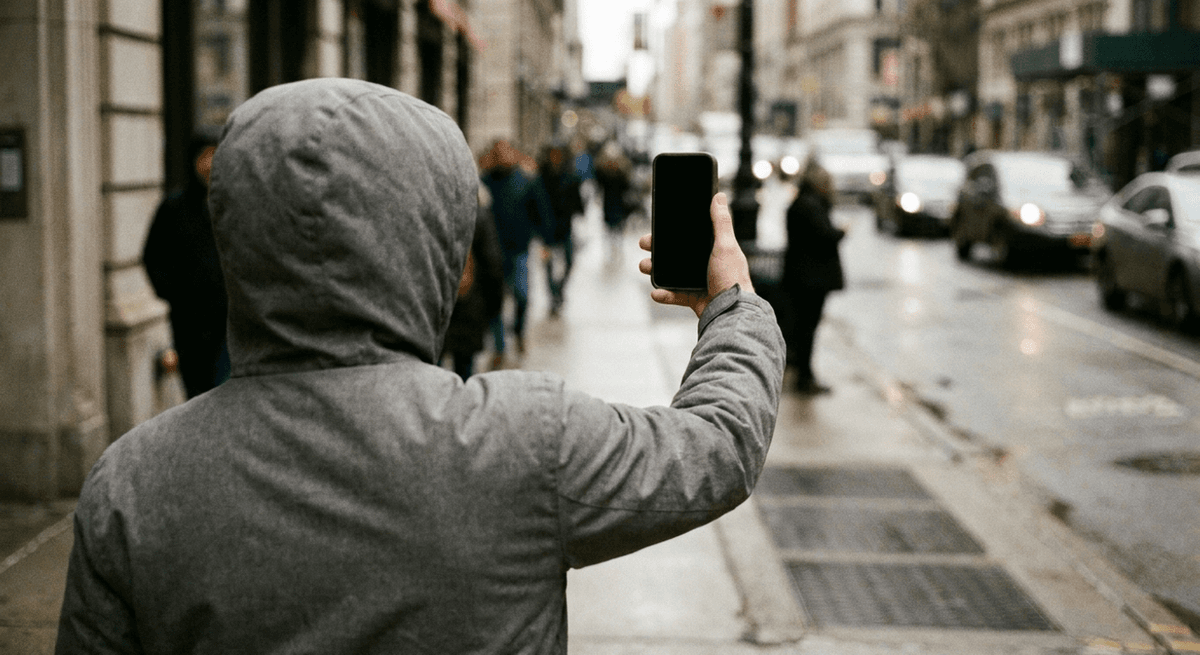
The practical result of this circuit line is that officers cannot order you to stop recording or confiscate your recording device solely because you are recording their conduct in a public space. Recording in a public space does not implicate the consent analysis under most one-party consent state statutes because there is no reasonable expectation of privacy in an officer's public conduct. You must not physically interfere with police operations while recording; courts have uniformly held that the First Amendment right to record does not protect interference with law enforcement activity.
In states that require all-party consent, the recording of police in public is generally analyzed as involving a communication in a public place where neither party has a reasonable expectation of privacy, removing it from the scope of the consent statute. For recording inside a police station or in other non-public spaces, the analysis differs and the applicable consent rules apply.
Federal penalties for illegal recording
Violating the federal Wiretap Act by intercepting a wire, oral, or electronic communication carries criminal penalties under 18 U.S.C. § 2511(4)(a): a fine under Title 18 and imprisonment for up to five years for a first offense. The criminal penalty applies when the interception lacks any valid consent and is not otherwise authorized.
Civil liability under 18 U.S.C. § 2520 allows any aggrieved person to bring a private action for illegal interception. Damages available include: the greater of actual damages or statutory damages of $100 per day for each day of violation with a minimum award of $10,000; punitive damages; and a reasonable attorney's fee and litigation costs. These figures are per violation, not per recording.
State penalties vary substantially. Some states treat violations as misdemeanors; others, including California, treat violations as felonies. Penalties for violations of state wiretap statutes are covered in each state spoke.
Regulator overlay: FCC, DOJ, FTC, and ABA
Four federal regulatory bodies have addressed recording consent in guidance that supplements the statutory baseline.
The FCC has published guidance to the effect that federal law permits one-party consent for telephone call recording in interstate commerce under 18 U.S.C. § 2511(2)(d), but also acknowledges that state laws may impose stricter requirements. The FCC's position is that state telephone recording laws are not preempted by federal wiretap law where they provide greater protections to privacy interests.
The DOJ has addressed interstate call recording in the context of law enforcement guidance. The DOJ takes the position that for interstate calls, compliance with the most restrictive applicable state law is the appropriate standard to avoid federal exposure.
The FTC has issued guidance in the context of telemarketing and call-center recording, stating that businesses must comply with applicable state consent requirements and may not rely solely on the federal one-party consent baseline when operating in or directing calls to all-party consent states.
The ABA addressed recording consent for attorneys in Formal Opinion 01-422 (June 24, 2001) [ABA membership required for full text]. The opinion addresses the proposition that an attorney who records a conversation without disclosing the recording to the other party may act inconsistently with Model Rules of Professional Conduct provisions on candor and fairness, even where state law permits the recording. Attorneys practicing in one-party consent states should consult their state bar's rules before recording client or opposing-party communications.
Disclaimer: The information on this page is general legal information about recording consent laws in the United States. It is not legal advice. Recording laws are jurisdiction-specific, change over time, and interact with federal law in ways that require case-by-case analysis. This article addresses federal law under 18 U.S.C. §§ 2510-2522 and state statutes verified as of May 9, 2026. Laws may have changed after that date. Consult a lawyer licensed in your jurisdiction before recording a conversation in any context where the legal consequences matter to you.
About the author
[PLACEHOLDER: author roster pending]
Sources
See [SourcesList] component. Citation JSONB populated from dossier claims c1-c46, c19b, c47, c_police1, c_workplace1-2, c_penalty1-2, r1-r5, r7, r8 during Phase 12 Supabase UPDATE.
Related articles
- Two-party consent states: complete guide
- United States recording laws: 50-state overview
- Oregon recording laws
- California recording laws
- Federal Wiretap Act: 18 U.S.C. §§ 2510-2522 explained
Last updated: 2026-05-09. Statutes cited reflect their in-force version as of 2026-05-09.
Frequently Asked Questions
What is a one-party consent state?
A one-party consent state allows a participant in a conversation to record it without notifying the other parties. The recorder's own participation in the conversation satisfies the consent requirement under state statute and under 18 U.S.C. § 2511(2)(d) at the federal level. Recording a conversation you are not part of remains illegal in all states.
How many states are one-party consent states?
As of 2026, 37 states plus the District of Columbia follow one-party consent rules, for a total of 38 jurisdictions. Michigan is counted among them: its eavesdropping statute reads all-party on its face, but Sullivan v. Gray's participant exception lets a party to the conversation record without the others' consent. Nevada is not counted, because it requires every party's consent to record a phone call (Lane v. Allstate), even though in-person conversations are one-party. The remaining 13 states (California, Connecticut, Delaware, Florida, Illinois, Maryland, Massachusetts, Montana, Nevada, New Hampshire, Oregon, Pennsylvania, and Washington) require all-party consent for at least some private conversations, though four carry wrinkles worth noting: Connecticut's all-party rule is a civil rule for phone calls, Nevada's covers phone calls only, Oregon's is a notice rule for in-person conversations and video-conference calls rather than phone calls, and Delaware's classification is contested between 11 Del. C. section 2402(c)(4) and section 1335.
Can I record a phone call without telling the other person?
In a one-party consent state, yes. Your participation in the call satisfies the consent requirement. For interstate calls, apply the stricter state's law: if the other party is in an all-party consent state such as California or Florida, you need everyone's consent. Note that Oregon's stricter rule (ORS § 165.540) applies to in-person conversations and video-conference calls, not to phone calls.
What is the federal law on recording conversations?
18 U.S.C. § 2511(2)(d) of the federal Wiretap Act permits a party to a wire, oral, or electronic communication to record it or to consent to its recording by a law enforcement officer. This sets the national floor. States may enact stricter consent requirements but may not permit recording that falls below the federal threshold.
Is it legal to record my boss or employer?
In one-party consent states, recording a conversation with your employer is lawful under the applicable wiretap statute. However, your employer may have a no-recording policy, and violating that policy can result in termination. The NLRB's 2023 Stericycle decision limits blanket no-recording policies where they chill employees' Section 7 NLRA rights, but individual circumstances vary.
What happens when an interstate call crosses a one-party and an all-party consent state?
Courts and the DOJ generally apply the stricter state's law. If either party is in an all-party consent state, you should obtain consent from all parties before recording. The safest practice for any interstate call is to announce the recording at the start and allow all parties to remain on the line, establishing implied consent under both state frameworks.
Does one-party consent apply to video recording?
Most one-party consent state statutes expressly cover wire, oral, and electronic communications, which courts have applied to video calls. For in-person video recording, the analysis involves both the audio consent rules and separate visual-privacy statutes (such as voyeurism and surveillance laws) that may impose additional requirements regardless of the consent framework.
Can I record police officers in public?
Seven federal circuit courts (First, Third, Fifth, Seventh, Ninth, Tenth, and Eleventh) recognize a First Amendment right to record police officers performing their duties in public spaces. The Eighth Circuit has not joined them; in Molina v. Book, 59 F.4th 334 (8th Cir. 2023), it held the right was not clearly established, so its scope is unsettled there. In circuits that do recognize the right, officers cannot order you to stop recording in a public place solely because you are recording their conduct, and you must not physically interfere with police operations. The consent analysis generally does not apply to public conduct where no reasonable expectation of privacy exists.
What are the penalties for illegal recording under federal law?
Criminal penalties under 18 U.S.C. § 2511(4)(a) include a fine and up to five years imprisonment for a first offense. Civil liability under 18 U.S.C. § 2520 includes the greater of actual damages or $100 per day of violation with a $10,000 minimum, plus punitive damages and attorney's fees. State penalties vary and may be more severe; several states treat violations as felonies.
Is Oregon a one-party or all-party consent state?
Oregon applies a split rule, and most online summaries get it backwards. Or. Rev. Stat. § 165.540 requires all participants of an in-person conversation or a video-conference call to be specifically informed before recording, even by a participant. Telephone calls and other telecommunications or radio communications follow the standard one-party rule. The 9th Circuit upheld the in-person notice rule en banc in January 2025.
Can you secretly record a conversation in a one-party consent state?
Yes, subject to important limits. In a one-party consent state, a participant may record a conversation they are in without disclosing the recording to other parties. The recording is not lawful if the sole purpose is to commit a crime or tort against another party (the crime-or-tort exception under 18 U.S.C. § 2511(2)(d)), or if the conversation is between third parties you are not part of.
Is DC a one-party consent jurisdiction?
Yes. D.C. Code § 23-542 permits interception of wire or oral communications by a party to the communication. The District of Columbia follows the federal one-party consent framework. A participant in a conversation in DC may record it without notifying other parties.
Updates
Corrected the Oregon summary: Oregon's rule that every participant must be informed of a recording covers video-conference calls as well as in-person conversations, while phone calls remain one-party.
Corrected Nevada's classification to distinguish in-person recording (one-party under NRS 200.650) from phone calls (functionally all-party after Lane v. Allstate Ins. Co.); added case-law and statutory caveats for Michigan and Delaware's all-party listing and clarified Connecticut's criminal one-party/civil all-party split; corrected the claim that the Eighth Circuit recognizes a First Amendment right to record police (it does not, per Molina v. Book); and fixed New York's table citation from the eavesdropping article's definitions section to the actual offense section, Penal Law 250.05.
Independently fact-checked against the cited primary sources
Governing law re-checked for recent changes
Governing law re-checked for recent changes
Reviewed and approved by an editor
Full rewrite from 892-word stub. Added Nevada to one-party list; added Oregon split-rule callout; upgraded Alaska, Hawaii, Indiana, New Mexico, North Dakota, and West Virginia citations to .gov primary sources; added 38 per-state quick-answer paragraphs; expanded federal framework, regulator overlay, workplace, and police sections; FAQ expanded from 5 to 12 Qs.
Full rewrite from 892-word stub. Added Nevada to one-party list; added Oregon split-rule callout; upgraded Alaska/Hawaii/Indiana/New Mexico/North Dakota/West Virginia citations to .gov primary sources; added 38 per-state quick-answer paragraphs; expanded federal framework, regulator overlay, workplace, and police sections; FAQ expanded from 5 to 12 Qs.
State-by-state comparison
Each state guide below is paired with the governing statute our editors adjudicated for it, held in our own legal record and verified against the official source.
Each statute shown is the same adjudicated anchor its state guide renders, independently verified against primary sources. A dash means not yet adjudicated in our record — never that no law exists.
The Law Behind This Article
This article rests on the statutory provisions below, held in our own legal record and retrieved from the official source. Tap a section to read the operative text.
Alaska Statutes, Title 42. Public Utilities and Carriers and Energy Programs, Chapter 20. Telegraph and Telephone Systems and Cable Lines; Eavesdropping
§ 42.20.310EavesdroppingIn forcecited in 21 of our articles
(a) A person may not (1) use an eavesdropping device to hear or record all or any part of an oral conversation without the consent of a party to the conversation; (2) use or divulge any information which the person knows or reasonably should know was obtained through the illegal use of an eavesdropping device for personal benefit or another's benefit; (3) publish the existence, contents, substance, purport, effect, or meaning of any conversation the person has heard through the illegal use of an eavesdropping device; (4) divulge, or publish the existence, contents, substance, purport, effect, or meaning of any conversation the person has become acquainted with after the person knows or reasonably should know that the conversation and the information contained in the conversation was obtained through the illegal use of an eavesdropping device. (b) In this section eavesdropping device means any device capable of being used to hear or record oral conversation whether the conversation is conducted in person, by telephone, or by any other means; provided that this definition does not include devices used for the restoration of the deaf or hard-of-hearing to normal or partial hearing.
Official text (excerpt) · last checked 2026-09-23 · Read the full text in our law library · Verify at akleg.gov
Code of Alabama 1975, Title 13A: Criminal Code.
§ 13A-11-30Definitions.In forcecited in 22 of our articles
The following definitions apply to this article: (1) EAVESDROP. To overhear, record, amplify or transmit any part of the private communication of others without the consent of at least one of the persons engaged in the communication, except as otherwise provided by law. (2) PRIVATE PLACE. A place where one may reasonably expect to be safe from casual or hostile intrusion or surveillance, but such term does not include a place to which the public or a substantial group of the public has access. (3) SURVEILLANCE. Secret observation of the activities of another person for the purpose of spying upon and invading the privacy of the person observed.
Official text (excerpt) · last checked 2026-07-29 · Read the full text in our law library · Verify at alison.legislature.state.al.us
Cited in 5 court opinions in our collectionLatest citing opinion in our collection: 2024
Opinions citing this section in our collection:
- Stinson v. Larson (Court of Civil Appeals of Alabama 2004, 893 So. 2d 462)“…ons Privacy Act of 1986, 18 U.S.C. §§ 2510 et seq., and Ala. Code 1975, §§ 13A-11-30 and 13A-11-31 (a). We note that the f…”
- Ages Group, LP v. Raytheon Aircraft Co., Inc. (District Court, M.D. Alabama 1998, 22 F. Supp. 2d 1310)“…f at least one of the persons engaged in the communication. Ala. Code § 13A-11-30 (1994). Alabama Code § 13A-11-32, prohi…”
- Bartnicki v. Vopper (Supreme Court of the United States 2001, 532 U.S. 514)“…[1] See 18 U. S. C. § 2511 (1) (1994 ed. and Supp. V); Ala. Code § 13A-11-30 et seq. (1994); Alaska Stat. Ann. §…”
Identified automatically from the court opinions citing this section — not a ranking of which case controls.
Arizona Revised Statutes, Title 13 (Criminal Code), Chapter 30 (EAVESDROPPING AND COMMUNICATIONS)
§ 13-3005Interception of wire, electronic and oral communications; installation of pen register or trap and trace device; classification; exceptionsIn forcecited in 23 of our articles
A. Except as provided in this section and section 13-3012, a person is guilty of a class 5 felony who either: 1. Intentionally intercepts a wire or electronic communication to which he is not a party, or aids, authorizes, employs, procures or permits another to so do, without the consent of either a sender or receiver thereof. 2. Intentionally intercepts a conversation or discussion at which he is not present, or aids, authorizes, employs, procures or permits another to so do, without the consent of a party to such conversation or discussion. 3. Intentionally intercepts the deliberations of a jury or aids, authorizes, employs, procures or permits another to so do. B. Except as provided in sections 13-3012 and 13-3017, a person who intentionally and without lawful authority installs or uses a pen register or trap and trace device on the telephone lines or communications facilities of another person which are utilized for wire or electronic communication is guilty of a class 6 felony.
Official text (excerpt) · last checked 2026-08-31 · Read the full text in our law library · Verify at azleg.gov
Cited in 7 court opinions in our collectionLatest citing opinion in our collection: 2025
In the courts (editorial summary, independently checked):State v. Morrison (2002) held that 13-3005 criminalizes unlawful interception but provides no exclusionary remedy, so a recording made in violation of it is not automatically inadmissible. State v. Hauss (1984) held the section inapplicable to a police station interview room talk where no reasonable expectation of privacy existed.
Opinions citing this section in our collection:
- State v. Morrison (Court of Appeals of Arizona 2002, 203 Ariz. 489)“…ause it was made without his or her consent in violation of A.R.S. § 13-3005 and 18 U.S.C. § 2511 and was, therefo…”
- State v. Hauss (Court of Appeals of Arizona 1984, 142 Ariz. 159)✓Police secretly recorded an arrested suspect's talk with his girlfriend in a station interview room, after telling her the room was being monitored; the court held there was no reasonable expectation of privacy in that setting, so section 13-3005 did not apply.
- State v. Allgood (Court of Appeals of Arizona 1992, 171 Ariz. 522)“…communication.” (Emphasis added.) See also A.R.S. § 13-3005. (penalizing as a class 5 felony interc…”
Identified automatically from the court opinions citing this section — not a ranking of which case controls.
Code of the District of Columbia, Title 23: Criminal Procedure. - Chapter 5: Warrants and Arrests. - Subchapter III: Wire Interception and Interception of Oral Communications.
§ 23-542Interception, disclosure, and use of wire or oral communications prohibited.In forcecited in 22 of our articles
(a) Except as otherwise specifically provided in this subchapter, any person who in the District of Columbia — (1) willfully intercepts, endeavors to intercept, or procures any other person to intercept or endeavor to intercept any wire or oral communication; (2) willfully discloses or endeavors to disclose to any other person the contents of any wire or oral communication, or evidence derived therefrom, knowing or having reason to know that the information was obtained through the interception of a wire or oral communication; or (3) willfully uses or endeavors to use the contents of any wire or oral communication, or evidence derived therefrom, knowing or having reason to know, that the information was obtained through the interception of a wire or oral communication; shall be fined not more than the amount set forth in [§ 22-3571.01] or imprisoned not more than five years, or both; except that paragraphs (2) and (3) of this subsection shall not apply to the contents of any wire or oral communication, or evidence derived therefrom, that has become common knowledge or public information.
Official text (excerpt) · last checked 2026-09-23 · Read the full text in our law library · Verify at github.com
Cited in 16 court opinions in our collectionLatest citing opinion in our collection: 2024
In the courts (editorial summary, independently checked):District of Columbia courts have construed the one-party consent provision of D.C. Code 23-542(b)(2). United States v. Sell (1985) held the consent must be voluntary, the government meeting its burden by showing the party cooperated knowing what officers were doing. Thomas v. United States (2017) applied it to an interstate call.
Opinions citing this section in our collection:
- United States v. Sell (District of Columbia Court of Appeals 1985, 487 A.2d 225)✓Police recorded a woman's calls with an officer she accused of coercing sex acts. Construing the one-party consent provision for the first time, the court held the government need only show she cooperated knowing what police were doing, and reversed the suppression order.
- David Thomas v. United States (District of Columbia Court of Appeals 2017)“…s. & .lud. Proc. § 10- 402 [c)(.'£)(ii) (West 2015). Under D.C. Code § 23-542." the legislature has clearly defined w…”
- Thomas v. United States (District of Columbia Court of Appeals 2017, 171 A.3d 151)✓Police in the District recorded a call between a voyeurism victim and the defendant, who was in Maryland and did not consent. The court held this section governs admissibility in District courts and does not incorporate Maryland's two-party rule, so suppression was denied.
Identified automatically from the court opinions citing this section — not a ranking of which case controls.
Florida Statutes
§ 934.03Interception and disclosure of wire, oral, or electronic communications prohibited.In forcecited in 53 of our articles
(1) Except as otherwise specifically provided in this chapter, any person who:(a) Intentionally intercepts, endeavors to intercept, or procures any other person to intercept or endeavor to intercept any wire, oral, or electronic communication; (b) Intentionally uses, endeavors to use, or procures any other person to use or endeavor to use any electronic, mechanical, or other device to intercept any oral communication when:1. Such device is affixed to, or otherwise transmits a signal through, a wire, cable, or other like connection used in wire communication; or 2.
Official text (excerpt) · last checked 2026-09-23 · Read the full text in our law library · Verify at leg.state.fl.us
Cited in 74 court opinions in our collectionLatest citing opinion in our collection: 2026
In the courts (editorial summary, independently checked):State v. Walls (1978) held that recording an in-home oral communication without the consent of all parties violated section 934.03 and required suppression, and State v. Inciarrano (1985) held the statute protects only communications uttered with a reasonable expectation of privacy.
Opinions citing this section in our collection:
- State v. Walls (Supreme Court of Florida 1978, 356 So. 2d 294)✓An extortion victim secretly recorded threats made to him in his own home; the court held that was a protected oral communication, that recording it without every party's consent violated Section 934.03, and that Section 934.06 barred using the tape as evidence.
- SHARRON TASHA FORD v. CITY OF BOYNTON BEACH (District Court of Appeal of Florida 2021)“…ng oral communications in violation of the wiretap statute, section 934.03, Florida Statutes (2009), and for obstructing without vio…”
- State v. Calhoun (Circuit Court for the Judicial Circuits of Florida 1984, 7 Fla. Supp. 2d 3)“…hall not be violated” . . . (emphasis mine) Furthermore, section 934.03, Florida Statutes, makes it unlawful for *6 any person (…”
Identified automatically from the court opinions citing this section — not a ranking of which case controls.
Minnesota Statutes, Chapter 626A: WIRE, ELECTRONIC, OR ORAL COMMUNICATIONS; INTERCEPTION
§ 626A.02INTERCEPTION AND DISCLOSURE OF WIRE, ELECTRONIC, OR ORAL COMMUNICATIONS PROHIBITEDIn forcecited in 19 of our articles
Subdivision 1. Offenses. Except as otherwise specifically provided in this chapter any person who: (1) intentionally intercepts, endeavors to intercept, or procures any other person to intercept or endeavor to intercept, any wire, electronic, or oral communication; (2) intentionally uses, endeavors to use, or procures any other person to use or endeavor to use any electronic, mechanical, or other device to intercept any oral communication when: (i) such device is affixed to, or otherwise transmits a signal through, a wire, cable, or other like connection used in wire communication; or (ii) such device transmits communications by radio, or interferes with the transmission of such communication; (3) intentionally discloses, or endeavors to disclose, to any other person the contents of any wire, electronic, or oral communication, knowing or having reason to know that the information was obtained through the interception of a wire, electronic, or oral communication in violation of this subdivision; or (4) intentionally uses, or endeavors to use, the contents of any wire, electronic, or oral communication, knowing or having reason to know that the information was obtained through the…
Official text (excerpt) · last checked 2026-09-23 · Read the full text in our law library · Verify at revisor.mn.gov
Cited in 20 court opinions in our collectionLatest citing opinion in our collection: 2025
In the courts (editorial summary, independently checked):Copeland v. Hubbard Broadcasting, Inc. (1995) applied the 626A.02 party exemption, finding a secret recording made for commercial newsgathering was not intercepted for the purpose of a tortious act. State v. Page (1986) held an officer's use of a regular telephone extension in the ordinary course of duty was not an interception.
Opinions citing this section in our collection:
- Copeland v. Hubbard Broadcasting, Inc. (Court of Appeals of Minnesota 1995, 526 N.W.2d 402)“…l to the federal wiretapping statutes. Compare Minn.Stat. § 626A.02, subd. 1 (1992), with 18…”
- State v. Page (Court of Appeals of Minnesota 1986, 386 N.W.2d 330)“…g rule applies. See 18 U.S.C. § 2511 (1982); Minn.Stat. § 626A.02 (1984). The federal rule makes it unlaw…”
- State v. Olkon (Supreme Court of Minnesota 1980, 299 N.W.2d 89)✓An undercover deputy posing as an injury client taped his calls and office meetings with a lawyer later convicted of attempted theft by swindle; the court rejected suppression, holding one party's consent meant no warrant was needed, citing the statute's consent exception.
Identified automatically from the court opinions citing this section — not a ranking of which case controls.
Nevada Revised Statutes, Chapter 200: CRIMES AGAINST THE PERSON
§ 200.620Interception and attempted interception of wire communication prohibited; exceptions.In forcecited in 38 of our articles
1. Except as otherwise provided in subsection 5 and NRS 179.410 to 179.515, inclusive, 209.419 and 704.195, it is unlawful for any person to intercept or attempt to intercept any wire communication unless: (a) The interception or attempted interception is made with the prior consent of one of the parties to the communication; and (b) An emergency situation exists and it is impractical to obtain a court order as required by NRS 179.410 to 179.515, inclusive, before the interception, in which event the interception is subject to the requirements of subsection 3. If the application for ratification is denied, any use or disclosure of the information so intercepted is unlawful, and the person who made the interception shall notify the sender and the receiver of the communication that: (1) The communication was intercepted; and (2) Upon application to the court, ratification of the interception was denied.
Official text (excerpt) · last checked 2026-08-28 · Read the full text in our law library · Verify at leg.state.nv.us
Cited in 18 court opinions in our collectionLatest citing opinion in our collection: 2025
In the courts (editorial summary, independently checked):Nevada reads NRS 200.620 as an all-party consent rule for phone recording, with a territorial limit. Lane v. Allstate Insurance held a participant who taped his own calls without the other parties' consent violated it; DITECH FINANCIAL, LLC VS. BUCKLES held it does not reach calls recorded from outside Nevada.
Opinions citing this section in our collection:
- Lane v. Allstate Insurance (Nevada Supreme Court 1998, 114 Nev. 1176)✓A former employee secretly taped hundreds of his own phone calls with his ex-employer's staff to build his suit; the court held NRS 200.620 bars recording a call without every party's consent, so the tapes were excluded and the dismissal of his suit was reversed.
- State v. Reyes (Nevada Supreme Court 1991, 107 Nev. 191)✓Police had an interpreter listen on a station extension phone while an informant set up a drug buy; the court held that officers' use of regularly installed telephone equipment in the ordinary course of their duties is not an interception under NRS 200.620.
- ABID VS. ABID (CHILD CUSTODY) (Nevada Supreme Court 2017, 2017 NV 94)“…corded phone conversations in violation of NRS 200.620 to obtain evidence to support tort…”
Identified automatically from the court opinions citing this section — not a ranking of which case controls.
§ 200.650Unauthorized, surreptitious intrusion of privacy by listening device prohibited.In forcecited in 25 of our articles
Except as otherwise provided in NRS 179.410 to 179.515, inclusive, and 704.195, a person shall not intrude upon the privacy of other persons by surreptitiously listening to, monitoring or recording, or attempting to listen to, monitor or record, by means of any mechanical, electronic or other listening device, any private conversation engaged in by the other persons, or disclose the existence, content, substance, purport, effect or meaning of any conversation so listened to, monitored or recorded, unless authorized to do so by one of the persons engaging in the conversation.
Official text (excerpt) · last checked 2026-08-26 · Read the full text in our law library · Verify at leg.state.nv.us
Cited in 13 court opinions in our collectionLatest citing opinion in our collection: 2025
In the courts (editorial summary, independently checked):Nevada courts read NRS 200.650 to permit a recording authorized by a participant. Summers v. State (1986) upheld a body-wire recording because the informant taking part in the conversation authorized it. Abid v. Abid (2017) held the section carries no suppression rule, so a custody expert could consider recordings made in violation of it.
Opinions citing this section in our collection:
- Lane v. Allstate Insurance (Nevada Supreme Court 1998, 114 Nev. 1176)✓A former employee secretly taped hundreds of phone calls with company personnel; the court read NRS 200.650 as allowing in-person private conversations to be recorded when one participant authorizes it, and contrasted that in holding NRS 200.620 bars one-party taping of calls.
- Summers v. State (Nevada Supreme Court 1986, 102 Nev. 195)✓Police taped a transmitter to an informant, who recorded his conversation with Summers about the murder guns; the court held such a recording needs no court order so long as the authorization requirement of NRS 200.650 is met, and the informant had authorized it.
- ABID VS. ABID (CHILD CUSTODY) (Nevada Supreme Court 2017, 2017 NV 94)“…to this recording, the father's actions likely violated NRS 200.650, which prohibits the…”
Identified automatically from the court opinions citing this section — not a ranking of which case controls.
Oregon Revised Statutes, Chapter 165: Offenses Involving Fraud or Deception
§ 165.540Obtaining contents of communicationsIn forcecited in 49 of our articles
(1) Except as otherwise provided in ORS 133.724 or 133.726 or subsections (2) to (8) of this section, a person may not: (a) Obtain or attempt to obtain the whole or any part of a telecommunication or a radio communication to which the person is not a participant, by means of any device, contrivance, machine or apparatus, whether electrical, mechanical, manual or otherwise, unless consent is given by at least one participant. (b) Tamper with the wires, connections, boxes, fuses, circuits, lines or any other equipment or facilities of a telecommunication or radio communication company over which messages are transmitted, with the intent to obtain unlawfully the contents of a telecommunication or radio communication to which the person is not a participant. (c) Obtain or attempt to obtain the whole or any part of a conversation by means of any device, contrivance, machine or apparatus, whether electrical, mechanical, manual or otherwise, if not all participants in the conversation are specifically informed that their conversation is being obtained.
Official text (excerpt) · last checked 2026-09-24 · Read the full text in our law library · Verify at oregonlegislature.gov
Cited in 76 court opinions in our collectionLatest citing opinion in our collection: 2026
In the courts (editorial summary, independently checked):State v. Fleetwood (2000) applied ORS 165.540 to body wire evidence, holding that words spoken into a telephone are a telecommunication under subsection (1)(a) and that the (5)(a)(B) exception fails unless the officer or the officer's agent shares reciprocally in the conversation, so the recordings were inadmissible.
Opinions citing this section in our collection:
- State v. Klein (Oregon Supreme Court 2012, 352 Or. 302)“…eing 3 recorded. Conversations recorded in violation of ORS 165.540 are not admissible in 4 court excep…”
- North Pacific Lumber Co. v. Oliver (Oregon Supreme Court 1979, 286 Or. 639)✓A lumber wholesaler secretly monitored traders' calls; on de novo review the court said the practice may have violated ORS 165.540 but refused to rest unclean hands on it, since the ex-employee's calls were never monitored. The employer's noncompete suit failed on other grounds.
- State v. Fleetwood (Oregon Supreme Court 2000, 331 Or. 511)✓A detective wired an informant and recorded the suspect's side of a phone call and his talks with his mother and a juvenile seller; the court held those interceptions violated ORS 165.540(1)(a) and (1)(c) because the informant was not a participant, and upheld suppression.
Identified automatically from the court opinions citing this section — not a ranking of which case controls.
Texas Penal Code
§ 16.02UNLAWFUL INTERCEPTION, USE, OR DISCLOSURE OF WIRE, ORAL, OR ELECTRONIC COMMUNICATIONSIn forcecited in 17 of our articles
(a) In this section: (1) "Communication common carrier," "computer trespasser," "contents," "covert entry," "electronic communication," "intercept," "interception device," "investigative or law enforcement officer," "oral communication," "protected computer," and "wire communication" have the meanings assigned by Article 18A.001, Code of Criminal Procedure. (2) "Immediate life-threatening situation" and "member of a law enforcement unit specially trained to respond to and deal with life-threatening situations" have the meanings assigned by Article 18A.201, Code of Criminal Procedure.
Official text (excerpt) · last checked 2026-09-24 · Read the full text in our law library · Verify at statutes.capitol.texas.gov
Cited in 39 court opinions in our collectionLatest citing opinion in our collection: 2026
In the courts (editorial summary, independently checked):Texas courts have applied Section 16.02 to contested recordings. Long v. State (2017) held the oral communication definition carries a reasonable expectation of privacy test, sustaining a conviction over a covert locker room recording. Banargent v. State (2007) held a jail inmate impliedly consented, so no Section 16.02 violation.
Opinions citing this section in our collection:
- Banargent v. State (Texas Court of Appeals, 14th District (Houston) 2007, 228 S.W.3d 393)✓Jail phone prompts and posted notices warned that calls could be recorded, and a recorded call captured the defendant admitting he stabbed the victim; the court held he impliedly consented, so the recording did not violate Section 16.02.
- Long v. State (Court of Criminal Appeals of Texas 2017, 535 S.W.3d 511)✓A school board member had her daughter hide a phone in a visiting locker room to record the coach's halftime speech and sent it to the board; the court held Section 16.02's 'oral communication' incorporates the expectation of privacy test, which the coach met.
- Siddiq v. State (Court of Appeals of Texas 2016, 502 S.W.3d 387)✓Police automatically recorded a DWI arrestee's call to his father from the jail book-in desk, capturing him saying he was drunk; the court applied the law enforcement exception to hold the recording did not violate Section 16.02, so admitting it was not error.
Identified automatically from the court opinions citing this section — not a ranking of which case controls.
Code of Virginia, Title 19.2: Criminal Procedure
§ 19.2-62Interception, disclosure, etc., of wire, electronic or oral communications unlawful; penalties; exceptionsIn forcecited in 21 of our articles
A. Except as otherwise specifically provided in this chapter any person who: 1. Intentionally intercepts, endeavors to intercept or procures any other person to intercept or endeavor to intercept, any wire, electronic or oral communication; 2. Intentionally uses, endeavors to use, or procures any other person to use or endeavor to use any electronic, mechanical or other device to intercept any oral communication; 3. Intentionally discloses, or endeavors to disclose, to any other person the contents of any wire, electronic or oral communication knowing or having reason to know that the information was obtained through the interception of a wire, electronic or oral communication; or 4. Intentionally uses, or endeavors to use, the contents of any wire, electronic or oral communication, knowing or having reason to know that the information was obtained through the interception of a wire, electronic or oral communication; shall be guilty of a Class 6 felony. B. 1.
Official text (excerpt) · last checked 2026-09-24 · Read the full text in our law library · Verify at law.lis.virginia.gov
Cited in 11 court opinions in our collectionLatest citing opinion in our collection: 2025
In the courts (editorial summary, independently checked):Courts read Section 19.2-62 in step with the federal wiretap act. Global Policy Partners, LLC v. Yessin (2009) held that accessing email stored on a destination server is not an intercept, and Wilks v. Commonwealth (1977) held a conversation police recorded through a cooperating coconspirator was not a protected oral communication.
Opinions citing this section in our collection:
- Belmer v. Commonwealth (Court of Appeals of Virginia 2001, 36 Va. App. 448)✓A juvenile arrested for robbery whispered to his mother's boyfriend in a police interview room while a detective listened in; the court found no reasonable expectation of privacy, so Chapter 6, which carries the Section 19.2-62 ban, did not bar the detective's testimony.
- Wilks v. Commonwealth (Supreme Court of Virginia 1977, 217 Va. 885)✓An arson conspirator agreed to be wired and drew the defendant into a taped shop-talk about the fires; the court held the defendant had no justifiable expectation of noninterception, so the talk was not an oral communication protected by Chapter 6 and the tape was admissible.
- Bartnicki v. Vopper (Supreme Court of the United States 2001, 532 U.S. 514)“…16.02 (Supp. 2001); Utah Code Ann. § 77 23a4 (1982); Va. Code Ann. § 19.2-62 (1995); W. Va. Code § 62 -1D-3 (2000)…”
Identified automatically from the court opinions citing this section — not a ranking of which case controls.
Wisconsin Statutes, Chapter 968: Commencement Of Criminal Proceedings
§ 968.31Interception and disclosure of wire, electronic or oral communications prohibited.In forcecited in 22 of our articles
(1) Except as otherwise specifically provided in ss. 196.63 or 968.28 to 968.30, whoever commits any of the acts enumerated in this section is guilty of a Class H felony: (a) Intentionally intercepts, attempts to intercept or procures any other person to intercept or attempt to intercept, any wire, electronic or oral communication. (b) Intentionally uses, attempts to use or procures any other person to use or attempt to use any electronic, mechanical or other device to intercept any oral communication. (c) Discloses, or attempts to disclose, to any other person the contents of any wire, electronic or oral communication, knowing or having reason to know that the information was obtained through the interception of a wire, electronic or oral communication in violation of this section or under circumstances constituting violation of this section. (d) Uses, or attempts to use, the contents of any wire, electronic or oral communication, knowing or having reason to know that the information was obtained through the interception of a wire, electronic or oral communication in violation of this section or under circumstances constituting violation of this section.
Official text (excerpt) · last checked 2026-09-24 · Read the full text in our law library · Verify at docs.legis.wisconsin.gov
Cited in 23 court opinions in our collectionLatest citing opinion in our collection: 2026
In the courts (editorial summary, independently checked):State v. Maloney held recordings made with one party's prior consent fall under Section 968.31(2)(b) and (c), and that aiding a police sting is not an "injurious act." State v. Gilmore pointed to 968.31(2m) damages and 968.31(1)(e) penalties, reserving suppression for illegal interceptions.
Opinions citing this section in our collection:
- State v. Maloney (Wisconsin Supreme Court 2005, 281 Wis. 2d 595)✓A homicide suspect's girlfriend let police record her hotel room conversations with him in Las Vegas; the court held the videotapes lawful under 968.31(2)(b) and (c) because she was a consenting party, and that helping a lawful sting is not an injurious act.
- State v. Popenhagen (Wisconsin Supreme Court 2008, 309 Wis. 2d 601)“…Arnold, 51 Wis.2d at 442 , 187 N.W.2d 354 (citing Wis. Stat. § 968.31 (2)(b)). However, in considering all th…”
- State v. Gilmore (Wisconsin Supreme Court 1996, 201 Wis. 2d 820)✓Prosecutors filed a public complaint quoting 27 pages of lawfully wiretapped calls; the court held the unsealed filing violated the surveillance law but refused suppression, pointing to the civil action in 968.31(2m) and the criminal penalty in 968.31(1)(e) as the remedies.
Identified automatically from the court opinions citing this section — not a ranking of which case controls.
West Virginia Code
§ 62-1D-3Interception of communications generally.In forcecited in 36 of our articles
(a) Except as otherwise specifically provided in this article it is unlawful for any person to: (1) Intentionally intercept, attempt to intercept or procure any other person to intercept or attempt to intercept, any wire, oral or electronic communication; or (2) Intentionally disclose or intentionally attempt to disclose to any other person the contents of any wire, oral or electronic communication, knowing or having reason to know that the information was obtained through the interception of a wire, oral or electronic communication in violation of this article; and (3) Intentionally use or disclose or intentionally attempt to use or disclose the contents of any wire, oral or electronic communication or the identity of any party thereto, knowing or having reason to know that such information was obtained through the interception of a wire, oral or electronic communication in violation of this article. (b) Any person who violates subsection (a) of this section is guilty of a felony and, upon conviction thereof, shall be imprisoned in the penitentiary for not more than five years or fined not more than $10,000 or both fined and imprisoned.
Official text (excerpt) · last checked 2026-09-24 · Read the full text in our law library · Verify at code.wvlegislature.gov
Cited in 1 court opinions in our collectionLatest citing opinion in our collection: 1999
Opinions citing this section in our collection:
- Bartnicki v. Vopper (Court of Appeals for the Third Circuit 1999, 200 F.3d 109)“…77 -23a-4, 77-23a-11; Va. Code Ann. §§ 19.2-62 , 19.2-69; W. Va.Code §§ 62-1D-3, 62-1D-12; Wis. Stat. § 968.31 ; Wyo.…”
Identified automatically from the court opinions citing this section — not a ranking of which case controls.
United States Code Title 18
§ 2511Interception and disclosure of wire, oral, or electronic communications prohibitedIn forcecited in 441 of our articles
Except as otherwise specifically provided in this chapter any person who— intentionally intercepts, endeavors to intercept, or procures any other person to intercept or endeavor to intercept, any wire, oral, or electronic communication; intentionally uses, endeavors to use, or procures any other person to use or endeavor to use any electronic, mechanical, or other device to intercept any oral communication when— such device is affixed to, or otherwise transmits a signal through, a wire, cable, or other like connection used in wire communication; or such device transmits communications by radio, or interferes with the transmission of such communication; or such person knows, or has reason to know, that such device or any component thereof has been sent through the mail or transported in interstate or foreign commerce; or such use or endeavor to use (A) takes place on the premises of any business or other commercial establishment the operations of which affect interstate or foreign commerce; or (B) obtains or is for the purpose of obtaining information relating to the operations of any business or other commercial establishment the operations of which affect interstate or foreign…
Official text (excerpt) · last checked 2026-09-17 · Read the full text in our law library · Verify at uscode.house.gov
Cited in 2,045 court opinions in our collectionLatest citing opinion in our collection: 2026
In the courts (editorial summary, independently checked):Griggs-Ryan v. Smith (1990) applied the Section 2511(2)(d) prior-consent exception, treating a tenant repeatedly told that all incoming calls were taped as having impliedly consented. United States v. United States District Court (1972) read the then-current Section 2511(3) as conferring no presidential surveillance power.
Opinions citing this section in our collection:
- Mitchell v. Forsyth (Supreme Court of the United States 1985, 472 U.S. 511)✓The Attorney General authorized a warrantless 1970 national security wiretap that caught the plaintiff's calls; the Court held the since-repealed Section 2511(3) disclaimer left the tap lawful under Title III, and that Mitchell had qualified immunity.
- United States v. United States District Court for the Eastern District of Michigan (Supreme Court of the United States 1972, 407 U.S. 297)✓The Attorney General approved warrantless wiretaps on members of a domestic group accused of bombing a CIA office; the Court read Section 2511(3) as a congressional disclaimer conferring no surveillance power, then held the Fourth Amendment required prior judicial approval.
- Forsyth v. Barr (Court of Appeals for the Fifth Circuit 1994, 19 F.3d 1527)✓Dallas police used, in an internal affairs probe of an officer, calls private parties allegedly intercepted illegally; assuming that was unlawful, the Fifth Circuit held Section 2517(1) and (2) allowed the disclosure and use, defeating the Section 2511(1)(c) and (d) claims.
Identified automatically from the court opinions citing this section — not a ranking of which case controls.
§ 2520Recovery of civil damages authorizedIn forcecited in 130 of our articles
Except as provided in section 2511(2)(a)(ii), any person whose wire, oral, or electronic communication is intercepted, disclosed, or intentionally used in violation of this chapter may in a civil action recover from the person or entity, other than the United States, which engaged in that violation such relief as may be appropriate. In an action under this section, appropriate relief includes— such preliminary and other equitable or declaratory relief as may be appropriate; damages under subsection (c) and punitive damages in appropriate cases; and a reasonable attorney’s fee and other litigation costs reasonably incurred.
Official text (excerpt) · last checked 2026-07-28 · Read the full text in our law library · Verify at uscode.house.gov
Cited in 860 court opinions in our collectionLatest citing opinion in our collection: 2026
In the courts (editorial summary, independently checked):Walker v. Darby (1990) held a 2520 plaintiff need not prove the contents of intercepted conversations, only interception and a justified expectation against it. Bartnicki v. Vopper (2001) barred 2520 damages against defendants who took no part in the interception, obtained the tape lawfully, and disclosed a matter of public concern.
Opinions citing this section in our collection:
- Jessie Walker v. Thomas E. Darby, Hugh L. Robinson, Jr., and Kenneth Day (Court of Appeals for the Eleventh Circuit 1990, 911 F.2d 1573)✓A postal letter carrier said three supervisors wired an intercom near his workstation to listen in. Reversing summary judgment, the Eleventh Circuit held a section 2520 plaintiff can show interception without proving the contents of specific conversations.
- Gelbard v. United States (Supreme Court of the United States 1972, 408 U.S. 41)“…disclosure, or use is entitled to recover civil damages, 18 U. S. C. § 2520 . Title III also bars the use as eviden…”
- DirecTV, Inc. v. Hoa Huynh (Court of Appeals for the Ninth Circuit 2007, 503 F.3d 847)“…7 U.S.C. § 605 (e)(4), or alternatively, for violations of 18 U.S.C. § 2520 (a), or alternatively, for violations o…”
Identified automatically from the court opinions citing this section — not a ranking of which case controls.
United States Code Title 29
§ 157Right of employees as to organization, collective bargaining, etc.In forcecited in 9 of our articles
Employees shall have the right to self-organization, to form, join, or assist labor organizations, to bargain collectively through representatives of their own choosing, and to engage in other concerted activities for the purpose of collective bargaining or other mutual aid or protection, and shall also have the right to refrain from any or all of such activities except to the extent that such right may be affected by an agreement requiring membership in a labor organization as a condition of employment as authorized in section 158(a)(3) of this title.
Official text (excerpt) · last checked 2026-07-28 · Read the full text in our law library · Verify at uscode.house.gov
Cited in 3,557 court opinions in our collectionLatest citing opinion in our collection: 2026
Opinions citing this section in our collection:
- Abood v. Detroit Board of Education (Supreme Court of the United States 1977, 431 U.S. 209)“…tively, Mich. Comp. Laws §§ 423.209 , 423.215 (1970); see 29 U. S. C. § 157 ; 45 U. S. C. § 152 Fourth; and the r…”
- National Labor Relations Board v. Bell Aerospace Co. (Supreme Court of the United States 1974, 416 U.S. 267)“…the National Labor Relations Act. Section 7 of the Act, 29 U. S. C. § 157 , provides that “[ejmployees shall have…”
- Epic Systems Corp. v. Lewis (Supreme Court of the United States 2018, 584 U.S. 497)“…llective bargaining or other mutual aid or protection,” 29 U. S. C. §157. But §7 focuses on the right to orga…”
Identified automatically from the court opinions citing this section — not a ranking of which case controls.
Search our full record of US law — 2.1 million sections, every state + federal →
Sources and References
- 18 U.S.C. § 2511(2)(d): Federal Wiretap Act consent exception(govinfo.gov).gov
- 18 U.S.C. § 2520: Federal civil remedy for illegal interception(law.cornell.edu)
- Katz v. United States, 389 U.S. 347 (1967)(supreme.justia.com)
- Bartnicki v. Vopper, 532 U.S. 514 (2001)(supreme.justia.com)
- Stericycle, Inc., 372 NLRB No. 113 (2023)(nlrb.gov).gov
- 29 U.S.C. § 157: NLRA Section 7(uscode.house.gov).gov
- Ala. Code § 13A-11-30(law.justia.com)
- Alaska Stat. § 42.20.310(akleg.gov).gov
- Ariz. Rev. Stat. § 13-3005(azleg.gov).gov
- D.C. Code § 23-542(code.dccouncil.gov).gov
- Haw. Rev. Stat. § 803-42(capitol.hawaii.gov).gov
- Haw. Rev. Stat. § 711-1111(capitol.hawaii.gov).gov
- Iowa Code § 808B.2(legis.iowa.gov).gov
- N.C. Gen. Stat. § 15A-287(ncleg.net).gov
- N.D. Cent. Code § 12.1-15-02(ndlegis.gov).gov
- Okla. Stat. tit. 13, § 176.4(oscn.net).gov
- S.C. Code § 17-30-30(scstatehouse.gov).gov
- Tex. Penal Code § 16.02(statutes.capitol.texas.gov).gov
- Va. Code § 19.2-62(law.lis.virginia.gov).gov
- Wis. Stat. § 968.31(docs.legis.wisconsin.gov).gov
- Or. Rev. Stat. § 165.540(oregonlegislature.gov).gov
- FCC Consumer Guide: Recording Telephone Calls(fcc.gov).gov
- 47 C.F.R. § 64.501(ecfr.gov).gov
- DOJ Justice Manual § 9-7.302 (Consensual Monitoring)(justice.gov).gov
- FTC Telemarketing Sales Rule (16 C.F.R. Part 310)(ftc.gov).gov
- ABA Formal Op. 01-422 (June 24, 2001) [ABA membership required](americanbar.org)
- State v. Roudybush, 686 P.2d 100 (Kan. 1984)
- Florida AGO 2002-56 (Aug. 21, 2002)(myfloridalegal.com).gov