Ohio Lemon Law: Your Complete Legal Guide
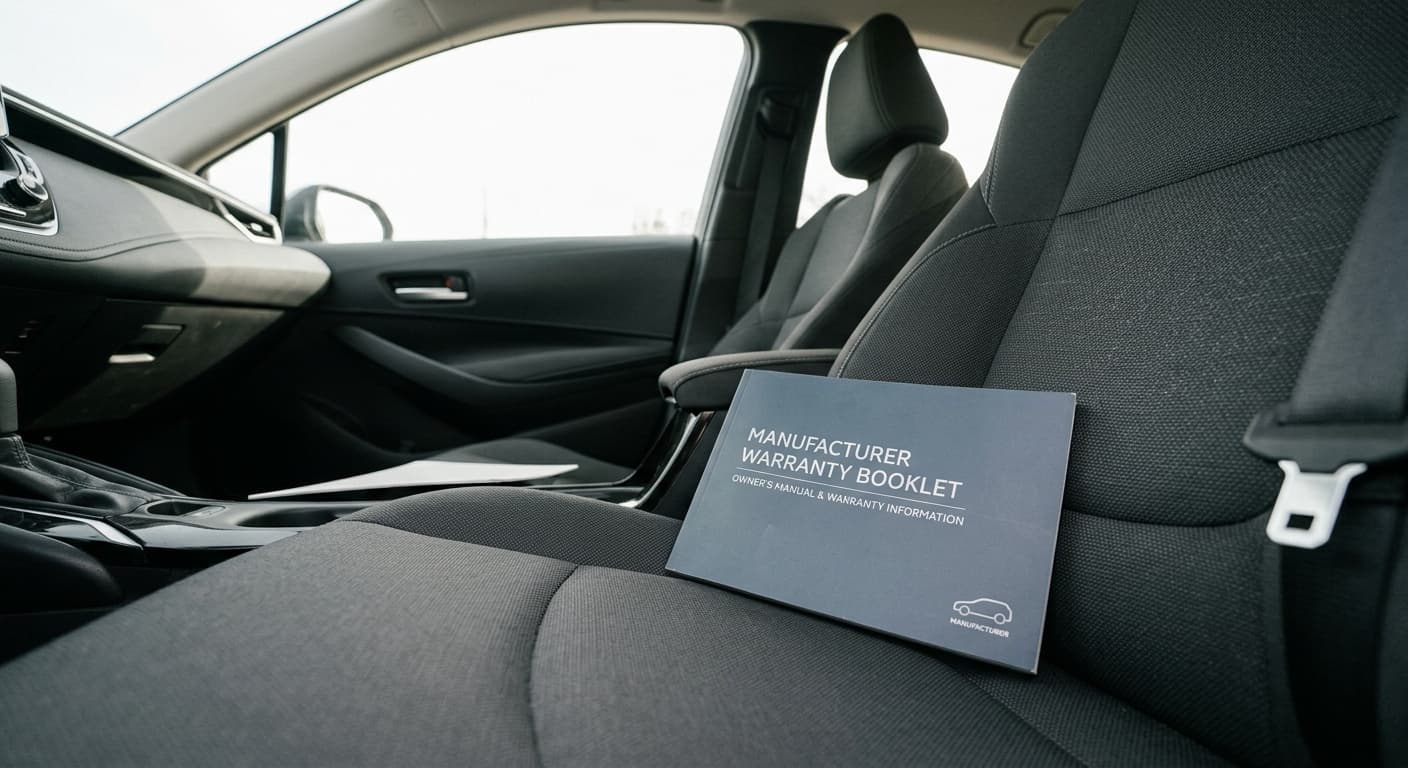
Ohio's Lemon Law protects consumers who purchase or lease new motor vehicles that fail to meet the manufacturer's express warranty. Codified in Ohio Revised Code Sections 1345.71 through 1345.77, this law gives buyers the right to a full refund or replacement vehicle when the manufacturer cannot fix a substantial defect after a reasonable number of repair attempts.
This guide covers every part of the process, from which vehicles qualify to how the arbitration and court systems work.
What Vehicles Does Ohio's Lemon Law Cover?
Ohio's Lemon Law applies to new motor vehicles purchased or leased in the state for noncommercial purposes. The Ohio Attorney General's office confirms coverage extends to several vehicle types.
Covered Vehicles
- New passenger cars (sedans, coupes, hatchbacks)
- Noncommercial motor vehicles (SUVs, vans, minivans)
- Pickup trucks used for personal purposes
- Motorcycles
- Portions of motorhomes designed for transporting passengers (chassis, drivetrain, engine)
- Leased vehicles used for noncommercial purposes
- Electric vehicles and hybrids (covered under the same rules as gasoline-powered vehicles)
Vehicles Not Covered
- Used vehicles (unless still within the original 1-year/18,000-mile window)
- Commercial vehicles used primarily for business
- The living quarters of motorhomes (sleeping, cooking, and cold storage areas)
- Off-road vehicles not designed for highway use
- Vehicles with a gross vehicle weight rating over 10,000 pounds
Electric vehicles and plug-in hybrids receive the same protections as traditional gasoline vehicles. Battery defects, charging system failures, and software malfunctions that substantially impair the vehicle's use, safety, or value all qualify as nonconformities under the statute.
What Qualifies as a "Lemon" in Ohio?
Under ORC Section 1345.71, a "nonconformity" is any defect or condition that substantially impairs the use, value, or safety of a motor vehicle and is covered by the manufacturer's express warranty.
Examples of Qualifying Defects
- Engine or transmission failures that affect drivability
- Brake system malfunctions
- Steering defects that compromise vehicle control
- Electrical system failures
- Airbag or safety restraint system defects
- Persistent stalling, hesitation, or loss of power
- Significant fluid leaks from the engine, transmission, or other systems
- Defective heating, ventilation, or air conditioning systems
- EV battery degradation or charging system failures
What Does Not Qualify
Minor cosmetic issues, squeaks, rattles, and other problems that do not substantially affect the vehicle's use, value, or safety generally do not qualify. Defects caused by the consumer's abuse, neglect, or unauthorized modifications are also excluded.
Ohio's Lemon Law Presumption: When Does It Apply?
ORC Section 1345.73 creates a rebuttable presumption that the manufacturer has had a reasonable number of repair attempts if any of the following conditions are met within the first year of delivery or 18,000 miles, whichever comes first.
| Condition | Threshold | Details |
|---|---|---|
| Same Defect Repairs | 3 or more attempts | The same nonconformity has been repaired 3+ times and still exists or recurs |
| Total Repair Attempts | 8 or more attempts | 8+ attempts to repair any combination of nonconformities |
| Days Out of Service | 30 or more calendar days | Cumulative time the vehicle was unavailable due to repairs |
| Life-Threatening Defect | 1 or more attempts | At least one repair attempt for a condition likely to cause death or serious bodily injury |
The 1-year/18,000-mile window is shorter than many states. Consumers should report defects and begin documenting repair attempts immediately after a problem appears. Once the presumption period ends, it becomes significantly harder to pursue a lemon law claim.
How the Presumption Works
The presumption shifts the burden of proof. Instead of the consumer having to prove the manufacturer failed to make a reasonable number of repairs, the manufacturer must prove that it did. The manufacturer can rebut this presumption with evidence that the defect was caused by the consumer's abuse, neglect, or unauthorized modification.
Consumer Remedies: Refund or Replacement
When a vehicle qualifies as a lemon, ORC Section 1345.72 gives the consumer the choice between two remedies.
Option 1: Full Refund (Buyback)
The manufacturer must refund all of the following:
- The full purchase price, including charges for undercoating, transportation, and installed options
- All collateral charges, including sales tax and registration fees
- All finance charges or lease fees, including any fees for making or canceling the loan or lease
- All incidental damages, such as towing charges, rental car costs, meals, and lodging expenses caused by the nonconformity
Ohio's Lemon Law does not include a statutory formula for a mileage-based usage deduction, which makes it more consumer-friendly than many other states that allow manufacturers to subtract a usage offset from the refund.
Option 2: Replacement Vehicle
The consumer may instead request a replacement vehicle. The replacement must be:
- A new motor vehicle acceptable to the consumer
- Substantially similar in features and specifications to the original
- Covered by the manufacturer's full express warranty
How to File a Lemon Law Claim in Ohio
Filing a lemon law claim requires careful documentation and following the correct procedural steps.
Step 1: Document Every Repair Visit
Keep detailed records from the first day a problem appears. Save:
- All repair orders and invoices with dates, descriptions, and outcomes
- Records of the specific complaints you reported each time
- The number of calendar days the vehicle was at the dealership for each visit
- Written correspondence with the dealer and manufacturer
- Photos or videos showing the defect when possible
The manufacturer or authorized dealer must provide a fully itemized written statement of all work performed each time the vehicle is returned from service. Request and keep every copy.
Step 2: Notify the Manufacturer in Writing
Send written notice to the manufacturer (not just the dealer) describing the defect and your repair history. Use certified mail with return receipt requested so you have proof the manufacturer received your notice.
Include your name, vehicle identification number (VIN), a description of the problem, and a summary of all repair attempts with dates.
Step 3: Use the Manufacturer's Arbitration Program
If the manufacturer participates in an informal dispute resolution program certified by the Ohio Attorney General, you must use that program before you can file a lawsuit. Most major manufacturers participate in the BBB AUTO LINE or a similar program.
Step 4: Attend the Arbitration Hearing
Present your case with all supporting documentation. You may make an oral presentation. Arbitration must be free to consumers, and a decision must be issued within 40 days of filing.
Step 5: Accept or Reject the Decision
If the arbitrator rules in your favor and you accept the decision, it is binding on the manufacturer. If you lose or are unsatisfied with the result, you are not bound by it and may file a lawsuit in court.
Arbitration Requirements in Detail
Ohio law places significant weight on manufacturer-sponsored arbitration. Understanding the rules helps consumers make informed decisions.
When Arbitration Is Required
Under ORC Section 1345.74, if a manufacturer has established an informal dispute settlement procedure that meets federal FTC standards (16 CFR Part 703) and is certified by the Ohio Attorney General, consumers must use it before filing a civil lawsuit. The manufacturer must clearly disclose this requirement in the warranty documents.
Program Standards
A valid arbitration program must:
- Comply with 16 CFR Part 703 (Federal Trade Commission regulations)
- Be free of charge to consumers
- Render a decision within 40 days of the consumer's filing
- Use neutral, impartial arbitrators
- Allow consumers to make oral presentations
- Operate under the supervision of the Ohio Attorney General's Division of Consumer Protection
Binding Nature of Decisions
- If the consumer accepts the decision, it becomes binding on both parties.
- If the consumer rejects the decision, the consumer may file suit in court.
- The manufacturer is always bound if the consumer accepts.
The statute of limitations is tolled (paused) from the date you file a complaint with the arbitration program until the date of the arbitration decision. This means time spent in arbitration does not count against your deadline to file a lawsuit.
Manufacturer Defenses
Manufacturers may raise several defenses to avoid liability under Ohio's Lemon Law.
| Defense | Manufacturer's Argument | How Consumers Can Respond |
|---|---|---|
| Consumer abuse or neglect | The defect was caused by owner misuse | Provide maintenance records proving proper care |
| Unauthorized modifications | Aftermarket parts caused the problem | Show the defect existed before modifications were made |
| Defect not substantial | The problem does not substantially impair use, value, or safety | Document specific impacts on daily use and vehicle safety |
| Outside coverage period | The defect was reported after 1 year or 18,000 miles | Show the first report was within the coverage period |
| Consumer skipped arbitration | The consumer bypassed the required dispute resolution process | Show arbitration was not properly disclosed or not available |
Resold Lemons: Buyback Disclosure Rules
ORC Section 1345.76 establishes strict rules for manufacturers who resell vehicles that were returned as lemons.
Title Branding
When a manufacturer takes possession of a buyback vehicle, it must obtain the certificate of title and, within 30 days and before transferring the title, deliver it to the clerk of the court of common pleas. The new title must include the notation: "BUYBACK: THIS VEHICLE WAS RETURNED TO THE MANUFACTURER BECAUSE IT MAY NOT HAVE CONFORMED TO ITS WARRANTY."
Written Disclosure
Before the consumer signs any purchase document, the manufacturer must provide a separate written statement in 10-point type, all capital letters, warning that the vehicle was previously sold as new and was returned due to a warranty nonconformity.
Warranty on Resold Buybacks
A buyback vehicle cannot be resold or leased in Ohio unless the manufacturer provides an express warranty equal to the greater of:
- 12 months or 12,000 miles (whichever comes first) from the date of resale, or
- The remaining term of the original manufacturer's warranty
Dangerous Defect Ban
If a vehicle was returned because of a nonconformity likely to cause death or serious bodily injury, that vehicle may not be sold, leased, or operated in Ohio.
Used Vehicle Protections in Ohio
Ohio's Lemon Law applies only to new vehicles. However, used vehicle buyers have other legal protections.
Available Protections
- Remaining manufacturer warranty: If the original warranty is still active, the buyer can pursue lemon law remedies during that period.
- Ohio Consumer Sales Practices Act (ORC 1345.01-1345.13): Prohibits unfair and deceptive trade practices by dealers.
- Dealer warranties: Any written warranty provided by the dealer is enforceable.
- Federal Magnuson-Moss Warranty Act (15 U.S.C. 2301-2312): Provides federal warranty protections for consumer products, including vehicles.
Dealer Disclosure Requirements
Ohio law requires dealers to disclose certain information about used vehicles, including:
- Known defects or prior damage
- Salvage or rebuilt title status
- Flood damage history
- Odometer discrepancies
Statute of Limitations and Key Deadlines
Understanding Ohio's deadlines is essential for protecting your rights.
| Deadline | Time Limit | Source |
|---|---|---|
| Presumption period | 1 year or 18,000 miles from original delivery | ORC 1345.73 |
| Civil action filing | 5 years from date of original delivery | ORC 1345.75 |
| Arbitration tolling | Limitation period paused during arbitration proceedings | ORC 1345.75 |
The 5-year statute of limitations begins running from the date of original delivery, not from the date the defect was discovered. However, the clock pauses while a complaint is pending with an informal dispute resolution mechanism.
Attorney Fees and Court Costs
Under ORC Section 1345.75, any consumer who suffers a loss due to a manufacturer's failure to comply with the lemon law may bring a civil action. If the consumer prevails, the court may award:
- Reasonable attorney fees
- All court costs
- Damages for any loss suffered due to the nonconformity
This fee-shifting provision makes it financially practical for consumers to hire an attorney, because a winning consumer can recover legal costs from the manufacturer.
How to Contact the Ohio Attorney General
The Ohio Attorney General's Consumer Protection Section oversees lemon law enforcement and arbitration program certification.
- Phone: 800-282-0515 (Monday through Friday, 8 a.m. to 6 p.m.)
- Online complaint: filecomplaint.ohioattorneygeneral.gov
- Lemon Law Booklet: Ohio AG Lemon Law Guide (PDF)
The AG's office can help connect consumers with the informal dispute resolution process and answer questions about lemon law rights.
More Ohio Laws
Sources and References
- Ohio Revised Code Section 1345.71: Nonconforming New Motor Vehicle Law Definitions(codes.ohio.gov).gov
- Ohio Revised Code Section 1345.72: Manufacturer Repair Obligations and Consumer Remedies(codes.ohio.gov).gov
- Ohio Revised Code Section 1345.73: Presumption of Reasonable Repair Attempts(codes.ohio.gov).gov
- Ohio Revised Code Section 1345.74: Informal Dispute Resolution Procedures(codes.ohio.gov).gov
- Ohio Revised Code Section 1345.75: Civil Action for Loss and Attorney Fees(codes.ohio.gov).gov
- Ohio Revised Code Section 1345.76: Resale or Lease of Buyback Vehicles(codes.ohio.gov).gov
- Ohio Attorney General: Lemon Laws Consumer Tips(www.ohioattorneygeneral.gov).gov
- Ohio Attorney General: Lemon Law Booklet (PDF)(www.ohioattorneygeneral.gov).gov
- Ohio Attorney General: File a Consumer Complaint(filecomplaint.ohioattorneygeneral.gov).gov
- Federal Magnuson-Moss Warranty Act (15 U.S.C. 2301-2312)(www.law.cornell.edu)