
Texas
Texas Hit and Run Laws: Penalties and What to Do
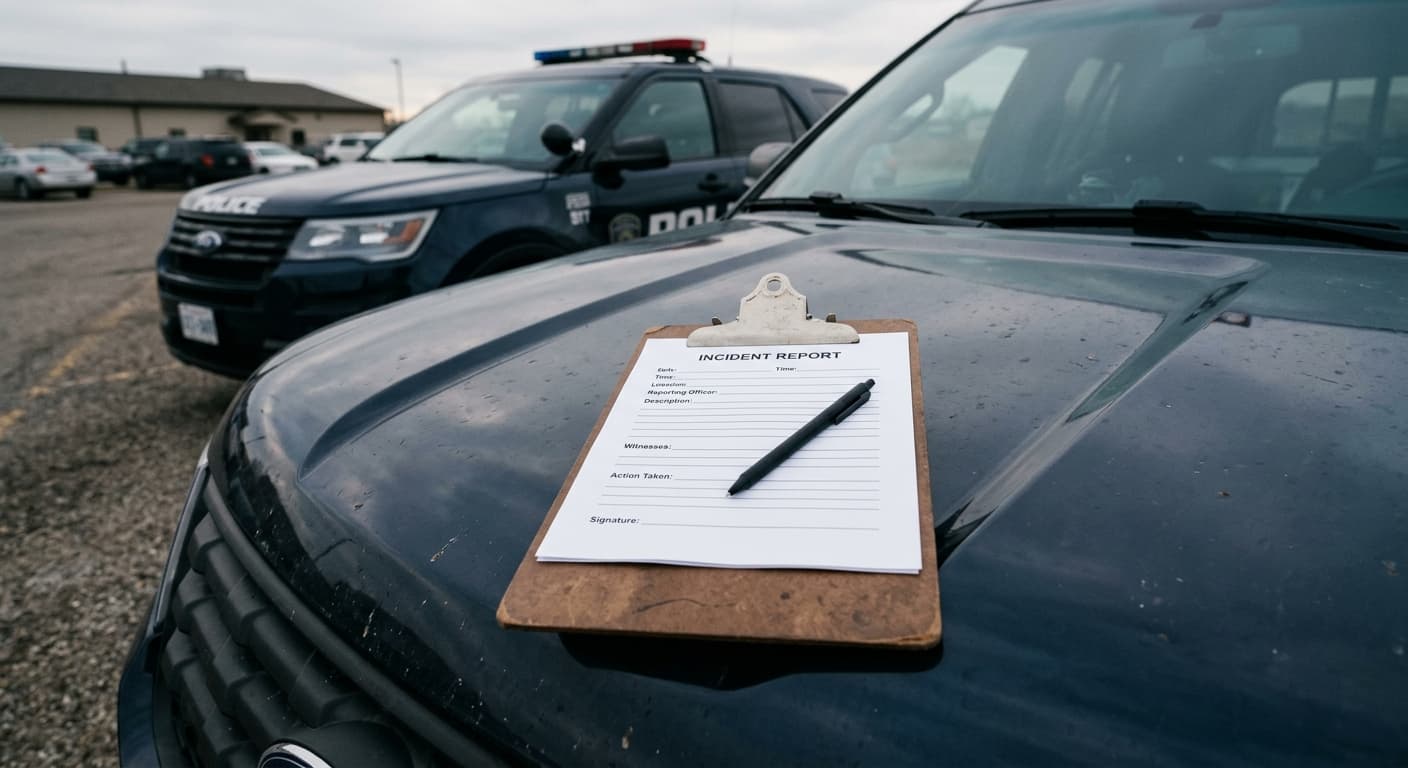
Texas classifies hit-and-run as a criminal offense under Transportation Code 550.021, with penalties that scale from a Class C misdemeanor for minor property damage to a second-degree felony carrying 2 to 20 years in prison when a collision results in death.
Hurt in a hit-and-run? If the driver who hit you fled or had no insurance, your own uninsured/underinsured-motorist (UM/UIM) coverage may pay your injury claim. Estimate what it could be worth with our free Texas Car Accident Settlement Calculator.
Overview of Texas Hit and Run Laws
Last verified: March 2026. This page reflects current Texas Transportation Code Chapter 550 and applicable penalty classifications.
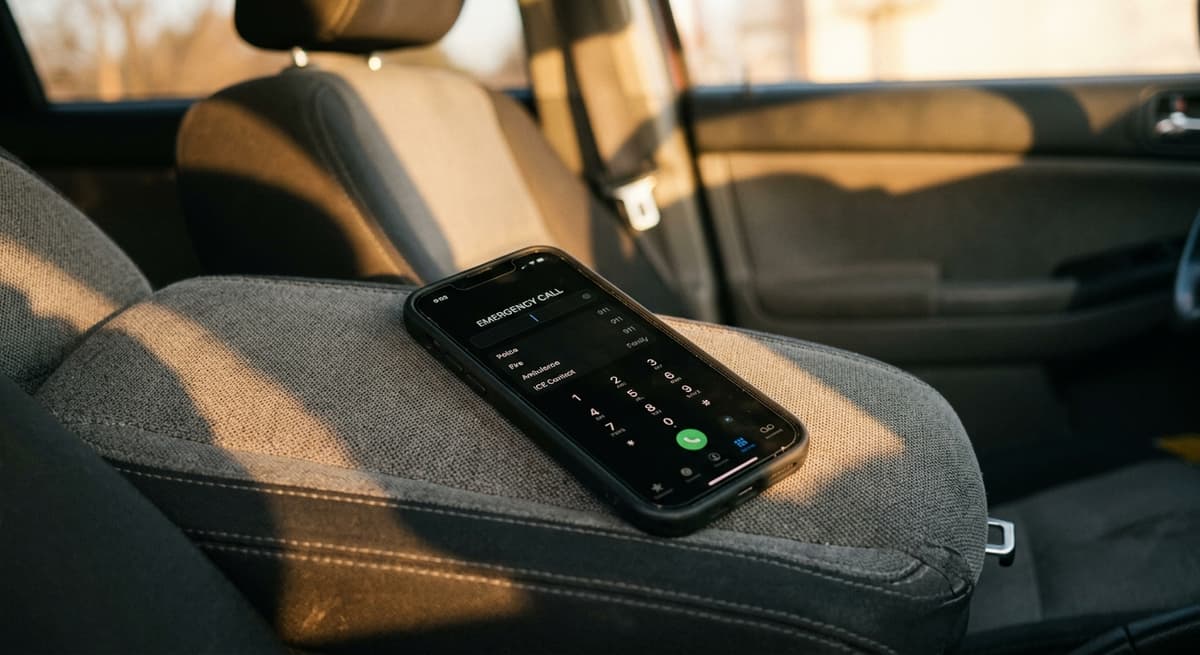
Texas Transportation Code Chapter 550 governs the duties of drivers involved in motor vehicle collisions. Under this chapter, any driver involved in an accident must stop immediately, provide identifying information, and render reasonable assistance to injured persons.
Leaving the scene of an accident without fulfilling these obligations is a criminal offense in Texas. The penalties scale with the severity of the collision, ranging from a minor misdemeanor fine for low-value property damage all the way to a second-degree felony for accidents involving death.
Texas treats hit-and-run offenses seriously. Prosecutors can and do upgrade charges when evidence warrants it, and courts have imposed sentences as long as 50 years when hit-and-run conduct is paired with other criminal charges such as murder.
Primary Statute Reference: Texas Transportation Code Chapter 550, Sections 550.021 through 550.067
Quick Summary of Texas Hit and Run Penalties
| Offense Type | Classification | Maximum Penalty |
|---|---|---|
| Property damage under $200 | Class C Misdemeanor | $500 fine, no jail |
| Property damage $200 or more | Class B Misdemeanor | 180 days jail, $2,000 fine |
| Injury (not serious bodily injury) | Felony | Up to 5 years prison, $5,000 fine |
| Serious bodily injury | Third-Degree Felony | 2 to 10 years prison, $10,000 fine |
| Death | Second-Degree Felony | 2 to 20 years prison, $10,000 fine |
| Intoxication manslaughter | Second-Degree Felony | 2 to 20 years prison, $10,000 fine |
Driver Duties After a Collision
Section 550.021 of the Texas Transportation Code establishes four specific obligations for any driver involved in a collision that results in, or is reasonably likely to result in, injury or death.
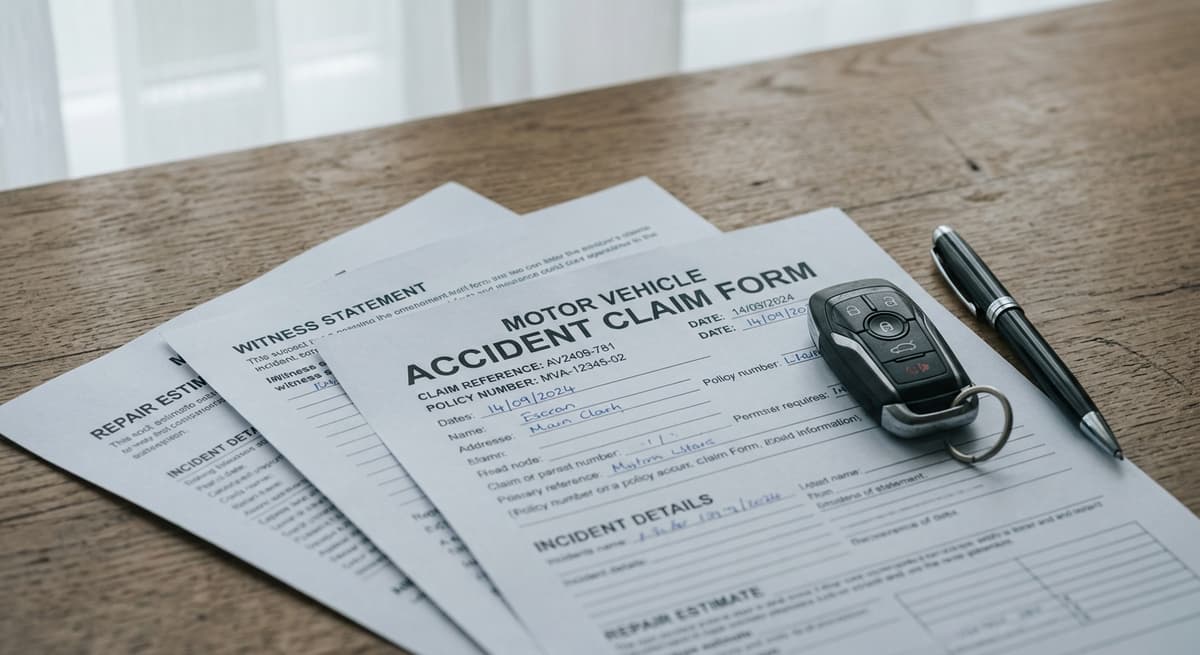
You must:
- Stop immediately at the scene of the collision or as close as safely possible without blocking traffic.
- Return to the scene if your vehicle is not stopped at the exact location of the collision.
- Determine whether anyone needs help by investigating whether a person is involved and whether that person requires assistance.
- Remain at the scene until you have complied with the information exchange and aid requirements of Section 550.023.
Information You Must Provide
Under Section 550.023, you must give the following to any injured person, or to the driver or occupant of another vehicle involved in the collision:
- Your full name and address
- The registration number of the vehicle you were operating
- The name of your motor vehicle liability insurance provider
- Your driver license, if requested
You must also provide reasonable assistance to anyone who is injured. This includes arranging transportation to a hospital or medical facility if it is apparent that treatment is necessary, or if the injured person requests it.
Unattended Vehicle Collisions
Under Section 550.024, if you strike a parked or unattended vehicle, you must make a reasonable effort to locate the owner. If you cannot find the owner, you must leave a written note in a conspicuous place on the vehicle. That note must include your name, address, and a description of the circumstances of the collision.
Failing to leave a note or locate the owner is itself a criminal offense under Texas law.
Collisions With Fixed Objects
Section 550.025 addresses collisions involving fixtures or highway landscaping adjacent to a highway. If you strike a fixture, such as a guardrail, sign, or other structure, you must take reasonable steps to locate and notify the owner or person in charge of the property. If you cannot locate the owner, you must report the collision to law enforcement.
Reporting Requirements
Texas law requires you to report certain collisions to law enforcement. Under Section 550.026, you must immediately report any accident that results in:
- Death of any person
- Injury to any person
- Damage to a vehicle so severe that it cannot be safely driven from the scene
You must report to the local police department if the accident occurred within a municipality. For accidents outside municipal limits, report to the county sheriff or the nearest Texas Department of Public Safety (DPS) office.
Additionally, a reportable crash in Texas is any collision resulting in death, injury, or property damage that appears to exceed $1,000. Law enforcement officers who investigate such crashes must file a written report with TxDOT within 10 days of the collision.
When Hit and Run Is a Misdemeanor
Leaving the scene of an accident that involves only property damage is classified as a misdemeanor under Section 550.022 of the Texas Transportation Code.
Class C Misdemeanor: If the total property damage is below $200, or if the driver unnecessarily blocked traffic when the vehicle was still operational, the offense is a Class C misdemeanor. The maximum penalty is a fine of $500 with no jail time.
Class B Misdemeanor: If the property damage is $200 or more, the offense is elevated to a Class B misdemeanor. A conviction carries a maximum sentence of 180 days in county jail and a fine of up to $2,000.
Even though misdemeanor hit-and-run charges may sound minor, a conviction still creates a criminal record. This can affect employment, professional licensing, and insurance rates for years.
When Hit and Run Is a Felony
Under Section 550.021, leaving the scene of a collision becomes a felony when the accident involves personal injury or death. Texas law creates three tiers of felony punishment.
Injury (Not Serious Bodily Injury)
If the collision caused an injury that does not rise to the level of "serious bodily injury," the offense is punishable by imprisonment in the Texas Department of Criminal Justice for up to five years, or confinement in county jail for up to one year, and a fine of up to $5,000. This category covers injuries such as minor fractures, cuts requiring stitches, or soft-tissue injuries.
Serious Bodily Injury
If the collision resulted in serious bodily injury, the offense is a third-degree felony. Under Texas Penal Code Section 1.07, "serious bodily injury" means an injury that creates a substantial risk of death, causes death, causes permanent disfigurement, or results in the long-term loss or impairment of a bodily organ or limb.
A third-degree felony conviction carries a prison sentence of 2 to 10 years and a fine of up to $10,000.
Death
If the collision resulted in death, the offense is a second-degree felony. A conviction carries a prison sentence of 2 to 20 years and a fine of up to $10,000.
Each person struck, injured, or killed may constitute a separate offense. A driver who flees a collision that injures three people could face three separate felony charges with consecutive penalties.
Intoxication Manslaughter
Operating a vehicle while intoxicated and causing a death is charged separately under Texas Penal Code Section 49.08 as intoxication manslaughter, a second-degree felony. If the driver also fled the scene, both the intoxication manslaughter charge and the failure to stop and render aid charge apply. These charges can run consecutively, significantly increasing total prison exposure.
Section 19.05 of the Texas Penal Code addresses criminally negligent homicide, classified as a state jail felony punishable by up to two years in a state jail facility and a $10,000 fine.
Driver License Consequences
A hit-and-run conviction triggers automatic driver license action by the Texas Department of Public Safety (DPS). According to DPS enforcement guidelines, a failure to stop and render aid (FSRA) conviction results in:
- First offense: One-year license suspension
- Second or subsequent offense: 18-month license suspension
Reinstatement requires payment of all applicable fees and compliance with any court-ordered conditions. During the suspension period, driving on a suspended license is a separate criminal offense that can result in additional fines and jail time.
Criminal Statute of Limitations
Texas law sets time limits on how long prosecutors have to file criminal charges for hit-and-run offenses. Under the Texas Code of Criminal Procedure, Chapter 12:
- Misdemeanor hit and run (property damage only): Prosecutors must file charges within two years from the date of the offense (Art. 12.02).
- Felony hit and run (injury or death): Prosecutors must file charges within three years from the date of the offense (Art. 12.01).
- Intoxication manslaughter and criminally negligent homicide: These offenses carry a three-year limitation period.
- Murder charges: If a hit-and-run case is later upgraded to murder, there is no statute of limitations (Art. 12.01(1)).
For civil lawsuits, the statute of limitations is two years for personal injury, wrongful death, and property damage claims from the date of the accident.
Insurance Implications
For the Hit-and-Run Driver
A hit-and-run conviction will likely result in significantly higher insurance premiums. Some insurers may refuse to renew your policy or decline to provide coverage entirely. Your insurer may also deny claims related to accidents where you failed to follow legal requirements.
For the Victim: Uninsured Motorist Coverage
If you are the victim of a hit and run in Texas and the other driver cannot be identified, your own uninsured motorist (UM) coverage can help cover your losses.
The Texas Department of Insurance (TDI) explains that all auto insurers in Texas must offer UM coverage to every policyholder. You are not required to carry it, but if you decline, you must do so in writing.
UM coverage can pay for medical expenses, lost wages, and pain and suffering. Uninsured motorist property damage (UMPD) coverage can pay for vehicle repairs or replacement.
To file a UM claim after a hit and run:
- Report the hit and run to law enforcement as soon as possible
- Notify your insurance company within the time limits stated in your policy
- There must have been physical contact between your vehicle and the unidentified vehicle
- All UM/UIM coverage in Texas is subject to a $250 deductible
Texas Crash Statistics
According to the Texas Department of Transportation (TxDOT) 2024 Crash Facts report:
- 4,150 traffic fatalities occurred in Texas in 2024, a 3.29% decrease from 4,291 in 2023
- 768 pedestrian fatalities were recorded in 2024
- Texas continues to have one of the highest traffic fatality rates in the nation due to its large population and extensive road network
Hit-and-run crashes remain a significant concern across the state. Law enforcement agencies actively investigate these cases regardless of the property damage amount involved.
Notable Cases
Harris County Murder Conviction (2025): A hit-and-run driver in Cypress was sentenced to 50 years in prison after being convicted of murder in connection with the death of 20-year-old Destin Quintero. The driver was initially charged with failure to stop and render aid but was later upgraded to murder and aggravated assault charges in 2024, demonstrating how hit-and-run cases can escalate to much more serious charges.
Southeast Texas Probation Case (2025): De'Andre Smith pleaded guilty to collision involving death and received a probation sentence from Judge Raquel West in the 252nd District Court. This case illustrates that outcomes vary significantly based on the circumstances and judicial discretion.
What to Do If You Are Involved in a Collision
Whether you caused the collision or not, following these steps protects your legal rights and ensures compliance with Texas law:
- Stop your vehicle at or near the scene. Never drive away, even if the damage appears minor.
- Check for injuries. Call 911 if anyone is hurt or if the collision is serious.
- Move vehicles out of traffic if it is safe to do so and the vehicles are operable.
- Exchange information with all other involved drivers: name, address, insurance provider, vehicle registration, and driver license.
- Document the scene. Take photos of vehicle damage, the surrounding area, road conditions, and any visible injuries.
- Collect witness information. Get names and phone numbers of anyone who saw the collision.
- Report the collision to law enforcement if it involved death, injury, or property damage exceeding $1,000.
- Contact your insurance company promptly to report the collision.
- Seek medical attention even if you feel fine. Some injuries do not present symptoms immediately.
What to Do If You Are the Victim of a Hit and Run
If another driver strikes your vehicle and flees:
- Do not pursue the fleeing driver. Chasing can put you and others at risk.
- Note as many details as possible: vehicle make, model, color, license plate number, and direction of travel.
- Look for witnesses and ask if anyone recorded the incident on a dashcam or phone.
- Call law enforcement and file a police report immediately.
- Document the damage to your vehicle and any injuries with photographs.
- Contact your insurance company and ask about filing a UM/UIM claim if the other driver is not found.
Related Texas Laws
- Texas Recording Laws
- Texas Car Seat Laws
- Texas Child Support Laws
- Texas Lemon Law
- Texas Sexting Laws
- Texas Statute of Limitations
- Texas Whistleblower Laws
- Texas Dog Bite Laws
- Murder Sentencing Guidelines by State
More Texas Laws
Frequently Asked Questions
Do police investigate minor hit-and-run accidents in Texas?
Yes. Leaving the scene of any collision without fulfilling your legal obligations is a criminal offense in Texas, regardless of the damage amount. Police investigate hit-and-run cases at all levels. If you are the victim, collect as much evidence as possible, including witness contact information, dashcam footage, and a description of the other vehicle.
Can I leave the scene to help an injured person get to a hospital?
Yes. Section 550.023 of the Texas Transportation Code specifically permits you to transport an injured person to a medical facility if they request it or if immediate treatment is clearly necessary. However, you should report the accident to law enforcement as soon as possible afterward.
What if I feared for my safety at the scene of the accident?
Fear for your safety may serve as a defense, but it does not eliminate your legal obligations. Texas courts expect you to report the accident immediately using the quickest means of communication available. Driving to the nearest police station and filing a report promptly strengthens this defense.
How long do I have to file a civil lawsuit after a hit and run in Texas?
You have two years from the date of the accident to file a personal injury, wrongful death, or property damage claim. This is the civil statute of limitations. Criminal charges have separate time limits: two years for misdemeanors and three years for felonies.
Will a hit-and-run conviction affect my car insurance rates?
Yes. A hit-and-run conviction will likely result in significantly higher insurance premiums. Some insurers may decline to renew your policy. Additionally, your driver license will be suspended for at least one year, and you may need to obtain an SR-22 certificate of financial responsibility before reinstatement.
Injured in Texas? Get a free case review from a personal-injury attorney
If someone else's negligence caused your injury, you may be owed compensation for medical bills, lost wages, and pain and suffering. Get a free, no-obligation review from a Texas personal-injury attorney. Most work on contingency, so there is no upfront cost.
Sources and References
- Texas Transportation Code Chapter 550 - Collisions and Collision Reports(statutes.capitol.texas.gov).gov
- Texas Code of Criminal Procedure Chapter 12 - Limitation(statutes.capitol.texas.gov).gov
- Texas DPS - Crash Suspension and Driver License Enforcement(dps.texas.gov).gov
- TxDOT - Annual Texas Motor Vehicle Crash Statistics(txdot.gov).gov
- Texas Department of Insurance - Uninsured Motorist Coverage(tdi.texas.gov).gov
- Texas DPS - Driver License Enforcement Actions (Form DL-176)(dps.texas.gov).gov
- TxDOT - Instructions to Police for Reporting Crashes (2025 Edition)(txdot.gov).gov