
Ohio
Ohio Hit and Run Laws: Penalties and What to Do
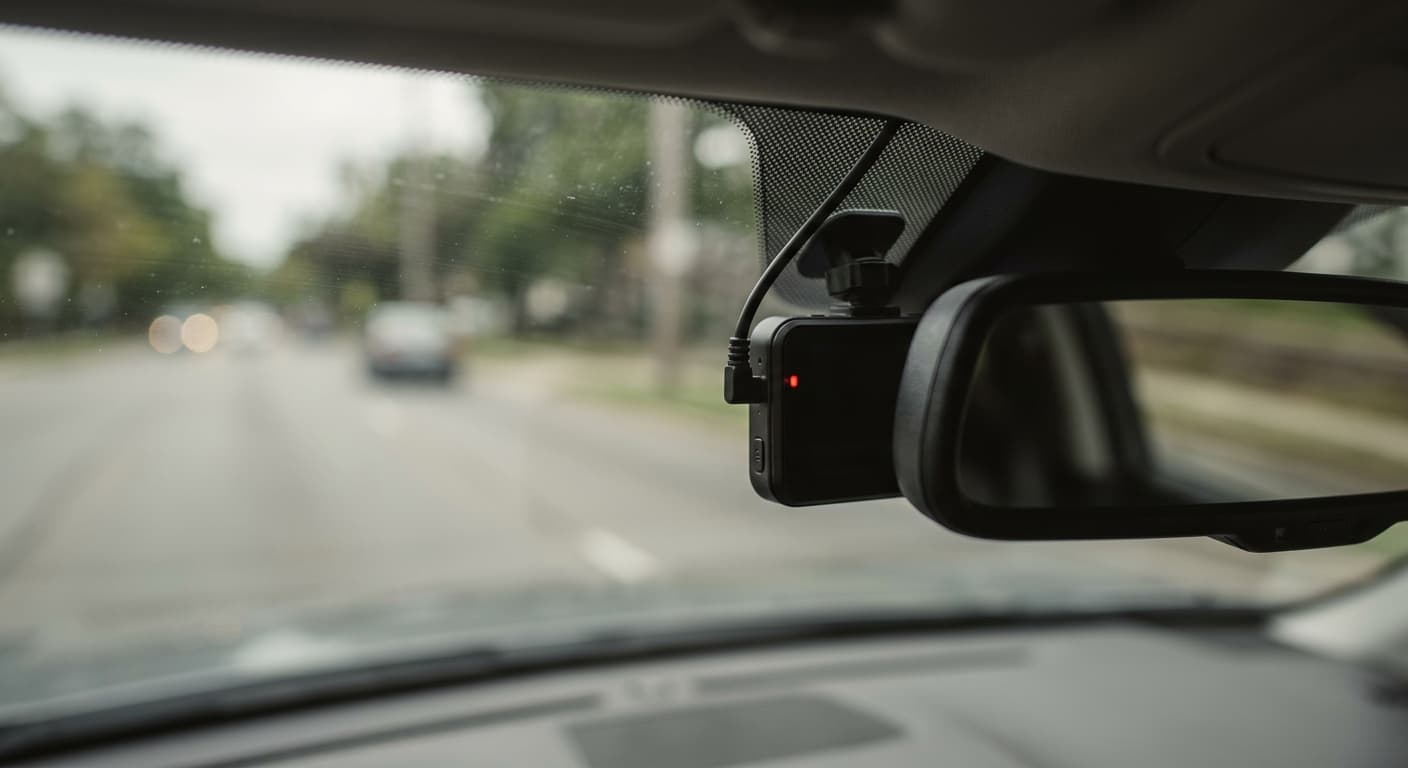
Under Ohio Rev. Code 4549.02, leaving the scene of an accident is at minimum a first-degree misdemeanor carrying up to 180 days in jail and a $1,000 fine; crashes involving serious injury or death escalate the charge to a felony, and courts must impose a mandatory license suspension in all cases.
Hurt in a hit-and-run? If the driver who hit you fled or had no insurance, your own uninsured/underinsured-motorist (UM/UIM) coverage may pay your injury claim. Estimate what it could be worth with our free Ohio Car Accident Settlement Calculator.
Ohio Hit and Run Laws: What happens if someone leaves the scene of an accident?
Leaving the scene of an accident involving property damage in Ohio is a misdemeanor punishable by up to six months in jail, a maximum fine of $1,000, and license suspension. In addition, if the victim dies or suffers a serious injury, any driver who flees the scene is guilty of a felony.
Quick take: Leaving the scene of an accident in Ohio
- Ohio is a "fault state," hence the at-fault party compensates the victim.
- Leaving the scene of an accident involving serious injury or death is a felony.
- In Ohio, a reportable accident refers to any collision that results in death, injury, or property damage surpassing $1000.
- If you knowingly leave the scene of an accident involving injury or death, you qualify for enhanced punishment.
References
Ohio hit and run laws explained: What happens if you leave the scene of an accident?
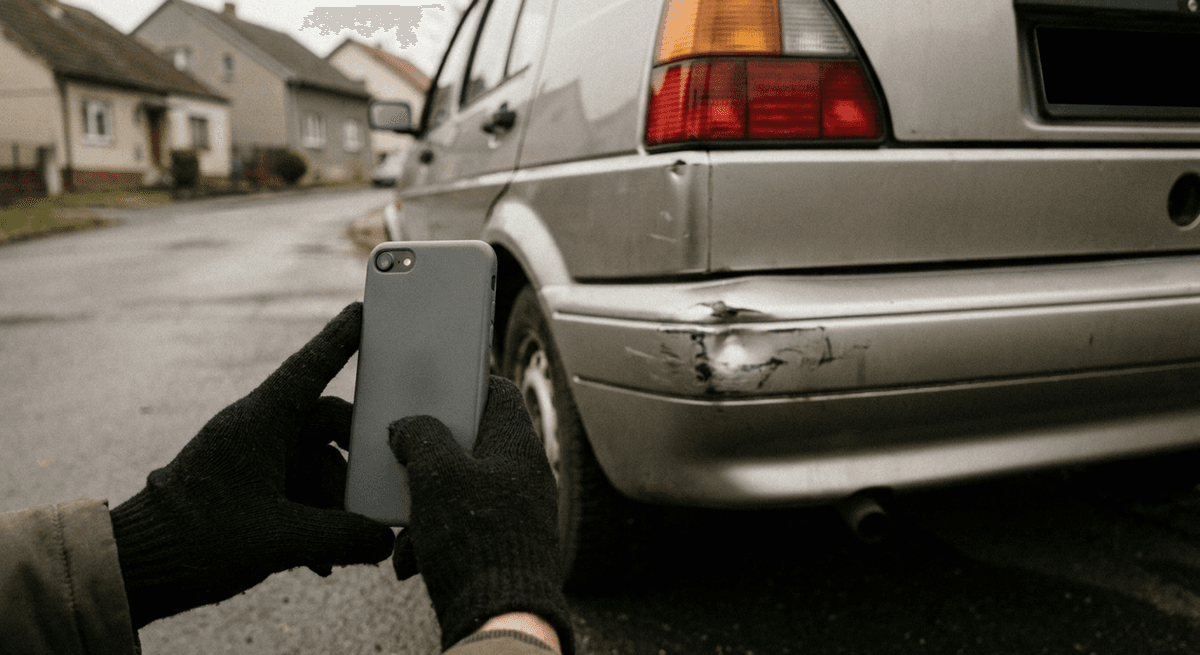
Under Ohio statute section 4549.02, "stopping after an accident on public roadway or highway." If you know about your involvement in a traffic collision, leaving the scene without fulfilling the requirements below is a misdemeanor or felony. That means the resulting damage and what you do immediately after hitting a person or property determine the crime.
Consequently, the easiest way to avoid criminal charges after your involvement in an accident is to remain at the scene. If you leave and come back without good reason, you are guilty of a hit and run.
What to do after an accident in Ohio
State law requires you to do the following.
- Immediately stop the vehicle at the scene of the accident. If the vehicle endangers other drivers and the accident did not result in death or serious injury, you may move it to a safe location near the scene.
- Give your name, address, and vehicle registration number to anyone injured in the collision or the operator, occupant, or person attending to the struck vehicle.
- If the struck person is unable to receive your information, you must give the information to a police officer at the scene.- If the accident results in death, do not move the vehicle if not instructed by emergency workers or law enforcement.
What happens if you leave the scene of an accident without fulfilling the requirements above?
If you do not have a valid reason for leaving the scene, you are guilty of a hit and run. Remember, prosecutors need only to prove that you were the one driving the vehicle, the vehicle was involved in a traffic collision, the traffic collision caused injury, death, or property damage, you knew about the collision, and you left without stopping and giving the required information.
To avoid hit and run charges in Ohio, what you must do after an accident is:
- Remain at the scene until law enforcement tells you to leave.
- Do not threaten or harm the other party involved.
- Render reasonable assistance to anyone who needs it.
- Exchange insurance information.
- Do not admit fault.
Also, evading the police may add to the charges. So, if you leave the scene, make sure that you have a good reason.
** Is leaving the scene of an accident a misdemeanor in Ohio?**
Yes. If you fail to stop at the scene of an accident involving property damage in Ohio, you are guilty of a misdemeanor of the first degree. A Misdemeanor of the First Degree in Ohio is punishable by up to 180 days in jail and a maximum fine of $1000.
What happens if you hit an unattended vehicle in Ohio?
If you strike an unattended vehicle in Ohio, section 3 of Ohio Hit and Run laws states, quote:
"If the accident or collision is with an unoccupied or unattended motor vehicle, the operator who collides with the motor vehicle shall securely attach the information required to be given in this section, in writing, to a conspicuous place in or on the unoccupied or unattended motor vehicle."
Suppose you leave the scene without locating the struck vehicle or property owner or without leaving your contact information, address, and vehicle registration. You are guilty of a misdemeanor of the first degree.
Note that under section 2921.331. Evading the police is a misdemeanor of the first degree.
What is a reportable accident in Ohio?
Ohio law requires drivers to report any accident resulting in death, injury, or property damage above $1,000 to the state highway patrol, the sheriff of the county where the accident occurred, or local police.
Remember, your insurer may deny you compensation if you do not file a police report.
Ohio's "Hit and Skip" laws
In Ohio, your knowledge of your involvement in a Collision escalates the charges. What that means is. After an accident, if you know that someone has suffered injury or death, and you knowingly leave the scene, you qualify for enhanced punishment. For example, leaving the scene of an accident involving serious injury or death is a felony of the fourth degree. But, if you knew that someone died because of the collision and you leave the scene, the charges escalate into a felony of the second degree.
If you had a motive or were under the influence of drugs or alcohol - The charges may escalate into vehicular manslaughter or vehicular homicide if the victim dies.
Is leaving the scene of an accident a felony in Ohio?
Yes. Failure to stop after an accident involving serious physical harm to a person is a felony of the fifth degree in Ohio. If you knew that someone suffered serious injury or bodily harm, leaving the scene escalates the crime into a felony of the fourth degree.
Vehicular manslaughter and vehicular homicide
If anyone dies after a traffic collision, leaving the scene is a third-degree felony. However, if you knew that the traffic collision resulted in death and chose to leave the scene, you are guilty of a felony of the second degree.
What is the penalty for leaving the scene of an accident?
Upon conviction, state law requires that, quote:
"In all cases, the court, in addition to any other penalties provided by law, shall impose upon the offender a class five suspension of the offender's driver's license, commercial driver's license, temporary instruction permit, probationary license, or nonresident operating privilege from the range specified in the division."
Note that the court cannot suspend the license suspension for the first six months.
The penalty for leaving the scene of an accident in Ohio is:
- Hit and run involving property damage: misdemeanor of the first degree, punishable by up to 180 days in jail and a maximum fine of $1000.
- Hit and run, unattended vehicle: misdemeanor of the first degree.
- Leaving the scene of an accident involving injury: fifth-degree felony, punishable by up to 12 months in prison and a maximum fine of $2500.
- Knowingly leaving the scene of an accident involving serious injury: fourth-degree felony, punishable by a minimum of 6 months in prison and a maximum of 18 months plus a $5000 fine.
- Hit and run involving death: third-degree felony, punishable by up to 36 months in prison, a $10000, and up to three years of post-release control.
- Vehicular manslaughter: Second-degree misdemeanor, punishable by up to 90 days in jail and a class six license suspension of three months to two years (longer if the driver has certain prior offenses). The court may also order a fine.
Leaving the scene of an accident in Ohio: Administrative and civil penalties
If you suffer injury or property damage because of a hit and run, you may take civil action against the driver responsible.
Depending on the facts, the court may impose punitive damages upon conviction.
The victim may use a lawsuit to recover lost wages, hospital bills, and other damages. We recommend consulting with a lawyer. To increase the odds of a successful lawsuit, experts recommend:
- Never admit fault at the scene of an accident.
- Make sure that you file a police report.
- Seek medical attention before commenting about your health.
- Document everything at the scene and gather evidence, including the fleeing driver's description, car make, colour, license plates, and anything else that may be useful to the police.
- Call your insurer.
- Save dashcam footage.
How is fault determined in Ohio?
Ohio is a "fault state." If you are responsible for an accident, you must compensate anyone who suffers an injury, property damage, or death. Also, state law requires you to show financial responsibility for any accident you may cause by posting collateral, having liability car insurance, or purchasing a bond.
After an accident, you may file a claim with the at-fault party's insurer.
What is the statute of limitations on hit and runs in Ohio?
The statute of limitations for personal injury in Ohio is two years, starting from the date of the incident. You also have two years to file a wrongful death claim starting from the date of death. If you were injured by a driver who fled, have an Ohio car accident lawyer look at claims against the driver and your UM coverage in a free claim review (attorney advertising).
For property damage, you also have two years to file a claim.
Leaving the scene of an accident in Ohio defenses
The facts presented will determine a suitable defense. For example, if the other party threatened you. In your defense. You may claim that you feared for your safety.
That is why it is vital to consult with an attorney immediately.
Other** Ohio **Laws
- Murder Sentencing Guidelines - Minimum to Maximum for Every State (2026)
- Ohio Car Seat Laws
- Ohio Child Support Laws
- Ohio Hit and Run Laws
- Ohio Lemon Law: Complete Guide for 2026
- Ohio Recording Laws
- Ohio Sexting Laws (2026 Guide)
- Ohio Statute of Limitations
- Ohio Whistleblower Laws
More Ohio Laws
Frequently Asked Questions
Ohio Hit and Run Laws: What happens if someone leaves the scene of an accident?
Leaving the scene of an accident involving property damage in Ohio is a misdemeanor punishable by up to six months in jail, a maximum fine of $1,000, and license suspension. In addition, if the victim dies or suffers a serious injury, any driver who flees the scene is guilty of a felony.
Ohio hit and run laws explained: What happens if you leave the scene of an accident?
Under Ohio statute section 4549.02, "stopping after an accident on public roadway or highway." If you know about your involvement in a traffic collision, leaving the scene without fulfilling the requirements below is a misdemeanor or felony. That means the resulting damage and what you do immediately after hitting a person or property determine the crime. Consequently, the easiest way to avoid criminal charges after your involvement in an accident is to remain at the scene.
Is leaving the scene of an accident a misdemeanor in Ohio?
Yes. If you fail to stop at the scene of an accident involving property damage in Ohio, you are guilty of a misdemeanor of the first degree. A Misdemeanor of the First Degree in Ohio is punishable by up to 180 days in jail and a maximum fine of $1000. If you strike an unattended vehicle in Ohio, section 3 of Ohio Hit and Run laws states, quote: > *"If the accident or collision is with an unoccupied or unattended motor vehicle, the operator who collides with the motor vehicle shall securely attach the information required to be given in this section, in writing, to a conspicuous place in or on the unoccupied or unattended motor vehicle." Suppose you leave the scene without locating the struck vehicle or property owner or without leaving your contact information, address, and vehicle registration.
Is leaving the scene of an accident a felony in Ohio?
Yes. Failure to stop after an accident involving serious physical harm to a person is a felony of the fifth degree in Ohio. If you knew that someone suffered serious injury or bodily harm, leaving the scene escalates the crime into a felony of the fourth degree. If anyone dies after a traffic collision, leaving the scene is a third-degree felony. However, if you knew that the traffic collision resulted in death and chose to leave the scene, you are guilty of a felony of the second degree.
What is the penalty for leaving the scene of an accident?
Upon conviction, state law requires that, quote: > "*In all cases, the court, in addition to any other penalties provided by law, shall impose upon the offender a class five suspension of the offender's driver's license, commercial driver's license, temporary instruction permit, probationary license, or nonresident operating privilege from the range specified in the division."* **Note that the court cannot suspend the license suspension for the first six months.**
How is fault determined in Ohio?
Ohio is a "fault state." If you are responsible for an accident, you must compensate anyone who suffers an injury, property damage, or death. Also, state law requires you to show financial responsibility for any accident you may cause by posting collateral, having liability car insurance, or purchasing a bond.
What is the statute of limitations on hit and runs in Ohio?
The statute of limitations for personal injury in Ohio is two years, starting from the date of the incident. You also have two years to file a wrongful death claim starting from the date of death.
Updates
Corrected the property-damage filing deadline to two years, fixed the vehicular manslaughter penalty description, restored the exact wording of the unattended-vehicle rule, and removed a 24-hour reporting deadline and an intent element that Ohio's hit-and-run statute does not contain.
Corrected the property-damage misdemeanor fine to $1,000 (matching ORC 2929.28's actual first-degree-misdemeanor maximum, and the figure the rest of the page already used) and removed a snowmobile-statute (ORC 4519.46) misquote that was wrongly cited as Ohio's general car-accident reporting rule and contradicted itself on the dollar threshold.
Governing law re-checked for recent changes
The Law Behind This Article
This article rests on the statutory provisions below, held in our own legal record and retrieved from the official source. Tap a section to read the operative text.
Ohio Revised Code
§ 4549.02Stopping after accident on public roads or highwaysIn force
(A)(1) In the case of a motor vehicle accident or collision with persons or property on a public road or highway, the operator of the motor vehicle, having knowledge of the accident or collision, immediately shall stop the operator's motor vehicle at the scene of the accident or collision.
Official text (excerpt) · last checked 2026-07-31 · Read the full text in our law library · Verify at codes.ohio.gov
Cited in 287 court opinions in our collectionLatest citing opinion in our collection: 2026
Opinions citing this section in our collection:
- State v. Williams (Ohio Supreme Court 1997, 79 Ohio St. 3d 1)“…llant for leaving the scene of an accident, in violation of R.C. 4549.02, when Hunter’s sergeant ordered him to…”
- State v. Bryant (Slip Opinion) (Ohio Supreme Court 2020, 160 Ohio St. 3d 113)“…State v. Bryant, Slip Opinion No. 2020-Ohio-1041.] Traffic—R.C. 4549.02(A)(1)—Fleeing the scene of an accident—…”
- Morris v. Continental Insurance Companies (Ohio Court of Appeals 1991, 71 Ohio App. 3d 581)“…orming a task related to operation of the truck pursuant to R.C. 4549.02. R.C. 4549.02 imposes a statutory duty…”
Identified automatically from the court opinions citing this section — not a ranking of which case controls.
§ 2305.10Bodily injury or injury to personal propertyIn forcecited in 8 of our articles
(A) Except as provided in division (C) or (E) of this section, an action based on a product liability claim and an action for bodily injury or injuring personal property shall be brought within two years after the cause of action accrues.
Official text (excerpt) · last checked 2026-07-31 · Read the full text in our law library · Verify at codes.ohio.gov
Cited in 950 court opinions in our collectionLatest citing opinion in our collection: 2026
Opinions citing this section in our collection:
- Dresher v. Burt (Ohio Supreme Court 1996, 75 Ohio St. 3d 280)“…is subject to the two-year limitations period set forth in R.C. 2305.10. SUP…”
- Viock v. Stowe-Woodward Co. (Ohio Court of Appeals 1983, 13 Ohio App. 3d 7)“…rather than the two-year limitation for bodily injury (R.C. 2305.10) 5 is applicable.…”
- State ex rel. Ohio Academy of Trial Lawyers v. Sheward (Ohio Supreme Court 1999, 86 Ohio St. 3d 451)“…ifteen-year statute of repose for product liability claims (R.C. 2305.10[C]), a six-year statute of repose for p…”
Identified automatically from the court opinions citing this section — not a ranking of which case controls.
Also relied on in: Ohio Dog Bite Laws: Liability and Victim Rights, Ohio Car Accident Laws: Fault, Insurance, and Your Claim, Motorcycle Accident Laws in Ohio (2026): Deadlines & Helmets
§ 2903.06Aggravated vehicular homicide - vehicular homicide - vehicular manslaughterIn force
(A) No person, while operating or participating in the operation of a motor vehicle, motorcycle, utility vehicle, mini-truck, snowmobile, locomotive, watercraft, or aircraft, shall cause the death of another or the unlawful termination of another's pregnancy in any of the following ways: (1) As…
Official text (excerpt) · last checked 2026-07-31 · Read the full text in our law library · Verify at codes.ohio.gov
Cited in 648 court opinions in our collectionLatest citing opinion in our collection: 2026
Opinions citing this section in our collection:
- State v. Mayl (Ohio Supreme Court 2005, 106 Ohio St. 3d 207)“…e issue of whether R.C. 4511.19(D)(1) requirements apply to R.C. 2903.06(A)(1) cases (the issue decided in Stat…”
- State v. Jones (Ohio Supreme Court 1985, 18 Ohio St. 3d 116)“…Per Curiam. R.C. 2903.06 provides in part: “(A) No person, whi…”
- State v. Chippendale (Ohio Supreme Court 1990, 52 Ohio St. 3d 118)“…r, R.C. 2903.04(B), and with aggravated vehicular homicide, R.C. 2903.06. R.C. 2903.04(B), which pertains to t…”
Identified automatically from the court opinions citing this section — not a ranking of which case controls.
§ 4510.02Definite periods of suspension - suspension classesIn force
(A) When a court elects or is required to suspend the driver's license, commercial driver's license, temporary instruction permit, probationary license, or nonresident operating privilege of any offender from a specified suspension class, for each of the following suspension classes, the court…
Official text (excerpt) · last checked 2026-07-31 · Read the full text in our law library · Verify at codes.ohio.gov
Cited in 70 court opinions in our collectionLatest citing opinion in our collection: 2026
Opinions citing this section in our collection:
- State v. Johnson (Ohio Court of Appeals 2025, 2025 Ohio 149)“…impose a class two suspension from the range specified in [R.C. 4510.02(A)(2)].” (Emphasis added.) Former R.C.…”
- State v. Martin (Ohio Court of Appeals 2016, 2016 Ohio 453)“…of the third degree." A class one suspension is defined in R.C. 4510.02(A)(1), which states: Whe…”
- State v. Dennison (Ohio Court of Appeals 2012, 2012 Ohio 1119)“…ension ranging from three years to life. R.C. 2921.331(E); R.C. 4510.02(A)(2). {¶8} The trial court…”
Identified automatically from the court opinions citing this section — not a ranking of which case controls.
Search our full record of US law — 2.1 million sections, every state + federal →
Sources and References
- Ohio Rev. Code § 4549.02: stopping after accident; sharing information (official text via Internet Archive)(web.archive.org)
- Ohio Rev. Code § 2305.10: bodily injury or injury to personal property (two-year limitation)(codes.ohio.gov)
- Ohio Rev. Code § 2903.06: aggravated vehicular homicide, vehicular homicide, vehicular manslaughter(codes.ohio.gov)
- Ohio Rev. Code § 4510.02: classes of license suspension(codes.ohio.gov)
Paid attorney referral. RecordingLaw may receive compensation when you use an attorney-help link. RecordingLaw is not a law firm. Submitting a request does not guarantee that an attorney will accept your case and does not create an attorney-client relationship.