Vermont Lemon Law: Your Complete Legal Guide
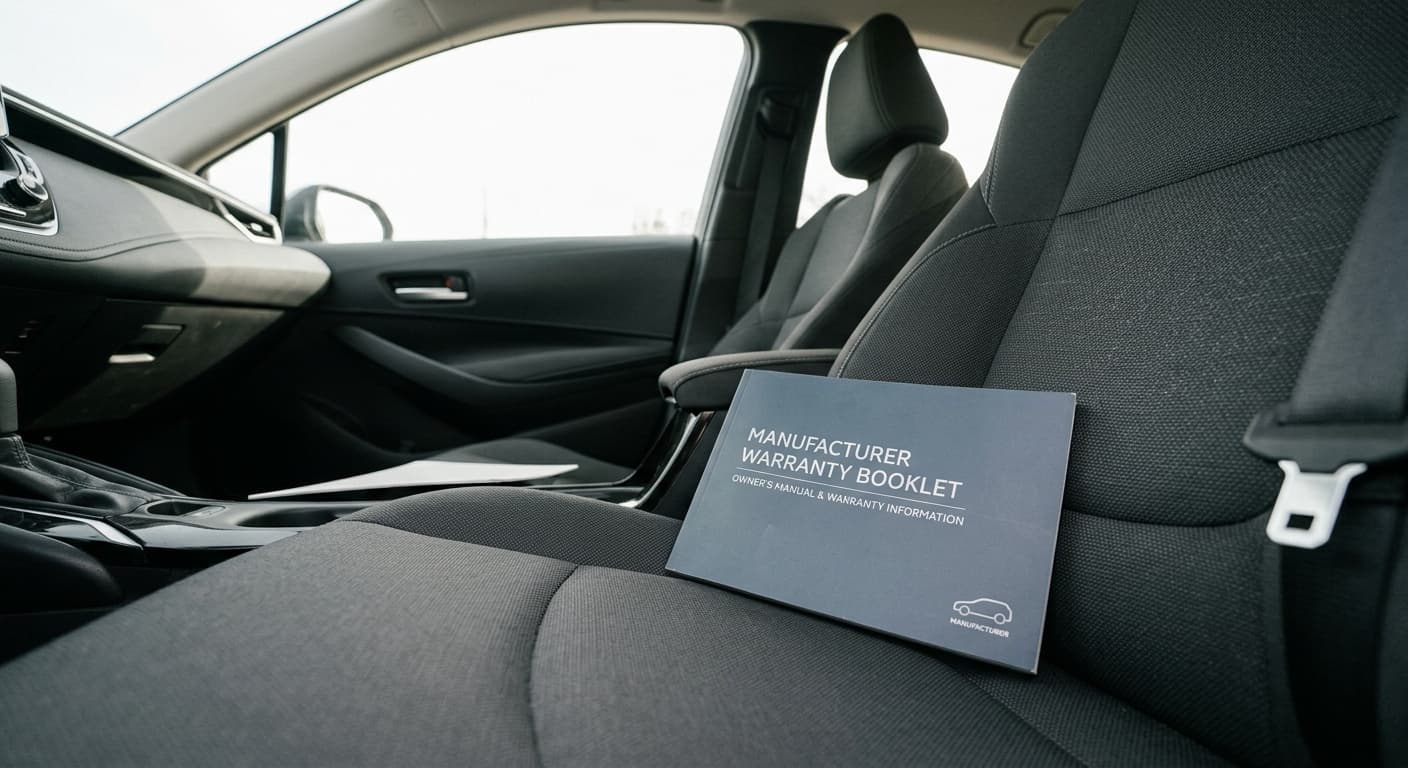
Vermont's lemon law gives vehicle owners a clear path to a refund or replacement when a new car, truck, or SUV has a defect the manufacturer cannot fix. Codified at 9 V.S.A. §§ 4170-4181, the law has protected consumers since 1984. Vermont also funds its arbitration program through a modest $8 motor vehicle warranty fee collected at registration under 23 V.S.A. § 476, so consumers pay nothing out of pocket to file a claim.
This guide covers which vehicles qualify, how to build your case, what remedies are available, and how to navigate the free state arbitration process.
What Vehicles Are Covered
Vermont's lemon law defines coverage based on vehicle type, weight, and warranty status.
Covered Vehicle Types
- Passenger motor vehicles purchased, leased, or registered in Vermont
- Trucks with a gross vehicle weight rating (GVWR) of 12,000 pounds or less
- SUVs and crossovers under 12,000 pounds GVWR
- Passenger and cargo vans under the weight limit
- Electric vehicles, hybrids, and plug-in hybrids (as long as they meet the weight and warranty requirements)
Vehicles Not Covered
- Tractors
- Motorized highway building equipment
- Road-making appliances
- Snowmobiles
- Motorcycles and motor-driven cycles
- Mopeds
- Living portions of recreation vehicles
- Trucks with GVWR over 12,000 pounds
What Counts as a "New Motor Vehicle"
Under 9 V.S.A. § 4171, a "new motor vehicle" means a passenger motor vehicle that is still under the manufacturer's express warranty. This broad definition means a used vehicle may qualify if it remains covered by the original factory warranty.
Who Qualifies as a Consumer
A "consumer" under Vermont's lemon law includes:
- The purchaser of a new motor vehicle (not for resale)
- The lessee of a new motor vehicle (not for sublease and not previously leased)
- Any person to whom the vehicle transfers during the warranty period
- Any person entitled by warranty terms to enforce warranty obligations
Governmental entities are excluded. Business or commercial enterprises that register or lease three or more motor vehicles also do not qualify.
Vermont's Lemon Law Presumption
Under 9 V.S.A. § 4172(g), Vermont law creates a rebuttable presumption that a reasonable number of repair attempts have been undertaken when certain conditions are met.
Two Ways to Qualify
Vermont offers two filing methods. A consumer needs to satisfy only one.
| Filing Method | Requirement | Key Details |
|---|---|---|
| Method A: Three-Times-Out | 3 or more repair attempts for the same defect | Same nonconformity as identified in written repair orders; at least the first attempt must occur during the warranty term |
| Method B: 30 Days Out of Service | 30 or more cumulative calendar days out of service | Total days during the term of the express warranty for repair of one or more nonconformities |
A consumer may also file with fewer than three repair attempts or fewer than 30 days out of service if a safety concern or other reason meets the reasonable repair threshold.
Repair Documentation Requirements
For repair attempts to count toward the presumption:
- Each attempt must be supported by a written examination or repair order.
- Manufacturers, their agents, and authorized dealers cannot refuse to provide a written repair order under 9 V.S.A. § 4172(e).
- The presumption applies to three repair attempts by the same agent or authorized dealer, unless the consumer shows good cause for visiting a different dealer.
- Each repair order should include dates, mileage, a written summary of the complaint, and a fully itemized statement of all work performed.
What "Substantially Impairs" Means
The defect must substantially impair the use, market value, or safety of the motor vehicle. Minor or cosmetic issues typically do not qualify. Examples of qualifying defects include persistent engine stalling, repeated transmission failures, brake system malfunctions, and electrical problems that affect vehicle operation.
Extension of Time Periods
The warranty term and 30-day out-of-service period are extended by any time during which repair services were not available due to war, invasion, strike, fire, flood, or other natural disaster. If an extension applies, the manufacturer must provide a free loaner vehicle during the out-of-service period.
Consumer Remedies: Refund vs. Replacement
When a vehicle qualifies as a lemon under Vermont law, the consumer chooses the remedy within 30 days of the Arbitration Board's order.
Option 1: Replacement Vehicle
The manufacturer must replace the defective vehicle with:
- A new motor vehicle from the same manufacturer (if available)
- Comparable worth to the same make and model
- All options and accessories originally included
- Appropriate adjustments for model year differences
Option 2: Full Refund (Buyback)
The manufacturer must accept return of the vehicle and refund:
- The full purchase price as indicated in the purchase contract
- All credits and allowances for any trade-in or down payment
- Finance charges and credit charges
- Registration fees
- Similar charges and incidental and consequential damages where applicable
Reasonable Allowance for Use
The manufacturer may deduct a reasonable allowance for use. Vermont law calculates this with a specific formula:
Allowance = (Full Purchase Price x Miles Before First Repair) / 100,000
The deduction is based only on miles driven before the first repair attempt for the defect, not the total miles on the vehicle at the time of the buyback.
Sales Tax Refund
If the manufacturer refunds the purchase price, Vermont also refunds the motor vehicle purchase and use tax to the consumer in a proportionate amount. The consumer must file a claim with the Commissioner of Motor Vehicles within 90 days of the Board's order.
Penalty for Late Compliance
If a manufacturer fails to comply with a Board order by the specified effective date, the consumer may be entitled to an additional 10% of the total monetary award. This penalty does not apply to replacement orders. It also does not apply if the delay was caused by the consumer not making the vehicle available for the buyback.
How to File a Lemon Law Claim in Vermont
Vermont provides a free state-administered arbitration process. There is no filing fee or cost assessed against the consumer.
Step 1: Document Everything
- Keep all repair orders showing dates, mileage, and work performed.
- Obtain written repair orders for each visit (dealers must provide these by law).
- Note the specific symptoms and problems each time they occur.
- Save all correspondence with the dealer and manufacturer.
- Take photos or videos of defects when possible.
Step 2: Report and Allow Repairs
Report the nonconformity to the manufacturer, its agent, or authorized dealer during the warranty term. Allow a reasonable number of repair attempts. For Method A claims, this typically means at least three attempts for the same problem.
Step 3: Manufacturer's Final Repair Attempt
Before the claim proceeds to a hearing, the manufacturer may request a final opportunity to repair the vehicle. The manufacturer must disclose procedures for requesting a final repair attempt in the warranty or owner's manual. Any right to a final repair attempt is waived if the manufacturer does not complete it at least five days before the scheduled hearing.
If the final repair resolves the problem to the consumer's satisfaction, the consumer may withdraw from arbitration but retains the option to refile if the condition recurs while the vehicle remains under warranty.
Step 4: File a Demand for Arbitration
File a Demand for Arbitration using Form VN-219, available from the Vermont DMV Lemon Law page. On the form, indicate whether you are requesting a refund or a replacement vehicle.
Include copies of:
- All repair orders and service records
- The purchase or lease agreement
- Warranty documentation
- Any correspondence with the manufacturer or dealer
Mail the completed form and documentation to:
Motor Vehicle Arbitration Board PO Box 6 Fairfax, VT 05454
Send a copy to the manufacturer as well. A claim will be returned if required enclosures are omitted.
Step 5: Arbitration Hearing
Hearings are held monthly. Cases may be resolved by settlement, acceptance of a final repair attempt, or administrative dismissal before reaching a hearing. At the hearing, you may represent yourself or bring an attorney.
Filing Deadline
A claim must be filed within one year after the expiration of the manufacturer's express warranty by time or mileage, whichever occurs first. Missing this deadline forfeits the right to use the state arbitration process.
Vermont Motor Vehicle Arbitration Board
The Vermont Motor Vehicle Arbitration Board is established under 9 V.S.A. § 4174 to hear and decide lemon law claims.
Board Composition
The Governor appoints five members and three alternates to three-year terms:
- One member and one alternate who are new car dealers in Vermont
- One member and one alternate who are active automobile technicians
- Three members and one alternate who have no direct involvement in the design, manufacture, distribution, sales, or service of motor vehicles or their parts
This composition ensures a balanced perspective with both industry expertise and consumer representation.
Hearing Process
- Hearings are less formal than court proceedings.
- Both parties present evidence and testimony.
- The Board issues a written decision.
- An order becomes effective 30 days after the manufacturer receives it.
Possible Outcomes
| Outcome | What Happens |
|---|---|
| Consumer prevails | Board orders replacement or refund at consumer's choice |
| Manufacturer prevails | Claim is denied |
| Settlement | Parties reach agreement before the Board issues a decision |
Appeals
Under 9 V.S.A. § 4176, either party may appeal the Board's decision to the appropriate court.
Manufacturer Obligations and Defenses
Vermont law places specific obligations on manufacturers and limits the defenses they can raise.
Manufacturer Disclosure Requirements
Manufacturers must:
- Clearly disclose any informal dispute settlement procedures in the warranty or owner's manual
- Provide written repair orders to consumers at each service visit, including a summary of the complaint and itemized work performed
- Comply with Board orders within the specified timeframe or face a 10% penalty
Common Manufacturer Defenses
| Defense | Manufacturer's Argument | Consumer's Counter |
|---|---|---|
| No substantial impairment | Defect does not substantially impair use, value, or safety | Document how the defect affects daily use, resale value, or safety |
| Consumer abuse or neglect | Nonconformity resulted from misuse | Provide maintenance records and evidence of proper care |
| Unauthorized modifications | Aftermarket parts caused the problem | Show the defect existed before modification or is unrelated |
| Different dealers without cause | Repair attempts were at different dealers without good cause | Demonstrate good cause for using different dealers |
Dealer Liability Protection
Vermont's lemon law explicitly states that new motor vehicle dealers and used motor vehicle dealers cannot be sued under this chapter. All claims must be directed at the manufacturer.
Used Vehicle Protections
Vermont provides broader used vehicle coverage than many states.
Used Vehicle Lemon Law Coverage
Used vehicles qualify under Vermont's lemon law if:
- The vehicle is still covered by the manufacturer's express warranty
- The first repair for the claimed defect occurred within the warranty period
- All other eligibility requirements are met
Because Vermont defines "new motor vehicle" as any passenger motor vehicle under the manufacturer's express warranty, a two- or three-year-old vehicle with remaining factory warranty coverage may still qualify.
Additional Used Vehicle Protections
Beyond the lemon law, Vermont used vehicle buyers may have recourse through:
- The federal Magnuson-Moss Warranty Act for vehicles with unexpired warranties
- The Vermont Consumer Protection Act (9 V.S.A. Chapter 63) for unfair and deceptive practices
- Common law warranty claims for breach of express or implied warranty
Leased Vehicle Coverage
Vermont's lemon law provides specific protections for lessees under 9 V.S.A. § 4172(i).
Lease Requirements
To be covered, the lease must be:
- A written lease agreement for a term of two or more years
- The vehicle must not have been previously leased by another person
Replacement for Leased Vehicles
If the lessee elects replacement, a collateral change with appropriate adjustments for model year difference or excess mileage is incorporated into an amended lease agreement.
Refund Calculation for Leased Vehicles
If the lessee chooses a refund:
- The lessee receives aggregate deposit and rental payments previously paid, plus incidental and consequential damages, minus the reasonable use allowance and allocated purchase/use tax.
- The lessor receives actual purchase cost, freight, accessories, fees to obtain the lease, and 5% of actual purchase cost (in lieu of early termination costs).
Lease Termination
Upon a Board decision in favor of the lessee:
- The lease agreement and all contractual obligations terminate.
- The lessee owes no further costs to the manufacturer or lessor.
- The motor vehicle lessor must release title to the manufacturer upon payment.
Electric Vehicle Considerations
Vermont's lemon law applies to electric vehicles, hybrids, and plug-in hybrids as long as the vehicle meets the standard eligibility requirements (passenger motor vehicle under 12,000 lbs GVWR and under the manufacturer's express warranty).
EV owners should be aware of a few distinctions:
- Most manufacturers provide a separate battery warranty (typically 8 years or 100,000 miles) in addition to the bumper-to-bumper warranty.
- Battery-related defects that substantially impair the vehicle's use, value, or safety may qualify under the lemon law if the defect occurs within the applicable warranty period.
- Charging system defects, software malfunctions affecting vehicle operation, and drivetrain issues in EVs are treated the same as mechanical defects in traditional vehicles.
More Vermont Laws
Sources and References
- Vermont Lemon Law (9 V.S.A. §§ 4170-4181) - Full Statute Text(legislature.vermont.gov).gov
- Vermont DMV: Lemon Law Administration(dmv.vermont.gov).gov
- Vermont DMV: Lemon Law FAQs(dmv.vermont.gov).gov
- Vermont DMV: Eligibility Requirements(dmv.vermont.gov).gov
- Vermont DMV: Motor Vehicle Arbitration Board(dmv.vermont.gov).gov
- Vermont DMV: Arbitration Board Rules(dmv.vermont.gov).gov
- Vermont Attorney General: Consumer Assistance Program(ago.vermont.gov).gov
- Vermont Attorney General: Vehicle Sales and Service(ago.vermont.gov).gov
- 9 V.S.A. § 4172 - Enforcement of Warranties(legislature.vermont.gov).gov
- 23 V.S.A. § 476 - Motor Vehicle Warranty Fee(legislature.vermont.gov).gov
- Vermont Consumer Protection Act (9 V.S.A. Chapter 63)(legislature.vermont.gov).gov