Hawaii Lemon Law: Your Complete Legal Guide
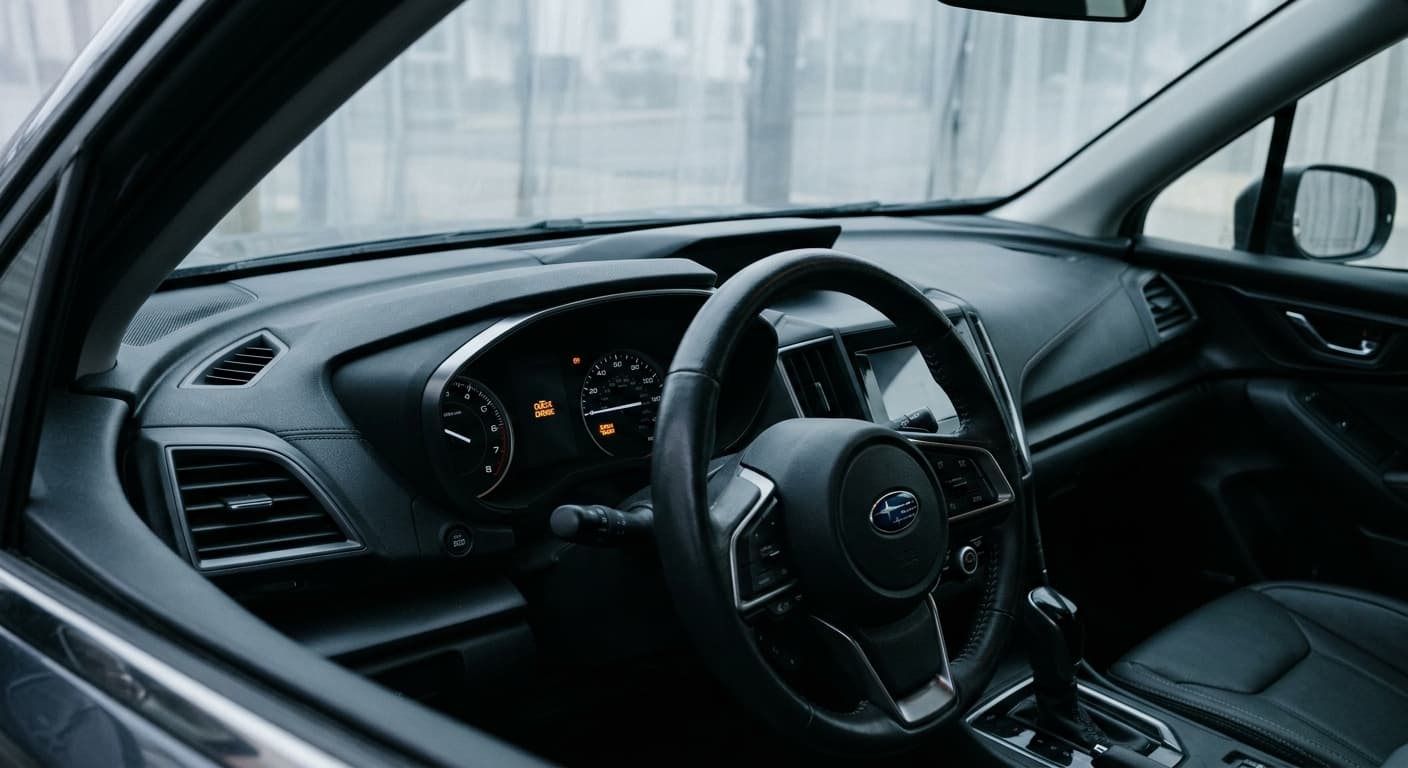
Hawaii's lemon law protects consumers who purchase or lease new motor vehicles that turn out to have serious, unfixable defects. Officially known as the Motor Vehicle Express Warranty Enforcement Act, the law is found in Haw. Rev. Stat. Chapter 481I. It gives consumers a clear path to either a replacement vehicle or a full refund when a manufacturer cannot repair a covered defect within a reasonable number of attempts.
This guide explains every aspect of Hawaii's lemon law, including which vehicles qualify, how the presumption of a lemon works, what remedies are available, and how to navigate the state's arbitration program.
What Vehicles Does Hawaii's Lemon Law Cover
Under Haw. Rev. Stat. § 481I-2, Hawaii's lemon law covers new motor vehicles that meet specific criteria.

Covered Vehicles
- New motor vehicles sold or leased in Hawaii
- Passenger cars including sedans, coupes, and hatchbacks
- Trucks used primarily for personal, family, or household purposes
- Vans and minivans designed for passenger transportation
- Leased vehicles acquired through new vehicle lease agreements
- Self-propelled vehicles primarily designed for transporting persons or property on public highways
The vehicle must have been purchased or leased for personal, family, or household purposes. Vehicles bought primarily for commercial or business use fall outside the law's protection.
Vehicles Not Covered
The following vehicles are excluded from Hawaii's lemon law:
- Mopeds
- Motorcycles with an engine size of 150 cubic centimeters or less
- Motor scooters
- The living portion of motor homes (the chassis and drivetrain may still be covered)
- Vehicles purchased primarily for commercial purposes
- Used vehicles (see the used vehicle section below for separate protections)
The Lemon Law Rights Period
Hawaii's lemon law rights period is the earliest of:
| Trigger | Limit |
|---|---|
| Manufacturer's express warranty term | Varies by manufacturer |
| Time from original delivery | 2 years |
| Miles of operation | 24,000 miles |
Whichever of these three limits arrives first defines the window during which defects must first be reported to qualify for lemon law protection. Any nonconformity reported within this period is eligible, even if the repair process extends beyond the rights period.
What Qualifies as a Nonconformity
A nonconformity under Hawaii law is a defect, malfunction, or condition that substantially impairs the use, market value, or safety of a motor vehicle and is covered by an express warranty. The law defines "substantially impairs" to mean that the defect renders the vehicle unfit, unreliable, or unsafe for its warranted or normal use, or significantly diminishes the vehicle's value.
Examples of Qualifying Nonconformities
- Engine or transmission failures
- Brake system malfunctions
- Steering defects
- Electrical system failures
- Safety restraint system defects
- Fuel system problems
- Suspension issues affecting vehicle handling
- Persistent warning lights tied to verified mechanical problems
Minor cosmetic issues, normal wear and tear, and defects caused by the consumer's abuse, neglect, or unauthorized modifications do not qualify.
Serious Safety Defects
Hawaii law provides enhanced protection for serious safety defects. A defect qualifies as a serious safety defect if it is likely to cause death or serious bodily injury when the vehicle is driven. For these defects, the threshold for triggering the lemon law presumption is significantly lower (see next section).
The Lemon Law Presumption
Under Haw. Rev. Stat. § 481I-3, Hawaii law creates a rebuttable presumption that a reasonable number of repair attempts have been made when certain conditions are met. This presumption shifts the burden to the manufacturer to prove that the vehicle is not a lemon.
When the Presumption Applies
| Condition | Threshold | Details |
|---|---|---|
| Repair attempts (same defect) | 3 or more | The same nonconformity has been subject to examination or repair at least 3 times but continues to exist |
| Serious safety defect | 1 attempt | A defect likely to cause death or serious bodily injury has been repaired once but continues to exist or recurs |
| Days out of service | 30+ business days | The vehicle has been out of service for repair of one or more nonconformities for a cumulative total of 30 or more business days |
| Timeframe | Within rights period | All of the above must occur within the lemon law rights period |
A "business day" is defined as any day when the manufacturer's authorized dealers' service departments are normally open for business.
Written Notice Requirement
The presumption does not apply unless the manufacturer has received a written report of the nonconformity from the consumer and has had a reasonable opportunity to repair the problem. This written notice is essential. Without it, you cannot invoke the lemon law presumption regardless of how many repair attempts have been made.
Your written notice should include:
- Your full name and contact information
- Vehicle identification (year, make, model, VIN)
- A detailed description of the defect or nonconformity
- A chronological history of all repair attempts
- A request for resolution under the lemon law
Send this notice by certified mail so you have proof of delivery.
Consumer Remedies: Refund or Replacement
When a manufacturer fails to conform a motor vehicle to the express warranty after a reasonable number of attempts, § 481I-3 requires the manufacturer to provide one of two remedies. The consumer gets to choose which remedy to accept.
Option 1: Replacement Vehicle
The manufacturer must provide:
- A comparable new motor vehicle that is acceptable to the consumer
- All applicable express warranties on the replacement vehicle
- Payment of all collateral charges associated with the replacement
A reasonable offset for the consumer's use of the original vehicle will be applied when a replacement is provided.
Option 2: Full Refund
The manufacturer must refund the consumer the full purchase price, which includes:
- Full contract price: The total amount paid for the vehicle
- Collateral charges: Finance charges, general excise tax, license and registration fees, title charges, and similar government charges
- Dealer add-ons: Charges for undercoating, dealer preparation, transportation, and installed options
- Incidental damages: Reasonable costs for towing, rental vehicles, and similar expenses caused by the nonconformity
Refunds are distributed to the consumer and any lienholder (such as a bank or credit union) according to their respective financial interests in the vehicle.
The Reasonable Offset for Use
The manufacturer may deduct a reasonable offset for the consumer's use of the vehicle before the problems began. Hawaii law specifies how this offset is calculated:
Offset = (Contract Price x Miles Driven) / 120,000
The mileage used in this formula depends on which presumption trigger was met:
| Presumption Trigger | Mileage Used |
|---|---|
| 3+ repair attempts for same defect | Miles at date of third repair attempt |
| 1 repair attempt for serious safety defect | Miles at date of first repair attempt |
| 30+ business days out of service | Miles shown on the repair order at the 30th business day |
This formula ensures that consumers are not penalized for miles driven while waiting for the manufacturer to fix the problem.
How to File a Lemon Law Claim in Hawaii
Successfully pursuing a Hawaii lemon law claim requires careful documentation and following proper procedures.
Step 1: Document Everything
- Keep every repair order and work order from each service visit
- Record all dates the vehicle was at the dealership for repairs
- Write down specific symptoms and problems after each occurrence
- Save all correspondence with the dealer and manufacturer
- Note odometer readings at each repair visit
- Take photographs or videos of defects when possible
- Keep a written log of how the defect affects your daily use of the vehicle
Step 2: Send Written Notice to the Manufacturer
Send a detailed written report of the nonconformity directly to the manufacturer (not just the dealer). Use certified mail with return receipt requested. This notice must be sent before the lemon law presumptions can apply.
Step 3: Allow a Reasonable Repair Opportunity
After sending written notice, give the manufacturer a reasonable chance to repair the vehicle. The manufacturer must have this opportunity before you can invoke the lemon law presumption.
Step 4: Apply for State Certified Arbitration
If repairs fail, file for arbitration through the State Certified Arbitration Program (SCAP) administered by the Regulated Industries Complaints Office (RICO) within the Department of Commerce and Consumer Affairs (DCCA).
Step 5: Attend the Arbitration Hearing
Present your case, documentation, and evidence at the hearing. The arbitrator will render a decision.
Step 6: Pursue Additional Remedies if Needed
If arbitration does not resolve your dispute, you may:
- File a lawsuit in Hawaii state court
- Pursue claims under the federal Magnuson-Moss Warranty Act
- Bring a claim under Hawaii's Unfair and Deceptive Acts or Practices law (HRS Chapter 480)
Hawaii's State Certified Arbitration Program (SCAP)
Hawaii provides a state-certified arbitration program through the Regulated Industries Complaints Office (RICO) within the Department of Commerce and Consumer Affairs. This program is governed by Haw. Rev. Stat. § 481I-4 and Hawaii Administrative Rules Title 16, Chapter 181.
Filing Fees
| Party | Fee |
|---|---|
| Consumer | $50 |
| Manufacturer | $200 |
If the arbitration decision favors the consumer, the $50 filing fee is returned as part of the relief.
Key Features of SCAP
- State-certified: Meets standards established in substantial compliance with federal regulations (16 CFR Part 703)
- Accessible: Designed for consumers to participate without needing an attorney
- Timeline: Decisions must be rendered within 45 days after the arbitration is invoked
- Independent: Arbitrators must not be affiliated with any motor vehicle manufacturer or dealer
- Inspection rights: The manufacturer may inspect the vehicle, but cannot make additional repair attempts during the arbitration process without your authorization
- Test results: You have the right to review any test results before the hearing
What to Expect at the Hearing
- Both the consumer and the manufacturer present their cases
- All documentation, repair orders, and correspondence are reviewed
- The vehicle may be inspected by an independent evaluator
- The arbitrator renders a decision based on the evidence
- The decision specifies a date for the manufacturer to perform all awarded remedies
After the Decision
If the decision is in your favor, the manufacturer must comply by the date specified. If the manufacturer fails to comply, the consumer may pursue enforcement through the courts. If you are dissatisfied with the arbitration outcome, you retain the right to file a lawsuit.
Manufacturer Defenses
Manufacturers may raise several defenses to lemon law claims in Hawaii.
| Defense | Manufacturer's Argument | How to Counter |
|---|---|---|
| Defect not substantial | The nonconformity does not substantially impair use, value, or safety | Document specific impacts on daily use, resale value, or safety |
| Consumer abuse or neglect | The defect resulted from abuse, neglect, or unauthorized modifications | Provide complete maintenance records showing proper care |
| No written notice | The manufacturer did not receive the required written notice | Provide certified mail receipt showing delivery to manufacturer |
| Outside coverage period | The problem was first reported after the lemon law rights period ended | Show documentation of reports made within the coverage period |
| Defect caused by accident | The nonconformity resulted from an accident or collision | Provide evidence that the defect existed before any accident |
Lemon Buyback Disclosure Requirements
When a manufacturer repurchases a vehicle under Hawaii's lemon law and later resells it, the law imposes strict disclosure requirements under § 481I-3.
Required Disclosure
The nature of the defect must be clearly and conspicuously disclosed on a separate document signed by both the manufacturer and the new purchaser. The disclosure must be printed in ten-point, capitalized type and must state substantially:
"IMPORTANT: THIS VEHICLE WAS RETURNED TO THE MANUFACTURER BECAUSE A DEFECT(S) COVERED BY THE MANUFACTURER'S EXPRESS WARRANTY WAS NOT REPAIRED WITHIN A REASONABLE TIME AS PROVIDED BY LAW."
Buyback Warranty
The manufacturer must provide the new buyer with a written warranty that if the original defect reappears within one year or 12,000 miles after the resale date (whichever comes first), the defect will be corrected at no cost to the consumer.
Penalty for Non-Disclosure
A violation of these disclosure requirements constitutes prima facie evidence of an unfair or deceptive act or practice under HRS Chapter 480. This can expose the manufacturer to treble (triple) damages and the consumer's attorney fees.
Leased Vehicle Protections
Hawaii's lemon law extends full protection to consumers who lease new motor vehicles.
Lessee Remedies
If a leased vehicle qualifies as a lemon, the lessee is entitled to:
- Lease termination: The lease is cancelled with no further payment obligations
- Refund of payments: All lease payments already made are refunded
- Security deposit return: Any security deposit is returned in full
- No early termination penalty: The lessee is not charged any early termination fee
- Collateral charges: Any upfront fees, taxes, and charges are refunded
Refunds for leased vehicles are distributed between the lessee and the lessor (the leasing company) according to their respective interests.
Connection to Hawaii's Unfair and Deceptive Practices Law
Hawaii's lemon law works alongside the state's broader consumer protection statute, HRS Chapter 480. When a manufacturer violates the lemon law, particularly the buyback disclosure rules, it may also constitute an unfair or deceptive act or practice.
Under Chapter 480, consumers who prove a violation may recover:
- Actual damages suffered
- Treble (triple) damages in egregious cases
- Reasonable attorney fees and court costs
This provides an additional layer of accountability beyond the lemon law's direct remedies of refund or replacement.
Electric Vehicle Considerations
Electric vehicles (EVs) are covered under Hawaii's lemon law. Given Hawaii's strong commitment to clean energy and the growing number of EVs on the islands, understanding EV-specific lemon law issues is valuable.
Common EV Defects That May Qualify
- Battery capacity degradation beyond manufacturer specifications
- Charging system failures or inability to accept a charge
- Driving range substantially below manufacturer representations
- Electric motor malfunctions
- Software defects affecting vehicle operation or safety
- Thermal management system failures
- Regenerative braking system problems
Hawaii-Specific EV Considerations
Hawaii's island geography creates unique factors for EV owners:
- Limited driving distances between charging stations on some islands
- Humidity and salt air exposure may accelerate component wear
- Parts availability can take longer because of shipping distances to the islands
- Terrain variations (coastal to mountainous) can affect battery performance and range
Documentation Tips for EV Claims
- Record charging attempts, failures, and charge times
- Track actual driving range versus manufacturer specifications
- Save all software update records and version histories
- Document error codes and diagnostic reports from service visits
Used Vehicle Protections Under HRS Chapter 481J
While Hawaii's lemon law (Chapter 481I) covers only new vehicles, consumers who buy used vehicles have separate protections under HRS Chapter 481J.
Used Vehicle Dealer Warranty Requirements
Hawaii law requires dealers to provide a written warranty covering the full cost of parts and labor to repair any defect that impairs the vehicle's safety or use. The warranty duration depends on mileage at the time of sale:
| Mileage at Sale | Minimum Warranty Period |
|---|---|
| Under 25,000 miles | 90 days or 5,000 miles, whichever comes first |
| 25,000 to 50,000 miles | 60 days or 3,000 miles, whichever comes first |
| Over 50,000 miles | 30 days or 1,000 miles, whichever comes first |
Dealer Failure to Repair
If the dealer fails to correct a covered defect within a reasonable period, the dealer must accept return of the vehicle and refund the full purchase price, minus a reasonable allowance of fifteen cents per mile driven.
Cosmetic vs. Safety Defects
Defects that affect only the vehicle's appearance do not qualify. The defect must impair the vehicle's safety or its use as transportation.
This means that even though the main lemon law does not cover used vehicles, Hawaii used car buyers still have meaningful warranty protection when purchasing from a dealer.
Statute of Limitations and Key Deadlines
Understanding Hawaii's timing requirements is critical for any lemon law claim.
Key Deadlines
| Deadline | Requirement |
|---|---|
| Lemon law rights period | Express warranty term, 2 years, or 24,000 miles (whichever is earliest) |
| Written notice | Must be sent to manufacturer before presumptions apply |
| Arbitration filing | File promptly after exhausting repair opportunities |
| Court action | Must be filed within the applicable statute of limitations for contract or consumer protection claims |
| Arbitration decision | Must be rendered within 45 days after the arbitration procedure is invoked |
Do not delay in pursuing your claim. While the statute of limitations for a court action may extend beyond the lemon law rights period, filing early strengthens your case and preserves evidence.
More Hawaii Laws
Sources and References
- Hawaii Revised Statutes Chapter 481I: Motor Vehicle Express Warranty Enforcement(www.capitol.hawaii.gov).gov
- HRS § 481I-2: Definitions(www.capitol.hawaii.gov).gov
- HRS § 481I-3: Motor Vehicle Express Warranties, Return(www.capitol.hawaii.gov).gov
- HRS § 481I-4: Arbitration Mechanism(law.justia.com)
- Hawaii DCCA RICO: Lemon Law Program(cca.hawaii.gov).gov
- Regulated Industries Complaints Office (RICO)(cca.hawaii.gov).gov
- Hawaii Lemon Law Consumer Handbook (PDF)(cca.hawaii.gov).gov
- Hawaii Administrative Rules Title 16, Chapter 181: State Certified Arbitration Program(files.hawaii.gov).gov
- HRS Chapter 480: Unfair and Deceptive Practices(www.capitol.hawaii.gov).gov
- HRS Chapter 481J: Used Motor Vehicle Sales and Warranties(www.capitol.hawaii.gov).gov