South Carolina Lemon Law: Your Complete Legal Guide

Overview of South Carolina's Lemon Law
South Carolina's lemon law, officially called the Enforcement of Motor Vehicle Express Warranty Act, protects consumers who purchase or lease new vehicles that turn out to have serious, unrepairable defects. Codified at S.C. Code Ann. sections 56-28-10 through 56-28-110, the law first took effect on October 3, 1989, and was last amended on April 21, 2016.
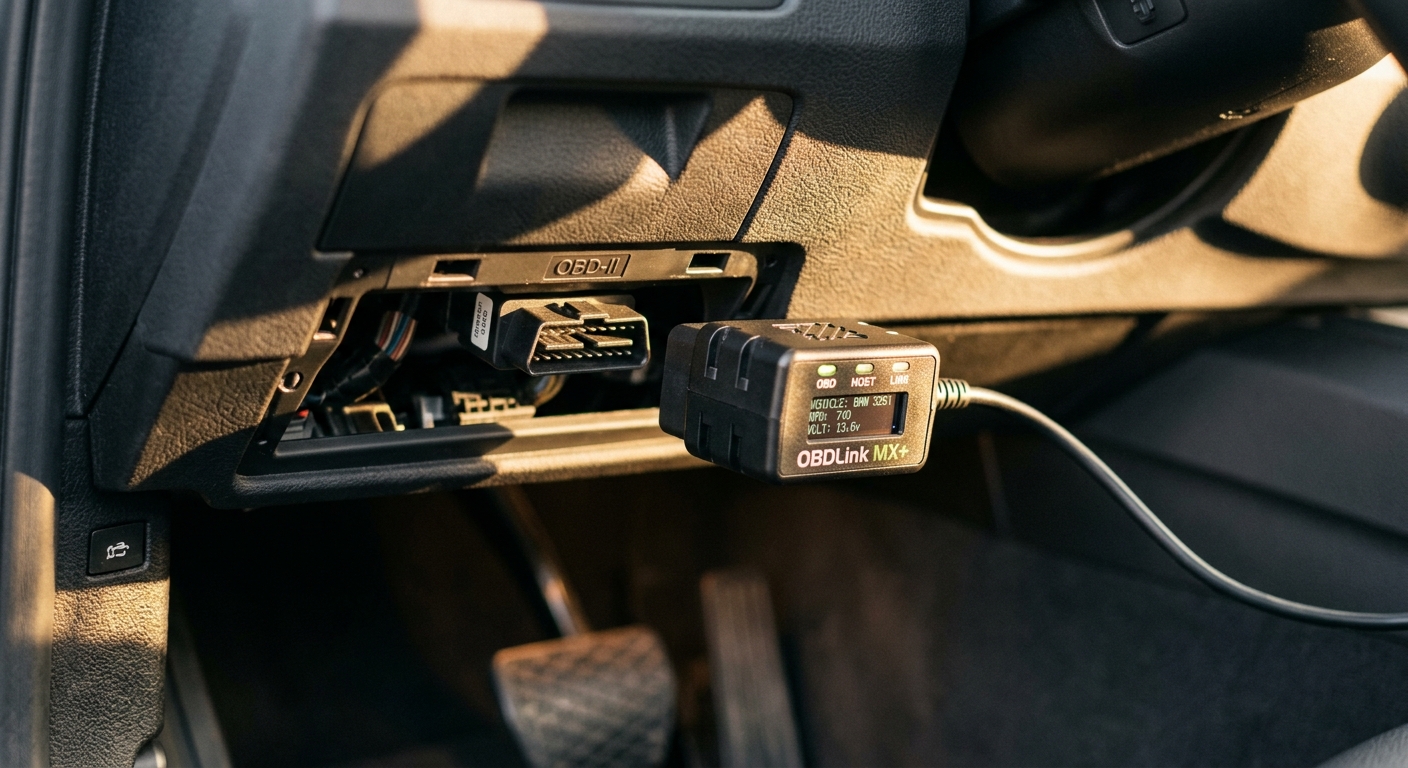
The law requires manufacturers to repair defective new vehicles at no cost to the consumer during the warranty period. If a manufacturer cannot fix a substantial defect after a reasonable number of attempts, the consumer becomes entitled to either a replacement vehicle or a full purchase price refund. The South Carolina Department of Consumer Affairs administers the law and provides resources for consumers navigating the claims process.
Understanding your rights under this statute can save you thousands of dollars and months of frustration if you find yourself stuck with a defective vehicle.
What Vehicles Does South Carolina's Lemon Law Cover?
South Carolina's lemon law applies to specific categories of new motor vehicles sold or leased and registered in the state. The definitions appear in S.C. Code Ann. section 56-28-10.
Covered Vehicle Types
| Vehicle Type | Requirements |
|---|---|
| Private passenger vehicles | Designed for transporting 10 or fewer persons |
| Trucks | Empty weight of 7,000 pounds or less AND gross weight of 9,000 pounds or less |
| Motorcycles | As defined in S.C. Code section 56-1-10(8) |
| Three-wheel motorcycles | As defined in S.C. Code section 56-1-10(18) |
| Demonstrator vehicles | Not previously titled from the dealer |
| Leased vehicles | New vehicles leased for personal, family, or household use |
Vehicles NOT Covered
- The living portion of recreational vehicles
- Off-road vehicles
- Used vehicles (vehicles previously titled to a consumer)
- Trucks exceeding the weight limits listed above
- Vehicles not sold and registered in South Carolina
- Motor-driven cycles (distinct from motorcycles under South Carolina law)
Who Qualifies as a "Consumer"?
Under section 56-28-10(1), a "consumer" includes the purchaser or lessee (not for resale purposes) of a motor vehicle normally used for personal, family, or household purposes and subject to the manufacturer's express warranty. Any other person entitled by the warranty to enforce its obligations also qualifies.
This means the law protects both buyers and lessees of qualifying new vehicles.
What Is a "New Motor Vehicle"?
A vehicle qualifies as "new" under the lemon law if it meets all three conditions:
- It was sold to a new motor vehicle dealer by a manufacturer
- It has not been used for purposes other than demonstration
- Its original title has not been issued from the new motor vehicle dealer
What Qualifies as a Lemon Defect?
Not every problem with a vehicle triggers lemon law protection. South Carolina law uses the term "nonconformity" to describe defects that qualify.
Definition of Nonconformity
Under S.C. Code Ann. section 56-28-10(5), a nonconformity is a defect or condition that substantially impairs the:
- Use of the motor vehicle
- Market value of the motor vehicle
- Safety of the motor vehicle
The word "substantially" is key. Minor cosmetic issues or small inconveniences generally do not qualify. The defect must meaningfully affect your ability to use the vehicle, reduce its resale value, or create a safety hazard.
What Does NOT Qualify
A nonconformity does not include any defect or condition that results from:
- An accident involving the vehicle
- Modification or alteration by persons other than the manufacturer or its authorized service agent
- Abuse or neglect by the consumer
If you have added aftermarket parts, modified the engine, or made other alterations, the manufacturer may argue that your changes caused the problem.
Manufacturer's Duty to Repair
Under S.C. Code Ann. section 56-28-30, the manufacturer has a legal obligation to repair any nonconformity reported during the warranty period.
Key Requirements
If a new motor vehicle does not conform to all applicable express warranties within the first 12 months of purchase or the first 12,000 miles of operation (whichever comes first), and the consumer reports the nonconformity to the manufacturer or its agent during the express warranty term, the manufacturer must make the necessary repairs at no cost to the consumer.
This obligation applies even if the actual repairs happen after the warranty term expires, as long as the defect was first reported within the coverage period.
What Counts as the Express Warranty Term
The express warranty term is the coverage period stated in the manufacturer's written warranty. For lemon law purposes, South Carolina focuses on the first 12 months or 12,000 miles, whichever comes first, as the window for reporting problems.
The Lemon Law Presumption: When Your Car Becomes a Lemon
S.C. Code Ann. section 56-28-50 creates a legal presumption that a reasonable number of repair attempts have been made when certain conditions are met. This presumption shifts the burden and strengthens the consumer's position.
Conditions That Trigger the Presumption
| Condition | Threshold | Details |
|---|---|---|
| Repair attempts for the same defect | 3 or more attempts | The same nonconformity must have been subject to repair three or more times by the manufacturer or its agent within the express warranty term, and the defect must still exist |
| Days out of service | 30 or more cumulative calendar days | The vehicle has been unavailable to the consumer because of repairs during the express warranty period |
| Coverage period | 12 months or 12,000 miles | Whichever occurs first from the date of purchase |
You only need to meet one of these two conditions (three repair attempts OR 30 days out of service) to trigger the presumption.
Extensions to the Time Period
The express warranty term and the 30-day out-of-service period may be extended during any time when repair services are unavailable due to:
- War or invasion
- Strike
- Fire, flood, or other natural disaster
These extensions prevent manufacturers from running out the clock on your warranty coverage during extraordinary circumstances.
Consumer Remedies: Refund vs. Replacement
When a vehicle qualifies as a lemon under South Carolina law, S.C. Code Ann. section 56-28-40 requires the manufacturer to provide one of two remedies. An important distinction from many other states is that South Carolina gives the manufacturer the choice between replacement and refund.
Replacement Vehicle
The manufacturer may provide a comparable motor vehicle of equal value to replace the defective one.
Full Refund
If the manufacturer chooses the refund option, the refund must include:
- Full purchase price: The price as delivered, including the base price and all options
- Applicable finance charges: Interest and fees paid on the vehicle loan
- Sales taxes: All applicable state and local taxes paid
- License fees: DMV registration costs
- Registration fees: All governmental charges
- Other similar governmental charges: Any additional fees paid to government agencies
Refunds are made to both the consumer and any lienholder (such as a bank or finance company), as their interests appear on the record of ownership kept by the Department of Motor Vehicles.
The Usage Deduction
The manufacturer may subtract a reasonable allowance for the consumer's use of the vehicle before the first report of the nonconformity. The formula is specified in the statute:
Usage Deduction = (Full Purchase Price x Miles Before First Report) / 120,000
For example, if you paid $40,000 for a vehicle and drove 5,000 miles before first reporting the defect, the usage deduction would be:
($40,000 x 5,000) / 120,000 = $1,666.67
This means the earlier you report the problem, the smaller the deduction from your refund.
When Relief Is NOT Available
A consumer cannot receive a refund or replacement if:
- The nonconformity does not substantially impair the vehicle's use, market value, or safety
- The nonconformity results from abuse, neglect, or modification by the consumer
How to File a Lemon Law Claim in South Carolina
Filing a successful lemon law claim requires careful documentation and strict compliance with the notice requirements outlined in the statute.
Step 1: Document Everything From the Start
Good records are the foundation of a strong lemon law claim. Keep the following:
- All repair orders and invoices with detailed descriptions of the problem
- Dates your vehicle was dropped off and picked up from the shop
- Written descriptions of the symptoms you experienced
- All correspondence with the dealer and manufacturer (letters, emails, texts)
- Photos or videos documenting the defect
- A log of how the defect affects your daily use of the vehicle
Step 2: Report the Problem During the Warranty Period
Report the nonconformity to the manufacturer or its authorized agent during the first 12 months of purchase or 12,000 miles of operation, whichever comes first. Make sure to get written confirmation of each report.
Step 3: Send Written Notice to the Manufacturer
Before pursuing lemon law remedies, you must send written notification to the manufacturer. This requirement applies when the manufacturer has clearly and prominently disclosed the notice requirement to you at the time of sale.
Your written notice must:
- Be sent by registered, certified, or express mail
- Describe the nonconformity in detail
- Outline the repair history for the defect
- State that you are invoking your rights under South Carolina's lemon law
This notice gives the manufacturer one final opportunity to cure the defect.
Step 4: Allow the Manufacturer a Final Repair Opportunity
After receiving your written notice, the manufacturer has 10 business days to notify you of a reasonably accessible repair facility. Once you deliver the vehicle to that facility, the manufacturer has an additional 10 business days to attempt the repair and conform the vehicle to the express warranty.
Step 5: Pursue Your Remedy
If the manufacturer fails to repair the vehicle within the final 10-business-day period, the manufacturer must replace the vehicle or provide a refund as required by section 56-28-40.
Step 6: Contact the Department of Consumer Affairs
If you need assistance at any stage, the South Carolina Department of Consumer Affairs can help. You can reach them at:
- Toll-free: (800) 922-1594
- Local: (803) 734-4200
- Email: scdca@scconsumer.gov
- Hours: 8:30 a.m. to 5:00 p.m., Monday through Friday (excluding state holidays)
The Department also provides a Lemon Law Checklist and a Sample Final Repair Notice to help you through the process.
Informal Dispute Settlement and Arbitration
South Carolina provides two paths for resolving lemon law disputes before going to court.
Manufacturer's Informal Dispute Settlement Procedure
Under S.C. Code Ann. section 56-28-60, if a manufacturer has established an informal dispute settlement procedure that substantially complies with federal regulations (16 CFR Part 703), or participates in an arbitration panel whose decisions bind the manufacturer, the consumer must use that procedure first before the lemon law's refund or replacement provisions apply.
Key points about manufacturer arbitration:
- The manufacturer must inform you about the procedure's existence
- The procedure must substantially comply with FTC regulations
- Decisions are binding on the manufacturer but not on the consumer
- The dispute must typically be resolved within 40 days
- In most cases, you can submit documentation without attending an in-person hearing
State Arbitration Board
Under S.C. Code Ann. section 56-28-90, the Administrator of the Department of Consumer Affairs may establish a state arbitration board. This board consists of five members and reviews cases involving manufacturers that have not created compliant informal dispute settlement procedures. The cost of this arbitration is borne entirely by the manufacturer, not the consumer.
Going to Court
If arbitration does not resolve the dispute, or if the manufacturer has no qualifying arbitration program, you may file a lawsuit. Under section 56-28-50(D), any consumer who prevails in court may recover:
- Court costs
- Expenses of the litigation
- Reasonable attorney fees based on actual time expended
The court retains discretion to deny attorney fees if it determines such an award would be inappropriate.
Manufacturer Defenses
Manufacturers may raise several defenses to challenge a lemon law claim.
| Defense | Manufacturer's Argument | How to Counter It |
|---|---|---|
| No substantial impairment | The defect does not substantially impair use, market value, or safety | Document how the defect affects daily driving, reduces resale value, or creates safety risks |
| Abuse or neglect | The defect resulted from consumer misuse | Provide complete maintenance records and evidence of proper care |
| Modification or alteration | The consumer or a third party modified the vehicle | Show the defect existed before any modifications or is completely unrelated to them |
| Untimely notice | The consumer did not report the defect within the coverage period | Keep dated records of every repair visit and communication with the dealer |
| Insufficient repair attempts | The presumption threshold was not met | Maintain a detailed repair log with dates, durations, and descriptions |
Dealer Protection Under the Lemon Law
South Carolina's lemon law specifically shields dealers from liability. Under S.C. Code Ann. section 56-28-80:
- No liability is imposed on motor vehicle dealers under the lemon law
- No cause of action is created against dealers under section 56-28-40
- Manufacturers cannot charge back dealers for lemon law costs absent evidence the dealer performed inconsistent or substandard repairs
This means your claim is directed at the vehicle's manufacturer, not the dealership where you purchased or leased the vehicle.
Resale of Lemon Law Buyback Vehicles
South Carolina has strict requirements for vehicles repurchased under the lemon law, designed to protect anyone who might buy the vehicle in the future.
Title Branding
Under S.C. Code Ann. section 56-19-490, when a vehicle is returned to the manufacturer under the lemon law (or a similar law from another state, or as the result of a legal action), the title must display the following statement in large, bold, uppercase type:
"RETURNED TO MANUFACTURER UNDER LEMON LAW OR OTHER PROCEEDING"
This branding carries forward on every subsequent title issued for that vehicle.
Manufacturer Reporting Requirements
Manufacturers must notify the Department of Consumer Affairs within 30 calendar days of repurchasing a vehicle. The notification must include:
- The vehicle identification number (VIN)
- The reason for the repurchase
- Confirmation that all necessary repairs have been made and the vehicle meets operating standards
Warranty on Resold Lemon Vehicles
Before reselling a repurchased lemon vehicle, the manufacturer must provide:
- A written warranty covering the vehicle for 12 months or 12,000 miles
- Express coverage of any component related to the repurchase decision
- Full disclosure of the repurchase history to any dealer or wholesale purchaser
Penalties for Noncompliance
Any person who transfers or attempts to transfer a lemon buyback vehicle without proper disclosure faces a fine of $500 to $5,000 per vehicle, provided the person knew the vehicle had been returned under a lemon law or similar proceeding. Penalties may be challenged through a contested case hearing with the Administrative Law Court.
Statute of Limitations
Under S.C. Code Ann. section 56-28-70, any action under South Carolina's lemon law must be filed within three years from the date of original delivery of the motor vehicle to the consumer. Missing this deadline bars your claim entirely, so it is important to act promptly once you believe your vehicle qualifies as a lemon.
Electric and Hybrid Vehicles
South Carolina's lemon law does not specifically mention electric or hybrid vehicles, but the statute's broad definition of "motor vehicle" means that new electric and hybrid passenger vehicles, trucks within the weight limits, and electric motorcycles all qualify for protection as long as they meet the general requirements.
Common EV-specific issues that may qualify as nonconformities include:
- Rapid or abnormal battery degradation beyond what the warranty specifies
- Charging system malfunctions
- Software defects affecting drivetrain performance
- Range significantly below the manufacturer's stated specifications
Keep in mind that normal battery degradation over time is generally not considered a nonconformity. The defect must substantially impair use, value, or safety.
Federal Protections: The Magnuson-Moss Warranty Act
If your vehicle does not qualify under South Carolina's state lemon law (for example, because it is used or exceeds the weight limits), you may still have recourse under the federal Magnuson-Moss Warranty Act (15 U.S.C. sections 2301-2312). This federal law applies to any consumer product sold with a written warranty, including both new and used vehicles.
Key provisions of the Magnuson-Moss Act include:
- Applies to vehicles with any remaining written warranty, including extended warranties and service contracts
- Requires manufacturers to provide a remedy if they cannot repair a warranted product after a reasonable number of attempts
- Allows consumers to recover attorney fees and court costs if they prevail
- Does not have the same mileage or time restrictions as state lemon laws
The Magnuson-Moss Act can be a valuable backup when state protections fall short.
Tips for Strengthening Your Lemon Law Claim
Following these practical steps can improve your chances of a successful outcome:
-
Report defects immediately. The sooner you report a problem, the smaller your usage deduction will be and the more time you have to build a repair history within the coverage period.
-
Always use authorized repair facilities. Repairs by independent shops may not count toward your lemon law repair attempts.
-
Get everything in writing. Verbal promises from dealer service advisors carry little weight in a formal claim. Ask for written repair orders every time.
-
Keep your own detailed log. Record dates, mileage at drop-off and pickup, descriptions of the problem, and what the dealer told you after each visit.
-
Send written notice properly. Use registered, certified, or express mail so you have proof the manufacturer received your notice.
-
Do not wait. The three-year statute of limitations begins at the date of original delivery, not when you discover the defect. Delays can jeopardize your claim.
-
Consider legal counsel. Because prevailing consumers may recover attorney fees under section 56-28-50(D), many lemon law attorneys take cases on a contingency basis.
More South Carolina Laws
Sources and References
- S.C. Code Ann. sections 56-28-10 through 56-28-110 (Full Statute Text)(www.scstatehouse.gov).gov
- South Carolina Department of Consumer Affairs: Lemon Law(consumer.sc.gov).gov
- South Carolina Department of Consumer Affairs: Lemon Law FAQ(consumer.sc.gov).gov
- S.C. Code Ann. section 56-19-490 (Lemon Law Returns and Title Branding)(www.scstatehouse.gov).gov
- 16 CFR Part 703: Informal Dispute Settlement Procedures (FTC)(www.ecfr.gov).gov
- Magnuson-Moss Warranty Act (FTC)(www.ftc.gov).gov
- South Carolina Lemon Law Checklist (PDF)(www.consumer.sc.gov).gov
- BBB AUTO LINE: South Carolina Lemon Law Information(bbbprograms.org)