North Dakota Lemon Law: Your Complete Legal Guide
Overview of North Dakota's Lemon Law
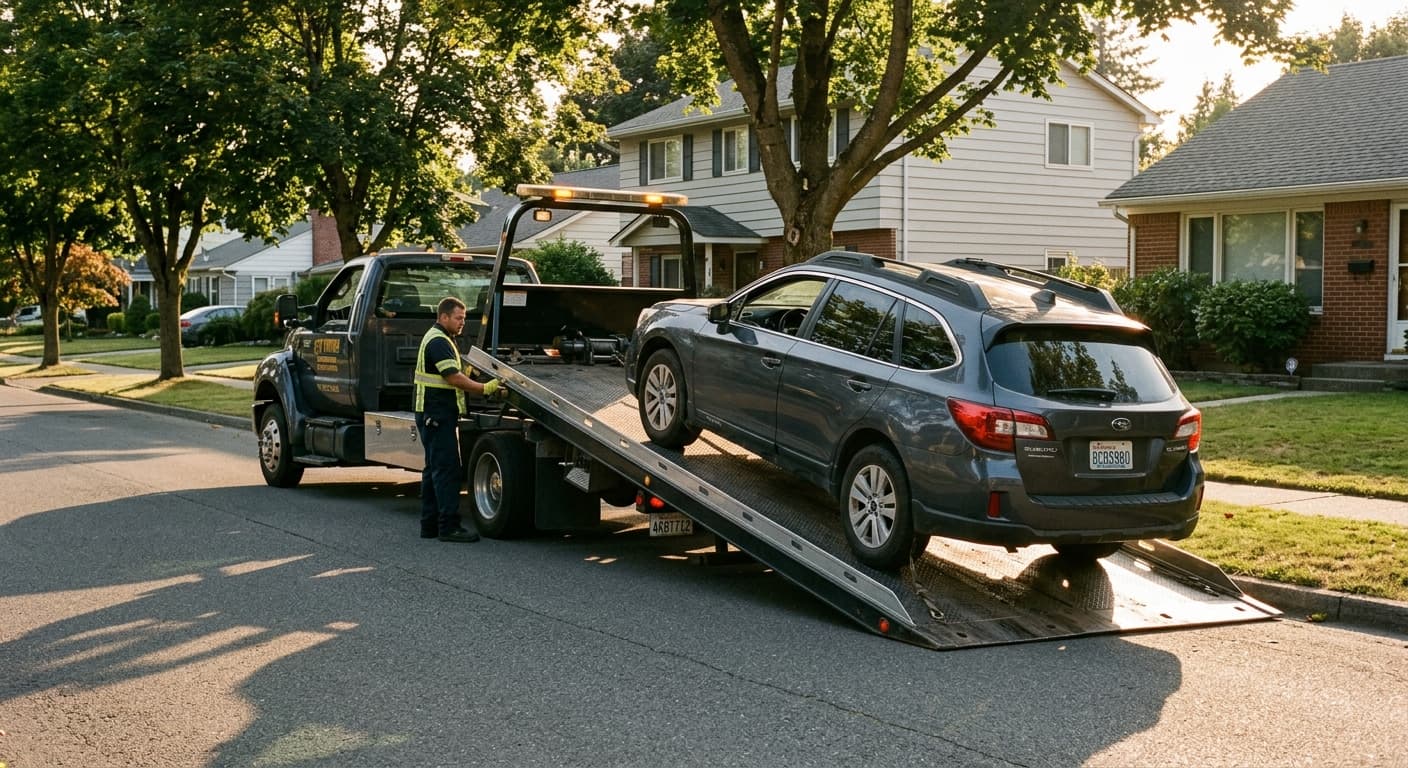
North Dakota protects consumers who purchase or lease defective new vehicles through its Motor Vehicle Warranty Enforcement Act. Found in N.D.C.C. Sections 51-07-16 through 51-07-22, this law requires manufacturers to either replace or refund a vehicle that cannot be repaired after a reasonable number of attempts.
The law places the burden on manufacturers to stand behind their products. If your new vehicle has a defect that substantially impairs its use and market value, and the manufacturer cannot fix it after multiple tries, you have the right to demand a refund or replacement.
North Dakota's lemon law is relatively consumer-friendly compared to many states. It requires only three repair attempts (rather than the four required in many states) and uses a clear statutory framework that spells out specific rights and obligations for both consumers and manufacturers.
What Vehicles Does North Dakota's Lemon Law Cover?
Under N.D.C.C. Section 51-07-16, the law defines "passenger motor vehicle" to include specific types of vehicles sold or leased in the state.
Covered Vehicles
| Vehicle Type | Coverage Details |
|---|---|
| Passenger cars | Cars, sedans, coupes, and similar vehicles as defined in N.D.C.C. Section 39-01-01 |
| Trucks | Trucks with a registered gross weight of 10,000 pounds (4,536 kilograms) or less |
| Truck-chassis vehicles | Vehicles using a truck chassis with seating capacity for four or more passengers |
| Leased vehicles | Vehicles leased for personal, family, or household purposes |
| Demonstrator vehicles | Demo vehicles sold as new with manufacturer warranty |
Vehicles Not Covered
- Used vehicles purchased without manufacturer warranty
- House cars (motorhomes) as defined in N.D.C.C. Section 39-01-01
- Heavy trucks with registered gross weight exceeding 10,000 pounds
- Vehicles purchased for resale or lease (dealer inventory)
- Vehicles used primarily for commercial purposes rather than personal, family, or household use
Who Qualifies as a "Consumer"?
The statute defines "consumer" as the purchaser or lessee of a passenger motor vehicle normally used for personal, family, or household purposes. This definition also includes any person to whom the vehicle is transferred for the same purposes during the warranty period, as well as anyone entitled to enforce the warranty under its terms.
The Manufacturer's Duty to Repair
N.D.C.C. Section 51-07-17 establishes the manufacturer's obligation to repair defective vehicles. If a new passenger motor vehicle does not conform to all applicable express warranties, and the consumer reports the nonconformity during the warranty term or within one year of original delivery (whichever comes first), the manufacturer, its agent, or authorized dealer must make the necessary repairs.
An important consumer protection built into this section: even if the warranty period or one-year window expires before repairs are complete, the manufacturer must still finish the repairs. The reporting deadline and the repair obligation are separate. As long as you reported the problem on time, the manufacturer cannot refuse to fix it just because the warranty has since expired.
North Dakota's Lemon Law Presumption
Under N.D.C.C. Section 51-07-18, North Dakota creates a rebuttable presumption that a reasonable number of repair attempts have occurred when certain conditions are met.
When the Presumption Applies
The law presumes that a reasonable number of repair attempts have been made if either of these conditions is satisfied:
| Condition | Requirement | Time Frame |
|---|---|---|
| Repeated repair attempts | The same nonconformity has been subject to repair more than 3 times | Within the express warranty term or 1 year from original delivery, whichever is earlier |
| Extended out-of-service time | Vehicle out of service for a cumulative total of at least 30 business days | During the warranty term or 1 year from original delivery, whichever is less |
Once this presumption is triggered, the burden shifts to the manufacturer to prove that additional repair attempts would succeed or that the problem does not substantially impair the vehicle's use and market value.
What Counts as a "Nonconformity"?
A nonconformity is any defect or condition that substantially impairs the use and market value of the vehicle. The defect must be covered by the manufacturer's express warranty. Examples include:
- Engine failures or persistent mechanical problems
- Transmission malfunctions or slipping
- Brake system defects affecting stopping ability
- Steering problems that compromise control
- Electrical system failures
- Safety system malfunctions (airbags, stability control, anti-lock brakes)
- Persistent warning lights indicating unresolved mechanical issues
- Heating or air conditioning system failures
- Excessive oil consumption or fluid leaks
Minor cosmetic issues or problems caused by the consumer's own misuse generally do not qualify.
Consumer Remedies: Refund or Replacement
When a vehicle meets the lemon law presumption, the consumer gets to choose between two remedies under N.D.C.C. Section 51-07-18.

Option 1: Full Refund
The manufacturer must refund the full purchase price, including all collateral charges. The refund covers:
- Purchase price: The full contract price of the vehicle
- Collateral charges: Sales tax, license fees, registration fees, and similar government charges
- Finance charges: Interest and other financing costs incurred
- Incidental damages: Reasonable expenses resulting from the nonconformity (such as towing costs or rental car expenses)
Usage Offset: The manufacturer may deduct a reasonable allowance for the consumer's use of the vehicle. North Dakota law caps this deduction at 10 cents per mile driven or 10% of the purchase price, whichever is less. This cap protects consumers from excessive deductions.
Example: For a $35,000 vehicle driven 5,000 miles before the first repair attempt, the per-mile calculation would be $500 (5,000 x $0.10). Ten percent of the purchase price would be $3,500. Since $500 is less than $3,500, the manufacturer could deduct only $500 from the refund.
Option 2: Replacement Vehicle
Instead of a refund, the consumer may request that the manufacturer provide a comparable replacement vehicle. The replacement must be:
- A new passenger motor vehicle
- Comparable in value and features to the original
- Covered by the manufacturer's standard warranty
Special Rules for Leased Vehicles
For leased vehicles, the manufacturer must refund to the lessee the sum of all lease payments previously paid to the lessor, minus a reasonable allowance for the consumer's use of the vehicle.
Written Notice Requirement
Before you can seek a refund or replacement, North Dakota law requires that you send written notice to the manufacturer. This is a critical step that many consumers overlook.
What the Notice Must Include
Your written notice should contain:
- A description of the nonconformity or defect
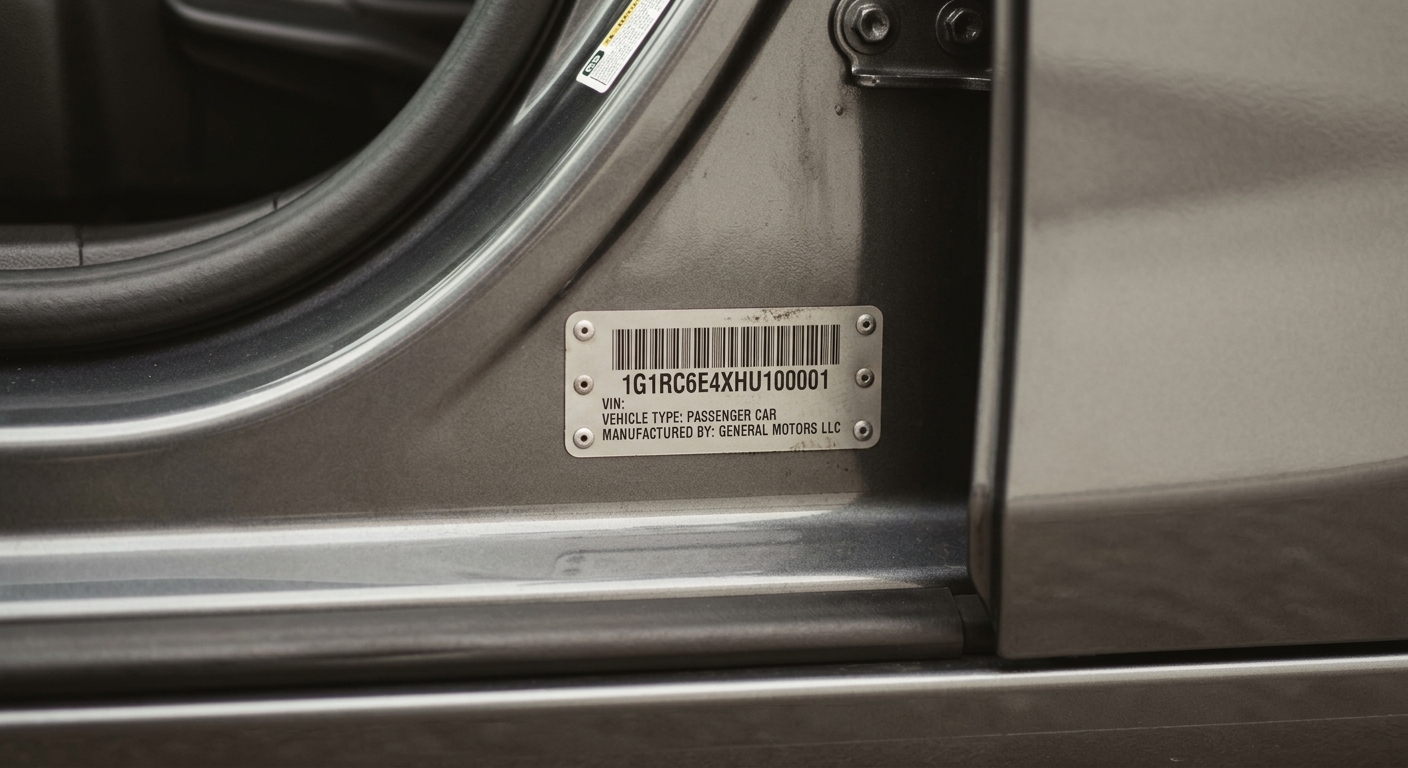
- The vehicle identification number (VIN)
- Your contact information
- The number of repair attempts already made
- Your desired remedy (refund or replacement)
How to Send the Notice
Send the notice via certified mail with return receipt requested. This creates a legal record that the manufacturer received your notice. Keep a copy of the letter and the certified mail receipt for your records.
Manufacturer's Final Repair Opportunity
After receiving your notice, the manufacturer is entitled to one final opportunity to repair the nonconformity. You must make the vehicle available at a reasonably accessible repair facility. If this final attempt fails, you may then proceed with your lemon law claim.
Informal Dispute Resolution Requirements
N.D.C.C. Section 51-07-18 addresses informal dispute resolution. If a manufacturer has established or participates in an informal dispute settlement procedure that substantially complies with the Federal Trade Commission's rules under 16 CFR Part 703, or if the manufacturer participates in a binding arbitration program, you may be required to use that process before filing a lawsuit.
BBB AUTO LINE
Several major manufacturers participate in the BBB AUTO LINE program, which offers free dispute resolution for vehicle warranty complaints. Key features of this program include:
- No cost to consumers for participating manufacturer vehicles
- A Dispute Resolution Specialist guides you through the process
- If no agreement is reached, the case proceeds to arbitration
- The arbitrator's decision is binding on the manufacturer but not binding on the consumer
- If you reject the arbitration result, you retain the right to file a lawsuit
- Contact BBB AUTO LINE at 1-800-955-5100
In-State Hearing Requirement
If you request an oral presentation before an arbitration board or dispute settlement mechanism, North Dakota law requires that the hearing take place in North Dakota (the state where you reside). The manufacturer cannot require you to travel out of state for dispute resolution.
How to File a Lemon Law Claim: Step-by-Step
Step 1: Document Everything From the Start
Thorough documentation is essential for a successful lemon law claim. Keep organized records of:
- All repair orders and service invoices
- Dates the vehicle was brought in for each repair attempt
- The specific problems reported at each visit
- What repairs were attempted and their outcomes
- The number of business days the vehicle was unavailable
- All written correspondence with the dealer and manufacturer
- Photographs or videos of the defect when possible
Step 2: Report the Defect Within the Coverage Period
Make sure you report the nonconformity to the manufacturer, its agent, or authorized dealer during the express warranty term or within one year of original delivery, whichever comes first. Even if repairs extend beyond this window, the key date is when you first reported the problem.
Step 3: Allow Reasonable Repair Attempts
Give the manufacturer a fair chance to fix the vehicle. Keep detailed records of each attempt. After three unsuccessful repair attempts for the same problem, or after the vehicle has been out of service for 30 cumulative business days, the lemon law presumption applies.
Step 4: Send Written Notice to the Manufacturer
Once the presumption threshold is met, send a certified letter to the manufacturer describing the defect and requesting your chosen remedy (refund or replacement). Allow the manufacturer a final repair opportunity.
Step 5: Use Required Dispute Resolution
If the manufacturer participates in a qualifying informal dispute settlement program, you must use it before filing suit. Complete the process and, if unsatisfied with the outcome, proceed to the next step.
Step 6: File a Civil Action If Necessary
If informal dispute resolution does not resolve your claim, you may file a lawsuit in North Dakota district court. Remember that the statute of limitations is strict: you must file within six months after the earlier of the warranty expiration or 18 months from the date of original delivery.
Manufacturer Defenses
Manufacturers may raise several defenses to avoid lemon law liability. Understanding these defenses helps you build a stronger case.
| Defense | What the Manufacturer Claims | How to Counter It |
|---|---|---|
| Consumer abuse or neglect | The defect was caused by the owner's misuse, abuse, or neglect | Provide complete maintenance records showing proper vehicle care |
| Unauthorized modifications | Aftermarket parts or modifications caused the problem | Demonstrate the defect existed before any modifications or is unrelated to them |
| Defect not substantial | The problem does not substantially impair use and market value | Document specific ways the defect affects daily driving, safety, or reliability |
| No written notice | The consumer failed to send the required certified mail notice | Keep certified mail receipts and copies of all correspondence |
| Outside reporting period | The defect was first reported after the warranty term or one-year window | Show service records proving the first report fell within the coverage period |
| Damage from accident or natural disaster | The problem resulted from external events, not manufacturing defects | Obtain an independent mechanic's assessment confirming the defect is manufacturing-related |
Exclusive Remedy and Statute of Limitations
Exclusive Remedy Election
Under N.D.C.C. Section 51-07-20, a consumer who elects to proceed under the lemon law is foreclosed from pursuing any other remedy arising out of the same facts and circumstances. This means that once you file a lemon law claim, you cannot also sue the manufacturer for breach of warranty or other claims based on the same defect.
Before electing the lemon law remedy, consider whether another legal theory (such as a claim under the federal Magnuson-Moss Warranty Act) might provide a better outcome for your situation.
Statute of Limitations
N.D.C.C. Section 51-07-21 sets a strict deadline for filing a lemon law action. You must commence your lawsuit within six months after the earlier of:
- Expiration of the express warranty term, or
- Eighteen months after the date of original delivery of the vehicle to the consumer
Missing this deadline permanently bars your lemon law claim, so act promptly once your vehicle qualifies.
Resale of Returned Lemon Vehicles
N.D.C.C. Section 51-07-22 protects future buyers by regulating the resale of vehicles returned under the lemon law.
Resale Within North Dakota
A person may not sell or lease a returned lemon vehicle in North Dakota unless the manufacturer provides the same express warranty it gave the original purchaser. The warranty term must be for at least 12,000 miles or 12 months after the date of resale, whichever comes first.
Resale Outside North Dakota
A person may not ship or deliver a returned lemon vehicle for resale or lease in another state unless the reasons for the vehicle's return are fully disclosed to any prospective buyer.
Penalty for Violations
Violating the resale disclosure requirements is a Class B misdemeanor under North Dakota law.
Protections for Used Vehicle Buyers
North Dakota's lemon law applies only to new vehicles. However, used vehicle buyers are not without recourse.
Alternative Legal Protections
- Remaining manufacturer warranty: If the original factory warranty is still in effect, you have the same warranty rights as the original buyer
- Dealer warranties: Written warranties provided by the selling dealer are legally enforceable contracts
- North Dakota Consumer Fraud Act (N.D.C.C. Chapter 51-15): Prohibits deceptive trade practices, including misrepresentation of a vehicle's condition or history
- Federal Magnuson-Moss Warranty Act (15 U.S.C. Sections 2301-2312): Provides federal warranty protections that apply to both new and used vehicles sold with a written warranty
Tips for Used Vehicle Buyers
- Request a vehicle history report before purchase to check for prior lemon law returns
- Have an independent mechanic inspect the vehicle before you buy
- Get all warranty promises in writing from the dealer
- Ask whether the vehicle was ever returned under any state's lemon law
- Keep all purchase documents, repair records, and communications
Filing a Consumer Complaint
The North Dakota Attorney General's Consumer Protection Division can assist with complaints related to vehicle purchases, including deceptive practices.
Contact Information
- Phone: (701) 328-3404
- Toll-free (within ND): 1-800-472-2600
- Online: attorneygeneral.nd.gov/consumer-resources/consumer-complaints/
The Consumer Protection Division mediates complaints between consumers and businesses. While it does not handle individual lemon law claims, it can help with fraud, misrepresentation, and deceptive trade practice complaints.
North Dakota Lemon Law vs. Federal Warranty Law
| Feature | North Dakota Lemon Law (N.D.C.C. 51-07-16 to 51-07-22) | Federal Magnuson-Moss Warranty Act |
|---|---|---|
| Coverage | New vehicles only | New and used vehicles with written warranty |
| Repair attempts | 3+ for same defect or 30 business days out of service | No specific number; "reasonable" standard |
| Remedies | Refund or replacement (consumer's choice) | Refund, replacement, or damages |
| Attorney fees | Not specifically authorized by statute | Available to prevailing consumers |
| Exclusive remedy | Yes, bars other claims from same facts | No, can be combined with state claims |
| Statute of limitations | 6 months from earlier of warranty expiration or 18 months from delivery | 4 years from breach |
Understanding both options helps you choose the best legal strategy for your situation.
More North Dakota Laws
Sources and References
- N.D.C.C. Chapter 51-07: Motor Vehicle Warranty Enforcement Act (Sections 51-07-16 through 51-07-22)(ndlegis.gov).gov
- North Dakota Attorney General: Consumer Rights(attorneygeneral.nd.gov).gov
- North Dakota Attorney General: Consumer Complaints(attorneygeneral.nd.gov).gov
- N.D.C.C. Chapter 51-15: Unlawful Sales or Advertising Practices (Consumer Fraud Act)(ndlegis.gov).gov
- 16 CFR Part 703: Informal Dispute Settlement Procedures (FTC)(ecfr.gov).gov
- 15 U.S.C. Sections 2301-2312: Magnuson-Moss Warranty Act(law.cornell.edu)
- North Dakota Motor Vehicle Division(dot.nd.gov).gov