North Carolina Lemon Law: Your Complete Legal Guide
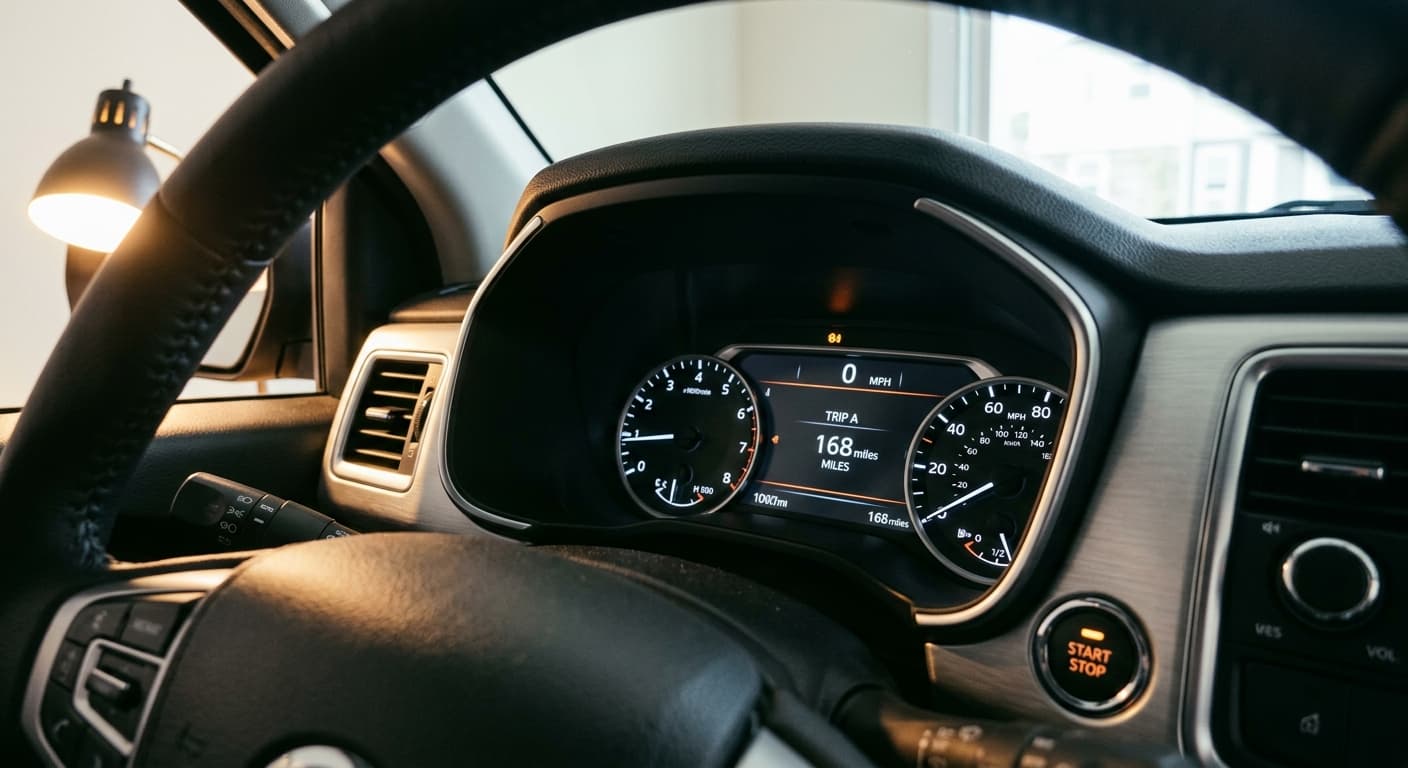
North Carolina protects consumers who purchase or lease new vehicles that turn out to be defective. The state's New Motor Vehicles Warranties Act, found at N.C.G.S. Sections 20-351 through 20-351.10, gives buyers and lessees the right to demand a replacement vehicle or a full refund when a manufacturer cannot fix a covered defect after a reasonable number of attempts.
This guide covers every element of the North Carolina lemon law, including which vehicles qualify, how to meet the lemon law presumption, what remedies are available, and how to file a successful claim.
Which Vehicles Are Covered
The North Carolina lemon law applies to specific categories of motor vehicles. Understanding these coverage rules is the first step before pursuing any claim.
Covered Vehicle Types
Under N.C.G.S. 20-351.1, the law covers any new motor vehicle that is sold or leased in North Carolina. Covered vehicles include:
- Passenger cars: Sedans, coupes, hatchbacks, and similar vehicles
- Pickup trucks: Light-duty trucks under 10,000 pounds gross vehicle weight
- Vans and minivans: Including passenger vans used for personal transportation
- Motorcycles: Street-legal motorcycles with a manufacturer warranty
- Electric vehicles: Battery-electric and plug-in hybrid vehicles under 10,000 pounds
- Leased vehicles: New vehicles obtained through a lease agreement qualify the same as purchased vehicles
- Demonstrator vehicles: Demo models sold as new with remaining warranty coverage
Vehicles Not Covered
The statute specifically excludes the following:
- Used vehicles, even those with remaining manufacturer warranty
- House trailers as defined in N.C.G.S. 20-4.01
- Motor vehicles weighing 10,000 pounds or more (gross vehicle weight)
- Mopeds and electric-assisted bicycles
- Off-road vehicles not designed for highway use
- Vehicles purchased or leased outside North Carolina
The North Carolina Lemon Law Presumption
Under N.C.G.S. 20-351.5, North Carolina law creates a legal presumption that a manufacturer has had a reasonable number of attempts to fix a vehicle when specific conditions are met during the warranty period.
When the Presumption Applies
| Condition | Requirement | Details |
|---|---|---|
| Repair Attempts (Same Defect) | 4 or more attempts | The same nonconformity has been presented for repair four or more times but continues to exist |
| Days Out of Service | 20 or more cumulative business days | Vehicle out of service for repair during any 12-month period of the warranty |
| Coverage Window | 24 months or 24,000 miles | Defect must first occur within 24 months or 24,000 miles from original delivery, whichever comes first |
| Written Notice | Required before seeking remedy | Consumer must give the manufacturer written notice and allow up to 15 days for a final repair attempt |
Important: North Carolina counts business days, not calendar days, when calculating time out of service. Weekends and holidays do not count toward the 20-day threshold.
What Qualifies as a Covered Defect
A defect or nonconformity under the lemon law must meet two conditions. First, it must substantially impair the use, market value, or safety of the vehicle. Second, it must be covered under the manufacturer's express warranty.
The defect does not need to make the vehicle undrivable. Examples of qualifying defects include:
- Engine or transmission failures affecting performance
- Brake system malfunctions
- Steering defects or alignment problems that persist after repair
- Electrical system failures, including infotainment or sensor systems
- Airbag or safety restraint defects
- Persistent air conditioning or heating failures
- Significant paint defects or body panel issues
- Chronic water leaks causing interior damage
- Battery or charging system problems in electric vehicles
Even cosmetic issues like peeling paint may qualify if they substantially reduce the vehicle's market value.
Consumer Remedies: Refund or Replacement
When a vehicle qualifies as a lemon under N.C.G.S. 20-351.3, the consumer has the right to choose between two remedies. The manufacturer cannot override this choice.
Option 1: Comparable Replacement Vehicle
The manufacturer must provide a comparable new motor vehicle of the same make and model with equivalent features and equipment. If the exact model is no longer available, the replacement must be as closely comparable as possible.
Option 2: Full Refund (Buyback)
If the consumer chooses a refund, the manufacturer must return all of the following:
- Full contract price: Including charges for undercoating, dealer preparation, transportation, and installed options
- Extended warranties: Non-refundable portions of extended warranties and service contracts
- Collateral charges: Sales tax, license fees, registration fees, and similar government charges
- Finance charges: Interest incurred after the consumer first reported the nonconformity to the manufacturer, its agent, or its authorized dealer
- Incidental and consequential damages: Reasonable expenses caused by the defect, such as towing fees, rental car costs, and lost wages
Reasonable Allowance for Use Deduction
The refund is reduced by a reasonable allowance for the consumer's use of the vehicle. North Carolina calculates this deduction using the following formula:
Use Allowance = Purchase Price x (Miles Driven / 120,000)
The mileage used in this formula is calculated up to the date of the third repair attempt for the same defect, or the 20th cumulative business day the vehicle was out of service for repair, whichever occurs first. Miles driven after that triggering event are not counted against the consumer.
For leased vehicles, the lessor's actual lease price replaces the purchase price in the formula.
How to File a North Carolina Lemon Law Claim
Filing a successful claim requires following the statutory procedures carefully. Missing a step can delay or jeopardize your case.
Step 1: Document Every Repair Visit
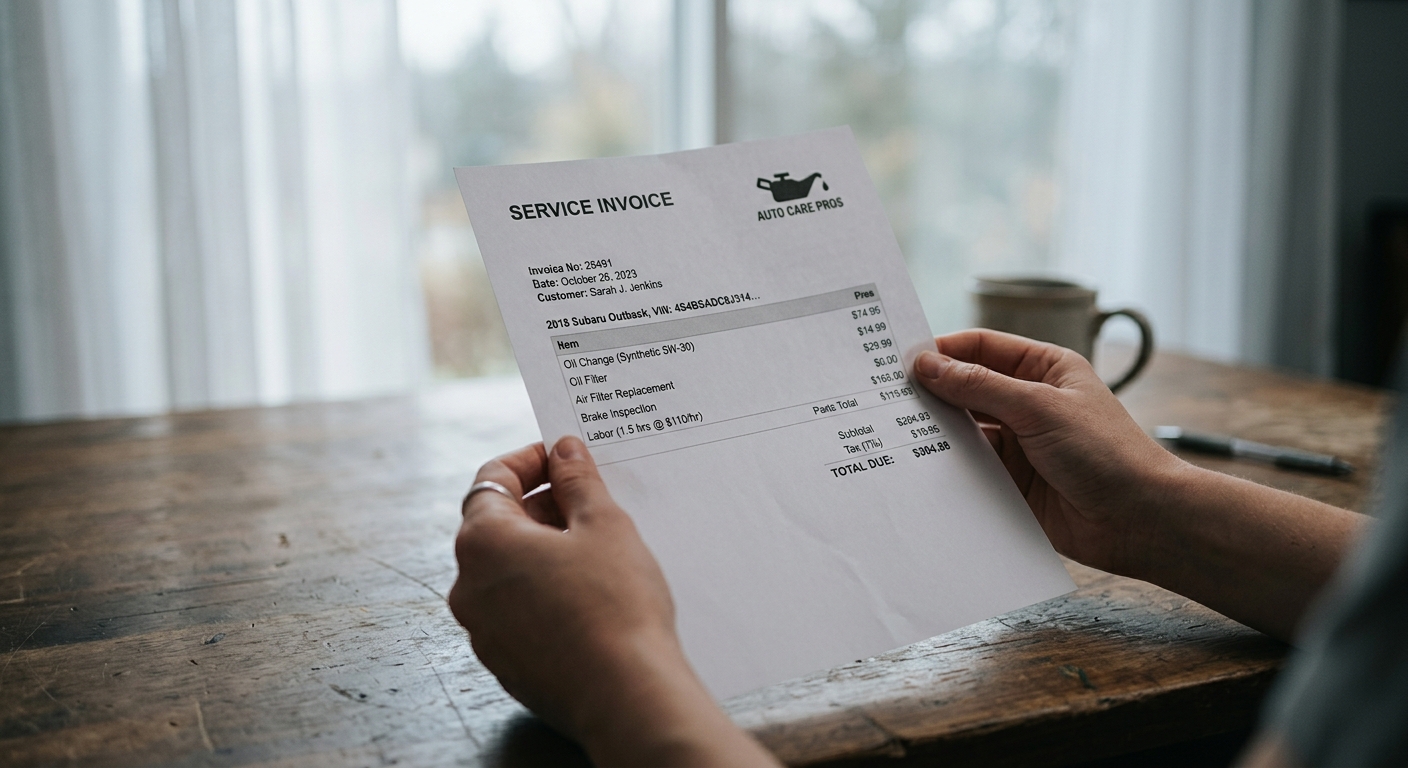
Start building your case from the first repair visit. Keep the following records:
- Copies of all repair orders, work orders, and invoices
- Dates the vehicle was dropped off and picked up from the dealer
- Written descriptions of the problem you reported each time
- A running count of business days the vehicle was out of service
- All correspondence with the dealer and manufacturer
Step 2: Send Written Notice to the Manufacturer
Before you can demand a remedy, North Carolina law requires you to send written notice to the manufacturer. Your notice should include:
- Your full name and contact information
- Vehicle identification details (year, make, model, and VIN)
- A clear description of the defect or nonconformity
- A summary of all repair attempts and dates
- Your preferred remedy (refund or replacement)
Send this notice by certified mail with return receipt requested so you have proof of delivery.
Step 3: Allow the Manufacturer 15 Days to Respond
After receiving your written notice, the manufacturer has a reasonable period, not to exceed 15 calendar days, to make one final attempt to fix the defect. If the repair fails or the manufacturer does not respond, you can move to the next step.
Step 4: Demand Your Chosen Remedy
Once the 15-day period passes without a successful repair, formally demand your refund or replacement vehicle in writing.
Step 5: Pursue Dispute Resolution or Court Action
If the manufacturer refuses to comply, you have two main paths forward: manufacturer-sponsored arbitration or filing a lawsuit in North Carolina court.
Dispute Resolution Options
North Carolina law recognizes both informal dispute settlement procedures and formal court action as ways to resolve lemon law claims.
Manufacturer Arbitration Programs
Under N.C.G.S. 20-351.7, if a manufacturer has an informal dispute settlement procedure that complies with federal regulations, a consumer must use that procedure before filing a lawsuit. Check your warranty booklet to see if your manufacturer requires arbitration first.
Key facts about manufacturer arbitration in North Carolina:
- The process is free to consumers; the manufacturer pays all costs
- The arbitrator's decision is binding on the manufacturer but not binding on the consumer
- If you disagree with the arbitration outcome, you may still file a lawsuit
- The manufacturer must comply with the arbitration decision within 40 days
BBB AUTO LINE
Several major manufacturers use the BBB AUTO LINE program to handle lemon law disputes. This program offers mediation and arbitration at no cost to the consumer. Participating manufacturers include General Motors, Ford, Honda, Toyota, and others.
Filing a Lawsuit in Court
If arbitration is not required or does not resolve your claim, you may file a civil action in North Carolina court under N.C.G.S. 20-351.8. The statute provides several powerful remedies for consumers who go to court:
- Monetary damages in the amount fixed by the jury verdict
- Treble damages if the court finds the manufacturer unreasonably refused to comply with the law
- Attorney fees for the prevailing party if the manufacturer unreasonably failed to resolve the matter
- Injunctive relief as the court deems appropriate
The availability of treble damages and attorney fees gives consumers significant leverage in negotiations with manufacturers.
Manufacturer Defenses
Manufacturers may raise several defenses to avoid lemon law liability. Understanding these defenses can help you prepare a stronger claim.
| Defense | Manufacturer's Argument | How to Counter It |
|---|---|---|
| Consumer abuse or neglect | The defect was caused by the owner's misuse | Provide maintenance records showing proper care and following the owner's manual |
| Unauthorized modifications | Aftermarket parts caused the problem | Show the defect existed before any modifications were made |
| Defect not substantial | The problem does not impair use, value, or safety | Document how the defect specifically affects your daily use or the vehicle's resale value |
| Insufficient notice | Consumer did not provide proper written notice | Keep proof of certified mail delivery with return receipt |
| Outside coverage period | Defect was first reported after 24 months or 24,000 miles | Provide dealer records showing the first report was within the coverage window |
| Accident or collision damage | Defect resulted from an accident, not a manufacturing issue | Obtain an independent inspection report documenting the defect is unrelated to any collision |
Used Vehicle Protections
North Carolina's lemon law does not cover used vehicles. However, buyers of used cars still have legal protections available through other laws.
Alternative Protections for Used Vehicle Buyers
- Remaining manufacturer warranty: If the original factory warranty has not expired, you may file a warranty claim against the manufacturer
- Dealer warranties: Some dealers provide written warranties on used vehicles that create enforceable obligations
- Unfair and Deceptive Trade Practices Act: N.C.G.S. 75-1.1 prohibits unfair or deceptive business practices, including concealing known defects from buyers
- Federal Magnuson-Moss Warranty Act: Provides additional warranty protections at the federal level for any vehicle sold with a written warranty
- FTC Used Car Rule: Requires dealers to display a Buyers Guide on every used car disclosing warranty terms
Steps for Used Vehicle Buyers With Problems
- Review any warranty documents provided at the time of sale
- Check whether the original manufacturer warranty remains active
- Document all defects and repair attempts thoroughly
- File a complaint with the NC Attorney General's Consumer Protection Division if you suspect dealer fraud
- Consult with a consumer protection attorney about claims under the Unfair and Deceptive Trade Practices Act
Lemon Law Title Branding
North Carolina requires disclosure when a vehicle returned under the lemon law is resold. Under N.C.G.S. 20-351.3, any manufacturer, agent, or authorized dealer that resells a lemon law buyback vehicle must disclose to the new buyer, before the sale, that the vehicle was returned under this law and describe the specific defect or defects that led to the return.
This disclosure requirement protects subsequent buyers from unknowingly purchasing a vehicle with a documented history of serious defects.
Key Deadlines and Timeframes
Meeting deadlines is critical for preserving your North Carolina lemon law rights. Here are the most important timeframes to track.
| Timeframe | Deadline |
|---|---|
| Coverage period for defects | 24 months or 24,000 miles from delivery (whichever comes first) |
| Manufacturer response after written notice | Up to 15 calendar days for a final repair attempt |
| Manufacturer compliance after arbitration | 40 days from the arbitration decision |
| Statute of limitations for court action | Generally 3 to 4 years from the date of the defect (contract or warranty claims) |
Do not wait to pursue your claim after the vehicle qualifies as a lemon. Delays can weaken your case and reduce the amount you may recover.
More North Carolina Laws
Sources and References
- N.C.G.S. Chapter 20, Article 15A - New Motor Vehicles Warranties Act (Full Text)(www.ncleg.gov).gov
- N.C.G.S. 20-351.1 - Definitions(www.ncleg.gov).gov
- N.C.G.S. 20-351.3 - Replacement or Refund; Disclosure Requirements(www.ncleg.gov).gov
- N.C.G.S. 20-351.5 - Presumption of Reasonable Number of Attempts(www.ncleg.gov).gov
- N.C.G.S. 20-351.7 - Informal Dispute Settlement Procedure(www.ncleg.gov).gov
- N.C.G.S. 20-351.8 - Civil Action by the Attorney General or Consumer(www.ncleg.gov).gov
- North Carolina Attorney General - Lemon Law Information(ncdoj.gov).gov
- NC Attorney General - File a Consumer Complaint(ncdoj.gov).gov
- N.C.G.S. 75-1.1 - Unfair and Deceptive Trade Practices(www.ncleg.gov).gov
- BBB AUTO LINE Dispute Resolution Program(bbbprograms.org)