
Delaware
Delaware Lemon Law (2026): How to Qualify & Get a Refund
Independently fact-checked against primary sources (last audited August 17, 2026). · Reviewed by the RecordingLaw editorial team. · Law checked current as of August 17, 2026. · 8 primary sources cited on this page. How we verify our legal content
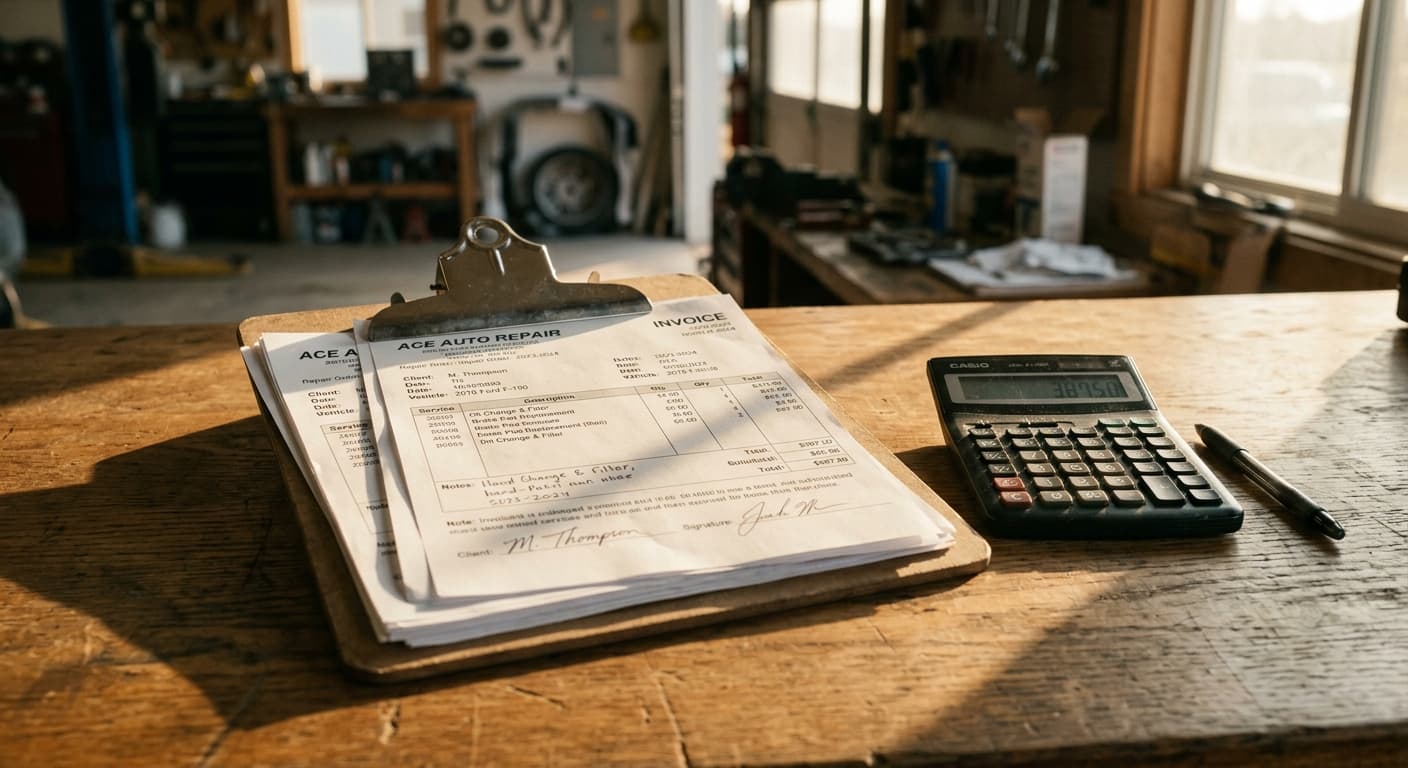
Delaware's Automobile Warranties Act, codified at 6 Del. C. § 5001, protects buyers and lessees of new automobiles registered in Delaware whose vehicles fail to conform to the manufacturer's express warranty after four or more repair attempts, or more than 30 cumulative days out of service, within the warranty term or one year of delivery. The consumer chooses between a full refund or a replacement vehicle.
What Is Delaware's Lemon Law?
Delaware's lemon law is officially known as the Delaware Automobile Warranties Act, codified at 6 Del. C. §§ 5001-5009. The law protects consumers who purchase or lease new vehicles that turn out to have serious, unrepairable defects.
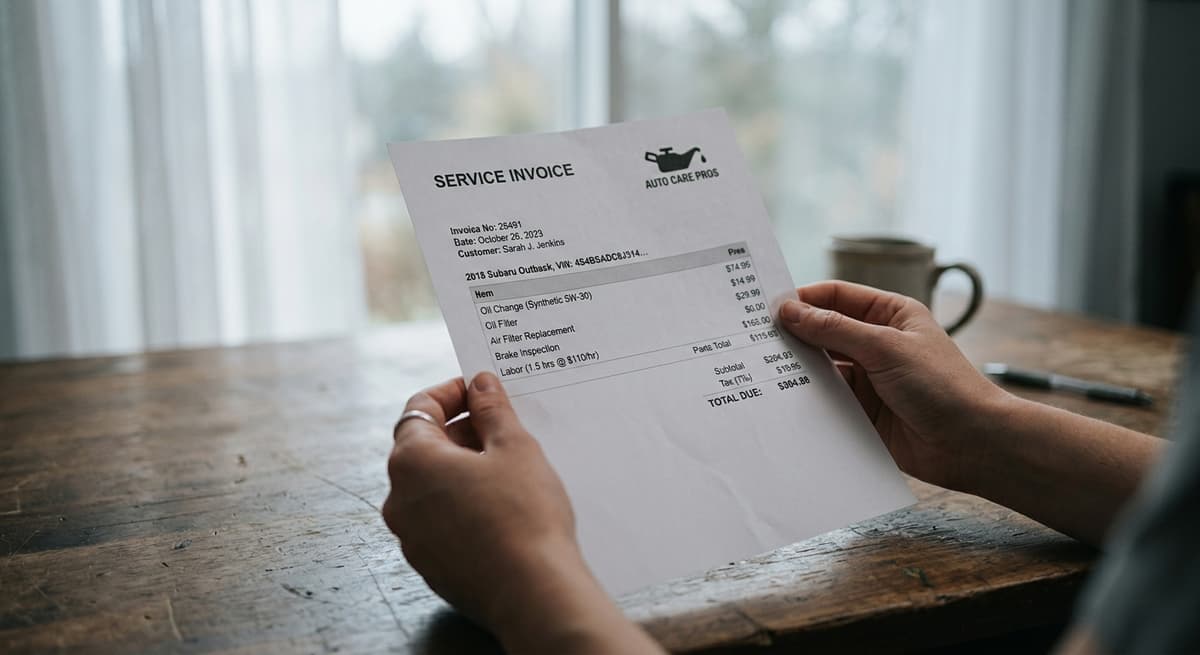
When a new vehicle fails to meet the manufacturer's express warranty after a reasonable number of repair attempts, Delaware law entitles the consumer to a replacement vehicle or a full refund. The Delaware Attorney General's Consumer Protection Unit enforces this law and certifies manufacturer dispute settlement programs.
What Vehicles Are Covered
Under 6 Del. C. § 5001, Delaware's lemon law defines the vehicles and consumers that qualify for protection. The statute uses the term "automobile" rather than "vehicle," and understanding this definition is essential before pursuing a claim.
Covered Vehicle Types
- New passenger motor vehicles: Sedans, coupes, and similar vehicles purchased or leased new
- New trucks: Pickup trucks purchased for personal use
- New SUVs and crossovers: Sport utility vehicles and similar passenger vehicles
- New vans: Passenger vans and minivans
- Vehicles registered in Delaware: Must be registered through the Delaware Division of Motor Vehicles
Vehicles Not Covered
- Living facilities of motor homes (the chassis and drivetrain may still be covered)
- Used vehicles bought after the manufacturer's original express warranty has expired
- Motorcycles
- Off-road vehicles not designed for highway use
- Vehicles purchased primarily for commercial or business purposes
Who Qualifies as a "Consumer"?
Under Delaware law, a consumer includes:
- The original purchaser of a new automobile (not purchased for resale)
- A person to whom the automobile is transferred during the warranty period
- Any other person entitled by the warranty terms to enforce warranty obligations
This means that if you buy a nearly new car from a private seller while the manufacturer's warranty is still active, you may still qualify for lemon law protection.
The Lemon Law Presumption
Delaware law establishes a rebuttable presumption under 6 Del. C. § 5004 that helps consumers prove their case. When certain conditions are met within the warranty term or during the first year following original delivery (whichever is earlier), the law presumes that a reasonable number of repair attempts have been made.
When the Presumption Applies
| Condition | Requirement | Details |
|---|---|---|
| Repair Attempts (Same Problem) | 4 or more attempts | The same or substantially similar nonconformity continues to exist |
| Days Out of Service | More than 30 calendar days | Cumulative total for repair of one or more nonconformities |
| Timeframe | Warranty term or 1 year | Whichever is earlier from date of original delivery |
Important Notice Requirement: The presumption does not apply unless the manufacturer has received prior direct written notification from the consumer and has had an opportunity to repair or correct the nonconformity. If the manufacturer fails to directly attempt or arrange repairs after receiving this notice, they cannot later claim that the dealer's repairs were improper or contributed to the problem.
What Qualifies as a "Nonconformity"?
A nonconformity is a defect or condition that substantially impairs the use, value, or safety of the automobile. Common examples include:
- Engine failures or persistent engine problems
- Transmission malfunctions affecting vehicle operation
- Brake system defects that create safety hazards
- Steering problems that impair vehicle control
- Electrical system failures affecting critical components
- Fuel system leaks or persistent fuel system issues
- Airbag or safety restraint system malfunctions
- Persistent warning lights indicating unresolved mechanical issues
Minor cosmetic defects or issues that do not substantially affect the vehicle's use, value, or safety generally do not qualify.
Extension of the 30-Day Period
The 30-day out-of-service clock starts when the consumer first presents the automobile for repair and a written document describing the nonconformity is prepared. This period may be extended only if repairs cannot be performed due to conditions beyond the control of the manufacturer, its agents, or dealers. Examples include war, invasion, strike, fire, flood, or other natural disaster.
Consumer Remedies: Refund vs. Replacement
When a vehicle qualifies as a lemon under Delaware law, the consumer has the unqualified right to choose between two remedies under 6 Del. C. § 5003. The choice belongs entirely to the consumer, and the manufacturer cannot override it.
Option 1: Replacement Vehicle
The manufacturer must replace the lemon vehicle with a comparable new automobile acceptable to the consumer. When providing a replacement:
- The manufacturer must accept return of the defective automobile
- The manufacturer must reimburse the consumer for all incidental costs
- Incidental costs include dealer preparation fees, registration transfer fees, sales taxes, and other charges incurred due to the replacement
- If the vehicle was financed by the manufacturer or its subsidiary, the consumer cannot be required to enter any refinancing agreement that creates financial obligations beyond those in the original financing agreement
Option 2: Refund (Repurchase)
If the consumer declines a replacement, the manufacturer must repurchase the vehicle. The refund includes:
- Full purchase price: Including all credits and allowances for any trade-in vehicle
- Related costs: Sales taxes, registration fees, and dealer preparation fees
Deductions from the Refund:
- Reasonable use allowance: Calculated as the full purchase price multiplied by the number of miles driven before the consumer first reported the nonconformity, divided by 100,000 miles
- Damage allowance: A reasonable allowance for damage not attributable to normal wear and tear (excluding damage resulting from a nonconformity)
Refund Calculation Example
| Item | Amount |
|---|---|
| Vehicle purchase price | $35,000 |
| Sales tax and fees | $2,800 |
| Total eligible amount | $37,800 |
| Miles driven before first report | 4,000 |
| Use allowance ($35,000 x 4,000 / 100,000) | -$1,400 |
| Net refund | $36,400 |
Refunds are made to the consumer and any lienholder (such as a bank or credit union), as their interests may appear.
How to File a Lemon Law Claim in Delaware
Successfully pursuing a Delaware lemon law claim requires careful documentation and following proper procedures.
Step 1: Document All Problems and Repairs
- Keep all repair orders and work orders from every dealership visit
- Document the specific date each repair attempt began and ended
- Record the symptoms you experienced in writing each time
- Maintain copies of all correspondence with the dealer and manufacturer
- Take photographs or videos of defects when possible
- Save any diagnostic reports or error code printouts
Step 2: Report Problems Within the Coverage Period
Make sure you report the nonconformity to the manufacturer or its authorized dealer within the warranty term or within one year following original delivery, whichever is earlier. Late reporting can forfeit your rights under the lemon law.
Step 3: Provide Written Notice to the Manufacturer
Before the lemon law presumption applies, you must provide direct written notification to the manufacturer. This notice should:
- Describe the nonconformity in detail
- Include the vehicle identification number (VIN)
- Document your complete repair history with dates
- Request that the manufacturer repair or correct the problem
- Be sent via certified mail so you have proof of delivery
Step 4: Allow a Final Repair Opportunity
After providing written notice, give the manufacturer a reasonable opportunity to repair the vehicle. The manufacturer must attempt to arrange repairs through its dealer or directly.
Step 5: Pursue Resolution
If the manufacturer fails to repair the vehicle after a reasonable number of attempts, you may:
- Use the manufacturer's certified informal dispute settlement procedure (if one exists)
- File a complaint with the Delaware Consumer Protection Unit
- File a lawsuit in Delaware courts
Delaware Consumer Protection Unit Contact Information
| Method | Details |
|---|---|
| Phone (toll-free) | (800) 220-5424 |
| Phone (local) | (302) 577-8600 |
| consumer.protection@delaware.gov | |
| Online complaint form | attorneygeneral.delaware.gov/fraud/cmu/complaint |
Dispute Settlement Procedures
Under 6 Del. C. § 5007, Delaware law addresses manufacturer informal dispute settlement procedures and their certification requirements.
When Arbitration Is Required
If a manufacturer has established an informal dispute settlement procedure that has received a certificate of approval from the Delaware Division of Consumer Protection, consumers must first use that procedure before accessing lemon law remedies. If the manufacturer's procedure is not certified, consumers may immediately and directly seek lemon law remedies without arbitration. As of 2026, American Honda Motor Company is the only manufacturer with a currently registered and approved procedure in Delaware.
Standards for Certified Programs
To receive certification, a manufacturer's dispute settlement procedure must:
- Comply with 16 C.F.R. Part 703 (FTC regulations for informal dispute settlement procedures)
- Not convene hearings or meetings outside the State of Delaware
- Issue decisions within 65 days after the consumer initiates the dispute
- Perform awarded remedies within 30 days after the consumer accepts the decision
- Not require the consumer to make the automobile available more than once for inspection or more than once for repair of the same nonconformity
- Consider all remedies provided by Delaware's lemon law, including repair, replacement, and refund
Annual Evaluation
The Division of Consumer Protection annually evaluates the operation of manufacturer dispute settlement procedures and issues certificates of approval to those that comply with the requirements. The Division may suspend or decertify any procedure that falls out of compliance.
Manufacturer Defenses
Under 6 Del. C. § 5006, manufacturers may raise certain affirmative defenses to lemon law claims.
Valid Affirmative Defenses
| Defense | Manufacturer's Argument | Consumer's Counter |
|---|---|---|
| Defect not substantial | Nonconformity does not substantially impair use, value, or safety | Document how the defect affects daily driving, resale value, or safety |
| Consumer abuse or neglect | Nonconformity resulted from consumer abuse or neglect | Provide maintenance records showing proper care |
| Unauthorized modifications | Nonconformity resulted from unauthorized modifications or alterations | Show defect existed before modifications or is unrelated |
The burden of proving these defenses falls on the manufacturer. The consumer does not need to prove that they did not abuse or modify the vehicle.
Dealer Liability Protections
Delaware law specifically addresses dealer liability in lemon law cases. Under 6 Del. C. § 5003(e), no authorized dealer may be held liable by the manufacturer for any refunds or automobile replacements unless there is evidence that the dealership carried out repairs in a manner inconsistent with the manufacturer's instructions.
This provision protects dealers who follow manufacturer repair procedures. At the same time, it prevents manufacturers from escaping liability by blaming dealer repair work.
Attorney Fees and Legal Costs
Under 6 Del. C. § 5005, the court may award reasonable attorney fees and costs to a consumer who prevails in a lemon law action against a manufacturer, the manufacturer's agent, or an authorized dealer.
However, this provision works both ways. If the court determines that the consumer's lawsuit was brought in bad faith or was frivolous, the court may award attorney fees to the manufacturer instead.
Federal Protection: Magnuson-Moss Warranty Act
Delaware's lemon law operates alongside a federal backstop: the Magnuson-Moss Warranty Act, 15 U.S.C. § 2301. This federal law governs written warranties on consumer products, including motor vehicles. If a manufacturer's warranty fails of its essential purpose, Magnuson-Moss allows consumers to sue in federal court for damages, including attorney fees.
For Delaware consumers, Magnuson-Moss is especially useful in two situations: when the state lemon law's one-year reporting window has closed, but the manufacturer's express warranty is still in effect; or when a used vehicle is covered only by a warranty other than the original manufacturer's express warranty (Delaware's lemon law itself already covers a used vehicle transferred to you while the manufacturer's original express warranty is still running, see "Who Qualifies as a 'Consumer'" above). Federal courts have found Magnuson-Moss claims viable even after state lemon law windows expire, so preserving your repair records is important regardless of which path you pursue.
Connection to Delaware Consumer Fraud Act
Delaware's lemon law has two provisions that strengthen consumer protections beyond the specific remedies in the Automobile Warranties Act.
Unlawful Practice (Section 5009)
A violation of the lemon law is also an unlawful practice under 6 Del. C. § 2513. This means consumers may have access to additional remedies and enforcement tools available under Delaware's broader Consumer Fraud Act.
Cumulative Remedies (Section 5008)
The lemon law does not limit any rights or remedies a consumer may have at law or in equity under Subtitle I of Title 6. Consumers can pursue lemon law claims alongside other legal theories, such as breach of warranty under the Uniform Commercial Code or claims under the Magnuson-Moss Warranty Act.
Title Branding for Lemon Law Buyback Vehicles
When a vehicle is repurchased under the lemon law, Delaware law requires title branding to protect future buyers. The Delaware DMV tracks vehicles with branded titles, including those bought back as lemons.
If you are purchasing a used vehicle, check the title for branded designations such as "salvage," "rebuilt," "reconstructed," or "flood." Dealers must provide a disclosure statement approved by the Division of Motor Vehicles when selling any vehicle with a branded title. If a dealer fails to provide this disclosure, the buyer may rescind the purchase and receive a full refund of all moneys paid, including interest and fees.
Electric Vehicle Considerations
Electric vehicles (EVs) and plug-in hybrids are covered under Delaware's lemon law to the same extent as conventional vehicles. However, EV owners should be aware of unique considerations.
Common EV Defects That May Qualify
- Battery capacity degradation beyond manufacturer specifications
- Charging system malfunctions preventing normal charging
- Range significantly below manufacturer representations
- Electric motor failures affecting vehicle operation
- Software defects affecting vehicle performance or safety
- Thermal management system failures
- Regenerative braking malfunctions
EV-Specific Documentation Tips
When pursuing a lemon law claim for an EV, document:
- Charging records showing system failures or abnormal behavior
- Range data demonstrating performance below specifications
- Software version history and update records
- Error codes and diagnostic reports from each service visit
Statute of Limitations and Key Deadlines
Timing is critical for Delaware lemon law claims. Missing a deadline can forfeit your rights.
Key Deadlines
| Deadline | Requirement |
|---|---|
| Reporting period | Report the nonconformity within the warranty term or 1 year of delivery, whichever is earlier |
| Written notice | Must be sent to the manufacturer before the presumption applies |
| Arbitration decision | Must be issued within 65 days of consumer initiating dispute |
| Arbitration remedy | Must be performed within 30 days of consumer accepting the decision |
| Court action | Must be filed within the applicable statute of limitations for warranty claims |
Because a lemon law violation is also an unlawful practice under the Consumer Fraud Act, consumers may have additional time to bring claims under that statute.
Alternatives for Used Vehicle Buyers
Delaware's lemon law applies to new automobiles, and to a used vehicle only if you received it by transfer while the manufacturer's original express warranty was still active (see "Who Qualifies as a 'Consumer'" above). If you bought a used vehicle after that warranty had already expired and it has serious defects, you may still have legal options:
- Delaware Consumer Fraud Act: If the seller engaged in deceptive practices or failed to disclose known defects, you may have a claim under 6 Del. C. § 2513
- Magnuson-Moss Warranty Act: This federal law protects consumers who purchase products with written warranties, including used vehicles still under factory warranty
- Uniform Commercial Code (UCC): Delaware's UCC provisions on implied warranties of merchantability may apply to used vehicle sales
- Title branding disclosure: If a dealer sold you a lemon law buyback without proper disclosure, you may rescind the purchase entirely
Contact the Delaware Consumer Mediation Unit at (800) 220-5424 or file a complaint at attorneygeneral.delaware.gov/fraud/cmu/complaint if you believe you were sold a defective used vehicle through deceptive practices.
More Delaware Laws
Frequently Asked Questions
How many repair attempts are required before my vehicle qualifies as a lemon in Delaware?
Under Delaware law, a vehicle may qualify as a lemon after four or more repair attempts for substantially the same nonconformity, or if the vehicle has been out of service for more than 30 cumulative calendar days for repairs. These conditions must occur within the warranty term or during the first year following original delivery, whichever is earlier. You must also provide written notice directly to the manufacturer before the presumption applies.
Does Delaware's lemon law cover used vehicles?
It depends. Delaware's lemon law generally covers new automobiles, but its definition of consumer also includes someone who received the vehicle by transfer while the manufacturer's original express warranty was still active, so a used vehicle transferred to you during that warranty period can still qualify. A used vehicle bought after the original warranty already expired is not covered, though you may have other remedies under Delaware's Consumer Fraud Act, the federal Magnuson-Moss Warranty Act, or the Uniform Commercial Code's implied warranty provisions.
Can I choose between a refund and a replacement vehicle?
Yes. Delaware law gives consumers the unqualified right to choose between a replacement vehicle and a full refund. This means the manufacturer cannot force you to accept a replacement if you prefer a refund, and vice versa. The choice belongs entirely to the consumer.
How is the usage deduction calculated in a Delaware lemon law refund?
The usage deduction is calculated by multiplying the full purchase price by the number of miles driven before you first reported the nonconformity, then dividing by 100,000. For example, if you paid $35,000 for your vehicle and drove 4,000 miles before reporting the defect, the usage deduction would be $1,400 ($35,000 x 4,000 / 100,000).
Do I have to use the manufacturer's arbitration program before filing a lawsuit?
Only if the manufacturer has an informal dispute settlement procedure that has been certified by Delaware's Division of Consumer Protection. If the manufacturer's program is not certified, you may immediately pursue legal remedies without first going through arbitration. The certified program must issue a decision within 65 days and perform any awarded remedy within 30 days.
Updates
Corrected the page so it consistently reflects that Delaware's lemon law covers a used vehicle if it was transferred to you while the manufacturer's original warranty was still active, matching the statute's own definition of 'consumer' (6 Del. C. section 5001), instead of contradicting itself about used-vehicle coverage in four different places.
Independently fact-checked against the cited primary sources; governing law re-checked for recent changes
Governing law re-checked for recent changes
Reviewed and approved by an editor
The Law Behind This Article
This article rests on the statutory provisions below, held in our own legal record and retrieved from the official source. Tap a section to read the operative text.
Delaware Code, Title 6 (Commerce and Trade), Chapter 050 (AUTOMOBILE WARRANTIES)
§ 5003Remedies upon failure to repair.In force
(a) If the manufacturer, its agent or its authorized dealer does not conform the automobile to any applicable express warranty by repairing or correcting any nonconformity after a reasonable number of attempts, the manufacturer shall either replace the automobile with a comparable new automobile acceptable to the consumer or repurchase the automobile from the consumer and refund to the consumer the full purchase, including all credits and allowances for any trade-in vehicle; provided, however, that the consumer shall have the unqualified right to decline a replacement automobile and to demand instead a repurchase. (b) In instances in which an automobile is replaced by a manufacturer under this section, said manufacturer shall accept return of the automobile and reimburse the consumer for any incidental costs, including dealer preparation fees, fees for transfer of registration, sales taxes or other charges or fees incurred by the consumer as a result of such replacement.
Official text (excerpt) · last checked 2026-09-08 · Read the full text in our law library · Verify at delcode.delaware.gov
United States Code Title 15
§ 2301DefinitionsIn forcecited in 39 of our articles
For the purposes of this chapter: The term “consumer product” means any tangible personal property which is distributed in commerce and which is normally used for personal, family, or household purposes (including any such property intended to be attached to or installed in any real property without regard to whether it is so attached or installed). The term “Commission” means the Federal Trade Commission. The term “consumer” means a buyer (other than for purposes of resale) of any consumer product, any person to whom such product is transferred during the duration of an implied or written warranty (or service contract) applicable to the product, and any other person who is entitled by the terms of such warranty (or service contract) or under applicable State law to enforce against the warrantor (or service contractor) the obligations of the warranty (or service contract). The term “supplier” means any person engaged in the business of making a consumer product directly or indirectly available to consumers. The term “warrantor” means any supplier or other person who gives or offers to give a written warranty or who is or may be obligated under an implied warranty.
Official text (excerpt) · last checked 2026-07-28 · Read the full text in our law library · Verify at uscode.house.gov
Cited in 1,671 court opinions in our collectionLatest citing opinion in our collection: 2026
In the courts (editorial summary, independently checked):Walsh v. Ford Motor Company (1986) held that except where Magnuson-Moss expressly prescribes a rule, the Act applies state written and implied warranty law, citing Section 2301(7)'s definition of implied warranty as one arising under state law. Birdsong v. Apple (2009) dismissed Act claims once the state warranty claims failed.
Opinions citing this section in our collection:
- John F. "Jack" Walsh v. Ford Motor Company (Court of Appeals for the D.C. Circuit 1986, 807 F.2d 1000)✓Ford owners sought nationwide classes over transmissions that slipped from park into reverse; reading Section 2301(7) and (6), the D.C. Circuit held Magnuson-Moss applies state warranty law except where the Act expressly prescribes a rule, and vacated class certification.
- Birdsong v. Apple, Inc. (Court of Appeals for the Ninth Circuit 2009, 590 F.3d 955)✓iPod buyers alleged the player risked hearing loss; because Section 2301(7) ties implied warranty to state law, the Ninth Circuit treated the Magnuson-Moss claim as standing or falling with the California warranty claims and affirmed dismissal once those failed.
- Robert E. Kelly Virginia L. Kelly v. Fleetwood Enterprises, Inc. (Court of Appeals for the Ninth Circuit 2004, 377 F.3d 1034)“…gnizable under the Magnuson-Moss Warranty Act (the “Act”), 15 U.S.C. § 2301 et seq. This consumer dis…”
Identified automatically from the court opinions citing this section — not a ranking of which case controls.
Also relied on in: Arkansas Lemon Law (2026): How to Qualify & Get a Refund, Washington Lemon Law (2026): How to Qualify & Get a Refund, Florida Lemon Law (2026): How to Qualify & Get a Refund
Search our full record of US law — 2.1 million sections, every state + federal →
Sources and References
- Delaware Code Title 6, Chapter 50: Automobile Warranties(delcode.delaware.gov).gov
- Delaware Attorney General: Lemon Law Information(attorneygeneral.delaware.gov).gov
- Delaware Department of Justice: Consumer Protection Unit(attorneygeneral.delaware.gov).gov
- Delaware DMV: Lemon Law and Title Branding(dmv.de.gov).gov
- Delaware Consumer Mediation Unit: File a Complaint(attorneygeneral.delaware.gov).gov
- Delaware Code Title 6, Chapter 25: Consumer Fraud Act(delcode.delaware.gov).gov
- Federal Trade Commission: Magnuson-Moss Warranty Act(ftc.gov).gov
- 16 C.F.R. Part 703: Informal Dispute Settlement Procedures(ecfr.gov).gov