
Arkansas
Arkansas Lemon Law (2026): How to Qualify & Get a Refund
Independently fact-checked against primary sources (last audited August 17, 2026). · Reviewed by the RecordingLaw editorial team. · Law checked current as of August 17, 2026. · 3 primary sources cited on this page. How we verify our legal content
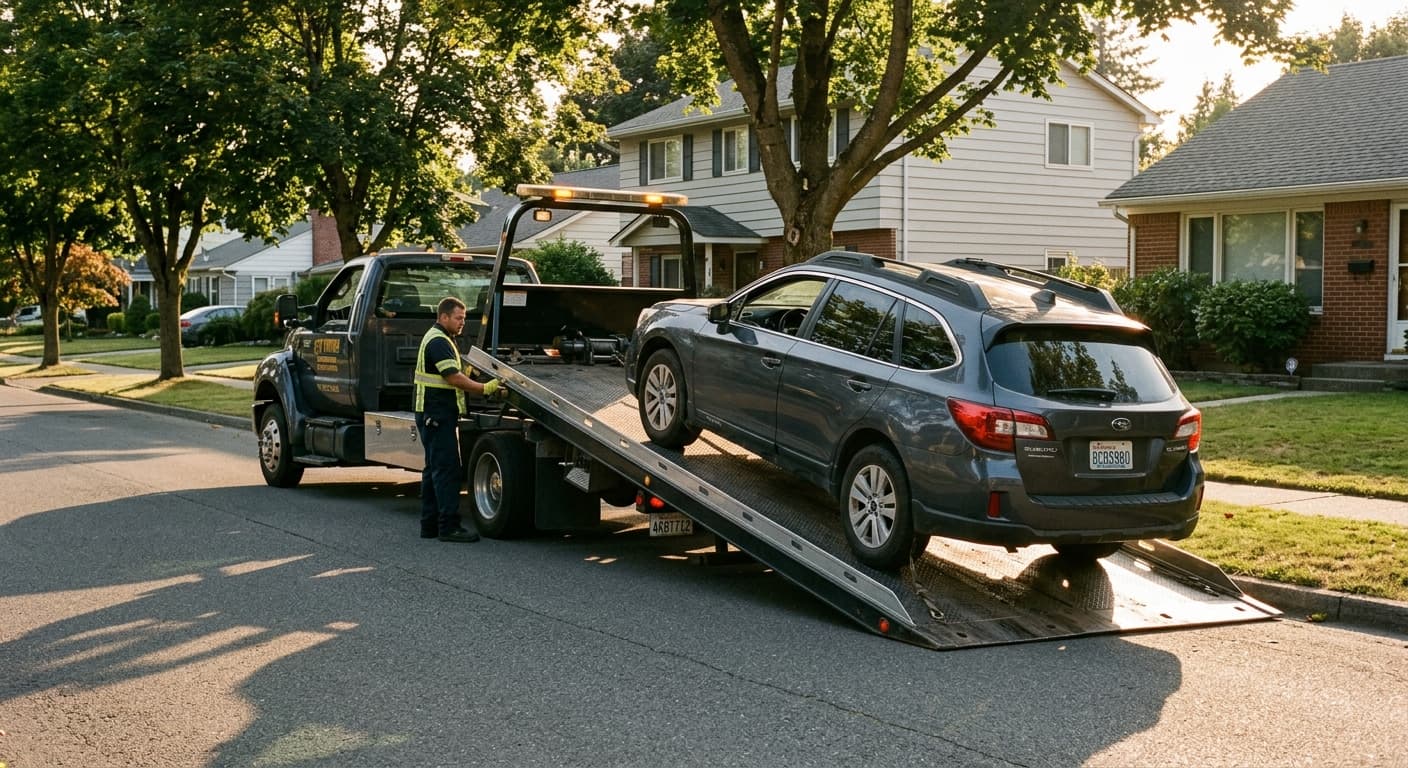
Arkansas's New Motor Vehicle Quality Assurance Act (A.C.A. § 4-90-401) requires manufacturers to replace or fully refund a defective new vehicle if they fail to fix the same defect in three repair attempts, a serious safety defect in one attempt, or the vehicle is out of service for 30 calendar days within the 24-month/24,000-mile coverage window. The consumer chooses between refund and replacement.
Understanding Arkansas's Lemon Law
Arkansas's New Motor Vehicle Quality Assurance Act, codified at A.C.A. § 4-90-401 through § 4-90-417, provides comprehensive protections for consumers who purchase or lease new motor vehicles that fail to conform to the manufacturer's express warranty. Enacted as Act 297 of 1993, the law establishes clear standards for when a vehicle qualifies as a "lemon" and outlines the remedies available to affected consumers.
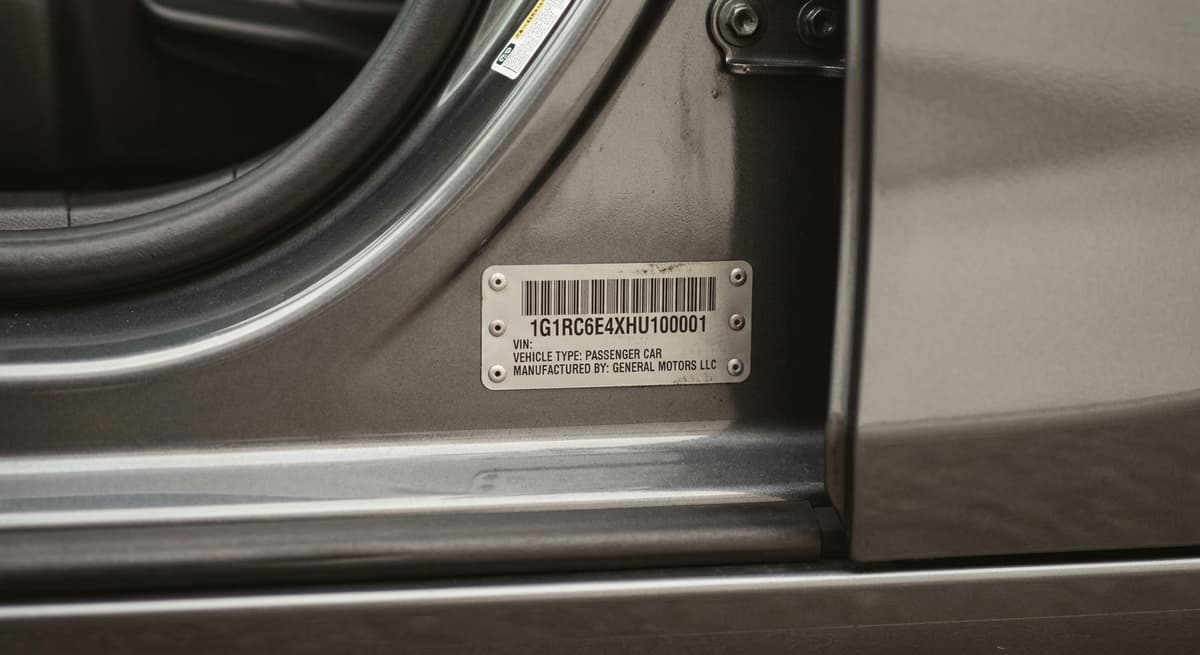
One notable feature of Arkansas's lemon law is its special treatment of serious safety defects. While most nonconformities require three repair attempts for the same problem before the presumption applies, a defect that is likely to cause death or serious bodily injury requires only one repair attempt. This provision recognizes the urgency of addressing safety-critical problems.
The law also includes a lesser-known third trigger. If five or more repair attempts have been made on separate occasions for different nonconformities that together substantially impair the vehicle, the presumption also applies. This protects consumers whose vehicles have multiple smaller problems rather than one recurring issue.
Arbitration is not optional for manufacturers. Under A.C.A. § 4-90-414(a)(1), any manufacturer doing business in Arkansas, entering into franchise agreements for the sale of its vehicles here, or offering express warranties on vehicles sold or distributed here must operate or participate in an informal dispute settlement proceeding located in Arkansas. Consumers generally must use that proceeding before filing suit, but there is a statutory exception: if the manufacturer never provided the written statement of rights required at purchase, you may go straight to court (A.C.A. § 4-90-404(a)(2) and § 4-90-414(a)(2)).
What Vehicles Are Covered
Arkansas's lemon law covers specific types of vehicles purchased or leased in the state. Under A.C.A. § 4-90-403, a "motor vehicle" means a self-propelled vehicle that is licensed, purchased, or leased and primarily designed for transporting persons or property over public streets and highways.
Covered Vehicle Types
- New passenger vehicles: Cars, sedans, coupes, and similar automobiles
- Trucks: Pickup trucks used primarily for personal purposes
- Vans and SUVs: Sport utility vehicles and passenger vans
- Leased vehicles: New vehicles obtained through lease agreements
- Demonstrator vehicles: Demo vehicles sold as new with full warranty
- Motor homes: The chassis and drivetrain are covered (living quarters excluded); motor homes are exempt from the 14,000-lb weight cap
Vehicles Not Covered
- Used vehicles purchased without a new vehicle warranty
- Mopeds and motorcycles
- The living quarters portion of motor homes
- Off-road vehicles not primarily designed for highway use
- Vehicles with a gross vehicle weight rating over 14,000 pounds (except motor homes)
- Vehicles over 10,000 pounds gross vehicle weight rating that have been substantially altered after the initial sale from a dealer
Note that Arkansas does not exclude vehicles bought for business or fleet use. The statutory exclusions in A.C.A. § 4-90-403(11)(B) are limited to the categories listed above, and the definition of "consumer" in § 4-90-403(4) excludes only a purchaser or lessee who acquires the vehicle for the purpose of lease or resale. A business that buys and titles a qualifying new vehicle for its own use can be a consumer under the act.
Coverage Period: 24 Months or 24,000 Miles
The Motor Vehicle Quality Assurance (MVQA) period begins on the date of original delivery to the consumer. It ends 24 months after that delivery date or at 24,000 miles of operation, whichever is later. This is an important distinction because many states use "whichever comes first," which is less favorable to consumers.
This means that if you drive fewer miles than average, your coverage period extends to a full 24 months. If you drive more than average and reach 24,000 miles before 24 months, you still have coverage for the full 24-month period.
Arkansas's Lemon Law Presumption
Arkansas law creates a rebuttable presumption under A.C.A. § 4-90-410 that the manufacturer has had a reasonable number of attempts to repair the vehicle. The presumption is triggered when any of the following conditions are met during the MVQA period.
The Lemon Law Presumption Applies When:
| Condition | Requirement | Details |
|---|---|---|
| Serious Safety Defect | 1 or more attempts | Defect likely to cause death or serious bodily injury |
| Same Nonconformity | 3 or more attempts | Same defect must substantially impair use, value, or safety |
| Different Nonconformities | 5 or more attempts on separate occasions | Multiple defects that together substantially impair use and value |
| Days Out of Service | 30 or more calendar days | Vehicle unavailable due to repair of one or more nonconformities |
Important details about the 30-day calculation: Arkansas defines "calendar day" as any day of the week other than a legal holiday. This means holidays are excluded from the 30-day count. The 30-day period may also be extended if repair services are unavailable due to war, invasion, strike, fire, flood, or natural disaster.
Notice requirement: Before the presumption applies, the consumer must provide written notice to the manufacturer by certified or registered mail. This notice gives the manufacturer one final opportunity to cure the defect.
What Qualifies as a "Nonconformity"?
Under the statute, a nonconformity is any specific or generic defect or condition, or any concurrent combination of defects or conditions, that substantially impairs the use, market value, or safety of the motor vehicle. It also includes any condition that renders the vehicle nonconforming to the terms of the manufacturer's express warranty or implied warranty of merchantability.
Examples of qualifying nonconformities include:
- Engine failures or persistent performance issues
- Transmission problems affecting drivability
- Brake system malfunctions
- Steering defects creating safety hazards
- Electrical failures affecting critical systems
- Persistent fluid leaks from major components
Examples of serious safety defects (requiring only one repair attempt):
- Airbag or safety restraint system defects
- Sudden unintended acceleration or stalling
- Brake failure at normal operating speeds
- Steering loss while driving
- Fire hazards or fuel system leaks
Consumer Remedies: Refund vs. Replacement
When a vehicle qualifies as a lemon under Arkansas law, the manufacturer must act within 40 days. Under A.C.A. § 4-90-406, the consumer has the unconditional right to choose between a replacement vehicle and a full refund. The statute expressly states that the consumer "shall have an unconditional right to choose a refund rather than a replacement." The manufacturer cannot override this choice.
Option 1: Replacement Vehicle
If the consumer chooses replacement, the manufacturer must provide:
- A comparable new motor vehicle acceptable to the consumer
- All applicable express warranties on the replacement
- Reimbursement for collateral charges including registration fees and taxes
The consumer must pay a reasonable offset for use of the original vehicle.
Option 2: Refund (Buyback)
If the consumer chooses a refund, the manufacturer must provide:
- Full purchase price or lease price: The total amount paid for the vehicle
- Collateral charges: Sales taxes, title taxes, registration fees, and similar costs
- Extended warranty costs: Refund of any purchased extended warranty
- Finance charges: Interest and loan origination fees incurred
- Incidental damages: Towing costs, rental car expenses, and similar out-of-pocket costs
Usage Deduction
The manufacturer may deduct a reasonable allowance for the consumer's use of the vehicle. The deduction also accounts for any physical damage sustained while under the consumer's ownership. The usage offset is calculated based on miles driven before the first repair attempt:
Usage Deduction = (Purchase Price x Miles at First Repair) / 120,000
For example, if you paid $30,000 for a vehicle and drove 3,000 miles before the first repair attempt, the usage deduction would be $750 ($30,000 x 3,000 / 120,000).
The Federal Backstop: Magnuson-Moss Warranty Act
Even if your vehicle does not qualify under Arkansas's state lemon law, you may have a separate claim under the federal Magnuson-Moss Warranty Act (15 U.S.C. § 2301 et seq.). This federal law governs written consumer product warranties and allows you to sue a manufacturer in federal court for breach of warranty. If you prevail, you may recover attorney fees and court costs. Magnuson-Moss applies to any consumer product, including vehicles, and provides an additional legal avenue when state law thresholds are not met or when a vehicle is partially excluded from state coverage.
How to File a Lemon Law Claim in Arkansas
Filing a successful lemon law claim in Arkansas requires proper documentation and adherence to specific procedures set out in the statute.
Step 1: Document Everything
- Keep all repair orders, work orders, and invoices
- Record the exact dates your vehicle was dropped off and picked up
- Document the specific symptoms and problems in writing
- Save all written correspondence with the dealer and manufacturer
- Photograph or record video of defects when possible
- Keep receipts for rental cars, towing, and other expenses
- Request a copy of every repair order under A.C.A. § 4-90-411, which requires dealers to provide documentation
Step 2: Allow Reasonable Repair Attempts
Give the manufacturer or its authorized dealer adequate opportunity to repair the vehicle. You need at least three attempts for the same defect, one attempt for a serious safety defect, or five attempts for different nonconformities. Alternatively, the vehicle must be out of service for 30 or more calendar days.
Step 3: Provide Written Notice to the Manufacturer
After meeting the repair attempt threshold, send written notice to the manufacturer by certified or registered mail. Your notice should include:
- Your name, address, and phone number
- Vehicle information (year, make, model, VIN)
- A description of each nonconformity
- Repair history summary with specific dates
- Your request for a final repair opportunity
Step 4: Allow the Manufacturer's Final Repair Attempt
Under A.C.A. § 4-90-406, the manufacturer has 10 days after receiving your notice to contact you and provide the opportunity to bring the vehicle to a reasonably accessible repair facility. After you deliver the vehicle, the manufacturer has another 10 days to complete the repair.
If the manufacturer fails to respond within 10 days or fails to complete the repair within the allowed time, the final repair attempt requirement is waived. At that point, a nonrebuttable presumption arises, meaning the manufacturer cannot argue it was not given enough chances.
Step 5: Use the Manufacturer's Informal Dispute Settlement Proceeding
Every manufacturer covered by the act must operate or participate in an informal dispute settlement proceeding located in Arkansas (A.C.A. § 4-90-414(a)(1)), and many use a third-party program such as BBB Auto Line. You must ordinarily go through that proceeding before filing a lawsuit.
There is one important exception. Under A.C.A. § 4-90-404(a)(2) and § 4-90-414(a)(2), you do not have to use the informal proceeding first if the manufacturer failed to give you the signed written statement of your rights at the time of purchase or lease, or if the manufacturer allows you to sue without it. The proceeding must meet the criteria in § 4-90-414(b), including the Federal Trade Commission's minimum standards at 16 C.F.R. § 703.1 et seq., and the program must submit a pool of arbitrators annually to the Arkansas Attorney General's Consumer Protection Division.
The arbitration decision is binding on the manufacturer but not on you. If the outcome is not satisfactory, you retain the right to file a lawsuit.
Step 6: File a Lawsuit if Necessary
If arbitration does not resolve your claim, or if the disclosure exception means you never had to arbitrate, you may file a lawsuit in Arkansas state court. Your suit must be commenced within two years of the date you first reported the nonconformity (A.C.A. § 4-90-416). Prevailing consumers may recover reasonable attorney fees and costs in addition to the lemon law remedies.
Manufacturer Defenses
Manufacturers may raise several defenses to avoid lemon law liability in Arkansas.
Common Manufacturer Defenses
| Defense | Manufacturer's Argument | Consumer's Counter |
|---|---|---|
| Consumer abuse or neglect | Defect caused by improper use or failure to maintain | Provide maintenance records showing proper care |
| Unauthorized modifications | Aftermarket parts or modifications caused the problem | Show defect existed before modifications or is unrelated |
| Defect not substantial | Problem does not substantially impair use, value, or safety | Document the impact on daily use and safety concerns |
| Insufficient repair opportunities | Manufacturer was not given adequate chance to repair | Provide complete repair history meeting the presumption |
| No written notice provided | Consumer failed to provide required certified mail notice | Keep certified mail receipt as proof of delivery |
| Force majeure | Repair delays caused by war, strike, flood, or natural disaster | The 30-day period is extended during these events by statute |
Resale of Returned Lemon Vehicles
Under A.C.A. § 4-90-412, when a manufacturer resells a vehicle that was returned under the lemon law, specific consumer protections apply.
The manufacturer must provide:
- The same express warranty given to the original purchaser, with a term of at least 12,000 miles or 12 months after resale, whichever comes first
- A written disclosure signed by the new consumer stating that the vehicle was previously returned to the manufacturer because of a nonconformity not cured within a reasonable time
This disclosure requirement applies to the first retail resale of the vehicle in Arkansas by the manufacturer or its authorized dealer. If you are considering purchasing a used vehicle, ask the dealer whether the vehicle was ever returned under a lemon law in any state.
Used Vehicle Protections
Arkansas's lemon law does not cover used vehicles. However, used car buyers have other legal avenues available.
Available Protections for Used Vehicles
- Remaining manufacturer warranty: Used vehicles still under the original warranty may have warranty claims available
- Dealer warranties: Some dealers offer limited warranties on used vehicles
- Implied warranty of merchantability: Unless properly disclaimed with an "as-is" notice, vehicles must be fit for ordinary use
- Federal Magnuson-Moss Warranty Act: Provides federal remedies for written warranty breaches (15 U.S.C. § 2301)
- Arkansas Deceptive Trade Practices Act: Protects against dealer fraud, misrepresentation, and failure to disclose known defects
Statute of Limitations and Key Deadlines
The deadline that ends your claim is set by A.C.A. § 4-90-416: an action under the lemon law must be commenced within two years following the date the buyer first reports the nonconformity to the manufacturer, its agent, or an authorized dealer. When the buyer has commenced an informal dispute settlement procedure under § 4-90-414, the statute provides that the two-year period begins to run at the time that procedure is commenced. Missing this deadline ends the state lemon law claim even if the vehicle plainly qualified.
Several other timeframes matter along the way.
| Deadline | Timeframe | Details |
|---|---|---|
| Lawsuit Filing Deadline | 2 years | From the date the buyer first reports the nonconformity (A.C.A. § 4-90-416) |
| MVQA Coverage Period | 24 months or 24,000 miles (whichever is later) | From date of original delivery to consumer |
| Written Notice | After meeting repair threshold | Must be sent by certified or registered mail |
| Manufacturer Response | 10 days after receiving notice | Must contact consumer and offer repair opportunity |
| Manufacturer Final Repair | 10 days after vehicle delivery | Must complete the repair at designated facility |
| Remedy (Replacement or Refund) | 40 days | After failing to correct nonconformity |
| Informal Dispute Proceeding | Before filing lawsuit | Required unless the manufacturer never gave you the written statement of rights, or allows suit without it |
Arkansas Attorney General Resources
The Arkansas Attorney General's Consumer Protection Division publishes a free consumer guide to the lemon law. You can also contact them at (800) 482-8982 or by email at Consumer@ArkansasAG.gov.

The Arkansas Department of Finance and Administration handles tax credit and refund matters related to lemon law buybacks.
More Arkansas Laws
Frequently Asked Questions
How many repair attempts does Arkansas require before a vehicle is considered a lemon?
Arkansas has three separate triggers. For the same defect, three or more repair attempts are needed. For a serious safety defect likely to cause death or serious bodily injury, only one attempt is required. For different defects that together substantially impair the vehicle, five or more attempts on separate occasions qualify. Alternatively, if the vehicle has been out of service for 30 or more calendar days for repairs, the presumption applies regardless of the number of attempts.
Does the 24-month/24,000-mile coverage period use whichever comes first or whichever comes later?
Arkansas uses whichever is later, which is more favorable to consumers than most states. This means your coverage extends to either 24 months from delivery or 24,000 miles, and you get the benefit of whichever endpoint gives you more time.
Does Arkansas's lemon law cover used cars?
No, the Arkansas New Motor Vehicle Quality Assurance Act only covers new motor vehicles. Used vehicles may be protected under the original manufacturer's warranty if still in effect, under the implied warranty of merchantability, or under the Arkansas Deceptive Trade Practices Act if the dealer committed fraud or misrepresentation.
What qualifies as a serious safety defect in Arkansas?
A serious safety defect is a nonconformity that is likely to cause death or serious bodily injury if the vehicle is driven. Examples include brake failures, steering loss, sudden unintended acceleration, airbag malfunctions, fuel system leaks, and fire hazards. Only one repair attempt is required for these defects before the lemon law presumption applies.
Do I have to use the manufacturer's arbitration program before filing a lawsuit?
Usually yes. A.C.A. § 4-90-414(a)(1) requires every manufacturer doing business in Arkansas, entering franchise agreements here, or offering express warranties here to operate or participate in an informal dispute settlement proceeding located in Arkansas, and you must ordinarily use it before suing. The exception is in § 4-90-404(a)(2) and § 4-90-414(a)(2): if the manufacturer never gave you the signed written statement of your rights at purchase, or allows you to sue without arbitrating, you are not required to use the proceeding first. The arbitration decision is binding only on the manufacturer, so if you are not satisfied with the outcome you retain the right to pursue your claim in court.
How long do I have to file an Arkansas lemon law lawsuit?
Two years. Under A.C.A. § 4-90-416, an action under the New Motor Vehicle Quality Assurance Act must be commenced within two years following the date the buyer first reports the nonconformity to the manufacturer, its agent, or an authorized dealer. Where the buyer has commenced an informal dispute settlement procedure under § 4-90-414, the statute provides that the two-year period begins to run at the time that procedure is commenced. This deadline is separate from the 24-month/24,000-mile coverage period, which governs when the defect must appear.
Who decides whether I get a refund or a replacement vehicle in Arkansas?
You do. Under A.C.A. § 4-90-406, the consumer has the unconditional right to choose a refund rather than a replacement. The manufacturer cannot force you to accept a replacement vehicle instead of a full refund.
Updates
Added the two-year deadline to file an Arkansas lemon law lawsuit, removed an incorrect business and fleet exclusion that does not exist in Arkansas law, and corrected the arbitration section to explain that manufacturers must operate a dispute proceeding and that consumers who never received the required written statement of rights can sue without arbitrating first.
Corrected the maximum vehicle weight covered by Arkansas's lemon law: the statutory cutoff is 14,000 pounds gross vehicle weight rating, not 13,000 pounds.
Independently fact-checked against the cited primary sources; governing law re-checked for recent changes
Governing law re-checked for recent changes
Reviewed and approved by an editor
The Law Behind This Article
This article rests on the statutory provisions below, held in our own legal record and retrieved from the official source. Tap a section to read the operative text.
Arkansas Code of 1987 Annotated
§ 4-90-406Failure to make required repairs.In force
(a)(1) After three (3) attempts have been made to repair the same nonconformity that substantially impairs the motor vehicle, or after one (1) attempt to repair a nonconformity that is likely to cause death or serious bodily injury, the consumer shall give written notification, by certified or…
Official text (excerpt) · last checked 2026-09-08 · Read the full text in our law library · Verify at arkleg.state.ar.us
§ 4-90-401Title.In force
This subchapter shall be known and may be cited as the “Arkansas New Motor Vehicle Quality Assurance Act”.
Official text (excerpt) · last checked 2020-11-06 · Read the full text in our law library
§ 4-90-403Definitions.In force
As used in this subchapter, unless the context otherwise requires: (1) “Calendar day” means any day of the week other than a legal holiday; (2) “Collateral charges” means those additional charges to a consumer wholly incurred as a result of the acquisition of the motor vehicle. For the purposes of
Official text (excerpt) · last checked 2026-08-06 · Read the full text in our law library · Verify at arkleg.state.ar.us
§ 4-90-410Presumption of reasonable attempts to repair — Extension of time to repair in case of war, invasion, strike, fire, flood, or natural disaster.In force
(a) A rebuttable presumption of a reasonable number of attempts to repair is considered to have been undertaken to correct a nonconformity if: (1) The nonconformity has been subject to repair as provided in § 4-90-406(a) , but the nonconformity continues to exist; (2) The vehicle is out of…
Official text (excerpt) · last checked 2020-11-06 · Read the full text in our law library
§ 4-90-411Diagnosis or repair — Documentation.In force
(a) A manufacturer, its agent, or authorized dealer may not refuse to diagnose or repair any vehicle for the purpose of avoiding liability under this subchapter. (b)(1)(A) A manufacturer, its agent, or authorized dealer shall provide a consumer with a written repair order each time the consumer's…
Official text (excerpt) · last checked 2020-11-06 · Read the full text in our law library
§ 4-90-412Resale of returned nonconforming vehicle.In force
(a) If a motor vehicle has been replaced or repurchased by a manufacturer as the result of a court judgment, an arbitration award, or any voluntary agreement entered into between a manufacturer or a manufacturer through its authorized dealer and a consumer that occurs after a consumer has notified…
Official text (excerpt) · last checked 2020-11-06 · Read the full text in our law library
§ 4-90-414Informal proceeding as precedent.In force
(a)(1) Any manufacturer doing business in this state, entering into franchise agreements for the sale of its motor vehicles in this state, or offering express warranties on its motor vehicles sold or distributed for sale in this state, shall operate or participate in an informal dispute settlement…
Official text (excerpt) · last checked 2020-11-06 · Read the full text in our law library
§ 4-90-416Time limitation for commencement of action.In force
(a) An action brought under this subchapter must be commenced within two (2) years following the date the buyer first reports the nonconformity to the manufacturer, its agent, or authorized dealer. (b) When the buyer has commenced an informal dispute settlement procedure described in § 4-90-414 ,…
Official text (excerpt) · last checked 2020-11-06 · Read the full text in our law library
§ 4-90-417Deceptive trade practices.In force
A violation of any of the provisions of this subchapter shall be deemed a deceptive trade practice under § 4-88-101 et seq.
Official text (excerpt) · last checked 2020-11-06 · Read the full text in our law library
United States Code Title 15
§ 2301DefinitionsIn forcecited in 40 of our articles
For the purposes of this chapter: The term “consumer product” means any tangible personal property which is distributed in commerce and which is normally used for personal, family, or household purposes (including any such property intended to be attached to or installed in any real property without regard to whether it is so attached or installed). The term “Commission” means the Federal Trade Commission. The term “consumer” means a buyer (other than for purposes of resale) of any consumer product, any person to whom such product is transferred during the duration of an implied or written warranty (or service contract) applicable to the product, and any other person who is entitled by the terms of such warranty (or service contract) or under applicable State law to enforce against the warrantor (or service contractor) the obligations of the warranty (or service contract). The term “supplier” means any person engaged in the business of making a consumer product directly or indirectly available to consumers. The term “warrantor” means any supplier or other person who gives or offers to give a written warranty or who is or may be obligated under an implied warranty.
Official text (excerpt) · last checked 2026-07-28 · Read the full text in our law library · Verify at uscode.house.gov
Cited in 1,671 court opinions in our collectionLatest citing opinion in our collection: 2026
In the courts (editorial summary, independently checked):Walsh v. Ford Motor Company (1986) held that except where Magnuson-Moss expressly prescribes a rule, the Act applies state written and implied warranty law, citing Section 2301(7)'s definition of implied warranty as one arising under state law. Birdsong v. Apple (2009) dismissed Act claims once the state warranty claims failed.
Opinions citing this section in our collection:
- John F. "Jack" Walsh v. Ford Motor Company (Court of Appeals for the D.C. Circuit 1986, 807 F.2d 1000)✓Ford owners sought nationwide classes over transmissions that slipped from park into reverse; reading Section 2301(7) and (6), the D.C. Circuit held Magnuson-Moss applies state warranty law except where the Act expressly prescribes a rule, and vacated class certification.
- Birdsong v. Apple, Inc. (Court of Appeals for the Ninth Circuit 2009, 590 F.3d 955)✓iPod buyers alleged the player risked hearing loss; because Section 2301(7) ties implied warranty to state law, the Ninth Circuit treated the Magnuson-Moss claim as standing or falling with the California warranty claims and affirmed dismissal once those failed.
- Robert E. Kelly Virginia L. Kelly v. Fleetwood Enterprises, Inc. (Court of Appeals for the Ninth Circuit 2004, 377 F.3d 1034)“…gnizable under the Magnuson-Moss Warranty Act (the “Act”), 15 U.S.C. § 2301 et seq. This consumer dis…”
Identified automatically from the court opinions citing this section — not a ranking of which case controls.
Also relied on in: Washington Lemon Law (2026): How to Qualify & Get a Refund, Florida Lemon Law (2026): How to Qualify & Get a Refund, California Lemon Law (2026): How to Qualify & Get a Refund
Code of Federal Regulations Title 16
§ 703.1Definitions.In force
(a) The Act means the Magnuson-Moss Warranty—Federal Trade Commission Improvement Act, 15 U.S.C. 2301, et seq. (b) Consumer product means any tangible personal property which is distributed in commerce and which is normally used for personal, family, or household purposes (including any such property intended to be attached to or installed in any real property without regard to whether it is so attached or installed). (c) Written warranty means: (1) Any written affirmation of fact or written promise made in connection with the sale of a consumer product by a supplier to a buyer which relates to the nature of the material or workmanship and affirms or promises that such material or workmanship is defect free or will meet a specified level of performance over a specified period of time, or (2) Any undertaking in writing in connection with the sale by a supplier of a consumer product to refund, repair, replace, or take other remedial action with respect to such product in the event that such product fails to meet the specifications set forth in the undertaking, which written affirmation, promise or undertaking becomes part of the basis of the bargain between a supplier and a buyer…
Official text (excerpt) · last checked 2026-07-28 · Read the full text in our law library · Verify at ecfr.gov
Search our full record of US law — 2.1 million sections, every state + federal →
Sources and References
- Arkansas Attorney General: Arkansas Lemon Laws(arkansasag.gov).gov
- Arkansas Department of Finance and Administration: New Car Lemon Law(dfa.arkansas.gov).gov
- Arkansas Attorney General: A Consumer's Guide to the Arkansas Lemon Law (PDF)(media.ark.org).gov
- Legal Aid of Arkansas - Consumer Protections: Lemon Law(a.arlawhelp.org)
- Magnuson-Moss Warranty Act, 15 U.S.C. § 2301 (federal backstop)(law.cornell.edu)
- Arkansas Act 297 of 1993, New Motor Vehicle Quality Assurance Act (enacting text; Section 16 informal dispute proceeding, Section 20 two-year limitation for commencement of action)(arkleg.state.ar.us)
- Arkansas Act 1134 of 2001, amending A.C.A. 4-90-404 and 4-90-414 (informal dispute settlement proceeding and the disclosure exception)(arkleg.state.ar.us)