
New Mexico
New Mexico Car Seat Laws (2026): 4 Age Tiers & $25 Fine
Independently fact-checked against primary sources (last audited September 17, 2026). · Reviewed by the RecordingLaw editorial team. · Law checked current as of August 20, 2026. · 3 primary sources cited on this page. How we verify our legal content
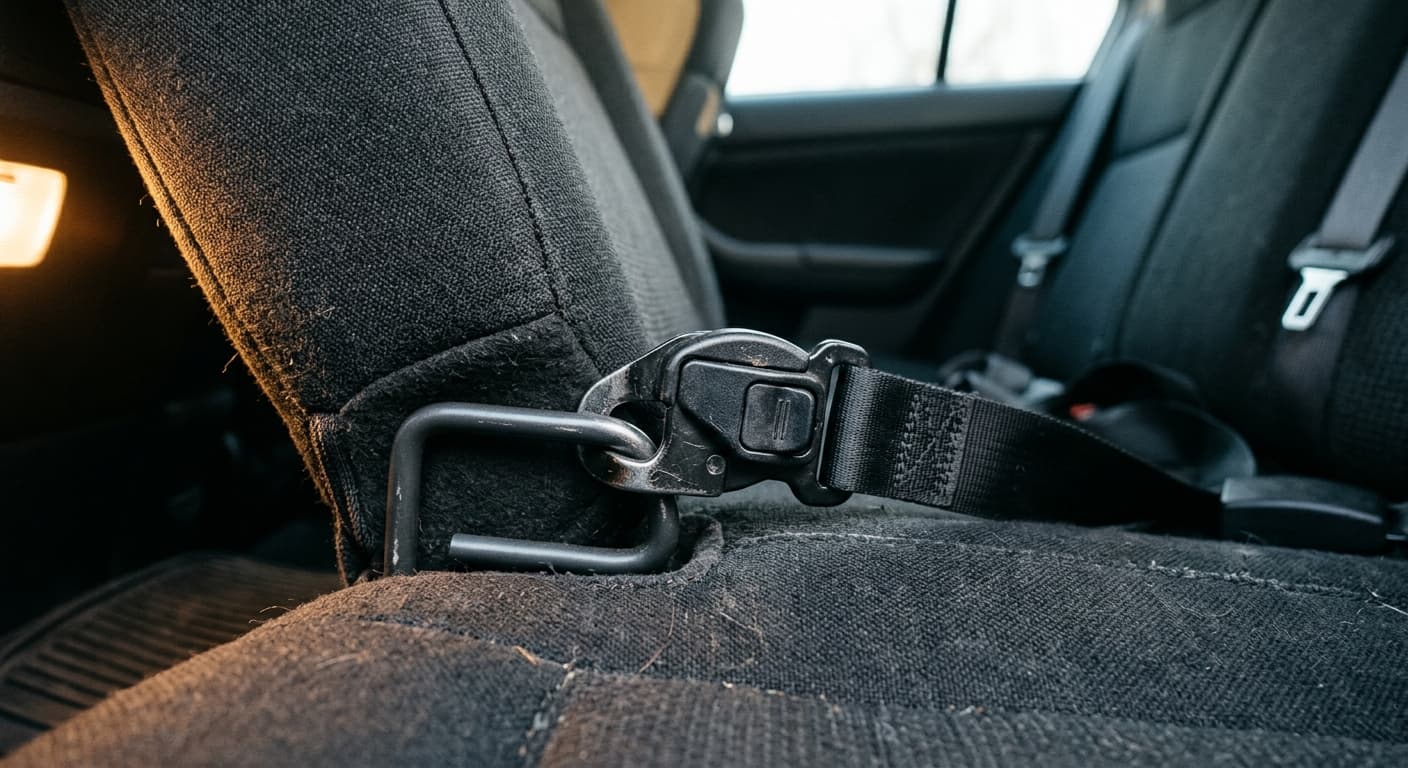
New Mexico runs a four-tier child restraint law under NMSA 1978, § 66-7-369 that covers every passenger under 18: rear-facing under 1, a child passenger restraint device from 1 through 4 (or under 40 pounds at any age), a booster seat or restraint device from 5 through 6 (or under 60 pounds at any age), and a restraint device or seat belt from 7 through 17. A violation carries a flat $25 penalty assessment. This page reflects the statute's text as of September 2026.
Jurisdiction scope: This article covers car seat and child-restraint law in the state of New Mexico only. It does not address any other state. For other states, see the car seat laws hub.
| Stage | Who | Rule | Statute |
|---|---|---|---|
| Rear-facing restraint | Under age 1 | Rear-facing child passenger restraint device, in the rear seat if the vehicle has one | § 66-7-369(B)(1) |
| Child passenger restraint device | Ages 1-4, or any age under 40 lb | Properly secured in a child passenger restraint device meeting federal standards | § 66-7-369(B)(2) |
| Booster seat or restraint device | Ages 5-6, or any age under 60 lb | Child booster seat or an appropriate child passenger restraint device | § 66-7-369(B)(3) |
| Restraint device or seat belt | Ages 7-12 | Child passenger restraint device or a seat belt, meeting the subsection C fit test if using a seat belt | § 66-7-369(B)(4) |
| Seat belt | Ages 13-17 | Properly restrained (general under-18 duty) | § 66-7-369(A) |
Under 1: the rear-facing stage
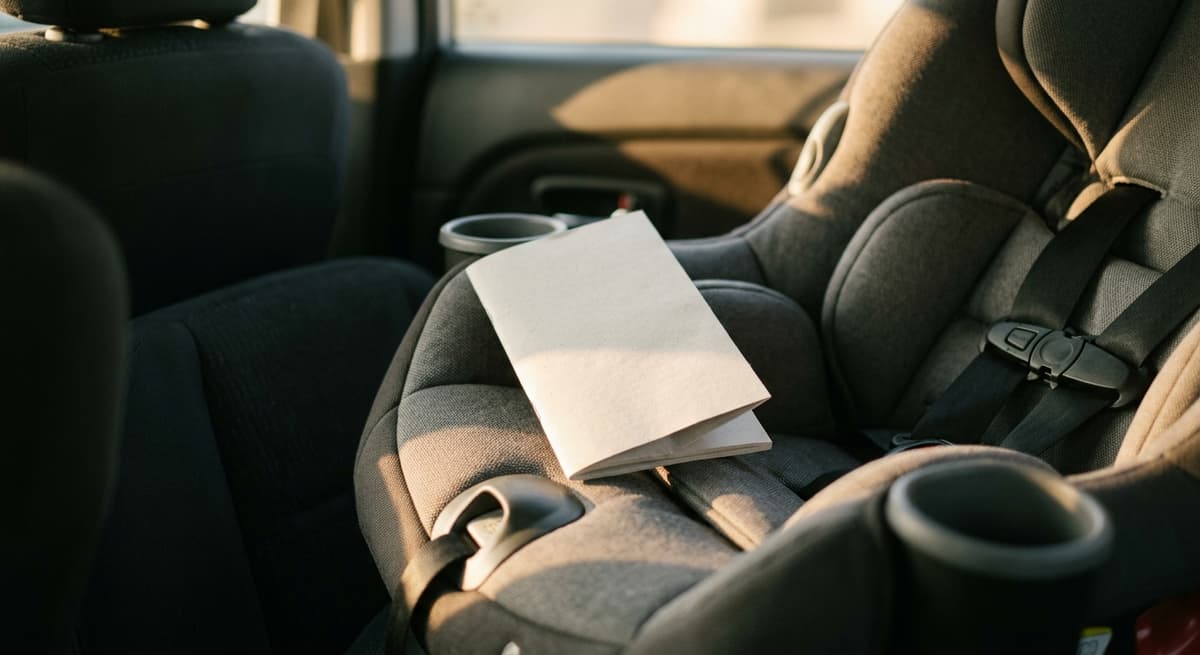
Section 66-7-369(B)(1) requires a child younger than 1 to be "properly secured in a rear-facing child passenger restraint device that meets federal standards, in the rear seat of a vehicle that is equipped with a rear seat." If the vehicle doesn't have a rear seat, the child may ride in the front seat, but only if the passenger-side air bag is deactivated, or if the vehicle isn't equipped with a deactivation switch for the passenger-side air bag. That second branch is about the switch, not the air bag itself: a vehicle that has a passenger-side air bag with no way to turn it off still qualifies, because the statute is permitting the front seat precisely where a driver has no deactivation option, not exempting vehicles that simply lack an air bag.
Who's covered, and New Mexico's exemptions
Subsection A sets the umbrella: a person may not operate a passenger car, van, or pickup truck in New Mexico unless every passenger under 18 is properly restrained. Three vehicle types are exempted outright: an authorized emergency vehicle, public transportation, and a school bus. Subsection B, which sets out the four numbered tiers below, carries its own limit on top of that: each person under 18 has to be properly secured in a child passenger restraint device or by a safety belt, unless all of the vehicle's seating positions equipped with safety belts are already occupied.
Ages 1 through 4, or under 40 pounds: the restraint device stage
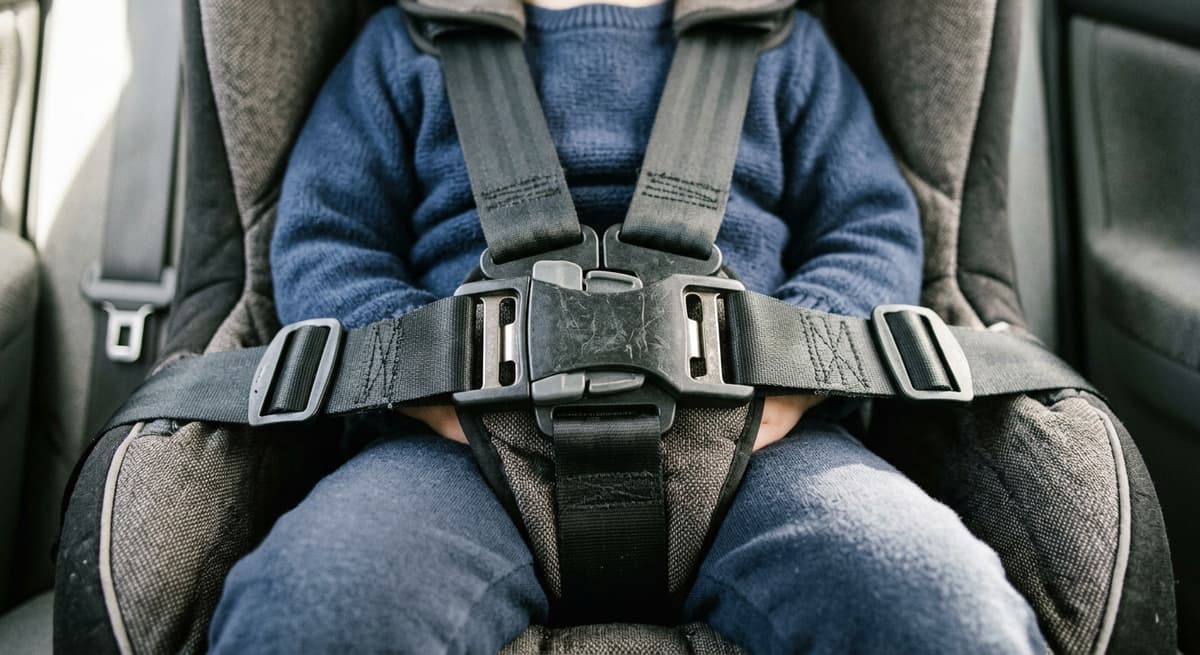
Section 66-7-369(B)(2) covers "children ... one through four years of age, regardless of weight, or children who weigh less than forty pounds, regardless of age." Either condition alone brings a child into this tier: a 4-year-old who weighs 45 pounds is still covered by age, and a 6-year-old who weighs 35 pounds is still covered by weight. A child in this stage must be properly secured in a child passenger restraint device that meets federal standards; the statute does not itself distinguish forward-facing harness types within this tier.
Ages 5 through 6, or under 60 pounds: the booster stage
Section 66-7-369(B)(3) widens the options for "children five years of age through six years of age, regardless of weight, or children who weigh less than sixty pounds, regardless of age": either a child booster seat or an appropriate child passenger restraint device satisfies the law. As with the tier below it, the age and weight conditions each independently trigger this stage on their own.
Ages 7 through 12, and the seat belt fit test
Once a child reaches 7, section 66-7-369(B)(4) requires the child to be "properly secured in a child passenger restraint device or by a seat belt" through age 12. A family may use either a restraint device or a standard seat belt for the full 7-through-12 span. If the family uses a seat belt, subsection C sets the fit test that makes the belt "properly" secured: the lap belt has to fit across the child's thighs and hips, not the abdomen, and the shoulder strap has to cross the center of the child's chest, not the neck, with the child sitting all the way back against the vehicle seat and knees bent over the seat edge. A belt that doesn't fit that way doesn't satisfy the statute even though a seat belt is generally allowed at this tier.
Ages 13 through 17
Subsection B's four numbered tiers stop at age 12, but subsection A's umbrella duty runs through age 17: every passenger under 18 has to be properly restrained. A New Mexico driver with a 13-to-17-year-old passenger remains subject to section 66-7-369, even though that age range isn't broken out into its own numbered tier.
Civil liability
Subsection D bars using a restraint violation against a plaintiff in a civil case: failing to be secured by a child passenger restraint device, a child booster seat, or a safety belt as the section requires can't in any instance be treated as fault or negligence, and it can't be used to limit or apportion damages.
Penalty for violating New Mexico's car seat law
A violation of section 66-7-369 is not punished under the section itself; a 1991 amendment (Laws 1991, ch. 192, section 7) removed the former fine subsection and struck "Penalty" from the section heading entirely. Enforcement instead runs through the penalty-assessment schedule at NMSA 1978, section 66-8-116, which lists a flat $25.00 penalty assessment for a child not properly secured in a restraint device or seat belt as required by section 66-7-369. The $86 or $100 figures some older sources cite for Bernalillo County are not reflected in the current penalty-assessment schedule and shouldn't be relied on.
Leaving a child unattended, and smoking in a vehicle
New Mexico does not have a statute specific to leaving a child unattended in a vehicle, and it does not have a statute specific to smoking in a vehicle with a minor present. Neither gap means no other New Mexico law could ever reach either situation; it means there's no dedicated statute on either topic.
Federal guidance vs. New Mexico law
The federal standard governing child car seats as products, FMVSS 213 (49 CFR 571.213), sets crash-test and performance requirements a seat must meet to be sold; it creates no duty on a parent or driver to use the seat a particular way, which is New Mexico's own statute's job. The National Highway Traffic Safety Administration and the American Academy of Pediatrics separately recommend keeping a child rear-facing as long as the seat's own height and weight limits allow, then moving through a forward-facing harness, a booster, and finally a seat belt. That recommendation is safety guidance layered on top of New Mexico's own legal floor, not a separate legal requirement; a newer federal side-impact standard for car seats themselves, FMVSS 213a/213b, becomes mandatory for manufacturers on December 5, 2026, and changes what a seat must be built to withstand, not what New Mexico law requires a driver to do.
Related New Mexico traffic law pages
Disclaimer: This article provides general legal information about New Mexico's car seat law as of September 2026. It is not legal advice. Statutes, exemptions, and penalties change; verify the current text of the law before relying on it, and talk to a lawyer licensed in New Mexico about a specific situation.
Statutes cited reflect their in-force version as of 2026-09-17. Last updated: 2026-09-17.
Frequently Asked Questions
Until what age does a child need a car seat in New Mexico?
New Mexico runs four numbered tiers through age 12: rear-facing under 1, a child passenger restraint device from 1 through 4 (or under 40 lb at any age), a booster seat or restraint device from 5 through 6 (or under 60 lb at any age), and a restraint device or seat belt from 7 through 12, under NMSA 1978, section 66-7-369. The statute's general under-18 restraint duty then continues to apply from 13 through 17, without a numbered tier of its own.
What is the fine for a car seat violation in New Mexico?
A flat $25.00 penalty assessment, under the schedule at NMSA 1978, section 66-8-116. Section 66-7-369 itself no longer contains a penalty provision; a 1991 amendment removed it.
Can a baby ride in the front seat in New Mexico?
Only if the vehicle has no rear seat. In that case, a child under 1 may ride in front rear-facing only if the passenger-side air bag is deactivated, or if the vehicle isn't equipped with a deactivation switch for that air bag. It isn't enough for the vehicle to simply lack a passenger-side air bag altogether; the statute is about the deactivation switch.
When can a child stop using a booster seat in New Mexico?
The booster or restraint-device tier covers ages 5 through 6, or any age under 60 pounds. From 7 through 12, a restraint device or a seat belt satisfies the law, and a seat belt has to meet the statute's fit test (lap belt across the thighs and hips, shoulder strap across the center of the chest) to count.
Are there any exemptions to New Mexico's car seat law?
Yes. The restraint duty doesn't apply to an authorized emergency vehicle, public transportation, or a school bus. Every numbered tier is also subject to a statute-wide limit: it applies unless all of the vehicle's seating positions equipped with safety belts are already occupied.
Does New Mexico have a law about leaving a child alone in a car?
No. New Mexico doesn't have a statute specific to leaving a child unattended in a vehicle. That doesn't mean no other law could ever apply to the situation; there's just no dedicated statute on the topic.
Updates
Rebuilt from the current statute text after an independent review: restraint stages, exemptions, front-seat rules and penalties re-verified against the statute.
Independently fact-checked against the cited primary sources
Corrected the child-restraint violation fine, which the page had stated as $25, to New Mexico's actual penalty-assessment amount of $71.00 (counties without a metropolitan court) or $85.00 (Bernalillo County), per the state's own Penalty Assessment Schedule, and repointed the statute citation from a 2013 bill-introduction page to the current codified text.
Independently fact-checked against the cited primary sources; governing law re-checked for recent changes
Removed a fabricated 35-pound rear-facing weight threshold attributed to New Mexico law; NMSA 66-7-369(B)(1) sets only an age trigger (under 1 year), with no weight figure.
Governing law re-checked for recent changes
Reviewed and approved by an editor
The Law Behind This Article
This article rests on the statutory provisions below, held in our own legal record and retrieved from the official source. Tap a section to read the operative text.
New Mexico Statutes Annotated 1978, Chapter 66
§ 66-7-369Child passenger restraint; enforcementIn forcecited in 2 of our articles
A. A person shall not operate a passenger car, van or pickup truck in this state, except for an authorized emergency vehicle, public transportation or a school bus, unless all passengers less than eighteen years of age are properly restrained. B. Each person less than eighteen years of age shall be properly secured in a child passenger restraint device or by a safety belt, unless all seating positions equipped with safety belts are occupied, as follows: (1) children less than one year of age shall be properly secured in a rear- facing child passenger restraint device that meets federal standards, in the rear seat of a vehicle that is equipped with a rear seat.
Official text (excerpt) · last checked 2026-09-14 · Read the full text in our law library · Verify at nmonesource.com
Cited in 3 court opinions in our collectionLatest citing opinion in our collection: 2011
Opinions citing this section in our collection:
- State v. Guilez (New Mexico Supreme Court 2000, 129 N.M. 240)“…riving, and violation of the child restraint statute, see NMSA 1978, § 66-7-369(A)(2) (1991) (requiring that children b…”
- State v. Begay (New Mexico Court of Appeals 2011)“…strict court erred 14 when it interpreted the exception to NMSA 1978, Section 66-7-369(B) (2005) to 15 apply only if all seat…”
- State v. Terrazas (New Mexico Court of Appeals 2009)“…t to public health, safety, 6 and welfare.” Id. ¶ 25; see NMSA 1978, § 66-7-369(A) (2001) (amended 2005) (“A 7 person…”
Identified automatically from the court opinions citing this section — not a ranking of which case controls.
Search our full record of US law — 2.1 million sections, every state + federal →
Sources and References
- NMSA 1978, 66-7-369 - Child passenger restraint; enforcement(nmonesource.com).gov
- NM Motor Vehicle Division, Penalty Assessment Misdemeanors Schedule of Assessments (7/1/2024), issued per NMSA 1978, 66-8-116 and 66-8-116.1; lists 66-7-369 at $25(mvd.newmexico.gov).gov
- 49 CFR 571.213 - FMVSS No. 213, Child restraint systems(ecfr.gov).gov
- American Academy of Pediatrics - Car Safety Seats: Information for Families(healthychildren.org)