
Canada
Canada Hit and Run Laws: Penalties and What to Do
Independently fact-checked against primary sources (last audited June 18, 2026). · 1 primary source cited on this page. How we verify our legal content
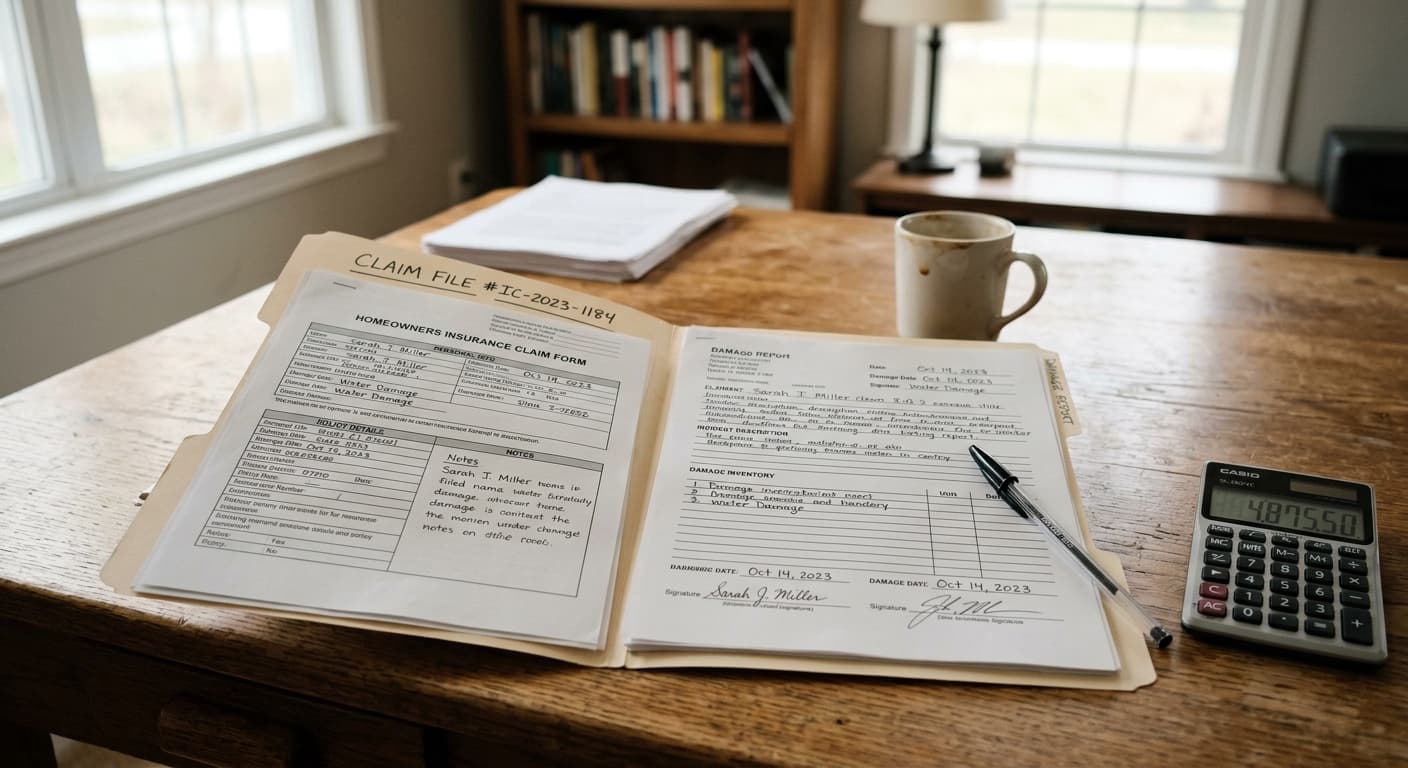
In Canada, failing to stop at the scene of a collision is a federal offence under Criminal Code section 320.16, requiring every driver to stop, give their name and address, and offer assistance. Provincial traffic acts add parallel duties, and where death results, penalties reach life imprisonment.
Federal Criminal Code (Section 320.16)
In Canada, a "hit and run" is formally known as "Failure to stop after accident." This is a serious criminal offense that applies across all provinces and territories. The Criminal Code of Canada sets the baseline for these crimes, meaning you can be charged federally regardless of where you are driving.
Section 320.16 (1) states that everyone commits an offense who operates a conveyance (vehicle) involved in an accident and fails, without reasonable excuse, to:
- Stop the conveyance;
- Give their name and address; and
- Offer assistance if any person has been injured or appears to require assistance.
If you leave the scene before fulfilling these three duties, you are committing a crime. The law does not care if the accident was your fault or not; the crime is the act of leaving.
Provincial Traffic Act Requirements
In addition to the federal Criminal Code, every province has its own legislation (e.g., Highway Traffic Act, Motor Vehicle Act) that mandates stopping at the scene. Police can choose to charge you under provincial law (traffic ticket, demerit points) or federal law (criminal record, jail time), depending on the severity.
While specifics vary, all provincial acts generally require you to:
- Remains at or immediately return to the scene.
- Render all reasonable assistance.
- Produce your driver's license, registration, and insurance card to the other driver or a police officer.
What to Do After an Accident (Step-by-Step)
If you are involved in a collision anywhere in Canada, follow these steps to stay compliant with the law and protect your rights:
- Stop Immediately: Bring your vehicle to a safe halt as close to the scene as possible without blocking traffic.
- Check for Injuries: Assess yourself, your passengers, and anyone in the other vehicle. Call 911 immediately if anyone is hurt.
- Secure the Scene: Turn on hazard lights. If vehicles are movable and it's safe, clear the roadway (unless serious injury or death has occurred, in which case, do not move anything).
- Exchange Information: Swap names, addresses, phone numbers, driver's license numbers, and insurance details with the other driver.
- Document Everything: Take photos of the damage, license plates, road conditions, and traffic signs. Get contact info for any witnesses.
- Report the Accident: If damages exceed the provincial threshold (typically $2,000) or if there are injuries, report to the police or a Collision Reporting Centre within 24 hours.
- Notify Your Insurer: Call your insurance provider to start the claims process.
- Seek Legal Advice: If you are charged with a hit and run or major traffic offense, consult a criminal defense lawyer before giving a statement.
When is a Hit and Run a Summary vs. Indictable Offense?
The Crown prosecutor decides how to proceed with a charge under the Criminal Code. This decision depends on the severity of the incident:
- Summary Conviction: Reserved for less serious offenses (e.g., minor property damage with no injuries). Penalties are lower but still result in a criminal record.
- Indictable Offense: Reserved for serious cases, especially those involving bodily harm or death. The penalties are much harsher.
Most simple hit and run cases are treated as "hybrid" offenses, meaning the Crown can choose either path. However, if bodily harm or death is involved, it is almost always treated as an indictable offense.
Hitting an Unattended Vehicle or Property
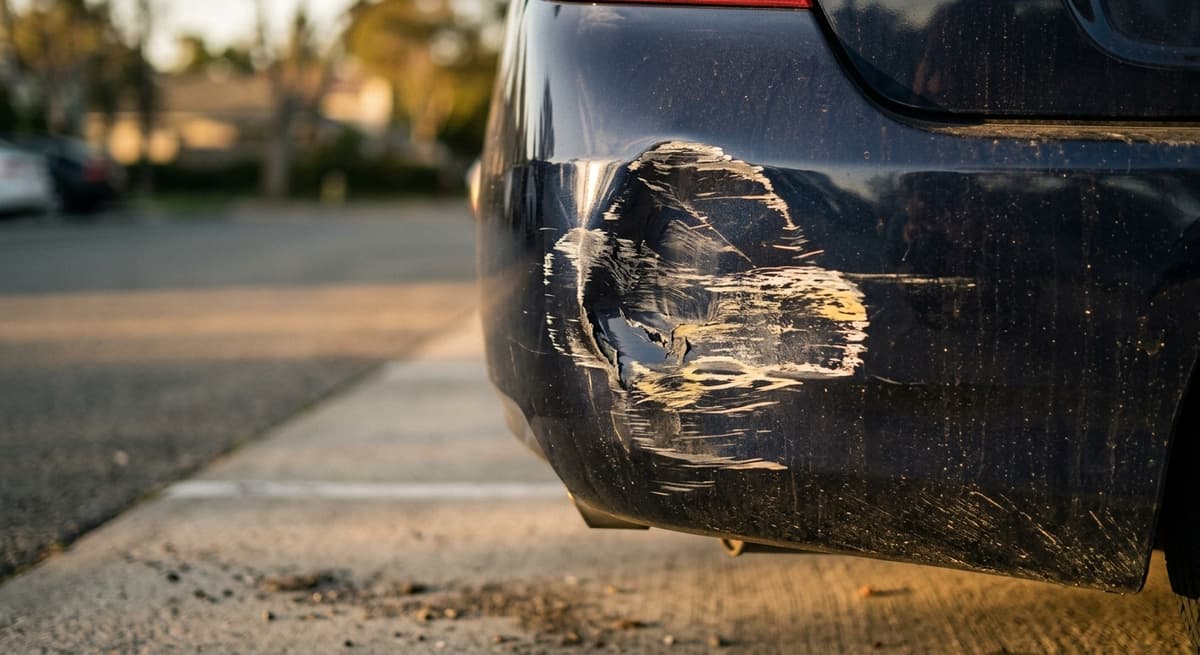
If you hit a parked car, a fence, or a mailbox, you cannot just drive away. You must attempt to locate the owner. If the owner cannot be found, you are legally required to leave a written notice in a conspicuous place on the damaged property.
The note should include:
- Your full name and address.
- Your driver's license number.
- Your vehicle registration number.
You must also report the incident to the police if the combined damage exceeds the provincial reporting threshold.
Reporting Requirements and Deadlines
Reporting thresholds differ by province. It is your responsibility to know the limit in your jurisdiction. If you are unsure, report it anyway.
- Alberta: $5,000+ damage (raised from $2,000 effective 1 January 2024).
- British Columbia: $1,000+ damage (Motor Vehicle Act).
- Manitoba: $2,000+ damage (Highway Traffic Act).
- Ontario: $5,000+ damage (raised from $2,000 effective 1 January 2025).
- Saskatchewan: No fixed dollar threshold; report to police if there is injury or death, a criminal offence, a hit and run, a towed or an out-of-province vehicle.
Timeline: You generally have 24 hours to report a collision to the police or a Collision Reporting Centre. Failure to report is a separate offense that carries its own fines and demerit points.
Penalties and Demerit Points
Penalties for hit and run in Canada can be severe, ranging from fines to life in prison.
| Offense Type | Max Fine / Penalty | Max Jail Time | Demerit Points |
|---|---|---|---|
| Provincial Traffic Ticket | $400 - $2,500 (varies) | Up to 6 months | 3 - 7 points |
| Criminal Code (Summary) | Up to $5,000 + Victim Surcharge | Up to 2 years less a day | License Suspension |
| Criminal Code (Indictable - No Injury) | No Limit | Up to 10 years | Revocation |
| Criminal Code (Bodily Harm) | No Limit | Up to 14 years | Revocation |
| Criminal Code (Death) | No Limit | Life Imprisonment | Revocation |
Insurance Implications
Canada has a mix of insurance systems, but one rule is universal: Hit and run is a breach of your insurance contract.
If you flee the scene:
- Your insurance company may deny your claim for your own vehicle repairs.
- They may pay the victim's claim (as required by law) but then sue you to recover every penny.
- Your premiums will skyrocket, or your policy may be cancelled entirely.
- You will likely be placed in a "high-risk" insurance category (e.g., Facility Association), where premiums are 3-4x higher.
Tort vs. No-Fault Systems:
- Tort (e.g., Alberta): You can sue the at-fault driver for pain and suffering.
- No-Fault (e.g., Ontario, Quebec, Manitoba, BC): You deal primarily with your own insurer for benefits, regardless of fault. However, criminal actions like hit and run can still expose you to lawsuits in some jurisdictions or severe benefit limitations.
How is Fault Determined in Canada?
Fault is determined using "Fault Determination Rules" enacted in each province. These are strict guidelines that insurers follow to assign 0%, 50%, or 100% fault based on the accident scenario.
If you flee the scene, it does not automatically make you "at fault" for the collision itself (e.g., if you were rear-ended but then panicked and ran). However, it destroys your credibility and makes it very difficult to prove you weren't responsible. Additionally, the act of fleeing is its own legal violation regardless of accident fault.
Statute of Limitations for Civil Claims
The time limit to file a civil lawsuit for damages or injuries generally follows the provincial Limitations Act:
- Basic Limitation Period: Typically 2 years from the date of the accident (e.g., Ontario, Alberta, BC).
- Manitoba: 2 years.
- Discovery Rule: The clock starts ticking when the injury or damage is "discovered," which is usually the date of the crash.
Evidence Needed for Conviction
To convict you of "Failure to Stop" under the Criminal Code, the Crown must prove beyond a reasonable doubt that:
- You were driving the vehicle.
- You were involved in an accident.
- You knew (or were reckless to the fact) that an accident occurred.
- You failed to stop, give your name, AND offer assistance.
- You had no reasonable excuse for leaving.
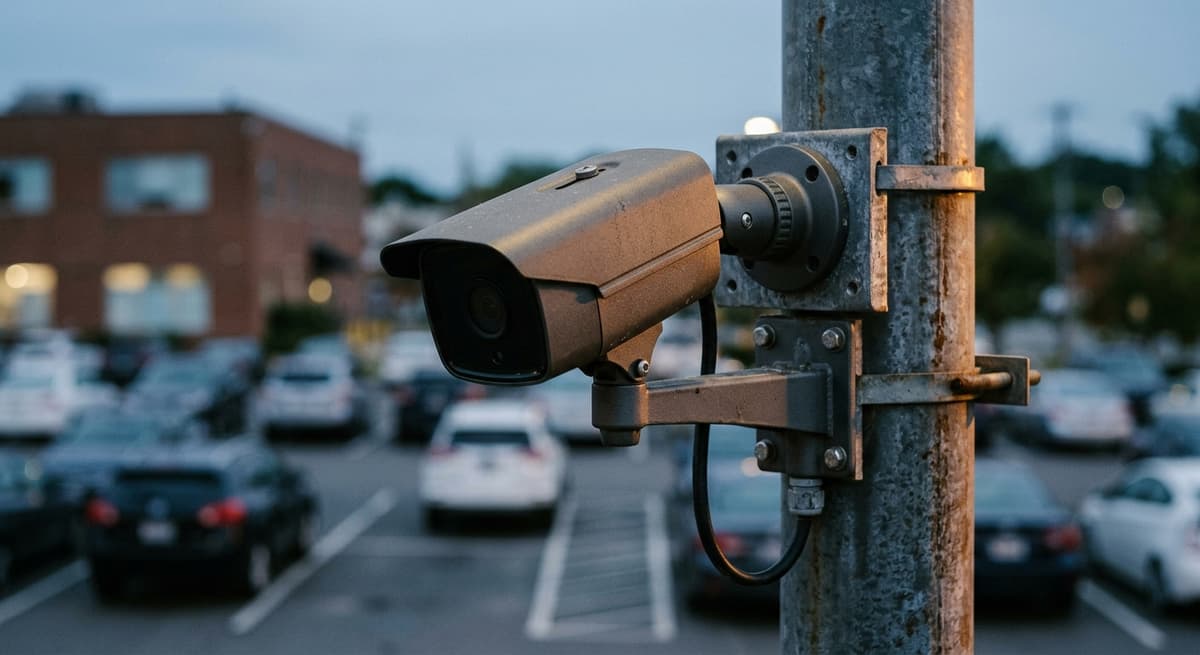
Police use dashcam footage, witness testimony, CCTV from nearby businesses, and forensic paint analysis to track down vehicles.
Legal Defenses
Every case is unique, but common defenses include:
- Lack of Knowledge: You genuinely did not know you hit anything (e.g., a very minor scratch on a large truck).
- Mistaken Identity: You were not the driver at the time (e.g., vehicle was stolen).
- Duress or Safety: You fled because you reasonably feared for your safety (e.g., road rage incident) and reported it to police immediately after reaching a safe location.
Hit and Run Laws by Province and Territory
Leaving the scene of a collision is a federal Criminal Code offence (section 320.16) everywhere in Canada, but each province and territory adds its own reporting duties, dollar thresholds, demerit points, and insurance scheme. Select your jurisdiction for the details that apply where you drive.
- Ontario Hit and Run Laws
- Quebec Hit and Run Laws
- British Columbia Hit and Run Laws
- Alberta Hit and Run Laws
- Manitoba Hit and Run Laws
- Saskatchewan Hit and Run Laws
- Nova Scotia Hit and Run Laws
- New Brunswick Hit and Run Laws
- Newfoundland and Labrador Hit and Run Laws
- Prince Edward Island Hit and Run Laws
- Yukon Hit and Run Laws
- Northwest Territories Hit and Run Laws
- Nunavut Hit and Run Laws
Related Canadian Guides
Frequently Asked Questions
When is a Hit and Run a Summary vs. Indictable Offense?
The Crown prosecutor decides how to proceed with a charge under the Criminal Code. This decision depends on the severity of the incident: Most simple hit and run cases are treated as "hybrid" offenses, meaning the Crown can choose either path. However, if bodily harm or death is involved, it is almost always treated as an indictable offense.
How is Fault Determined in Canada?
Fault is determined using "Fault Determination Rules" enacted in each province. These are strict guidelines that insurers follow to assign 0%, 50%, or 100% fault based on the accident scenario. If you flee the scene, it does not automatically make you "at fault" for the collision itself (e.g., if you were rear-ended but then panicked and ran). However, it destroys your credibility and makes it very difficult to prove you weren't responsible. Additionally, the act of fleeing is its own legal violation regardless of accident fault.
Updates
Independently fact-checked against the cited primary sources
Sources and References
- Criminal Code (R.S.C. 1985, c. C-46) s. 320.16: failure to stop after accident(laws-lois.justice.gc.ca).gov