
Rhode Island
Rhode Island Lemon Law (2026): How to Qualify & Get a Refund
Independently fact-checked against primary sources (last audited August 17, 2026). · Reviewed by the RecordingLaw editorial team. · Law checked current as of August 17, 2026. · 10 primary sources cited on this page. How we verify our legal content

Rhode Island's Motor Vehicle Warranty Act under R.I. Gen. Laws Chapter 31-5.2 covers new vehicles under 10,000 pounds, and reaches a used vehicle only while the one-year or 15,000-mile term of protection measured from the original delivery is still running. A vehicle qualifies as a lemon when the same defect persists after four repair attempts or the car is out of service for 30 or more cumulative days within one year or 15,000 miles. At that point, the consumer chooses between a full refund or a comparable replacement vehicle.
Overview of Rhode Island's Lemon Law
Rhode Island's lemon law, officially titled the Consumer Enforcement of Motor Vehicle Warranties Act, is codified at R.I. Gen. Laws Chapter 31-5.2. The law protects consumers who purchase or lease new motor vehicles that turn out to have substantial defects the manufacturer cannot fix after a reasonable number of attempts.
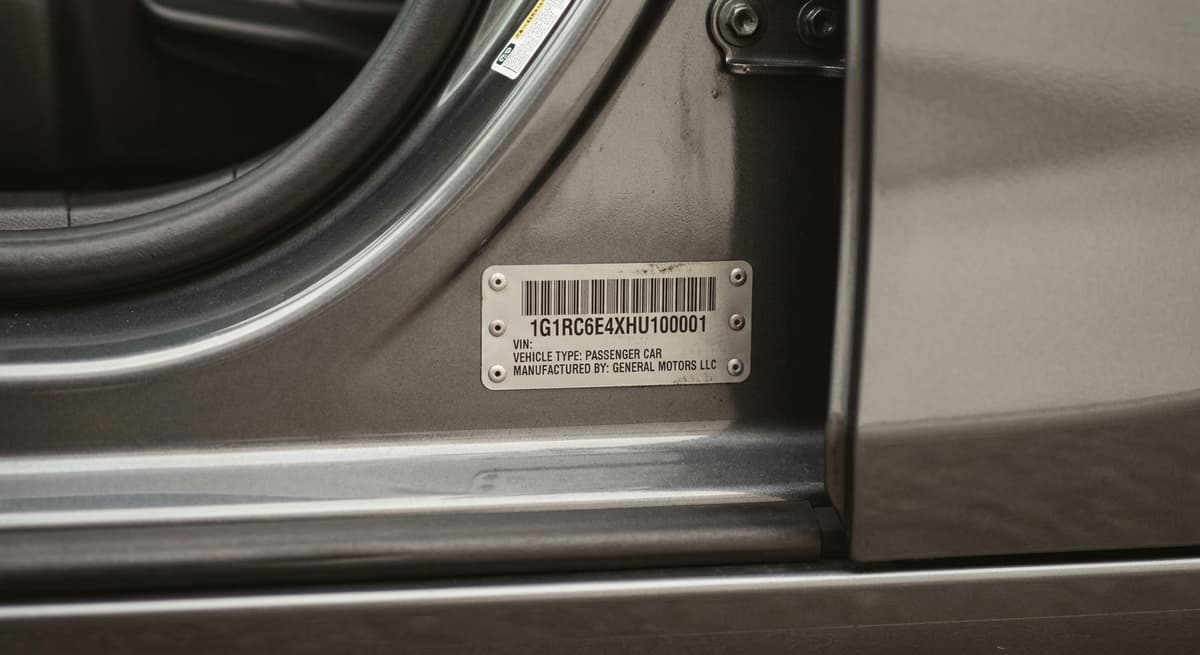
Rhode Island also maintains a separate used car warranty statute under Chapter 31-5.4, which requires dealers to provide written warranties on used vehicles and gives buyers recourse when defects go unrepaired. Together, these two laws form a strong safety net for Rhode Island vehicle buyers.
The Rhode Island Attorney General's Office oversees lemon law enforcement and operates the Motor Vehicle Arbitration Board, which provides consumers with an accessible path to resolve disputes without needing to go to court.
What Vehicles Are Covered
Rhode Island has one of the more inclusive lemon laws in the country. The law covers a wide range of vehicles, including certain used cars still under warranty protection.
Covered Vehicle Types
- Automobiles: All passenger cars regardless of purpose
- Trucks: Vehicles with a registered gross vehicle weight of less than 10,000 pounds
- Vans: Including minivans and passenger vans under the weight limit
- Motorcycles: Street-legal motorcycles with manufacturer warranties. Motorcycles are covered by Chapter 31-5.2 only; the used car warranty statute, Chapter 31-5.4, excludes them
- Electric vehicles: EVs that meet the weight and warranty requirements are covered just like gas-powered vehicles
- Used vehicles: Only where the vehicle is transferred during the duration of an express or implied warranty and the term of protection (1 year or 15,000 miles from original delivery) has not yet run
- Leased vehicles: Vehicles leased for one year or more under a written lease agreement
- Fire department apparatus: Municipality-owned vehicles not substantially altered after purchase
Vehicles NOT Covered
- Motorized campers as defined in Rhode Island law
- Vehicles with a registered gross vehicle weight of 10,000 pounds or more
- Vehicles substantially altered in a manner that voids the manufacturer's warranty
- Vehicles sold before May 11, 1984
Used Vehicle Coverage Under Chapter 31-5.2
Rhode Island's definition of "consumer" in Section 31-5.2-1(1) includes any person to whom the vehicle is transferred during the duration of an express or implied warranty, so a used-car buyer can be a consumer under this chapter.
Coverage turns on a second gate, though. Section 31-5.2-2 requires the consumer to report the nonconformity during the term of protection, and Section 31-5.2-1(10) fixes that term at one year or 15,000 miles of use from the date of original delivery of the new motor vehicle, whichever comes first.
Remaining factory warranty is therefore not enough on its own. A used car bought at 25,000 miles with two years left on a 3-year/36,000-mile factory warranty is already past the term of protection and has no Chapter 31-5.2 buyback claim. This chapter reaches a used vehicle only where the transferee is still inside that one-year or 15,000-mile window measured from the original delivery date, not from the date of the used-car purchase.
This is separate from the used car warranty protections under Chapter 31-5.4, which are discussed in detail later in this guide.
What Qualifies as a Nonconformity
Rhode Island law defines a "nonconformity" as any specific or generic defect or malfunction, or any concurrent combination of defects or malfunctions, that substantially impairs the:
- Use of the motor vehicle
- Market value of the motor vehicle
- Safety of the motor vehicle
The defect does not need to make the vehicle undrivable. If it significantly reduces the vehicle's value or creates safety concerns, that may be enough to qualify. Common examples include persistent engine problems, transmission failures, electrical system malfunctions, brake defects, and steering issues.
Rhode Island's Lemon Law Presumption
Under R.I. Gen. Laws Section 31-5.2-5, the law creates a rebuttable presumption that a reasonable number of repair attempts have been made when certain conditions occur within the "term of protection."
The Lemon Law Presumption Applies When
| Condition | Requirement | Details |
|---|---|---|
| Repair Attempts (Same Problem) | 4 or more attempts | The same nonconformity has been subject to repair 4+ times and continues to exist |
| Days Out of Service | 30 or more cumulative calendar days | Vehicle unavailable due to repair of any nonconformities |
| Term of Protection | 1 year or 15,000 miles | Whichever comes first from date of original delivery |
| Final Opportunity to Cure | 7 additional calendar days | Manufacturer gets one additional chance even after term expires |
Important: Even after the term of protection expires, the manufacturer is entitled to one additional opportunity to cure the defect. This additional opportunity cannot exceed seven calendar days. It begins when the manufacturer first knows or should have known that the repair attempt limits or out-of-service limits have been met.
Extensions to the Time Periods
The term of protection, the 30-day out-of-service period, and the additional opportunity to cure may be extended during:
- War or invasion
- Fire, flood, or other natural disaster
- Strike (the manufacturer must provide a free loaner vehicle during strikes)
The manufacturer bears the burden of proving that these events directly caused the failure to cure the nonconformity.
Consumer Remedies: Refund vs. Replacement
When a vehicle qualifies as a lemon under Rhode Island law, the consumer has the right to choose between a full refund or a comparable replacement vehicle. The statute states "at the consumer's or lessee's option," making clear that this is the consumer's decision, not the manufacturer's.

Option 1: Vehicle Buyback (Refund)
Under R.I. Gen. Laws Section 31-5.2-3, the manufacturer must refund:
- Full contract price: The complete purchase price of the vehicle
- Credits and allowances: Including the value of any trade-in
- Incidental costs: Sales tax, registration fees, and finance charges
- Dealer-installed options: Cost of nonremovable options added by an authorized dealer
- Towing and rental costs: If these services were not provided free of charge during repairs
Usage Deduction: The manufacturer may deduct a reasonable allowance for use. Rhode Island calculates this deduction as follows:
Usage Deduction = Total Contract Price x (Miles Before First Report + Miles When Not Out of Service) / 100,000
The numerator is the sum of miles driven before the first report of the nonconformity plus any miles driven during periods when the vehicle was not out of service for repair. The 100,000-mile denominator is more favorable to consumers than many other states that use 120,000 miles, resulting in a smaller deduction from the refund.
Option 2: Replacement Vehicle
The manufacturer must provide:
- A comparable new motor vehicle in good working order
- Delivery within 30 calendar days of the vehicle's return
- Reimbursement for registration transfer fees and sales tax incurred due to the replacement
- Refinancing terms no less favorable than the original agreement (if financed through the manufacturer)
If no comparable vehicle is delivered within 30 days, the manufacturer must provide a full refund instead.
Consumer's Right to Retain Vehicle
Rhode Island uniquely allows consumers to retain use of the returned vehicle until a full refund or acceptable replacement is tendered. Any additional miles driven during this period are included in the reasonable allowance for use calculation.
Federal Backstop: The Magnuson-Moss Warranty Act
In addition to Rhode Island's state lemon law, consumers may also have rights under the federal Magnuson-Moss Warranty Act (15 U.S.C. 2301 et seq.). The Act applies where a written warranty accompanies a consumer product, and a vehicle sold with a factory warranty is squarely within it. If a manufacturer fails to honor its warranty after a reasonable number of attempts, you may sue for damages, equitable relief, and attorney fees. In practice most single-vehicle claims belong in state court: 15 U.S.C. 2310(d)(3)(B) bars a federal district court from hearing a Magnuson-Moss claim unless the amount in controversy is at least $50,000, exclusive of interest and costs, computed across all claims in the suit. Magnuson-Moss operates alongside Rhode Island's statute, so a consumer whose state-law claim falls just short of the presumption thresholds may still have a viable federal warranty claim.
How to File a Lemon Law Claim in Rhode Island
Rhode Island provides two main paths for resolving lemon law disputes: manufacturer informal dispute settlement procedures and the state Motor Vehicle Arbitration Board.
Step 1: Notify the Manufacturer
Before filing a claim, check your warranty or owner's manual. If required, send written notification to the manufacturer at the address indicated in the warranty or owner's manual of your intent to file a complaint under the lemon law.
Step 2: Document Everything
- Keep all repair orders and invoices
- Note the exact dates your vehicle was in the shop and when it was returned
- Document the symptoms you experienced each time
- Save all correspondence with the dealer and manufacturer
- Take photos or videos of defects when possible
Step 3: Allow Repair Attempts
Give the manufacturer or dealer the opportunity to repair the nonconformity. Report the problem to the manufacturer, its agent, or an authorized dealer during the term of protection. Keep careful records of each repair attempt.
Step 4: Choose a Dispute Resolution Path
If repairs are unsuccessful after meeting the presumption thresholds, you may:
- Use the manufacturer's informal dispute settlement procedure: If one exists and complies with federal regulations (16 C.F.R. Part 703) or is approved by the Attorney General
- Use the Motor Vehicle Arbitration Board: State-run arbitration through the Attorney General's office
- File a civil lawsuit: Take the matter directly to court
Motor Vehicle Arbitration Board
Rhode Island operates a unique state-run Motor Vehicle Arbitration Board through the Department of the Attorney General. This provides consumers with an accessible and affordable alternative to court litigation or manufacturer-sponsored arbitration.
Board Composition
The five-member board includes:
- The Attorney General or designee (serves as director)
- A member of the general public appointed by the Attorney General
- The Director of the Department of Revenue or designee
- The President of the Rhode Island Automobile Dealers' Association or designee
- The Administrator of the Division of Motor Vehicles or designee
Filing Process
| Detail | Information |
|---|---|
| Consumer filing fee | $20 (non-refundable) |
| Manufacturer filing fee | $50 (non-refundable) |
| How to file | Complete the complaint form prescribed by the Attorney General |
| Decision timeline | Within 90 days of eligibility determination |
| Consumer acceptance period | 5 days to accept or reject the decision |
| Manufacturer compliance period | 30 days after the decision is rendered, to comply or appeal |
You can download the Request for Lemon Law Arbitration form directly from the Attorney General's website.
How Arbitration Decisions Are Enforced
If the decision is favorable to the consumer, Section 31-5.2-7.1(g)(2) gives the manufacturer 30 days after the rendering of the decision to either comply with it, where the consumer has elected to accept it, or appeal to Superior Court. The clock runs from the rendering of the decision, not from the consumer's acceptance, and the consumer's own window to accept or reject is only 5 days. Appeals by the manufacturer require:
- A petition filed within 30 days of the decision
- A bond equal to the money award plus $2,500 for anticipated attorney fees
Additional Recovery if Manufacturer Appeal Fails
If the arbitration decision is upheld by the court, consumers may recover:
- Continuing damages: $25 per day for each day after the vehicle was returned to the manufacturer that it was out of use as a direct result of the nonconformity. The statute excludes any nonconformity issuing from owner negligence, accident, vandalism, or an attempt to repair or substantially modify the vehicle by someone other than the manufacturer, its agent, or an authorized dealer, and it applies only where the manufacturer did not make a comparable vehicle available to the consumer free of charge
- Attorney fees and costs: Reasonable fees for prevailing consumers
- Double damages: If the court finds the manufacturer had no reasonable basis for the appeal or the appeal was frivolous
Manufacturer Defenses
Under R.I. Gen. Laws Section 31-5.2-4, manufacturers have limited affirmative defenses they can raise in a lemon law dispute.
| Defense | Manufacturer's Argument | Consumer's Counter |
|---|---|---|
| No substantial impairment | The alleged nonconformity does not substantially impair use, market value, or safety | Document how the defect affects daily use, resale value, or creates safety concerns |
| Consumer abuse or neglect | The nonconformity resulted from consumer misuse, abuse, or neglect | Provide maintenance records showing proper care and timely service |
| Unauthorized modifications | A substantial modification or alteration caused the problem | Show the defect existed before modifications or is unrelated to any alterations |
The manufacturer carries the burden of proof for these defenses. Consumers should maintain thorough records to counter any such claims.
Leased Vehicle Protections
Rhode Island provides specific protections for consumers who lease vehicles for one year or more under written lease agreements.
Refund Calculation for Leased Vehicles
When a leased vehicle qualifies as a lemon, refunds are distributed as follows:
- Lessee receives: Aggregate deposit and rental payments previously paid (the "lessee cost")
- Lessor receives: The lease price minus the lessee cost
Lease Termination
Upon payment of the refund:
- The lease agreement is automatically terminated
- No penalty for early termination may be assessed against the consumer
- The consumer owes no additional payments under the lease
Attorney Fees and Consumer Rights
Rhode Island law provides that courts hearing a complaint brought by a consumer or lessee aggrieved by a violation of the lemon law shall award reasonable attorney fees to a prevailing plaintiff. This is an important provision because it allows consumers to hire competent legal representation without worrying about whether the cost of an attorney will exceed the value of their claim.
Section 31-5.2-8 provides that any agreement entered into by a consumer or lessee for the purchase or lease of a new motor vehicle that waives, limits, or disclaims the rights set forth in the lemon law is void as contrary to public policy. Read the scope carefully: that anti-waiver rule is written for the purchase or lease of a new motor vehicle. It does not carry over to used car sales, where Chapter 31-5.4 expressly allows a dealer to disclaim the statutory used car warranty. See "When the Used Car Warranty Does Not Apply" below.
Resale Disclosure Requirements
Under R.I. Gen. Laws Section 31-5.2-9, no motor vehicle returned under the lemon law may be resold or re-leased in Rhode Island without clear and conspicuous written disclosure to the prospective buyer or lessee prior to the sale. The Attorney General prescribes the exact form and content of the required disclosure statement.
This protects future buyers from unknowingly purchasing a vehicle that was previously returned as a lemon.
Used Car Warranty Law (Chapter 31-5.4)
In addition to the main lemon law, Rhode Island has a separate statute that specifically protects buyers of used vehicles. R.I. Gen. Laws Chapter 31-5.4 requires dealers to provide written warranties on used motor vehicles and sets minimum warranty terms based on the vehicle's mileage at the time of sale. This chapter is narrower than the main lemon law in one way readers often miss: Section 31-5.4-1 defines a used motor vehicle as a passenger motor vehicle, excluding motorcycles, motor homes, and off-road vehicles. A used motorcycle has no claim under Chapter 31-5.4, though a motorcycle still inside the Chapter 31-5.2 term of protection is covered there.
Minimum Warranty Requirements
| Vehicle Mileage at Sale | Minimum Warranty Period |
|---|---|
| 36,000 miles or less | 60 days or 3,000 miles, whichever comes first |
| More than 36,000 but not more than 100,000 miles | 30 days or 1,000 miles, whichever comes first |
When a Used Car Qualifies as a Lemon
Under Chapter 31-5.4, a used vehicle qualifies for a refund if:
- The same malfunction or defect has been subject to repair 3 or more times by the selling dealer or agent within the warranty period, but the same defect continues to exist, OR
- The vehicle is out of service by reason of repair for a cumulative total of 15 or more days during the warranty period
Important Exceptions to the 15-Day Rule
The 15-day out-of-service period does not include days when the dealer is unable to complete the repair because of the unavailability of necessary repair parts, provided the dealer exercises due diligence in attempting to obtain those parts.
However, if a vehicle has been out of service for a cumulative total of 45 days, even if a portion of that time is attributable to the unavailability of replacement parts, the consumer is entitled to a replacement or refund.
Refund for Used Vehicles
If the dealer or agent fails to correct the defect as required by the warranty and the defect substantially impairs the value of the used vehicle, the dealer must accept the return of the vehicle and refund the full purchase price, including sales tax, minus a reasonable allowance for any damage not attributable to normal wear and a market value adjustment for any modifications.
Section 31-5.4-3(a) also lets the dealer elect to offer a comparably priced replacement vehicle instead, with any price adjustment the parties agree to. The election to offer belongs to the dealer, but the consumer is never obligated to accept a replacement and may instead elect to take the refund.
When the Used Car Warranty Does Not Apply
The Chapter 31-5.4 warranty is neither automatic nor unwaivable, and the waiver is the most common way a Rhode Island used-car buyer ends up with no statutory protection at all. Under Section 31-5.4-4, a dealer may sell without the warranty if the waiver is disclosed two ways:
- Windshield notice: a conspicuous placard at least 8.5 by 11 inches, in bold print one inch high, reading NO WARRANTY AS TO CONDITION - SOLD AS IS
- Bill of sale disclaimer: waiver language printed in a type size larger and a different color than any other type on the bill of sale, separately initialed by both the purchaser and the dealer
If you initial that line, you have given up the statutory used car warranty. Section 31-5.4-4(d) also excludes the chapter entirely for used vehicles sold for less than $1,500 and for classic cars registered under Title 31, and the minimum warranty schedule in Section 31-5.4-2 stops at 100,000 miles, so no statutory warranty term is set for a used vehicle sold above that mileage. Section 31-5.4-4(c) preserves whatever rights you have under other laws, including any separate written warranty the dealer actually gave you.
Key Differences Between New and Used Vehicle Protections
| Feature | New Vehicles (Ch. 31-5.2) | Used Vehicles (Ch. 31-5.4) |
|---|---|---|
| Warranty source | Manufacturer warranty | Dealer-provided written warranty |
| Repair attempts for presumption | 4 attempts for same defect | 3 attempts for same defect |
| Out-of-service days | 30 cumulative days | 15 cumulative days |
| Remedy provider | Manufacturer | Selling dealer |
| Arbitration available | Yes, through AG's Motor Vehicle Arbitration Board | No state arbitration board; pursue through court |
| Replacement option | Yes, at the consumer's option | Only if the dealer elects to offer one, and the consumer may decline it and take the refund |
| Vehicle types | Cars, trucks, vans, and motorcycles under 10,000 lbs. | Passenger vehicles only; motorcycles, motor homes, and off-road vehicles excluded |
| Waiver by agreement | Void as contrary to public policy (31-5.2-8) | Allowed with a posted SOLD AS IS notice and an initialed bill-of-sale disclaimer (31-5.4-4) |
Statute of Limitations
Under R.I. Gen. Laws Section 31-5.2-12, any action brought under the lemon law must be commenced within the earlier of:
- Three (3) years from the date of original delivery of the motor vehicle to the consumer, OR
- Two (2) years from the date on which the mileage on the motor vehicle reached 15,000 miles
Whichever deadline arrives first controls. This means consumers should not delay in pursuing a claim once they suspect their vehicle qualifies as a lemon.
Tolling provisions: The statute of limitations is tolled (paused) during the period from initiation of an informal dispute settlement procedure until 30 days after a final decision is rendered.
Tips for Strengthening Your Rhode Island Lemon Law Claim
- Report problems immediately. Contact the dealer or manufacturer as soon as you notice a defect, and always do so in writing.
- Keep a repair log. Track every visit, including dates dropped off and picked up, what was reported, and what work was done.
- Request copies of all repair orders. These documents are your primary evidence in any lemon law claim.
- Do not attempt DIY repairs. Unauthorized repairs can undermine your claim and give the manufacturer a defense.
- Follow the warranty procedures. Use authorized dealers for all warranty work and follow any notice requirements in your owner's manual.
- Act within the time limits. Remember that the term of protection is just 1 year or 15,000 miles, and the statute of limitations can expire as early as 2 years after reaching 15,000 miles.
More Rhode Island Laws
Frequently Asked Questions
Does Rhode Island's lemon law cover used vehicles?
Yes, but the two paths are narrower than they look. Under the main lemon law (Chapter 31-5.2), a used vehicle is covered only if it was transferred while a manufacturer warranty was still in force and the defect is reported during the term of protection, which runs one year or 15,000 miles from the original delivery of the new vehicle. Remaining factory warranty alone is not enough once that window has closed. Separately, Chapter 31-5.4 requires dealers to provide a written warranty on used passenger vehicles and allows buyers to seek a refund if the dealer cannot fix a substantial defect, but it excludes motorcycles, motor homes, and off-road vehicles, and a dealer can disclaim it with a posted SOLD AS IS notice and a separately initialed disclaimer on the bill of sale.
How many repair attempts are required before a vehicle is considered a lemon in Rhode Island?
For new vehicles under Chapter 31-5.2, the law presumes a reasonable number of attempts have been made if the same defect has been subject to repair 4 or more times and continues to exist, or if the vehicle has been out of service for 30 or more cumulative calendar days. These conditions must occur within 1 year or 15,000 miles, whichever comes first. For used vehicles under Chapter 31-5.4, the thresholds are 3 repair attempts or 15 days out of service.
What is the Rhode Island Motor Vehicle Arbitration Board?
The Motor Vehicle Arbitration Board is a state-run dispute resolution body operated by the Attorney General's office. It provides an alternative to manufacturer-sponsored arbitration and court litigation for new vehicle lemon law claims. Consumers pay a $20 filing fee to use the service. The board must issue a decision within 90 days. Decisions are binding on manufacturers if the consumer accepts, but may be appealed to Superior Court.
Can I keep driving my vehicle while waiting for a refund or replacement?
Yes. Rhode Island law specifically allows consumers to retain use of the returned vehicle until a full refund or acceptable replacement is provided. Any additional miles driven during this period will be factored into the reasonable allowance for use deduction from the refund.
What is the statute of limitations for filing a Rhode Island lemon law claim?
Under R.I. Gen. Laws Section 31-5.2-12, you must file your action within 3 years of the original delivery date or within 2 years of the date the vehicle reached 15,000 miles, whichever deadline arrives first. The statute of limitations is paused during any informal dispute settlement procedure until 30 days after a final decision is rendered.
Does Rhode Island's lemon law cover electric vehicles?
Yes. Rhode Island's lemon law covers any automobile, truck, motorcycle, or van with a registered gross vehicle weight of less than 10,000 pounds. The law does not distinguish between power sources. Electric vehicles, plug-in hybrids, and hydrogen fuel cell vehicles all qualify for lemon law protection as long as they meet the weight requirement and have a manufacturer warranty.
Updates
Corrected how Rhode Island law treats used cars: Chapter 31-5.2 reaches a used vehicle only while the one-year or 15,000-mile term of protection from original delivery is still running, the Chapter 31-5.4 dealer warranty can be waived with a SOLD AS IS notice and an initialed disclaimer and does not cover motorcycles, and a used-car dealer may offer a replacement vehicle that the buyer is free to decline; also fixed the arbitration compliance deadline (30 days from the decision, not from acceptance), added the conditions on the $25 per day continuing damages, and added the $50,000 federal-court threshold for Magnuson-Moss claims.
Independently fact-checked against the cited primary sources; governing law re-checked for recent changes
Governing law re-checked for recent changes
Reviewed and approved by an editor
The Law Behind This Article
This article rests on the statutory provisions below, held in our own legal record and retrieved from the official source. Tap a section to read the operative text.
Rhode Island General Laws, Title 31: Motor and Other Vehicles, Chapter 31-5.2: Consumer Enforcement of Motor Vehicle Warranties
§ 31-5.2-3Replacement of nonconforming vehicleIn force
(a)(1) If the manufacturer, its agent, or its authorized dealer or lessor does not conform the motor vehicle to any applicable express or implied warranty by curing any nonconformity after a reasonable number of attempts, the manufacturer shall accept return of the vehicle from the consumer or lessee and, at the consumer’s or lessee’s option, refund the full contract price or lease price of the vehicle including all credits and allowances for any trade-in vehicle, less a reasonable allowance for use, or replace it with a comparable new motor vehicle in good working order. (2) A manufacturer replacing a motor vehicle shall have thirty (30) calendar days from the date of return of the motor vehicle under the provisions of this chapter to deliver a comparable motor vehicle. If, within that thirty (30) days, no comparable motor vehicle has been delivered, the manufacturer shall refund the full contract price or lease price less a reasonable allowance for use.
Official text (excerpt) · last checked 2026-09-16 · Read the full text in our law library · Verify at webserver.rilegislature.gov
§ 31-5.2-5Time allowed for correction of nonconformityIn force
(a) A reasonable number of attempts shall be presumed to have been undertaken to conform a motor vehicle to any applicable express or implied warranties if: (1) The same nonconformity has been subject to repair four (4) or more times by the manufacturer or its agents or authorized dealers or lessors within the term of protection, but the nonconformity continues to exist or the nonconformity has recurred within the term of protection, or (2) The vehicle is out of service by reason of the repair of any nonconformity for a cumulative total of thirty (30) or more calendar days during the term of protection; provided, however, that the manufacturer shall be afforded one additional opportunity, not to exceed seven (7) calendar days, to cure any nonconformity arising during the term of protection, notwithstanding the fact that the additional opportunity to cure commences after the term of protection. (b) The additional opportunity to cure shall commence on the day the manufacturer first knows or should have known that the limits specified in subsection (a)(1) or (a)(2) have been met or exceeded.
Official text (excerpt) · last checked 2026-07-30 · Read the full text in our law library · Verify at webserver.rilegislature.gov
§ 31-5.2-2Manufacturers’ obligation to fulfill warrantiesIn force
If a motor vehicle does not conform to any applicable express or implied warranties, including, but not limited to, the implied warranty of merchantability as defined in § 6A-2-314 and the implied warranty of fitness for a particular purpose as defined in § 6A-2-315, and the consumer or lessee reports the nonconformity to the manufacturer of the vehicle, its agent, or its authorized dealer or lessor during the term of protection, the manufacturer, its agent, or its authorized dealer shall effect such repairs as are necessary to conform the vehicle to the warranty, notwithstanding the fact that those repairs are made after the expiration of the term.
Official text (excerpt) · last checked 2026-07-30 · Read the full text in our law library · Verify at webserver.rilegislature.gov
§ 31-5.2-4Affirmative defensesIn force
It shall be an affirmative defense to any claim under this section: (1) That an alleged nonconformity does not substantially impair the use, market value, or safety of the vehicle; or (2) That a nonconformity is the result of abuse, neglect, or unauthorized substantial modification or alteration of the vehicle by the consumer or lessee.
Official text (excerpt) · last checked 2026-07-30 · Read the full text in our law library · Verify at webserver.rilegislature.gov
§ 31-5.2-7.1ProcedureIn force
(a) In addition to any settlement procedure provided for in § 31-5.2-7, the department of the attorney general shall provide an independent arbitration procedure for the settlement of disputes between consumers or lessees and manufacturers concerning motor vehicles which do not conform to all applicable express or implied warranties. There shall be established the motor vehicle arbitration board which shall consist of five (5) members. The board shall consist of the attorney general or his or her designee, who shall serve as director, a member of the general public appointed by the attorney general, the director of the department of revenue or his or her designee, the president of the Rhode Island Automobile Dealers’ Association or his or her designee, and the administrator of the division of motor vehicles or his or her designee, only one of whom shall be directly involved in the manufacture, distribution, sale, lease, or service of any automobile product. Members shall be persons interested in consumer disputes, and shall serve without compensation.
Official text (excerpt) · last checked 2026-07-30 · Read the full text in our law library · Verify at webserver.rilegislature.gov
§ 31-5.2-9Disclosure of nonconformity prior to resaleIn force
No motor vehicle that is returned to the manufacturer under the provisions of this chapter shall be resold or re-leased in the state without clear and conspicuous written disclosure to the prospective purchaser or lessee prior to resale of the fact that it was so returned due to a nonconformity. The attorney general shall prescribe the exact form and content of the disclosure statement.
Official text (excerpt) · last checked 2026-07-30 · Read the full text in our law library · Verify at webserver.rilegislature.gov
§ 31-5.2-12Commencement of actionIn force
Any action brought pursuant to this chapter shall be commenced within three (3) years of the date of original delivery of the motor vehicle to the consumer or lessee or within two (2) years of the date on which the mileage on the motor vehicle reached fifteen thousand (15,000) miles, whichever is earlier.
Official text (excerpt) · last checked 2026-07-30 · Read the full text in our law library · Verify at webserver.rilegislature.gov
§ 31-5.2-8Waiver of rights prohibitedIn force
Any agreement entered into by a consumer or lessee for the purchase or lease of a new motor vehicle which waives, limits, or disclaims the rights set forth in this chapter shall be void as contrary to public policy. These rights shall inure to a subsequent transferee of the motor vehicle.
Official text (excerpt) · last checked 2026-07-30 · Read the full text in our law library · Verify at webserver.rilegislature.gov
Rhode Island General Laws, Title 31: Motor and Other Vehicles, Chapter 31-5.4: Consumer Enforcement of Used Motor Vehicle Warranties
§ 31-5.4-1Sale of used motor vehicles — DefinitionsIn force
As used in this chapter, the following words have the following meanings: (1) “Consumer” means the purchaser, other than for purposes of resale, of a used motor vehicle normally used for personal, family, or household purposes and subject to a warranty, and the spouse or child of the purchaser if the motor vehicle is transferred to the spouse or child during the duration of any warranty applicable to the motor vehicle, and any other person entitled by the terms of such warranty to enforce the obligations of the warranty; (2) “Dealer” means any person or business which sells or offers for sale a used vehicle after selling or offering for sale three (3) or more used vehicles in the previous twelve (12) month period, but does not include a bank or financial institution, a business selling a used vehicle to an employee of that business, a lessor selling a leased vehicle to that vehicle’s lessee, a family member of the lessee, or an employee of the lessee, or the state, its agencies, bureaus, boards, commissions, and authorities, and all of the political subdivisions of the state, including the agencies and authorities of any subdivision; (3) “Repair insurance” means a contract in…
Official text (excerpt) · last checked 2026-07-30 · Read the full text in our law library · Verify at webserver.rilegislature.gov
§ 31-5.4-2Written warranty required — TermsIn force
(a) No dealer shall sell a used motor vehicle to a consumer without giving the consumer a written warranty which shall at minimum apply for the following terms: (1) If the used motor vehicle has thirty-six thousand (36,000) miles or less, the warranty shall be at a minimum of sixty (60) days or three thousand (3,000) miles, whichever comes first. (2) If the used motor vehicle has more than thirty-six thousand (36,000) miles, but not more than one hundred thousand (100,000) miles, the warranty shall be at a minimum of thirty (30) days or one thousand (1,000) miles, whichever comes first. (b) The written warranty shall require the dealer or his or her agent to repair or, at the election of the dealer, reimburse the consumer for the reasonable cost of repairing the failure of a covered part. Covered parts shall at least include the following items: (1) Engine. All lubricated parts, water pump, fuel pump, manifolds, engine block, cylinder head, rotary engine housings, and flywheel. (2) Transmission. The transmission case, internal parts, and the torque converter. (3) Drive axle.
Official text (excerpt) · last checked 2026-07-30 · Read the full text in our law library · Verify at webserver.rilegislature.gov
§ 31-5.4-3Failure to honor warrantyIn force
(a) If the dealer or his or her agent fails to correct a malfunction or defect as required by the warranty specified in this section which substantially impairs the value of the used motor vehicle to the consumer after a reasonable period of time, the dealer shall accept the return of the used motor vehicle from the consumer and refund to the consumer the full purchase price including sales or compensating use tax, less a reasonable allowance for any damage not attributable to normal wear or usage, and an adjustment for any modifications which either increase or decrease the market value of the vehicle.
Official text (excerpt) · last checked 2026-07-30 · Read the full text in our law library · Verify at webserver.rilegislature.gov
§ 31-5.4-4Waiver noticeIn force
(a) Whenever any agreement is entered into by a consumer with a dealer for the purchase of a used motor vehicle which waives or disclaims the rights set forth in this chapter, the dealer shall post a notice unobstructed and conspicuously on the windshield of the vehicle to be sold. The notice shall be at least eight and one-half inches (8½") by eleven inches (11") in size, in bold print one inch in height, and shall state, “NO WARRANTY AS TO CONDITION — SOLD AS IS”. (b) Whenever any dealer enters into an agreement with a consumer for a purchase of a motor vehicle, any waiver or disclaimer of the rights set forth in this chapter shall be printed on the bill of sale in a type size larger and of a different color than any other type on the bill of sale. The waiver shall be separately initialed by the purchaser and the dealer. (c) Nothing in this section shall in any way limit the rights or remedies which are otherwise available to a consumer under any other law. (d) Notwithstanding subsection (a) of this section, this chapter shall not apply to used motor vehicles sold for less than one thousand five hundred dollars ($1,500).
Official text (excerpt) · last checked 2026-07-30 · Read the full text in our law library · Verify at webserver.rilegislature.gov
United States Code Title 15
§ 2301DefinitionsIn forcecited in 41 of our articles
For the purposes of this chapter: The term “consumer product” means any tangible personal property which is distributed in commerce and which is normally used for personal, family, or household purposes (including any such property intended to be attached to or installed in any real property without regard to whether it is so attached or installed). The term “Commission” means the Federal Trade Commission. The term “consumer” means a buyer (other than for purposes of resale) of any consumer product, any person to whom such product is transferred during the duration of an implied or written warranty (or service contract) applicable to the product, and any other person who is entitled by the terms of such warranty (or service contract) or under applicable State law to enforce against the warrantor (or service contractor) the obligations of the warranty (or service contract). The term “supplier” means any person engaged in the business of making a consumer product directly or indirectly available to consumers. The term “warrantor” means any supplier or other person who gives or offers to give a written warranty or who is or may be obligated under an implied warranty.
Official text (excerpt) · last checked 2026-07-28 · Read the full text in our law library · Verify at uscode.house.gov
Cited in 1,671 court opinions in our collectionLatest citing opinion in our collection: 2026
In the courts (editorial summary, independently checked):Walsh v. Ford Motor Company (1986) held that except where Magnuson-Moss expressly prescribes a rule, the Act applies state written and implied warranty law, citing Section 2301(7)'s definition of implied warranty as one arising under state law. Birdsong v. Apple (2009) dismissed Act claims once the state warranty claims failed.
Opinions citing this section in our collection:
- John F. "Jack" Walsh v. Ford Motor Company (Court of Appeals for the D.C. Circuit 1986, 807 F.2d 1000)✓Ford owners sought nationwide classes over transmissions that slipped from park into reverse; reading Section 2301(7) and (6), the D.C. Circuit held Magnuson-Moss applies state warranty law except where the Act expressly prescribes a rule, and vacated class certification.
- Birdsong v. Apple, Inc. (Court of Appeals for the Ninth Circuit 2009, 590 F.3d 955)✓iPod buyers alleged the player risked hearing loss; because Section 2301(7) ties implied warranty to state law, the Ninth Circuit treated the Magnuson-Moss claim as standing or falling with the California warranty claims and affirmed dismissal once those failed.
- Robert E. Kelly Virginia L. Kelly v. Fleetwood Enterprises, Inc. (Court of Appeals for the Ninth Circuit 2004, 377 F.3d 1034)“…gnizable under the Magnuson-Moss Warranty Act (the “Act”), 15 U.S.C. § 2301 et seq. This consumer dis…”
Identified automatically from the court opinions citing this section — not a ranking of which case controls.
Also relied on in: Washington Lemon Law (2026): How to Qualify & Get a Refund, Florida Lemon Law (2026): How to Qualify & Get a Refund, California Lemon Law (2026): How to Qualify & Get a Refund
§ 2310Remedies in consumer disputesIn forcecited in 12 of our articles
Congress hereby declares it to be its policy to encourage warrantors to establish procedures whereby consumer disputes are fairly and expeditiously settled through informal dispute settlement mechanisms. The Commission shall prescribe rules setting forth minimum requirements for any informal dispute settlement procedure which is incorporated into the terms of a written warranty to which any provision of this chapter applies. Such rules shall provide for participation in such procedure by independent or governmental entities. One or more warrantors may establish an informal dispute settlement procedure which meets the requirements of the Commission’s rules under paragraph (2).
Official text (excerpt) · last checked 2026-09-17 · Read the full text in our law library · Verify at uscode.house.gov
Cited in 1,305 court opinions in our collectionLatest citing opinion in our collection: 2026
Opinions citing this section in our collection:
- In Re General Motors Corporation Engine Interchange Litigation (Court of Appeals for the Seventh Circuit 1979, 594 F.2d 1106)“…to the court's discretion not to award attorneys' fees). 15 U.S.C. § 2310 (d)(2). Thus, the dismissal of the sub…”
- John F. "Jack" Walsh v. Ford Motor Company (Court of Appeals for the D.C. Circuit 1986, 807 F.2d 1000)“…y rejected this contention, refusing to “read section 110 [ 15 U.S.C. § 2310 (1982) ] so broadly as to have it supe…”
- Terrance Golden v. Gorno Bros., Inc., D/B/A Gorno Ford (Court of Appeals for the Sixth Circuit 2005, 410 F.3d 879)“…y required under the statute's jurisdictional limitations, 15 U.S.C. § 2310 (d)(3)(B). 11…”
Identified automatically from the court opinions citing this section — not a ranking of which case controls.
Also relied on in: Colorado Lemon Law (2026): How to Qualify & Get a Refund, US Lemon Laws (2026): How to Qualify & Get a Refund, Nevada Lemon Law (2026): How to Qualify and Get a Refund
Explore the law
This article also draws on these acts and chapters (opening at their first section): Rhode Island General Laws, Title 31: Motor and Other Vehicles, Chapter 31-5.2: Consumer Enforcement of Motor Vehicle Warranties § 31-5.2-1 (Definitions)
Related law for further reading — not part of this article’s citations.
Search our full record of US law — 2.1 million sections, every state + federal →
Sources and References
- Rhode Island Motor Vehicle Warranty Act, R.I. Gen. Laws Chapter 31-5.2 (Full Text)(webserver.rilin.state.ri.us)
- Rhode Island Attorney General: Lemon Law Consumer Protection(riag.ri.gov).gov
- R.I. Gen. Laws Section 31-5.2-5: Lemon Law Presumption(webserver.rilin.state.ri.us)
- R.I. Gen. Laws Section 31-5.2-3: Consumer Remedies (Refund or Replacement)(webserver.rilin.state.ri.us)
- R.I. Gen. Laws Section 31-5.2-7.1: Motor Vehicle Arbitration Board(webserver.rilin.state.ri.us)
- R.I. Gen. Laws Section 31-5.2-4: Manufacturer Defenses(webserver.rilin.state.ri.us)
- R.I. Gen. Laws Section 31-5.2-9: Resale Disclosure Requirements(webserver.rilin.state.ri.us)
- R.I. Gen. Laws Section 31-5.2-12: Statute of Limitations(webserver.rilin.state.ri.us)
- Rhode Island Attorney General: Request for Lemon Law Arbitration Form(riag.ri.gov).gov
- BBB AUTO LINE: Rhode Island Lemon Law Information(bbbprograms.org)
- R.I. Gen. Laws Section 31-5.2-1: Definitions (consumer, motor vehicle, term of protection)(webserver.rilegislature.gov).gov
- R.I. Gen. Laws Section 31-5.2-2: Duty to repair nonconformities reported during the term of protection(webserver.rilegislature.gov).gov
- R.I. Gen. Laws Section 31-5.2-8: Waiver of rights void (new motor vehicles)(webserver.rilegislature.gov).gov
- R.I. Gen. Laws Section 31-5.4-1: Used motor vehicle definitions (excludes motorcycles, motor homes, off-road vehicles)(webserver.rilegislature.gov).gov
- R.I. Gen. Laws Section 31-5.4-2: Minimum used vehicle warranty terms by mileage(webserver.rilegislature.gov).gov
- R.I. Gen. Laws Section 31-5.4-3: Refund or dealer-elected replacement for used vehicles(webserver.rilegislature.gov).gov
- R.I. Gen. Laws Section 31-5.4-4: Waiver notice (SOLD AS IS placard, initialed disclaimer, exclusions)(webserver.rilegislature.gov).gov
- 15 U.S.C. 2310: Magnuson-Moss remedies, including the $50,000 federal-court amount in controversy limit(govinfo.gov).gov