Hit and Run Laws in the United States (2026 Guide)
Independently fact-checked against primary sources (last audited August 4, 2026). · Law checked current as of August 9, 2026. · 11 primary sources cited on this page. How we verify our legal content
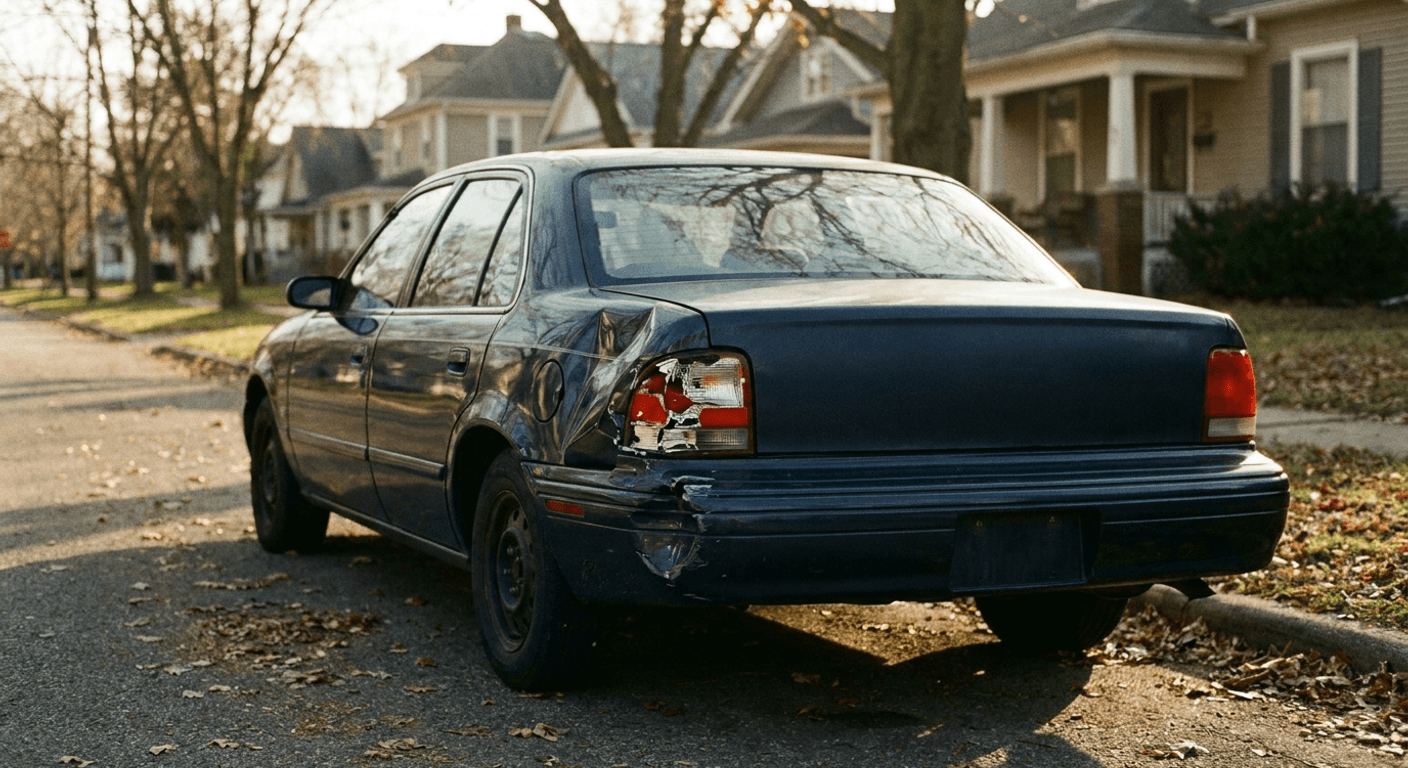
Every state requires drivers involved in a crash to stop, exchange information, and render aid to injured persons. Leaving the scene of a property-damage crash is typically a misdemeanor. Leaving after a crash that injures someone is a felony in most states, and the exposure climbs steeply when someone dies: Florida punishes a fatal hit-and-run as a first-degree felony carrying up to 30 years in prison.
Hit-and-run laws require every driver involved in a traffic crash to stop, identify themselves, and help anyone who is injured. Leaving the scene transforms what might have been a minor traffic violation or no-fault accident into a criminal offense that can carry years in prison.
Every state and the District of Columbia has hit-and-run statutes. The penalties vary widely depending on the severity of the crash, but the legal duty is universal: if you are involved in a collision, you are required to stop.
What the Law Requires
Duty to Stop
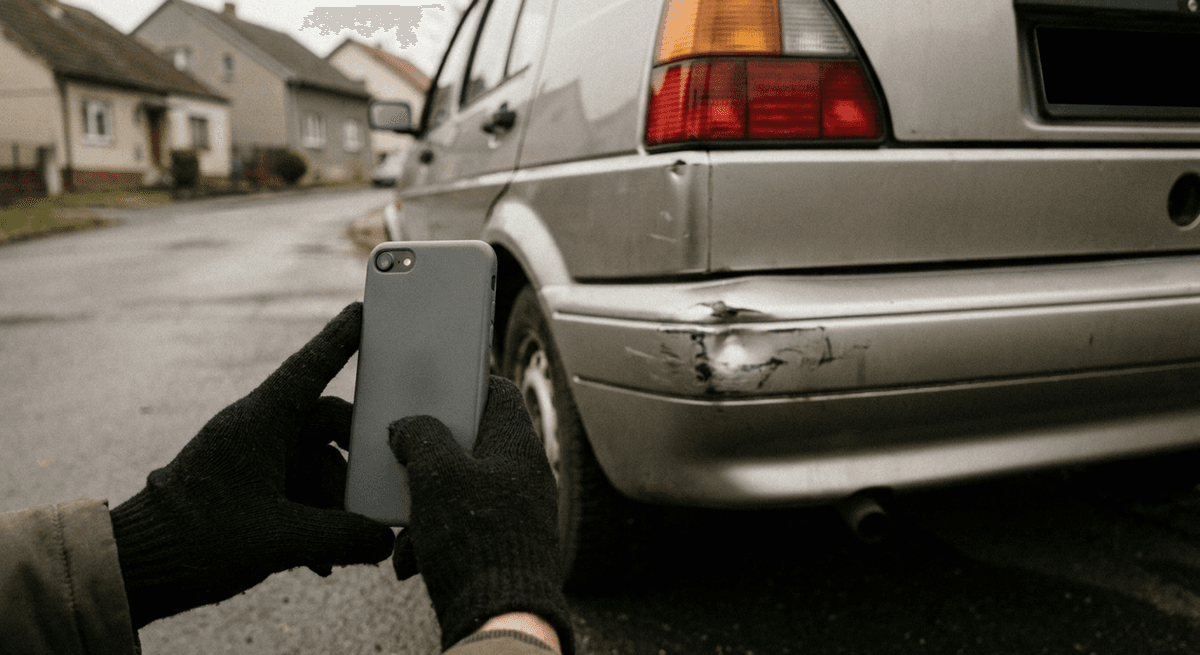
Every state requires the driver of any vehicle involved in a crash to stop immediately at the scene or as close to the scene as safely possible without obstructing traffic. This applies whether the crash involves another vehicle, a pedestrian, a cyclist, a parked car, or fixed property.
Duty to Exchange Information
After stopping, drivers must provide:
- Full name and current address
- Driver's license number
- Vehicle registration number
- Insurance carrier and policy number
If the other driver or property owner is not present, most states require the driver to leave a written note with this information in a conspicuous place on the damaged vehicle or property.
Duty to Render Aid
When a crash involves injuries, drivers must provide reasonable assistance to injured persons. This includes calling 911, administering basic first aid if trained to do so, and arranging transportation to a medical facility when necessary.
Duty to Report
Drivers must report the crash to the nearest law enforcement agency. Most states require reporting "immediately" or "as soon as reasonably possible." Failing to report a crash, even after stopping and exchanging information, can result in separate charges.
Penalty Overview by Crash Severity
Nearly every state uses a tiered penalty structure based on the severity of the crash.
| Crash Severity | Typical Classification | Typical Penalty Range |
|---|---|---|
| Property damage only | Misdemeanor | Fine plus up to 6-12 months jail |
| Minor injury | Misdemeanor or low felony | 6 months to 5 years |
| Serious bodily injury | Felony | 1 to 10 years |
| Death | Felony (often high-degree) | 2 to 30 years, some with mandatory minimums |
States with the Harshest Penalties
Florida
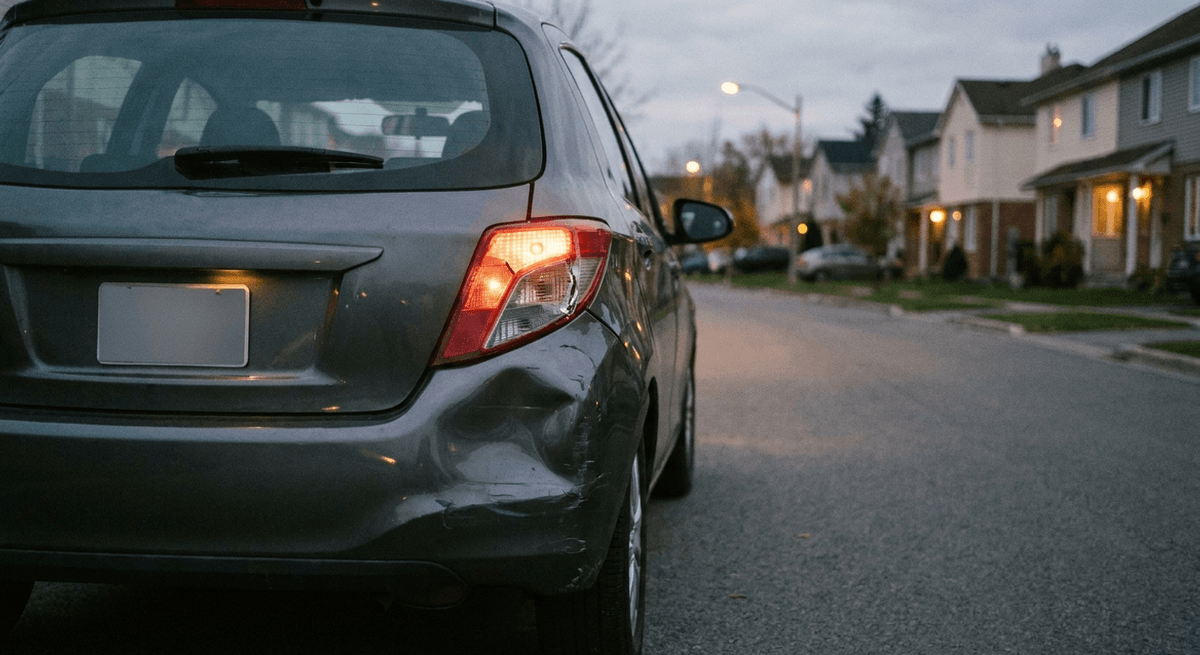
Florida imposes some of the toughest hit-and-run penalties in the country under Fla. Stat. 316.027. A fatal hit-and-run is a first-degree felony carrying a mandatory minimum of 4 years in prison. Under 316.027(2)(g), the defendant may move to depart from that minimum unless the violation was committed while driving under the influence, and the court may grant the motion only if it finds that imposing the minimum would result in an injustice and states its reasons in open court. The statute sets no ceiling of its own and instead punishes the offense "as provided in s. 775.082," and Fla. Stat. 775.082(3)(b) punishes a first-degree felony "by a term of imprisonment not exceeding 30 years." Serious bodily injury triggers second-degree felony charges, capped at 15 years. Florida also enhances sentences when victims are "vulnerable road users" such as pedestrians, cyclists, and wheelchair users.
Vermont
Vermont pairs a 15-year maximum with an unusual 1-year floor on any prison term the court imposes. Under 23 V.S.A. 1128, a driver who fails to stop and render assistance after a crash that causes death faces a fine of up to $3,000, imprisonment for not less than 1 year nor more than 15 years, or both. Because the statute allows a fine alone, the 1-year floor applies only when the court chooses a prison sentence; it is not a mandatory minimum in every case. A crash causing serious bodily injury carries up to 5 years, and even a basic hit-and-run violation carries up to 2 years.
Pennsylvania
Under 75 Pa.C.S. 3742, Pennsylvania imposes a mandatory minimum of 3 years and a mandatory $2,500 fine for fatal hit-and-run. Courts cannot impose less than these minimums.
Massachusetts
Under Mass. Gen. Laws ch. 90, 24, leaving the scene after knowingly causing injury that results in death carries 2.5 to 10 years in state prison plus a fine of $1,000 to $5,000, or 1 to 2.5 years in a jail or house of correction plus the same fine range. The statute bars any reduction below 1 year, and a person convicted under it is not eligible for probation, parole, or furlough until that year is served.
Virginia
Virginia Code 46.2-894 sets an unusually low threshold for felony charges. Property damage exceeding just $1,000 triggers a Class 5 felony, punishable under Va. Code 18.2-10(e) by 1 to 10 years in prison or, at the discretion of the court or jury, up to 12 months in jail and a fine of up to $2,500. Given current repair costs, most vehicle-involved hit-and-runs in Virginia qualify as felonies.
Michigan
Michigan splits its leaving-the-scene offenses across two sections of the Michigan Vehicle Code, and the distinction is easy to get wrong. MCL 257.617a covers a crash that injures someone short of serious impairment of a body function: a driver who violates the duty to stop is guilty of a misdemeanor punishable by imprisonment for not more than 1 year, a fine of not more than $1,000, or both. That section carries no penalty for a serious-impairment or fatal crash.
The felony tiers sit in the adjacent section. Under MCL 257.617, leaving a crash that results in serious impairment of a body function or death is a felony punishable by imprisonment for not more than 5 years, a fine of not more than $5,000, or both. Subsection (3) raises that ceiling for the driver who caused the crash: if the individual violates the duty to stop following an accident that individual caused and the accident results in the death of another individual, the offense is a felony punishable by imprisonment for not more than 15 years, a fine of not more than $10,000, or both. Our Michigan hit-and-run laws page covers the state detail.
Hit-and-Run Statistics
Hit-and-run drivers kill well over a thousand pedestrians a year in the United States, though the last two years of data show the count falling from its 2022 peak.
| Statistic | Figure | Source |
|---|---|---|
| Total hit-and-run crashes per year (est.) | 737,100 (approximately one every 43 seconds) | AAA Foundation (2015 data) |
| Pedestrian hit-and-run deaths (2024) | 1,749 | IIHS |
| Pedestrian hit-and-run deaths (2023) | 1,844 | IIHS |
| Pedestrian hit-and-run deaths (2022, peak year) | 1,939 | IIHS |
| Pedestrian hit-and-run deaths (2015) | 1,123 | IIHS |
| Share of pedestrian deaths from hit-and-runs (2024) | 25% | IIHS |
| Share of pedestrian deaths from hit-and-runs (2015) | 20% | IIHS |
| Total pedestrian deaths (2024) | 7,080 | IIHS |
| Total US traffic fatalities (2024) | 39,254 | NHTSA/FARS |
| Total US traffic fatalities (2023) | 41,025 | NHTSA/FARS |
Pedestrian hit-and-run deaths climbed from 1,123 in 2015 to a peak of 1,939 in 2022, then fell in each of the next two years, to 1,844 in 2023 and 1,749 in 2024. The share of all pedestrian deaths caused by hit-and-run drivers rose from 20% in 2015 to 26% in 2022 and has held at 25% since.
Total US traffic fatalities followed the same direction, falling from 41,025 in 2023 to 39,254 in 2024. The recent decline does not change the legal exposure of any individual driver who leaves a scene.
Hit-and-Run Laws by State
Select your state for a detailed guide to penalties, reporting requirements, and what to do after a hit-and-run.
Northeast states
The table below covers 3 states in the Northeast.
Midwest states
The table below covers 7 states in the Midwest.
| State | State |
|---|---|
| Illinois | Pennsylvania |
| Indiana | Rhode Island |
| Iowa | South Carolina |
| Kansas | South Dakota |
| Michigan | Washington |
| Minnesota | West Virginia |
| Missouri |
Southern states
The table below covers 9 states in the South.
| State | State |
|---|---|
| Alabama | Montana |
| Arkansas | New Hampshire |
| Delaware | North Carolina |
| Florida | North Dakota |
| Georgia | Ohio |
| Kentucky | Tennessee |
| Louisiana | Texas |
| Maryland | Vermont |
| Mississippi | Wisconsin |
Western states
The table below covers 6 states in the West.
| State | State |
|---|---|
| Alaska | Nebraska |
| Arizona | Nevada |
| California | New Jersey |
| Colorado | New Mexico |
| Hawaii | Oklahoma |
| Idaho | Oregon |
Canadian Provinces
| Province | Province |
|---|---|
| Alberta | Nova Scotia |
| British Columbia | Ontario |
| Manitoba | PEI |
| New Brunswick | Quebec |
| Newfoundland | Saskatchewan |
Also see: Canada Hit and Run Laws (national overview)
What to Do After a Hit-and-Run
If You Are the Driver
- Stop immediately at the scene or as close as safely possible
- Turn on hazard lights and move to the shoulder if you can do so safely
- Call 911 if anyone is injured
- Provide reasonable aid to injured persons
- Exchange your name, address, license number, registration, and insurance information with the other parties
- Wait for police to arrive when injuries are involved
- Document the scene with photos and gather witness contact information
- Report the crash to your insurance company promptly
If You Are the Victim
- Do not chase the fleeing driver
- Note whatever details you can: license plate (even partial), vehicle make, model, color, direction of travel, driver description
- Call 911 immediately
- Get medical attention even if injuries seem minor
- Take photos of all damage, injuries, and scene conditions
- Collect names and phone numbers from any witnesses
- File a police report as soon as possible
- Contact your insurance company to start a claim
- Check for surveillance cameras at nearby businesses that may have captured the incident
If You Hit an Unattended Vehicle or Property
- Stop and attempt to locate the owner
- Leave a written note in a visible location with your name, address, phone number, and a description of what happened
- Report the incident to police
- Take photos of the damage and your note
How Hit-and-Run Affects Insurance
Insurance treats hit-and-run drivers as uninsured because they cannot be identified. If you are the victim, your own insurance coverage determines your protection.
Key Coverage Types
| Coverage Type | What It Covers | Required? |
|---|---|---|
| Collision | Vehicle damage from the hit-and-run (you pay your deductible) | Optional in most states |
| Uninsured Motorist Bodily Injury (UMBI) | Medical bills, lost wages, pain and suffering | Required in about 20 states and DC; counts vary by source |
| Uninsured Motorist Property Damage (UMPD) | Vehicle repairs (some states exclude hit-and-run) | Varies by state |
| Medical Payments (MedPay) | Medical expenses regardless of fault | Optional |
| Personal Injury Protection (PIP) | Medical expenses, lost wages in no-fault states | Required in no-fault states |
About 14.0% of motorists in the United States were uninsured in 2022, roughly one in seven drivers, according to the Insurance Research Council estimate published by the Insurance Information Institute. That rate is why uninsured motorist coverage does the heavy lifting after a hit-and-run. Filing a hit-and-run claim as a victim generally does not raise your premiums because you were not at fault, though practices vary by insurer.
Coverage mandates change from state to state and from year to year, so confirm what your own policy actually includes with your insurer or your state insurance department rather than relying on a national count. If a driver who fled left you injured, ask a car accident lawyer for a free claim review of your uninsured motorist claim for medical bills and lost wages (attorney advertising).
Common Defenses
Drivers charged with hit-and-run may raise several defenses:
- Lack of knowledge: The driver did not know a collision occurred. This is the most commonly raised defense, particularly for large vehicles where minor impacts may go unnoticed.
- Safety concerns: The driver left because remaining at the scene posed a genuine safety threat. Most statutes permit reporting later if staying is dangerous.
- Incapacitation: The driver's own injuries prevented compliance with stop-and-report duties.
- Mistaken identity: The defendant was not the driver involved in the crash.
Voluntarily returning to the scene or self-reporting to police may serve as a mitigating factor at sentencing, but it does not negate the underlying charge.
Estimate a car accident settlement
If you were hurt in a crash, our free car accident settlement calculator gives a rough payout range based on your medical bills, lost wages, your state fault rules, and insurance limits. It is an estimate only, not a prediction.
Frequently Asked Questions
Is a hit-and-run a felony or misdemeanor?
It depends on the severity and the state. Property-damage-only hit-and-runs are typically misdemeanors. Hit-and-runs involving injury or death are felonies in most states, though Michigan grades a failure to stop after a crash causing injury short of serious impairment as a 1-year misdemeanor under MCL 257.617a. Michigan handles the serious cases separately under MCL 257.617, where a crash causing serious impairment or death is a felony carrying up to 5 years, rising to 15 years when the fleeing driver caused a fatal crash. Virginia classifies even property damage over $1,000 as a felony.
What is the penalty for a hit-and-run involving death?
Penalties for fatal hit-and-run generally range from about 2 years at the low end to 30 years in Florida, where leaving a fatal crash is a first-degree felony punishable under Fla. Stat. 775.082(3)(b). Florida also imposes a mandatory minimum of 4 years, which a court may depart from on an injustice finding unless the driver was under the influence, and Pennsylvania a mandatory minimum of 3 years. Massachusetts sets 2.5 to 10 years in state prison with at least 1 year that cannot be suspended. Vermont allows up to 15 years, and any prison term it imposes must be at least 1 year, though the statute also permits a fine alone. Michigan allows up to 15 years when the fleeing driver caused the fatal crash.
What should I do if someone hits my parked car and leaves?
Document the damage with photos, check for witnesses and nearby surveillance cameras, file a police report, and contact your insurance company. Your collision coverage will cover repairs minus your deductible. If the driver is later identified, your insurer can pursue them for reimbursement.
Will my insurance go up after a hit-and-run claim?
Generally no. Since you were the victim and not at fault, most insurers will not raise your premiums. However, practices vary by company and state. Filing under your own collision coverage requires paying your deductible.
How long do police investigate a hit-and-run?
Investigation timelines vary based on severity and available evidence. Fatal and serious injury cases receive priority and may remain open for years. Minor property damage cases with no leads may receive limited investigation. Providing a license plate number, witness information, or camera footage significantly increases the chances of identifying the driver.
Can I be charged with hit-and-run if I did not know I hit something?
Lack of knowledge is a valid defense in most states. The prosecution generally must prove you knew or should have known a collision occurred. However, courts evaluate this based on the circumstances, including the severity of the impact and damage.
Are hit-and-run deaths still rising?
Not in the most recent data. IIHS figures show pedestrian hit-and-run deaths peaked at 1,939 in 2022, then fell to 1,844 in 2023 and 1,749 in 2024. Hit-and-run drivers still account for about 25% of all pedestrian deaths, up from 20% in 2015.
Updates
Clarified that Vermont's 1-year minimum applies only when a prison term is imposed (a fine alone is allowed) and noted that Florida courts may depart from the 4-year minimum for a fatal hit-and-run in limited non-DUI cases.
Governing law re-checked for recent changes
Corrected the maximum-penalty figure for fatal hit-and-run. The page previously topped out at 15 years; a fatal hit-and-run in Florida is a first-degree felony punishable by up to 30 years under Fla. Stat. 775.082(3)(b), and that ceiling now appears in the lede, the key takeaways, the penalty table and the FAQ. Corrected the Michigan penalty citation, which pointed at MCL 257.617a (a section covering injury crashes only) rather than MCL 257.617, which carries the serious-impairment and fatal-crash felonies, and restated both Michigan tiers with figures. Clarified that a Virginia Class 5 felony may be punished either as a felony or, at the court's or jury's discretion, as a misdemeanor. Refreshed the crash statistics through 2024, which show pedestrian hit-and-run deaths falling from their 2022 peak, corrected the national uninsured-driver rate to 14.0%, and cleaned up the source list.
Independently fact-checked against the cited primary sources
State-by-state comparison
Each state guide below is paired with the governing statute our editors adjudicated for it, held in our own legal record and verified against the official source.
Each statute shown is the same adjudicated anchor its state guide renders, independently verified against primary sources. A dash means not yet adjudicated in our record — never that no law exists.
The Law Behind This Article
This article rests on the statutory provisions below, held in our own legal record and retrieved from the official source. Tap a section to read the operative text.
Florida Statutes
§ 316.027Crash involving death or personal injuries.In forcecited in 4 of our articles
(1) As used in this section, the term:(a) “Serious bodily injury” means an injury to a person, including the driver, which consists of a physical condition that creates a substantial risk of death, serious personal disfigurement, or protracted loss or impairment of the function of a bodily member or organ. (b) “Vulnerable road user” means:1. A pedestrian, including a person actually engaged in work upon a highway, or in work upon utility facilities along a highway, or engaged in the provision of emergency services within the right-of-way; 2. A person operating a bicycle, an electric bicycle, a motorcycle, a scooter, or a moped lawfully on the roadway; 3. A person riding an animal; or 4. A person lawfully operating on a public right-of-way, crosswalk, or shoulder of the roadway:a. A farm tractor or similar vehicle designed primarily for farm use; b. A skateboard, roller skates, or in-line skates; c. A horse-drawn carriage; d. An electric personal assistive mobility device; or e. A wheelchair.
Official text (excerpt) · last checked 2026-09-23 · Read the full text in our law library · Verify at leg.state.fl.us
Cited in 42 court opinions in our collectionLatest citing opinion in our collection: 2026
Opinions citing this section in our collection:
- Stanfill v. State (Supreme Court of Florida 1980, 384 So. 2d 141)“…State, 360 So.2d 128 (Fla. 1st DCA 1978), holding that section 316.027, Florida Statutes (1975), creates but a single crime, tha…”
- Jacob Thomas Gaulden v. State of Florida (Supreme Court of Florida 2016, 41 Fla. L. Weekly Supp. 327)“…ase “involved in a crash” in Florida’s hit-and-run statute, section 316.027, Florida Statutes (2010), Having concluded that a driver’…”
- Dorsett v. State (District Court of Appeal of Florida 2013, 147 So. 3d 532)“…reat public importance: In a prosecution for violation of section 316.027, Florida Statutes (2006), should the standard jury instru…”
Identified automatically from the court opinions citing this section — not a ranking of which case controls.
Also relied on in: Florida's New Hit-and-Run Law Lets Courts Order Restitution for Property Damage, Florida Hit and Run Laws: Penalties and What to Do, Florida Car Accident Laws: No-Fault, PIP, and Your Claim
§ 775.082Penalties; applicability of sentencing structures; mandatory minimum sentences for certain reoffenders previously released from prison.In forcecited in 18 of our articles
(1)(a) Except as provided in paragraph (b), a person who has been convicted of a capital felony shall be punished by death if the proceeding held to determine sentence according to the procedure set forth in s. 921.141 results in a determination that such person shall be punished by death, otherwise such person shall be punished by life imprisonment and shall be ineligible for parole. (b)1. A person who actually killed, intended to kill, or attempted to kill the victim and who is convicted under s. 782.04 of a capital felony, or an offense that was reclassified as a capital felony, which was committed before the person attained 18 years of age shall be punished by a term of imprisonment for life if, after a sentencing hearing conducted by the court in accordance with s. 921.1401, the court finds that life imprisonment is an appropriate sentence. If the court finds that life imprisonment is not an appropriate sentence, such person shall be punished by a term of imprisonment of at least 40 years. A person sentenced pursuant to this subparagraph is entitled to a review of his or her sentence in accordance with s. 921.1402(2)(a). 2.
Official text (excerpt) · last checked 2026-09-23 · Read the full text in our law library · Verify at leg.state.fl.us
Cited in 291 court opinions in our collectionLatest citing opinion in our collection: 2026
In the courts (editorial summary, independently checked):State v. Dixon (1973) held Section 775.082, with sections 782.04 and 921.141, constitutional under the test of Furman v. Georgia. Kenneth R. Jackson v. State of Florida (2017) held that Section 775.082(2)'s automatic life-sentence remedy did not apply after Hurst v. Florida, which invalidated only certain sentencing procedures.
Opinions citing this section in our collection:
- State v. Dixon (Supreme Court of Florida 1973, 283 So. 2d 1)✓Four consolidated murder cases challenged Florida's post-Furman capital scheme; the Florida Supreme Court held sections 775.082, 782.04 and 921.141 constitutional, reading the listed aggravating and mitigating circumstances as definite enough to channel sentencing discretion.
- Woods v. State (District Court of Appeal of Florida 1999, 740 So. 2d 20)✓Woods committed an unarmed robbery about a month after release from prison and was sentenced to 15 years as a prison releasee reoffender under section 775.082(8); the court affirmed, rejecting separation of powers, vagueness and equal protection challenges.
- Kenneth R. Jackson v. State of Florida (Supreme Court of Florida 2017, 42 Fla. L. Weekly Supp. 361)✓Jackson was sentenced to death for a murder during a sexual battery on an 11-1 jury recommendation; the court found Hurst error but held section 775.082(2)'s life-sentence remedy inapplicable, since Hurst voided only part of section 921.141, and ordered a new penalty phase.
Identified automatically from the court opinions citing this section — not a ranking of which case controls.
Also relied on in: How Long Is a Life Sentence in Florida? (2026 Guide), Florida's 'Isaiah's Law' Adds Unlicensed Driving to Habitual Traffic Offender Rules, Florida Makes Using a GPS Tracker or AirTag to Aid a Violent Crime a Second-Degree Felony
Vermont Statutes Annotated, Title 23: Motor Vehicles, Chapter 13: Operation of Vehicles, Subchapter: MISCELLANEOUS RULES
§ 1128Crashes; duty to stopIn forcecited in 3 of our articles
(a) The operator of a motor vehicle who has caused or is involved in a crash resulting in injury to any person other than the operator, or in damage to any property other than the vehicle then under his or her control, shall immediately stop and render any assistance reasonably necessary. Subsection 1102(g) of this title (stopping not to impede traffic or jeopardize safety; exceptions) governs the location where a person shall stop. The operator shall give his or her name, residence, license number, and the name of the owner of the motor vehicle to any person who is injured or whose property is damaged and to any enforcement officer. A person who violates this section shall be fined not more than $2,000.00 or imprisoned for not more than two years, or both. (b) If serious bodily injury results from the crash, a person violating subsection (a) of this section shall be fined not more than $3,000.00 or imprisoned for not more than five years, or both. (c) If death results from the crash, a person violating subsection (a) of this section shall be fined not more than $3,000.00 or imprisoned for not less than one year nor more than 15 years, or both.
Official text (excerpt) · last checked 2026-09-24 · Read the full text in our law library · Verify at legislature.vermont.gov
Cited in 24 court opinions in our collectionLatest citing opinion in our collection: 2025
Opinions citing this section in our collection:
- State v. Neisner (Supreme Court of Vermont 2010, 189 Vt. 160)“…or imprisoned for not more than two years, or both. 23 V.S.A. § 1128(a). As issued, the information charged…”
- State v. Keiser (Supreme Court of Vermont 2002, 174 Vt. 87)“…e scene of an accident, fatality resulting, in violation of 23 V.S.A. § 1128(c). On appeal, defendant contends: (1)…”
- State v. Myers (Supreme Court of Vermont 2011, 190 Vt. 29)“…ng the scene of an accident with property damage resulting, 23 V.S.A. § 1128(a); driving under the influence (DUI),…”
Identified automatically from the court opinions citing this section — not a ranking of which case controls.
Also relied on in: Vermont Hit and Run Laws: Penalties and What to Do, Vermont Car Accident Laws: Fault, Insurance, and Your Claim
Pennsylvania Consolidated Statutes Title 75 (Vehicles)
§ 3742Accidents involving death or personal injuryIn forcecited in 5 of our articles
(a) General rule.--The driver of any vehicle involved in an accident resulting in injury or death of any person shall immediately stop the vehicle at the scene of the accident or as close thereto as possible but shall then forthwith return to and in every event shall remain at the scene of the accident until he has fulfilled the requirements of section 3744 (relating to duty to give information and render aid). Every stop shall be made without obstructing traffic more than is necessary. (a.1) Highly automated vehicles.--If a vehicle under subsection (a) is a highly automated vehicle operating with an ADS engaged or without a highly automated vehicle driver on board, the requirements of this section are satisfied if the highly automated vehicle stops at the scene of an accident or as close thereto as is safely possible and remains at the scene until the requirements of section 3744 have been fulfilled. (b) Penalties.-- (1) Except as otherwise provided in this section, any person violating this section commits a misdemeanor of the first degree.
Official text (excerpt) · last checked 2026-09-24 · Read the full text in our law library · Verify at palegis.us
Cited in 87 court opinions in our collectionLatest citing opinion in our collection: 2026
Opinions citing this section in our collection:
- Commonwealth v. Druce (Supreme Court of Pennsylvania 2004, 577 Pa. 581)“…hought he hit a sign and contested the constitutionality of 75 Pa. C.S. 3742(a). Judge Kleinfelter merely commented…”
- Commonwealth v. Woosnam (Superior Court of Pennsylvania 2003, 2003 Pa. Super. 99)“…an accident involving death or personal injury of a person, 75 Pa.C.S. § 3742, if she knew or should have known that…”
- Com. v. Warunek, J. (Superior Court of Pennsylvania 2022, 279 A.3d 52)“…pen plea to one count of leaving the scene of an accident (75 Pa.C.S. § 3742(a)). During the plea colloquy, War…”
Identified automatically from the court opinions citing this section — not a ranking of which case controls.
Also relied on in: Pennsylvania Statute of Limitations: Filing Deadlines by Case Type, Pennsylvania Hit and Run Laws: Statutes, Penalties, and Defenses
Massachusetts General Laws, Chapter 90
§ 24Driving while under influence of intoxicating liquor, etc.; second and subsequent offenses; punishment; treatment programs; reckless and unauthorized driving; failure to stop after collisionIn forcecited in 3 of our articles
Section 24. (1) (a) (1) Whoever, upon any way or in any place to which the public has a right of access, or upon any way or in any place to which members of the public have access as invitees or licensees, operates a motor vehicle with a percentage, by weight, of alcohol in their blood of eight one-hundredths or greater, or while under the influence of intoxicating liquor, or of marijuana, narcotic drugs, depressants or stimulant substances, all as defined in section one of chapter ninety-four C, or while under the influence from smelling or inhaling the fumes of any substance having the property of releasing toxic vapors as defined in section 18 of chapter 270 shall be punished by a fine of not less than five hundred nor more than five thousand dollars or by imprisonment for not more than two and one-half years, or both such fine and imprisonment.
Official text (excerpt) · last checked 2026-09-24 · Read the full text in our law library · Verify at malegislature.gov
Cited in 873 court opinions in our collectionLatest citing opinion in our collection: 2026
In the courts (editorial summary, independently checked):Commonwealth v. Connolly (1985) held under G. L. c. 90, section 24, the Commonwealth must prove alcohol diminished the driver's capacity to drive safely, not just a perceptible effect, and need not prove unsafe driving. Irwin v. Town of Ware (1984), a suit against a town, cited the section as legislative policy to remove drunk drivers.
Opinions citing this section in our collection:
- Irwin v. Town of Ware (Massachusetts Supreme Judicial Court 1984, 392 Mass. 745)✓Ware police detained an allegedly drunk driver and released him; he then caused a crash injuring the plaintiffs. The SJC read chapter 90 section 24 as part of a scheme making removal of such drivers a nondiscretionary duty, so the town was not immune, but ordered a new trial.
- Commonwealth v. Jones (Massachusetts Supreme Judicial Court 1981, 382 Mass. 387)✓Jones drove the wrong way on a highway and killed three people; the SJC held the vehicular homicide statute did not impliedly repeal common law manslaughter, but vacated his chapter 90 section 24(2)(a) operating to endanger conviction as duplicative.
- Commonwealth v. Cruz (Massachusetts Supreme Judicial Court 2011, 459 Mass. 459)✓Officers smelled burnt marijuana in a parked car and ordered the passenger out; the SJC affirmed suppression, noting the record left open whether the driver was operating under chapter 90 section 24 and that suspicion of the driver would not justify ordering the passenger out.
Identified automatically from the court opinions citing this section — not a ranking of which case controls.
Also relied on in: Massachusetts OUI Laws: Penalties, BAC & License (2026), Massachusetts Hit and Run Laws: Penalties and What to Do
Code of Virginia, Title 46.2: Motor Vehicles
§ 46.2-894Duty of driver to stop, etc., in event of accident involving injury or death or damage to attended property; penaltyIn forcecited in 5 of our articles
The driver of any vehicle involved in an accident in which a person is killed or injured or in which an attended vehicle or other attended property is damaged shall immediately stop as close to the scene of the accident as possible without obstructing traffic, as provided in § 46.2-888, and report his name, address, driver's license number, and vehicle registration number forthwith to the State Police or local law-enforcement agency, to the person struck and injured if such person appears to be capable of understanding and retaining the information, or to the driver or some other occupant of the vehicle collided with or to the custodian of other damaged property. The driver shall also render reasonable assistance to any person injured in such accident, including taking such injured person to a physician, surgeon, or hospital if it is apparent that medical treatment is necessary or is requested by the injured person.
Official text (excerpt) · last checked 2026-09-24 · Read the full text in our law library · Verify at law.lis.virginia.gov
Cited in 8 court opinions in our collectionLatest citing opinion in our collection: 2025
Opinions citing this section in our collection:
- Katz v. Waterman (Virginia Circuit Court 2002, 59 Va. Cir. 182)“…er County for, among other things, felony hit and run under Va. Code § 46.2-894. It was alleged that Waterman fled the…”
- Jerome Arthur Godwin v. Commonwealth of Virginia (Court of Appeals of Virginia 2024)“…s motion to strike the charge of felony hit and run under Va. Code § 46.2-894.” He argues that “the Commonwealth’s e…”
- United States v. Carter (District Court, E.D. Virginia 2004, 349 F. Supp. 2d 982)“…nviction for “hit and run” in the Commonwealth of Virginia, Va.Code § 46.2-894, constitutes a crime of violence for pu…”
Identified automatically from the court opinions citing this section — not a ranking of which case controls.
Also relied on in: Virginia Dashcam Laws: Installation, Audio, and Evidence Rules, Virginia Hit and Run Laws: Penalties and What to Do, Virginia Hit-and-Run Victims Can Now Seek Punitive Damages Even If the Driver Is Never Found
Code of Virginia, Title 18.2: Crimes and Offenses Generally
§ 18.2-10Punishment for conviction of felony; penaltyIn forcecited in 15 of our articles
The authorized punishments for conviction of a felony are: (a) For Class 1 felonies, imprisonment for life and, subject to subdivision (g), a fine of not more than $100,000. Any person who was 18 years of age or older at the time of the offense and who is sentenced to imprisonment for life upon conviction of a Class 1 felony shall not be eligible for (i) parole, (ii) any good conduct allowance or any earned sentence credits under Chapter 6 (§ 53.1-186 et seq.) of Title 53.1, or (iii) conditional release pursuant to § 53.1-40.01 or 53.1-40.02. (b) For Class 2 felonies, imprisonment for life or for any term not less than 20 years and, subject to subdivision (g), a fine of not more than $100,000. (c) For Class 3 felonies, a term of imprisonment of not less than five years nor more than 20 years and, subject to subdivision (g), a fine of not more than $100,000. (d) For Class 4 felonies, a term of imprisonment of not less than two years nor more than 10 years and, subject to subdivision (g), a fine of not more than $100,000.
Official text (excerpt) · last checked 2026-07-29 · Read the full text in our law library · Verify at law.lis.virginia.gov
Cited in 46 court opinions in our collectionLatest citing opinion in our collection: 2025
Opinions citing this section in our collection:
- Roper v. Simmons (Supreme Court of the United States 2005, 543 U.S. 551)“…minimum age) *580 Virginia Va. Code Ann. § 18.2-10 (a) (Lexis 2004) (minimum age…”
- Coker v. Georgia (Supreme Court of the United States 1977, 433 U.S. 584)“…5); Tenn. Code Ann. §§ 39-2402 , 39-2406, 39-3702 (1975); Va. Code Ann. §§ 18.2-10 , 18.2-31 (1975). Brief for Respondent…”
- Sumner v. Shuman (Supreme Court of the United States 1987, 483 U.S. 66)“…Tit. 21, §§ 701.7, 701.9 to 701.15 (1981 and Supp. 1986); Va. Code §§ 18.2-10(a) and 18.2-31(c) (1975), amended and c…”
Identified automatically from the court opinions citing this section — not a ranking of which case controls.
Also relied on in: Virginia Audio Recording Laws: One-Party Consent Rules and Penalties, Virginia Smart Glasses Recording Laws, Virginia Surveillance Camera Laws (2026 Guide)
Michigan Compiled Laws
§ 257.617Accident resulting in serious impairment of body function or death; stopping required; reporting to police agency or officer; violation as felony; penaltyIn forcecited in 3 of our articles
(1) The driver of a vehicle who knows or who has reason to believe that he or she has been involved in an accident upon public or private property that is open to travel by the public shall immediately stop his or her vehicle at the scene of the accident and shall remain there until the requirements of section 619 are fulfilled or immediately report the accident to the nearest or most convenient police agency or officer to fulfill the requirements of section 619(a) and (b) if there is a reasonable and honest belief that remaining at the scene will result in further harm. The stop shall be made without obstructing traffic more than is necessary. (2) Except as provided in subsection (3), if the individual violates subsection (1) and the accident results in serious impairment of a body function or death, the individual is guilty of a felony punishable by imprisonment for not more than 5 years or by a fine of not more than $5,000.00, or both.
Official text (excerpt) · last checked 2026-09-24 · Read the full text in our law library · Verify at legislature.mi.gov
Cited in 70 court opinions in our collectionLatest citing opinion in our collection: 2026
Opinions citing this section in our collection:
- People v. Aldrich (Michigan Court of Appeals 2001, 246 Mich. App. 101)“…th failure to stop at an accident involving serious injury, MCL 257.617. On appeal, the defendant argued that…”
- People v. Feezel (Michigan Supreme Court 2010, 486 Mich. 184)“…p at *188 the scene of an accident that resulted in death, MCL 257.617(3), operating while intoxicated (OWI),…”
- People v. Noble (Michigan Court of Appeals 2000, 238 Mich. App. 647)“…to stop at the scene of a serious personal injury accident, MCL 257.617; MSA 9.2317, and operating a motor vehi…”
Identified automatically from the court opinions citing this section — not a ranking of which case controls.
Also relied on in: Michigan Hit and Run Laws: Penalties and What to Do
§ 257.617aAccident; personal injury; reporting to police agency or officer; stopping required; penalty; suspension of licenseIn forcecited in 3 of our articles
(1) The driver of a vehicle who knows or who has reason to believe that he has been involved in an accident upon public or private property that is open to travel by the public shall immediately stop his or her vehicle at the scene of the accident and shall remain there until the requirements of section 619 are fulfilled or immediately report the accident to the nearest or most convenient police agency or officer to fulfill the requirements of section 619(a) and (b) if there is a reasonable and honest belief that remaining at the scene will result in further harm. The stop shall be made without obstructing traffic more than is necessary. (2) If an individual violates subsection (1) and the accident results in injury to any individual, the individual is guilty of a misdemeanor punishable by imprisonment for not more than 1 year or a fine of not more than $1,000.00, or both. (3) The secretary of state shall suspend the operator's or chauffeur's license of an individual convicted of violating this section as provided in section 319.
Official text (excerpt) · last checked 2026-07-30 · Read the full text in our law library · Verify at legislature.mi.gov
Cited in 11 court opinions in our collectionLatest citing opinion in our collection: 2026
Opinions citing this section in our collection:
- People v. Martinson (Michigan Court of Appeals 1987, 161 Mich. App. 55)“…failure to stop at the scene of a personal injury accident, MCL 257.617a; MSA 9.2317(1), and was sentenced to on…”
- Griffin Wasik v. Auto Club Insurance Association (Michigan Court of Appeals 2022)“…run vehicle” because it was already defined by MCL 257.617, MCL 257.617a, and MCL 257.619. As noted, the trial c…”
- People v. Jones (Michigan Court of Appeals 2012, 297 Mich. App. 80)“…failure to stop at the scene of a personal injury accident, MCL 257.617a, operating a motor vehicle with a suspe…”
Identified automatically from the court opinions citing this section — not a ranking of which case controls.
Search our full record of US law — 2.1 million sections, every state + federal →
Sources and References
- NHTSA Fatality Analysis Reporting System (FARS) - National Traffic Fatality Totals(www-fars.nhtsa.dot.gov).gov
- IIHS - Pedestrian Fatality Facts (hit-and-run pedestrian deaths, 2015-2024)(iihs.org)
- AAA Foundation - Hit-and-Run Crashes Study(aaafoundation.org)
- Florida Statutes 316.027 - Crash Involving Death or Personal Injuries(flsenate.gov).gov
- Florida Statutes 775.082(3)(b) - First-Degree Felony Punishable by Up to 30 Years(flsenate.gov).gov
- 23 V.S.A. 1128 - Vermont: Duty to Stop and Render Assistance; Penalties(legislature.vermont.gov).gov
- Pennsylvania 75 Pa.C.S. 3742 - Accidents Involving Death or Personal Injury(palegis.us).gov
- Mass. Gen. Laws ch. 90, s. 24 - Leaving the Scene After Causing Injury or Death(malegislature.gov).gov
- Virginia Code 46.2-894 - Duty to Stop at Scene(law.lis.virginia.gov).gov
- Virginia Code 18.2-10(e) - Punishment for Class 5 Felonies(law.lis.virginia.gov).gov
- MCL 257.617 - Michigan: Failure to Stop After Accident Causing Serious Impairment or Death(legislature.mi.gov).gov
- MCL 257.617a - Michigan: Duty to Stop After Accident Resulting in Injury(legislature.mi.gov).gov
- Insurance Information Institute - Uninsured Motorists (Insurance Research Council estimate)(iii.org)
- USAGov - National Highway Traffic Safety Administration(usa.gov).gov
Paid attorney referral. RecordingLaw may receive compensation when you use an attorney-help link. RecordingLaw is not a law firm. Submitting a request does not guarantee that an attorney will accept your case and does not create an attorney-client relationship.