Canadian Laws
Canadian law differs from US law in important ways: recording consent, hit and run penalties, child support, and civil liability are governed by the federal Criminal Code plus separate provincial and territorial statutes. This hub links our citation-backed guides to Canadian law across every province and territory we cover.
This guide covers 52 provincial and territorial pages across our Canadian clusters. For US law, see our US recording laws and US legal topics hubs.
Recording Laws in Canada
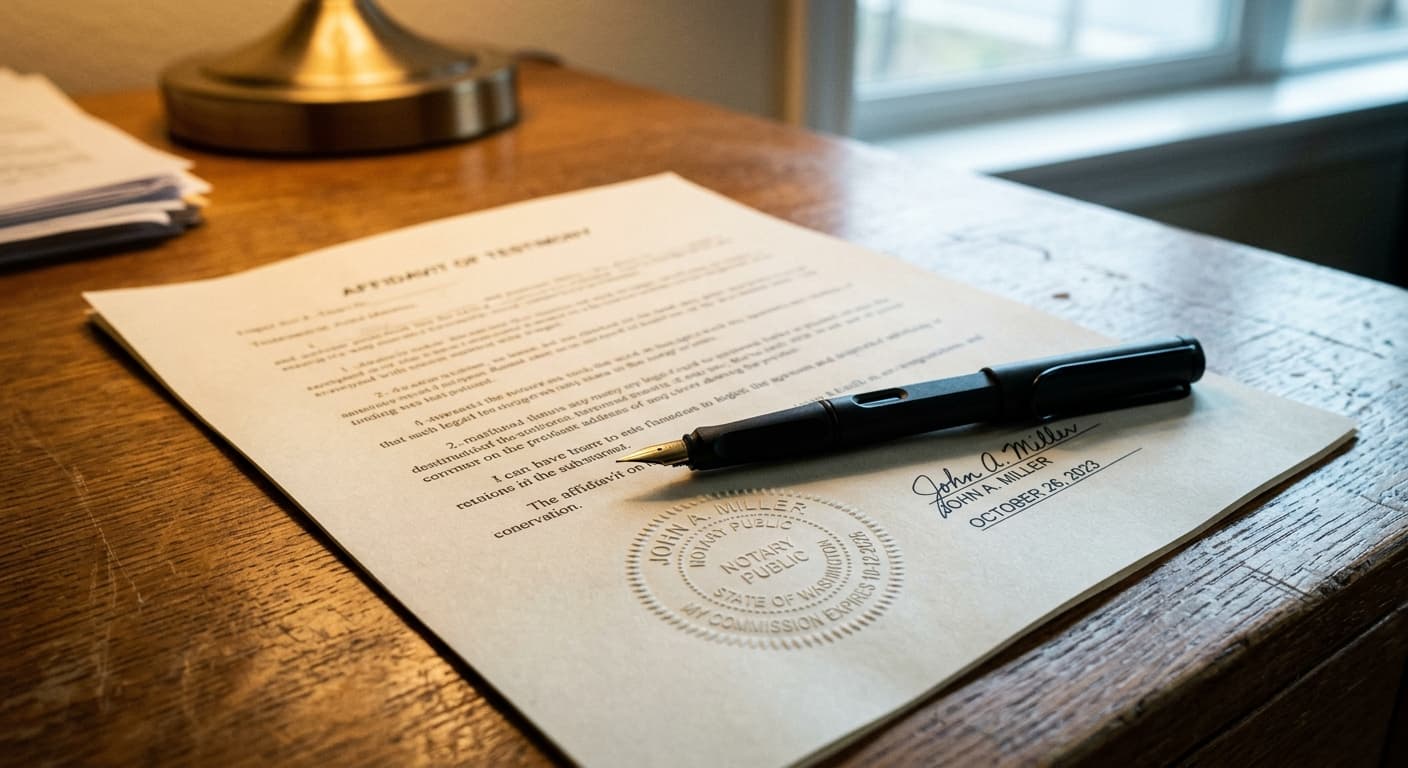
Canada follows one-party consent for recording private conversations under section 184 of the Criminal Code, a single federal rule rather than the state-by-state patchwork in the United States. Our Canada recording laws guide explains the federal rule and how each province and territory applies it.
- Alberta
- British Columbia
- Manitoba
- New Brunswick
- Newfoundland and Labrador
- Northwest Territories
- Nova Scotia
- Nunavut
- Ontario
- Prince Edward Island
- Quebec
- Saskatchewan
- Yukon
Data Privacy Laws in Canada
How PIPEDA and provincial privacy statutes protect personal information, and what rights individuals have. See Canada data privacy laws.
Hit and Run Laws in Canada
Failing to stop at the scene of a collision is an offence under the Criminal Code and provincial traffic legislation. Start with the Canada hit and run laws overview, then read the rules for your province.
- Alberta
- British Columbia
- Manitoba
- New Brunswick
- Newfoundland and Labrador
- Northwest Territories
- Nova Scotia
- Nunavut
- Ontario
- Prince Edward Island
- Quebec
- Saskatchewan
- Yukon
Child Support Laws in Canada
How the Federal Child Support Guidelines and provincial tables set support amounts, and how enforcement works. Start with the Canada child support laws overview, then your province.
- Alberta
- British Columbia
- Manitoba
- New Brunswick
- Newfoundland and Labrador
- Northwest Territories
- Nova Scotia
- Nunavut
- Ontario
- Prince Edward Island
- Quebec
- Saskatchewan
- Yukon
Slip and Fall Laws in Canada
Occupiers' liability, limitation periods, and how to bring a claim after a fall. Start with the Canada slip and fall laws overview, then your province.
- Alberta
- British Columbia
- Manitoba
- New Brunswick
- Newfoundland and Labrador
- Northwest Territories
- Nova Scotia
- Nunavut
- Ontario
- Prince Edward Island
- Quebec
- Saskatchewan
- Yukon
Family and Domestic Law
- Right of First Refusal in Alberta
- Right of First Refusal in British Columbia
- Right of First Refusal in Manitoba
- Are Divorce Records Public in Alberta?
- Domestic Violence Laws in Canada
- Domestic Violence Laws in Alberta
Civil Procedure and Criminal Records
Frequently Asked Questions
What areas of Canadian law does RecordingLaw.com cover?
We cover Canadian recording consent law, data privacy, hit and run, child support, slip and fall, and selected family and civil law topics, with separate guides for each province and territory.
Is recording a conversation legal in Canada?
Canada follows one-party consent under section 184 of the Criminal Code, so a participant in a private conversation can generally record it. Recording a conversation you are not part of can be a criminal offence.
Are Canadian laws the same in every province?
No. Criminal law is federal and applies nationwide, but areas like child support tables, occupiers' liability, and traffic penalties are set province by province, which is why we publish a separate guide for each.