
Latest
Geofence Warrants at the Supreme Court: Chatrie Explained
Chatrie v. United States (No. 25-112) is pending before the Supreme Court. Argued April 27, 2026 on whether geofence warrants are constitutional. Pending.
7 min read
Loading...
Breaking developments in recording laws, privacy legislation, digital rights, and legal technology.
37 articles
Chatrie v. United States (No. 25-112) is pending before the Supreme Court. Argued April 27, 2026 on whether geofence warrants are constitutional. Pending.
Vermont signed H.816 on June 17, 2026, barring AI-delivered mental health therapy. Diagnosis and treatment are reserved for qualified professionals.
Florida AG James Uthmeier sued TikTok on June 15, 2026 under HB3, Florida's social media minors law, seeking a public-nuisance ruling and per-violation penalties.

FISA Section 702 lapsed June 12, 2026 after the House rejected an extension 198 to 218. Why warrantless surveillance continues anyway, and what 50 U.S.C. 1881a does.
The Connecticut Supreme Court, in TOV Realty v. Suarez (June 2026), affirmed that a court may stay an eviction while a tenant's Fair Rent Commission complaint is pending. What the ruling means.
Vermont H.211 passed the legislature May 29, 2026 and awaits Gov. Phil Scott. What the data broker overhaul would do, and what it would not, if signed.
A Westchester County ALPR class action filed June 9, 2026 alleges 575 cameras amassed 1.6 billion plate scans shared with ICE, FBI, and DEA without authorization.
A bankruptcy plan administrator recommended a $46.75 million distribution to about 7 million 23andMe data-breach victims on June 11, 2026, in Case No. 25-40976.
The ACLU alleges Florida police wrongly arrested Robert Dillon on a 93% facial recognition match. What the June 2026 lawsuit claims and what the law requires.

New York's synthetic performer law took effect June 9, 2026: advertisers must disclose AI-generated humans in ads. What it requires, penalties, exemptions.
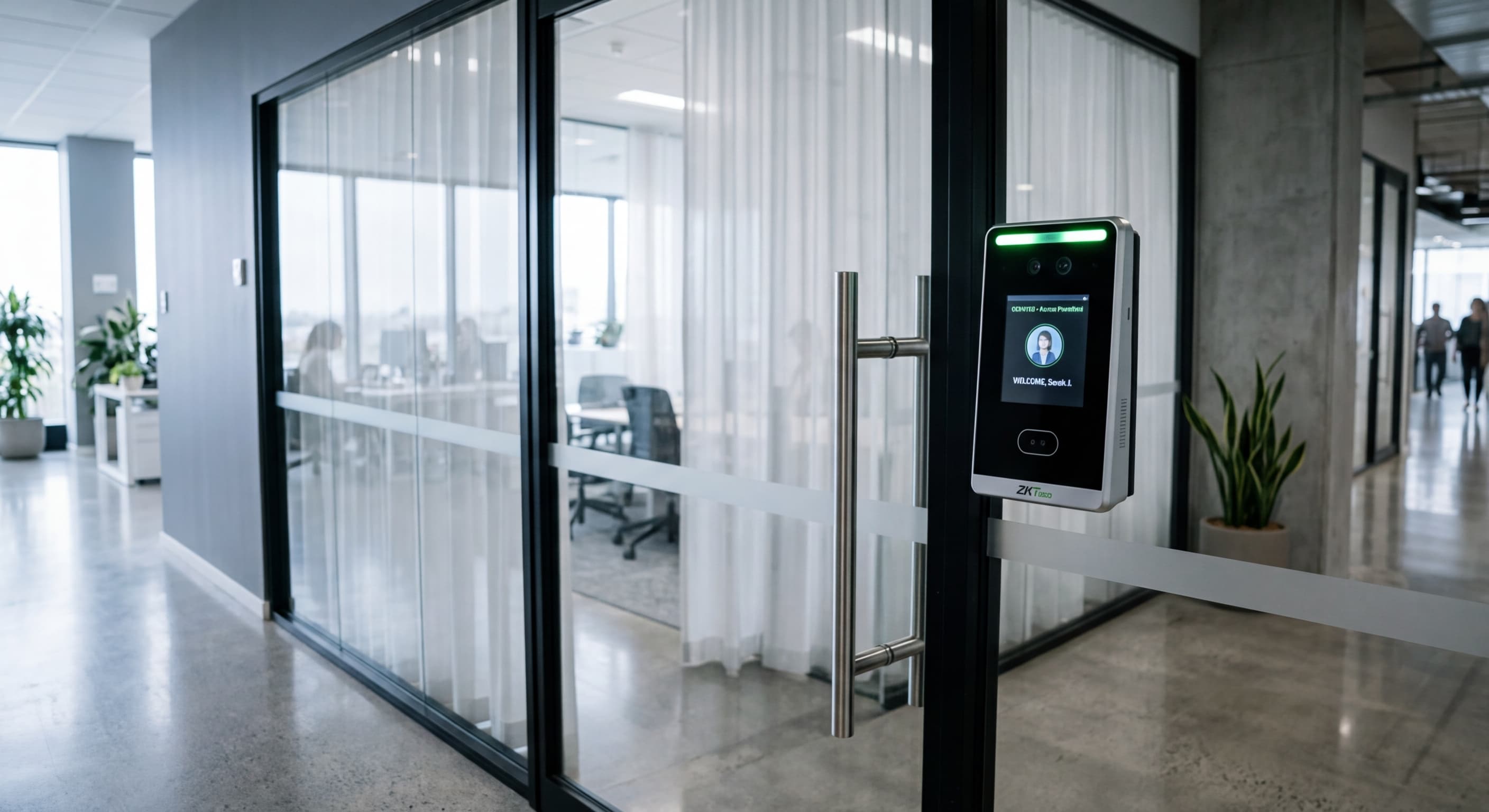
Connecticut's Public Act 26-64, signed May 27, 2026, requires facial-recognition entrance signs and limits license-plate-reader data. Here is what it does.
Colorado Gov. Polis signed SB26-051 on June 3, 2026, moving online age checks to the device operating system. It takes effect January 1, 2028.
Vermont Governor Phil Scott signed S.71, the Data Privacy and Online Surveillance Act, into law on June 16, 2026, eight days after vetoing it. The Act adds consumer data rights, a data-minimization duty, and a clinic-geofencing ban, effective January 1, 2028.
Illinois lawmakers passed HB 5511, the Children's Online Social Media Safety Act, on June 1, 2026, using device-level age checks for minors. It awaits Gov. Pritzker.
Washington SSB 5886 takes effect June 11, 2026, adding a forged digital likeness to RCW 63.60. The new AI deepfake law covers real-time voice and video clones and allows noneconomic damages.
Texas SB 2420, the App Store Accountability Act, took effect June 4, 2026 after the Fifth Circuit stayed a federal injunction. What the app store age-verification law requires and the ongoing First Amendment appeal.

On June 4, 2026, the FTC opened public comment on X Corp.'s petition to set aside the 2022 Twitter privacy order tied to a $150 million penalty. Comments are due July 2, 2026.
On June 5, 2026, the FTC finalized a consent order against ed-tech firm Illuminate Education over a breach exposing 10.1 million students data, mandating deletion and security but no fine.

Louisiana passed HB 410 on June 1, 2026, requiring notice before recording in-person conversations. The bill targets smart glasses and AI transcription and awaits Gov. Landry.
Two Boulder residents sued the city in May 2026, alleging its 31 Flock license-plate cameras track drivers without a warrant under the Colorado Constitution.
The Supreme Court ruled 8-1 on June 4, 2026 that the FCC can fine carriers for mishandling customer location data without a jury, reinstating nearly $200M in penalties.

Delaware Gov. Matt Meyer said on June 1, 2026 the first automated Clean Slate batch cleared over 64,000 eligible low-level cases from public background checks.
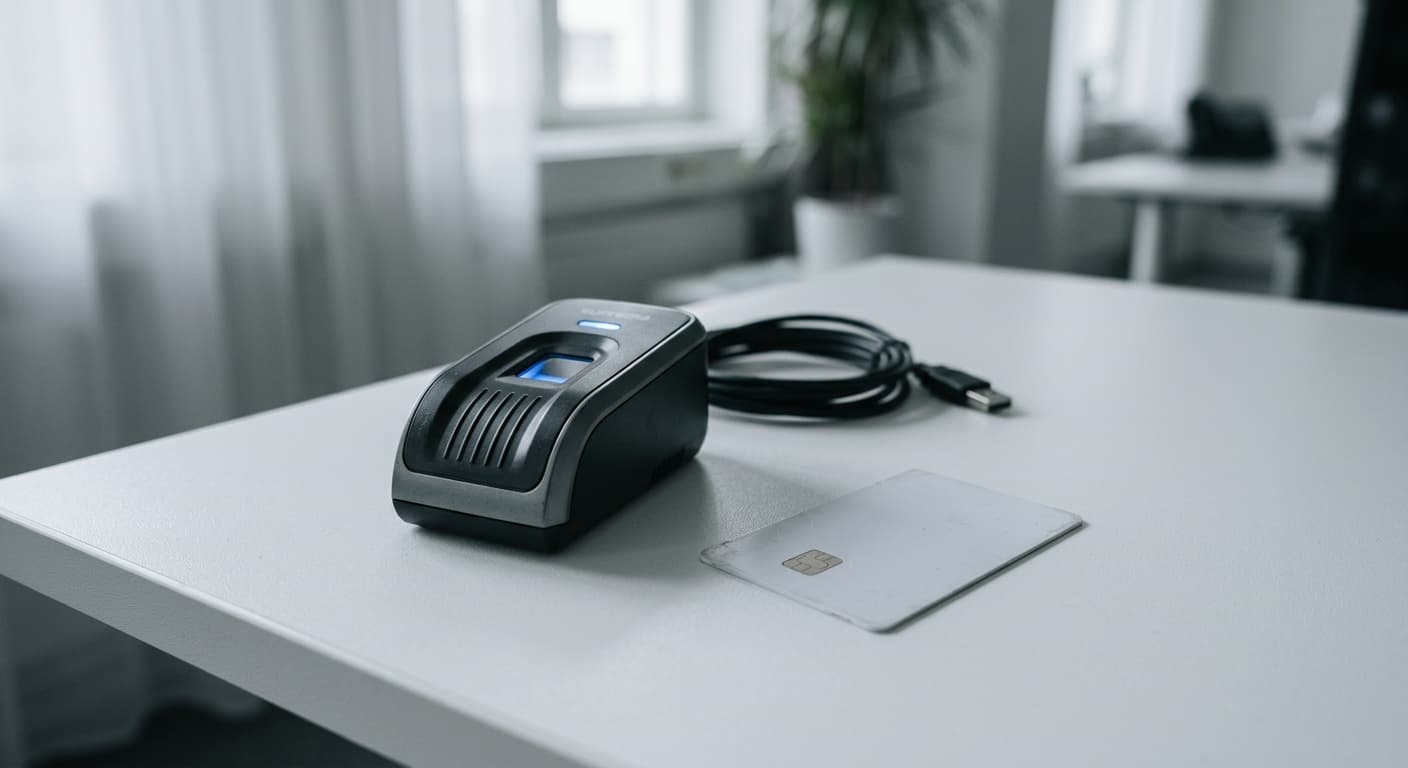
Iowa Gov. Kim Reynolds signed HF 864 on June 1, 2026, requiring adult sites to verify users' ages from July 1 and barring verifiers from keeping the ID data.
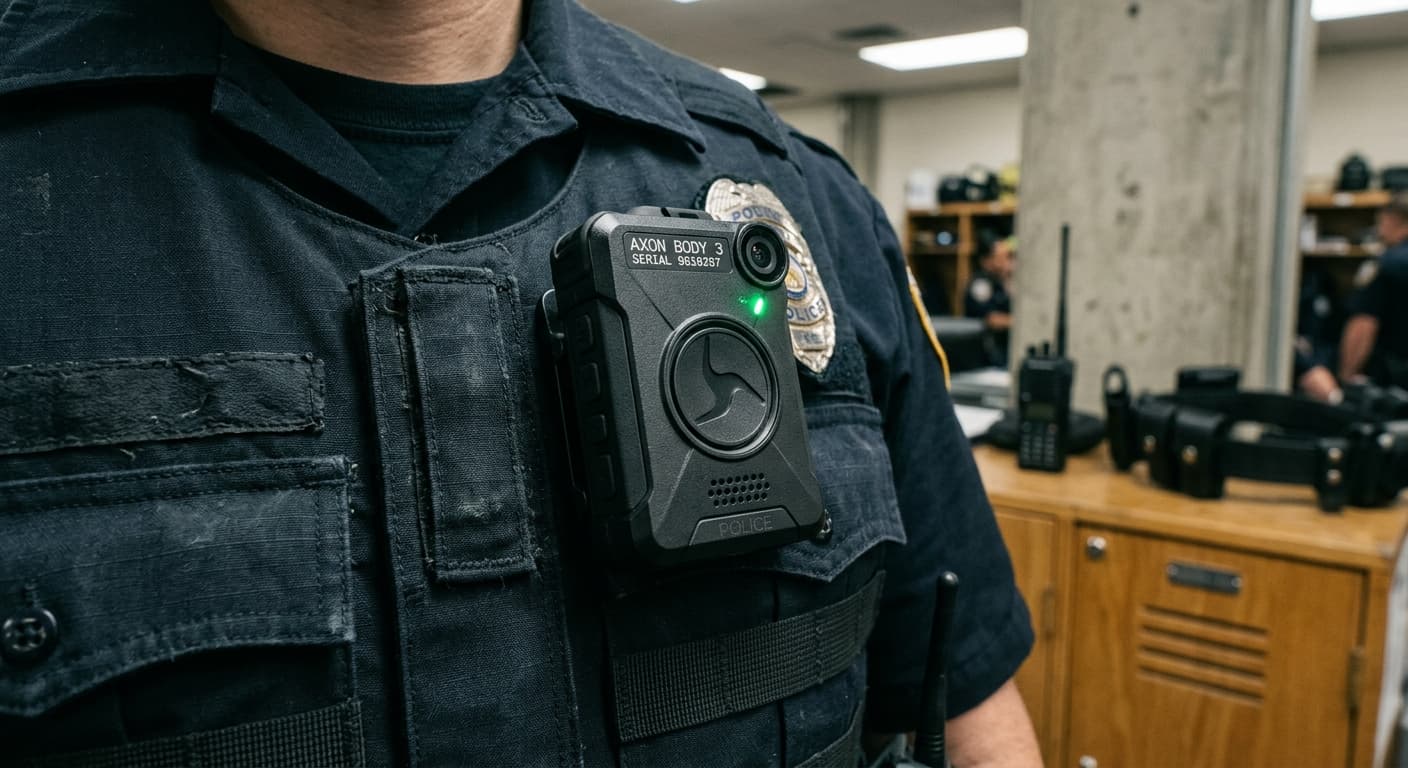
The Massachusetts SJC ruled June 2, 2026 that police body-camera footage from a sobriety checkpoint was not a secret recording under the state wiretap law.