
California
California Lemon Law (2026): How to Qualify & Get a Refund
Independently fact-checked against primary sources (last audited August 17, 2026). · Reviewed by the RecordingLaw editorial team. · Law checked current as of August 17, 2026. · 11 primary sources cited on this page. How we verify our legal content
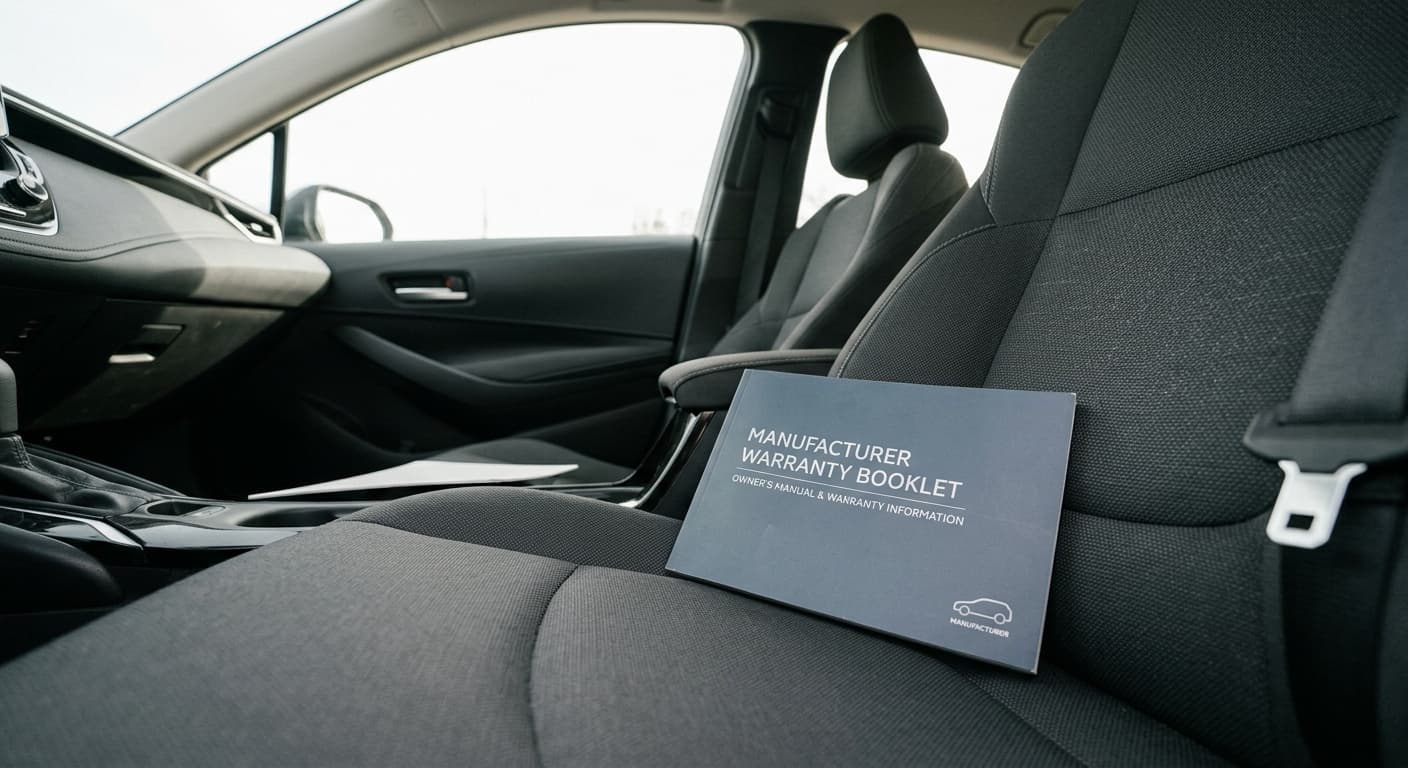
California's Song-Beverly Consumer Warranty Act requires manufacturers to refund or replace vehicles with a substantial defect that persists after four or more repair attempts, two attempts for a safety defect, or more than 30 cumulative days out of service within 18 months or 18,000 miles of delivery, at the consumer's election.
California has one of the strongest lemon laws in the United States. The Song-Beverly Consumer Warranty Act protects buyers and lessees of new and used vehicles that come with a manufacturer warranty. If your vehicle has a substantial defect that the manufacturer cannot fix after a reasonable number of repair attempts, California law entitles you to a full refund or a replacement vehicle.
This guide covers the vehicles that qualify, the repair attempt requirements, your remedies, the 2025 legislative reforms under AB 1755 and SB 26, and the step-by-step process for filing a claim.
What Vehicles Are Covered
California's lemon law covers a broad range of vehicles purchased or leased in the state, as long as they carry an active manufacturer's warranty. Knowing which vehicles qualify is the first step in evaluating a potential claim.
Covered Vehicle Types
- New passenger cars: Sedans, coupes, hatchbacks, and similar vehicles
- Trucks and SUVs: Pickup trucks, sport utility vehicles, and crossovers
- Vans and minivans: Including passenger and cargo configurations
- Motorhomes: The chassis and drivetrain components (living quarters may have separate coverage)
- Electric vehicles: Battery electric vehicles (BEVs) and plug-in hybrids (PHEVs)
- Leased vehicles: Any leased vehicle used for personal, family, or household purposes
- Dealer demonstrators: Demo vehicles with remaining warranty coverage
Vehicles Not Covered
- Motorcycles (excluded from the Tanner Act's 'new motor vehicle' definition under Civil Code § 1793.22(e)(2), though other consumer-goods remedies may still apply)
- Vehicles purchased primarily for business use by companies with more than five vehicles in their fleet
- Off-road vehicles not designed for highway use
- Boats and watercraft
- Vehicles sold "as is" without any warranty
- Vehicles with fully expired warranties and no remaining coverage
California's Lemon Law Presumption
Under Civil Code § 1793.22, California law creates a rebuttable "presumption" that a vehicle is a lemon when certain conditions are met. This presumption shifts the burden of proof to the manufacturer, requiring the manufacturer to demonstrate that the vehicle does not qualify as a lemon.
The presumption must arise within the first 18 months of ownership or 18,000 miles on the odometer, whichever occurs first.
When the Presumption Applies
| Condition | Requirement | Details |
|---|---|---|
| Repair Attempts (Same Defect) | 4 or more attempts | The same nonconformity must substantially impair the vehicle's use, value, or safety |
| Safety Defect Repairs | 2 or more attempts | Applies to defects likely to cause death or serious bodily injury |
| Days Out of Service | More than 30 cumulative days | Vehicle unavailable due to warranty repair attempts for any covered defects |
| Direct Notice to Manufacturer | At least one direct notice of the need for repair | Required on the 4-attempt and 2-attempt prongs, but only where the manufacturer clearly and conspicuously disclosed the requirement with the warranty or owner's manual |
| Timeframe | Within 18 months or 18,000 miles | Whichever comes first from the date of delivery |
Dealer visits alone may not be enough. Civil Code § 1793.22(b)(1) and (b)(2) require, in addition to the repair attempts, that the buyer or lessee "has at least once directly notified the manufacturer of the need for the repair of the nonconformity." That direct notice is required only where the manufacturer clearly and conspicuously disclosed the requirement with the warranty or the owner's manual, and it must be sent to the address the manufacturer specified there. The 30-day out-of-service prong carries no such notice requirement.
Important: The presumption is a tool to help consumers, but it is not the only path to relief. Even if the presumption does not apply, you may still have a valid lemon law claim under Civil Code § 1793.2 if you can prove the manufacturer failed to repair a substantial defect after a reasonable number of attempts.
Before you can assert the lemon law presumption in court, you must first exhaust any manufacturer-run arbitration program that is certified by the California Department of Consumer Affairs, provided you received written notice of the program. Arbitration through a certified program is informal, free to consumers, and often faster than litigation.
What Qualifies as a "Substantial" Defect?
Not every problem with your vehicle triggers lemon law protection. The defect must "substantially impair" the vehicle's use, value, or safety. Examples include:
- Engine or transmission failures that affect drivability
- Brake system malfunctions
- Steering problems that create safety hazards
- Electrical system failures affecting critical components
- Airbag or safety restraint system defects
- Persistent warning lights indicating serious mechanical issues
- Battery or charging system failures in electric vehicles
Minor issues like squeaks, rattles, or cosmetic blemishes typically do not qualify unless they significantly affect the vehicle's value or your ability to use it safely.
Consumer Remedies: Refund vs. Replacement
When a vehicle qualifies as a lemon under California law, the consumer has the right to choose between two remedies: a full refund (known as a "buyback") or a replacement vehicle.
Option 1: Vehicle Buyback (Refund)
Under Civil Code § 1793.2(d)(2), the manufacturer must refund:
- Full purchase price: Including sales tax
- Finance charges: Interest and fees paid on the vehicle loan
- Registration and license fees: DMV costs associated with the vehicle
- Incidental damages: Towing costs, rental car expenses, and out-of-pocket repair costs
- Loan payoff: Direct payment to the lender to satisfy the remaining loan balance
Mileage Offset (Usage Deduction): The manufacturer may deduct a reasonable amount for the miles you drove before your first repair attempt for the defect. California law specifies this formula:
Usage Deduction = (Purchase Price x Miles at First Repair) / 120,000
For example, if you paid $40,000 for your vehicle and drove 5,000 miles before the first repair attempt, the deduction would be approximately $1,667.
Option 2: Replacement Vehicle
Instead of a refund, you may request a replacement vehicle that is:
- Substantially identical to the original vehicle
- Acceptable to the consumer
- Accompanied by all applicable manufacturer warranties
The manufacturer must also reimburse incidental costs and cannot require you to pay any additional fees beyond the usage deduction.
Leased Vehicle Remedies
Leased vehicles receive the same protections under the Song-Beverly Act. If your leased vehicle qualifies as a lemon, you may be entitled to:
- A refund of all lease payments made to date
- Return of your down payment and security deposit
- Reimbursement of registration and license fees
- Termination of the lease with no remaining payment obligations
- Reimbursement for rental cars, towing, and other incidental expenses
The manufacturer may apply the same mileage offset formula to calculate a usage deduction based on miles driven before the first repair attempt.
Attorney Fees and Civil Penalties
California law provides strong financial incentives for consumers to enforce their lemon law rights.
Attorney Fees
Under Civil Code § 1794(d), if you prevail in a lemon law case, the manufacturer must pay your reasonable attorney fees and court costs. Because of this fee-shifting provision, most California lemon law attorneys work on a contingency basis, meaning you pay nothing upfront and owe no attorney fees unless you win.
Civil Penalty for Willful Violations
Under Civil Code § 1794(c), if the manufacturer's failure to comply with the lemon law was willful, the court may award a civil penalty of up to two times your actual damages on top of the standard refund or replacement. A violation is considered willful when the manufacturer knew of its obligations but intentionally declined to fulfill them.
Federal Backstop: The Magnuson-Moss Warranty Act
California's state law protections layer on top of a federal baseline. The Magnuson-Moss Warranty Act (15 U.S.C. 2301 et seq.) gives consumers the right to sue in federal court when a manufacturer breaches a written warranty or implied warranty of merchantability. If your vehicle qualifies as a lemon under California law, you may also have a parallel Magnuson-Moss claim. Attorney fees are recoverable under both statutes, so most lemon law attorneys analyze both theories simultaneously.
2025 Legislative Reforms: AB 1755 and SB 26
California's lemon law underwent significant procedural changes in 2025 through two pieces of legislation: Assembly Bill 1755 (signed September 29, 2024; key provisions operative April 1, 2025) and Senate Bill 26 (signed April 2, 2025; main provisions operative July 1, 2025). These reforms were enacted after lemon law filings surged from approximately 15,000 cases in 2022 to over 25,000 in 2024.
Manufacturer Opt-In System (SB 26)
SB 26 created a voluntary opt-in framework. Manufacturers who choose to participate commit to the new AB 1755 procedures for a minimum of five years, and the election is irrevocable for that period. The California Department of Consumer Affairs maintains and publishes the official list of opted-in manufacturers and must update it by December 15 each year.
As of 2025, most major manufacturers have opted in, including Ford, General Motors, Stellantis (Chrysler, Dodge, Jeep, RAM), Honda, Toyota, Hyundai, Kia, Nissan, BMW, Mercedes-Benz, Tesla, Subaru, Volkswagen, and others. Check the DCA's published list to confirm your manufacturer's current status.
Pre-Suit Written Notice Requirement (Civil Penalties)
Under Code of Civil Procedure § 871.24, for claims against opted-in manufacturers, consumers who want to seek civil penalties must provide written notice at least 30 days before filing a lawsuit. You can still file suit for a basic buyback or replacement without sending this notice, but you will be unable to seek the 2x civil penalty without it.
The notice must be sent by certified mail or email to the manufacturer's designated contact address and must include:
- The consumer's name and contact information
- The vehicle identification number (VIN)
- A description of the defect or nonconformity
- A summary of the repair history
- The consumer's desired remedy (refund or replacement)
The manufacturer then has 30 days to make an offer of restitution or replacement. If the manufacturer agrees to a buyback or replacement, it must complete the transaction within 60 days of receiving the original notice.
$50-Per-Day Penalty for Late Completion
Once the consumer signs and delivers a release, the manufacturer must complete the agreed restitution or replacement within 30 days. Failure to meet that deadline triggers a mandatory penalty of $50 per day until the manufacturer finalizes the transaction, unless the delay is caused by the consumer's own failure to cooperate in good faith.
Statute of Limitations (Opted-In Manufacturers Only)
AB 1755 added filing deadlines at Code of Civil Procedure § 871.21, but they reach only the actions the new chapter covers. Section 871.21 applies to "an action covered by Section 871.20," and § 871.20(a) applies the chapter to an action "brought against a manufacturer who has elected under Section 871.29 to proceed under this chapter." Section 871.30(c) confirms that without that election, sections 871.20 to 871.28 "shall not apply." Section 871.29(a)(1) also ties an election to vehicles sold during the elected five-calendar-year period, so even an opted-in manufacturer's older vehicles can fall outside it.
For an action that the chapter does cover, § 871.21 sets:
- One year after the applicable express warranty expires, and
- Six years from the date of original delivery as an outer limit that cannot be exceeded
The 30-day notice period is tolled against these deadlines (it does not count against your filing window), up to a maximum tolling period of 60 days, as is time the vehicle is out of service for repair.
If the chapter does not cover your action, § 871.21 does not set your deadline. See the statute of limitations section below.
Used Vehicle Coverage Clarified by the Courts
Used vehicle coverage was not changed by AB 1755 or SB 26. The California Supreme Court's October 2024 decision in Rodriguez v. FCA US, LLC held that the statutory phrase "other motor vehicle sold with a manufacturer's new car warranty" means, in the Court's words, a vehicle for which a manufacturer's new car warranty is issued with the sale. A used car sold with just the unexpired balance of its original factory warranty does not qualify, even though it did under the older Court of Appeal rule in Jensen v. BMW of North America that Rodriguez disapproved. The opinion does not address certified pre-owned programs, so whether a CPO warranty counts as a manufacturer's new car warranty issued with the sale remains an open question rather than a settled rule. Vehicles sold "as is" or with only a dealer-issued warranty are generally not covered either.
How to File a Lemon Law Claim in California
Filing a successful lemon law claim requires careful documentation and adherence to proper procedures.
Step 1: Document Everything
- Keep all repair orders and invoices
- Note the dates your vehicle was in the shop and the dates it was returned
- Document the symptoms you experienced in writing
- Save all correspondence with the dealer and manufacturer
- Take photos or videos of defects when possible
Step 2: Allow Reasonable Repair Attempts
Give the manufacturer a reasonable opportunity to fix the problem. For most defects, this means at least four repair attempts for the same issue. For safety defects that could cause death or serious injury, two attempts may be sufficient. If you intend to rely on the Tanner Act presumption, also notify the manufacturer directly at least once of the need for the repair, as described in the presumption section above.
Step 3: Send Written Notice (If Seeking Civil Penalties)
If the manufacturer has opted in under SB 26 and you intend to seek civil penalties, you must send a formal written notice at least 30 days before filing suit. Send it by certified mail or email to the manufacturer's designated lemon law contact address. Even if you are not seeking penalties, sending a written demand letter is a best practice that strengthens your case.
Step 4: Wait for the Manufacturer's Response
The manufacturer has 30 days to respond to your notice. They may offer to:
- Make additional repair attempts
- Offer a buyback or replacement
- Propose a settlement
If the manufacturer agrees to a resolution, it must be completed within 60 days of your original notice (or within 30 days of receiving a signed release, with daily penalties accruing if they miss that window). If they fail to respond or their offer is inadequate, you may proceed with further action.
Step 5: Consider Arbitration or Litigation
If the manufacturer does not resolve your claim satisfactorily, you have two main options:
- Manufacturer arbitration: Many manufacturers offer arbitration programs certified by the California Department of Consumer Affairs. Arbitration is typically faster and less expensive than litigation.
- File a lawsuit: You can sue the manufacturer in court. Under Civil Code § 1794(d), the manufacturer must pay your attorney fees if you win.
Note: If a manufacturer has a DCA-certified arbitration program and you received written notice of its availability, you must generally attempt arbitration before asserting the lemon law presumption in court.
Manufacturer Defenses
Manufacturers may raise several defenses to avoid lemon law liability. Understanding these defenses can help you build a stronger case.
| Defense | Manufacturer's Argument | How to Counter |
|---|---|---|
| Owner abuse or neglect | Defect caused by consumer misuse | Provide maintenance records showing proper care |
| Unauthorized modifications | Aftermarket parts caused the problem | Show the defect existed before modifications or is unrelated |
| Defect is not substantial | Problem is minor or cosmetic | Document how the defect affects safety, use, or value |
| Insufficient repair attempts | Consumer did not allow enough attempts | Show repair history meets presumption requirements |
| Statute of limitations expired | Claim was filed too late | Verify your claim is within the warranty period plus applicable deadlines |
| Consumer caused the condition | Accident or damage caused the defect | Provide evidence the defect is a manufacturing or design issue |
Used Vehicle Protections
California's lemon law can protect used vehicle buyers, but coverage depends on whether a manufacturer's new car warranty was issued with that sale, not simply on whether warranty coverage remains. In Rodriguez v. FCA US, LLC (Cal. 2024), the California Supreme Court held that a used vehicle sold with only the unexpired balance of the original new-car warranty carried over from its first sale is not a "new motor vehicle" under Civil Code Sec 1793.22(e)(2) and does not qualify for the Song-Beverly refund-or-replace remedy. The decision disapproved the older Court of Appeal rule in Jensen v. BMW of North America, Inc. (1995) that had treated any unexpired warranty balance as qualifying.
Used Vehicles That Qualify
- Vehicles sold with a manufacturer's new car warranty issued at that sale: Rodriguez requires that the manufacturer's new car warranty be issued with the sale itself, not carried over from the vehicle's first sale
- Certified Pre-Owned (CPO) vehicles: unsettled. A CPO warranty is a manufacturer-issued used-vehicle warranty, and the Rodriguez opinion does not decide whether such a warranty is a manufacturer's new car warranty issued with the sale. Treat CPO coverage as contested rather than assuming the refund-or-replace remedy applies, and have the specific warranty reviewed
- Dealer demonstrators: Demo vehicles are defined as "new motor vehicles" under Civil Code Sec 1793.22(e)(2) regardless of when their warranty was issued
Used Vehicles That Do Not Qualify for Refund-or-Replace
- Vehicles sold with only the unexpired balance of the original factory warranty: A used car does not become a "new motor vehicle" just because some of the original manufacturer's warranty period remains. The buyer may still have a claim for breach of that express warranty under the California Commercial Code or the federal Magnuson-Moss Warranty Act, and may have implied-warranty rights against the used-vehicle dealer under Civil Code Sec 1795.5, but not the Song-Beverly refund-or-replace remedy against the manufacturer
- Vehicles sold "as is" with no warranty
- Vehicles with fully expired manufacturer warranties
- Vehicles covered only by a dealer-issued extended service contract (these are handled under separate warranty laws, not the Song-Beverly lemon law provisions)
- Private party sales without manufacturer warranty transfers
The CARS Act (Effective October 1, 2026)
While not a lemon law change, the California Combating Auto Retail Scams (CARS) Act (SB 766, signed October 6, 2025) gives used car buyers additional protections starting October 1, 2026. Key provisions include:
- A three-day right to cancel for used cars priced at $50,000 or less, provided the vehicle has not been driven more than 400 miles
- Dealers must disclose the full vehicle price upfront, including all non-optional charges
- Dealers may charge a restocking fee of up to 1.5% of the purchase price (generally capped at $600) plus up to $1 per mile over 250 miles
This law does not replace lemon law protections but provides an additional safety net for used car buyers.
Electric Vehicle Considerations
Electric vehicles present unique lemon law considerations due to their complex battery systems and electronic components.
Common EV Defects That May Qualify
- Battery degradation beyond normal parameters specified by the manufacturer
- Charging system failures
- Range significantly below manufacturer specifications
- Software glitches affecting vehicle operation or safety
- Electric motor malfunctions
- Thermal management system failures
EV-Specific Challenges
EV owners may face unique challenges in lemon law cases:
- Software updates: Manufacturers may argue that over-the-air software updates resolved the issue
- Battery warranties: Separate battery warranties (often 8 years/100,000 miles) may complicate coverage analysis
- Dealer expertise: Some dealers may lack EV-specific diagnostic training, which can affect the quality of repair attempts
- Documentation: Software-related issues may be harder to document than traditional mechanical problems
Statute of Limitations
Understanding the deadlines for filing a lemon law claim is critical. Missing these deadlines can bar your claim entirely. Which deadline applies turns on whether your manufacturer elected into the Code of Civil Procedure chapter that AB 1755 created, and on whether your vehicle falls within that election.
If the Manufacturer Elected In (Code of Civil Procedure § 871.21)
- During warranty: Claims should be initiated while the manufacturer warranty is still active
- After warranty expires: one year after the applicable express warranty expires
- Outer limit: no action later than six years after the date of original delivery of the vehicle
- Tolling: the pre-suit notice period is tolled up to 60 days, as is time the vehicle is out of service for repair
If the Manufacturer Did Not Elect In
Sections 871.20 through 871.28 "shall not apply" where the manufacturer has not made the election (Code of Civil Procedure § 871.30(c)), so the deadlines above do not control. The general limitations rules for breach of warranty govern instead, principally the four-year period in Commercial Code § 2725, which runs from tender of delivery unless the warranty explicitly extends to future performance of the goods.
Check the Department of Consumer Affairs list to see whether your manufacturer elected in and for which vehicle years, and confirm your deadline with an attorney before relying on either framework. Send any written notice as soon as you believe your vehicle qualifies.
More California Laws
Frequently Asked Questions
How many repair attempts does California require before a vehicle is considered a lemon?
Under the lemon law presumption in Civil Code § 1793.22, a vehicle may qualify as a lemon after four or more repair attempts for the same substantial defect, two or more attempts for a safety defect likely to cause death or serious injury, or more than 30 cumulative days out of service for warranty repairs. These conditions must occur within the first 18 months or 18,000 miles. The four-attempt and two-attempt prongs also require that the buyer directly notify the manufacturer at least once of the need for the repair, where the manufacturer disclosed that requirement with the warranty or owner's manual. However, even outside the presumption, you may have a valid claim if the manufacturer failed to fix a substantial defect after a reasonable number of attempts.
Do I need a lawyer to file a California lemon law claim?
You are not required to hire an attorney, but legal representation significantly improves your chances of a favorable outcome. Under Civil Code § 1794(d), the manufacturer must pay your reasonable attorney fees if you prevail. Because of this fee-shifting provision, most California lemon law attorneys work on contingency, meaning you pay nothing unless you win your case.
Can I get a refund for a leased vehicle under California's lemon law?
Yes. Leased vehicles used for personal, family, or household purposes are fully covered under the Song-Beverly Act. If your leased vehicle qualifies as a lemon, you may be entitled to a refund of all lease payments made, return of your down payment and security deposit, reimbursement of fees, and termination of the lease with no further payment obligations.
Does California's lemon law cover used cars?
Only in narrow circumstances. Under the California Supreme Court's 2024 decision in Rodriguez v. FCA US, LLC, a used vehicle counts as a 'new motor vehicle' for the refund-or-replace remedy only where a manufacturer's new car warranty is issued with that sale, so a used car sold with just the unexpired balance of its original factory warranty does not qualify. The Court did not address certified pre-owned (CPO) programs, so whether a CPO warranty qualifies is unsettled and should be assessed against the specific warranty rather than assumed. Other remedies, such as the California Commercial Code or the federal Magnuson-Moss Warranty Act, may still apply. Vehicles sold as-is or with only a dealer-issued warranty are generally not covered under the Song-Beverly lemon law provisions.
What is the usage deduction in a California lemon law buyback?
The usage deduction is an amount the manufacturer may subtract from your refund to account for the miles you drove before the first repair attempt. It is calculated using this formula: (Purchase Price x Miles Driven at First Repair) divided by 120,000. For example, if you paid $40,000 and drove 5,000 miles before the first repair attempt, the deduction would be approximately $1,667.
What changed under AB 1755 and SB 26 in 2025?
AB 1755 and SB 26 introduced a manufacturer opt-in system and new pre-suit notice procedures. For claims against opted-in manufacturers, consumers who want to seek civil penalties must send written notice at least 30 days before filing suit. The manufacturer then has 30 days to make an offer and 60 days to complete a buyback or replacement from the original notice date. A key point: the notice requirement applies to civil penalty claims, not to a basic buyback or replacement suit. The reforms also set filing deadlines for actions against opted-in manufacturers under Code of Civil Procedure § 871.21 (one year after the express warranty expires, and never later than six years after original delivery), and a $50-per-day penalty when manufacturers miss the 30-day signed-release completion window. Those deadlines do not apply where the manufacturer has not elected in; the general breach-of-warranty limitations rules govern in that case.
Are electric vehicles covered under California's lemon law?
Yes. Electric vehicles are fully covered under California's lemon law. Battery defects, charging system failures, range problems significantly below manufacturer specifications, and software malfunctions that substantially impair the vehicle's use, value, or safety may all qualify for lemon law relief.
Updates
Corrected the filing-deadline and used-vehicle sections: the AB 1755 deadlines are now limited to manufacturers that opted in under Code of Civil Procedure section 871.29, the Rodriguez holding is stated in the Supreme Court’s own terms with certified pre-owned coverage flagged as unsettled, and the lemon law presumption table now shows the required direct notice to the manufacturer.
Corrected the used-vehicle coverage section: under the California Supreme Court's October 2024 decision in Rodriguez v. FCA US, LLC, a used car qualifies for a lemon law refund or replacement only if a manufacturer-issued warranty (such as a CPO warranty) was issued at the time of the used-vehicle sale, not merely because some of the original factory warranty balance remains; this rule comes from that court decision, not from the 2025 AB 1755/SB 26 reforms.
Independently fact-checked against the cited primary sources; governing law re-checked for recent changes
Governing law re-checked for recent changes
Corrected the days-out-of-service presumption threshold to Civil Code 1793.22(b)(3)'s actual 'more than 30 days' standard (not '30 or more'), and moved motorcycles out of the covered-vehicles list since 1793.22(e)(2) excludes them from the Tanner Act's new-motor-vehicle definition.
Governing law re-checked for recent changes
Reviewed and approved by an editor
The Law Behind This Article
This article rests on the statutory provisions below, held in our own legal record and retrieved from the official source. Tap a section to read the operative text.
California Civil Code
§ 1793.2In force
(a) Every manufacturer of consumer goods sold in this state and for which the manufacturer has made an express warranty shall: (1) (A) Maintain in this state sufficient service and repair facilities reasonably close to all areas where its consumer goods are sold to carry out the terms of those warranties or designate and authorize in this state as service and repair facilities independent repair or service facilities reasonably close to all areas where its consumer goods are sold to carry out the terms of the warranties. (B) As a means of complying with this paragraph, a manufacturer may enter into warranty service contracts with independent service and repair facilities. The warranty service contracts may provide for a fixed schedule of rates to be charged for warranty service or warranty repair work. However, the rates fixed by those contracts shall be in conformity with the requirements of subdivision (c) of Section 1793.3.
Official text (excerpt) · last checked 2026-09-08 · Read the full text in our law library · Verify at leginfo.legislature.ca.gov
Cited in 509 court opinions in our collectionLatest citing opinion in our collection: 2026
Opinions citing this section in our collection:
- Krieger v. Nick Alexander Imports, Inc. (California Court of Appeal 1991, 234 Cal. App. 3d 205)“…on for violation of the Song-Beverly Consumer Warranty Act (Civ. Code, § 1793.2); misrepresentation; breach of the cove…”
- Mocek v. Alfa Leisure, Inc. (California Court of Appeal 2003, 7 Cal. Rptr. 3d 546)“…out an extensive scheme requiring manufacturers to repair (Civ. Code, § 1793.2), and the buyer has a concomitant duty…”
- Hanna v. Mercedes-Benz USA, LLC (California Court of Appeal, 5th District 2019, 248 Cal. Rptr. 3d 654)“…in return Mercedes-Benz would "make restitution pursuant to Civil Code section 1793.2(d)(2)(B) in an amount equal to the actu…”
Identified automatically from the court opinions citing this section — not a ranking of which case controls.
§ 1793.22In force
(a) This section shall be known and may be cited as the Tanner Consumer Protection Act. (b) It shall be presumed that a reasonable number of attempts have been made to conform a new motor vehicle to the applicable express warranties if, within 18 months from delivery to the buyer or 18,000 miles on the odometer of the vehicle, whichever occurs first, one or more of the following occurs: (1) The same nonconformity results in a condition that is likely to cause death or serious bodily injury if the vehicle is driven and the nonconformity has been subject to repair two or more times by the manufacturer or its agents, and the buyer or lessee has at least once directly notified the manufacturer of the need for the repair of the nonconformity. (2) The same nonconformity has been subject to repair four or more times by the manufacturer or its agents and the buyer has at least once directly notified the manufacturer of the need for the repair of the nonconformity. (3) The vehicle is out of service by reason of repair of nonconformities by the manufacturer or its agents for a cumulative total of more than 30 calendar days since delivery of the vehicle to the buyer.
Official text (excerpt) · last checked 2026-07-28 · Read the full text in our law library · Verify at leginfo.legislature.ca.gov
Cited in 41 court opinions in our collectionLatest citing opinion in our collection: 2026
Opinions citing this section in our collection:
- Park City Services, Inc. v. Ford Motor Co. (California Court of Appeal 2006, 50 Cal. Rptr. 3d 373)“…itled the Tanner Consumer Protection Act (the Tanner Act). (Civ. Code, § 1793.22, added by Stats. 1992, ch. 1232, § 7, p…”
- Goglin v. BMW of North America, LLC (California Court of Appeal 2016, 4 Cal. App. 5th 462)“…otor vehicle sold with a manufacturer's new car warranty." (Civ. Code, § 1793.22, subd. (e)(2).)…”
- Lafferty v. Wells Fargo Bank (California Court of Appeal 2013, 213 Cal. App. 4th 545)“…Code, § 1790 et seq.), the Tanner Consumer Protection Act (Civ. Code, § 1793.22), and engaged in unfair business practi…”
Identified automatically from the court opinions citing this section — not a ranking of which case controls.
§ 1794In force
(a) Any buyer of consumer goods who is damaged by a failure to comply with any obligation under this chapter or under an implied or express warranty or service contract may bring an action for the recovery of damages and other legal and equitable relief. (b) The measure of the buyer’s damages in an action under this section shall include the rights of replacement or reimbursement as set forth in subdivision (d) of Section 1793.2, and the following: (1) Where the buyer has rightfully rejected or justifiably revoked acceptance of the goods or has exercised any right to cancel the sale, Sections 2711, 2712, and 2713 of the Commercial Code shall apply. (2) Where the buyer has accepted the goods, Sections 2714 and 2715 of the Commercial Code shall apply, and the measure of damages shall include the cost of repairs necessary to make the goods conform. (c) If the buyer establishes that the failure to comply was willful, the judgment may include, in addition to the amounts recovered under subdivision (a), a civil penalty which shall not exceed two times the amount of actual damages.
Official text (excerpt) · last checked 2026-07-28 · Read the full text in our law library · Verify at leginfo.legislature.ca.gov
Cited in 576 court opinions in our collectionLatest citing opinion in our collection: 2026
Opinions citing this section in our collection:
- Murillo v. Fleetwood Enterprises, Inc. (California Supreme Court 1998, 17 Cal. 4th 985)“…costs filed by defendants Fleetwood and Oshkosh are denied. Civil Code Section 1794(d) does not bar defendants’ respective…”
- Doppes v. Bentley Motors, Inc. (California Court of Appeal 2009, 174 Cal. App. 4th 1004)“…onsumer Warranty Act bars recovery of prejudgment interest. Civil Code section 1794 provides that a consumer who is damaged…”
- Carver v. Chevron U.S.A., Inc. (California Court of Appeal 2002, 118 Cal. Rptr. 2d 569)“…999.) The attorney fees provision of the Song-Beverly Act (Civ. Code, § 1794, subd. (d)), states: “If the buyer prev…”
Identified automatically from the court opinions citing this section — not a ranking of which case controls.
United States Code Title 15
§ 2301DefinitionsIn forcecited in 41 of our articles
For the purposes of this chapter: The term “consumer product” means any tangible personal property which is distributed in commerce and which is normally used for personal, family, or household purposes (including any such property intended to be attached to or installed in any real property without regard to whether it is so attached or installed). The term “Commission” means the Federal Trade Commission. The term “consumer” means a buyer (other than for purposes of resale) of any consumer product, any person to whom such product is transferred during the duration of an implied or written warranty (or service contract) applicable to the product, and any other person who is entitled by the terms of such warranty (or service contract) or under applicable State law to enforce against the warrantor (or service contractor) the obligations of the warranty (or service contract). The term “supplier” means any person engaged in the business of making a consumer product directly or indirectly available to consumers. The term “warrantor” means any supplier or other person who gives or offers to give a written warranty or who is or may be obligated under an implied warranty.
Official text (excerpt) · last checked 2026-07-28 · Read the full text in our law library · Verify at uscode.house.gov
Cited in 1,671 court opinions in our collectionLatest citing opinion in our collection: 2026
In the courts (editorial summary, independently checked):Walsh v. Ford Motor Company (1986) held that except where Magnuson-Moss expressly prescribes a rule, the Act applies state written and implied warranty law, citing Section 2301(7)'s definition of implied warranty as one arising under state law. Birdsong v. Apple (2009) dismissed Act claims once the state warranty claims failed.
Opinions citing this section in our collection:
- John F. "Jack" Walsh v. Ford Motor Company (Court of Appeals for the D.C. Circuit 1986, 807 F.2d 1000)✓Ford owners sought nationwide classes over transmissions that slipped from park into reverse; reading Section 2301(7) and (6), the D.C. Circuit held Magnuson-Moss applies state warranty law except where the Act expressly prescribes a rule, and vacated class certification.
- Birdsong v. Apple, Inc. (Court of Appeals for the Ninth Circuit 2009, 590 F.3d 955)✓iPod buyers alleged the player risked hearing loss; because Section 2301(7) ties implied warranty to state law, the Ninth Circuit treated the Magnuson-Moss claim as standing or falling with the California warranty claims and affirmed dismissal once those failed.
- Robert E. Kelly Virginia L. Kelly v. Fleetwood Enterprises, Inc. (Court of Appeals for the Ninth Circuit 2004, 377 F.3d 1034)“…gnizable under the Magnuson-Moss Warranty Act (the “Act”), 15 U.S.C. § 2301 et seq. This consumer dis…”
Identified automatically from the court opinions citing this section — not a ranking of which case controls.
Also relied on in: Washington Lemon Law (2026): How to Qualify & Get a Refund, Florida Lemon Law (2026): How to Qualify & Get a Refund, Delaware Lemon Law (2026): How to Qualify & Get a Refund
California Code of Civil Procedure
§ 871.20In force
(a) Notwithstanding any other law, this chapter applies to an action, brought against a manufacturer who has elected under Section 871.29 to proceed under this chapter, seeking restitution or replacement of a motor vehicle pursuant to subdivision (b) or (d) of Section 1793.2, Section 1793.22, or Section 1794 of the Civil Code, or for civil penalties pursuant to subdivision (c) of Section 1794 of the Civil Code, where the request for restitution or replacement is based on noncompliance with the applicable express warranty. (b) This chapter does not apply to service contract claims under Section 1794 of the Civil Code or any action seeking remedies that are not restitution or replacement of a motor vehicle.
Official text (excerpt) · last checked 2026-07-28 · Read the full text in our law library · Verify at leginfo.legislature.ca.gov
Cited in 1 court opinions in our collectionLatest citing opinion in our collection: 2024
Opinions citing this section in our collection:
- Carver v. Volkswagen Group of America, Inc. (California Court of Appeal 2024)“…ses. (Assem. Bill No. 1755 (2023–2024 Reg. Sess.) [enacting Code Civ. Proc., §§ 871.20– 871.28, eff. Jan. 1, 2025 and Apr. 1,…”
Identified automatically from the court opinions citing this section — not a ranking of which case controls.
§ 871.21In force
(a) An action covered by Section 871.20 shall be commenced within one year after the expiration of the applicable express warranty. (b) Notwithstanding subdivision (a), an action covered by Section 871.20 shall not be brought later than six years after the date of original delivery of the motor vehicle. (c) The time periods prescribed in subdivisions (a) and (b) shall be tolled as follows: (1) As provided by tolling requirements prescribed in subdivision (c) of Section 1793.22 of the Civil Code, as applicable. (2) For the time the motor vehicle is out of service by reason of repair for any nonconformity. (3) For the time period after a pre-suit notice is provided to the manufacturer in accordance with Section 871.24, which time period shall not exceed 60 days.
Official text (excerpt) · last checked 2026-07-28 · Read the full text in our law library · Verify at leginfo.legislature.ca.gov
§ 871.24In force
(a) At least 30 days prior to the commencement of an action seeking civil penalties under subdivision (c) of Section 1794 of the Civil Code, the consumer shall do all of the following: (1) Notify the manufacturer of the consumer’s name, the accurate Vehicle Identification Number (“VIN”) of the motor vehicle, and a brief summary of the repair history and problems with the motor vehicle. (2) Demand that the manufacturer repurchase or replace the motor vehicle. (b) Minor deviations in the notice submitted pursuant to subdivision (a) shall not disqualify consumers from seeking civil penalties. (c) At the time that the notice submitted pursuant to subdivision (a) is sent, the consumer shall have possession of the motor vehicle. (d) The notice required by subdivision (a) shall be in writing and shall be sent either by email to the email address prominently displayed on the manufacturer’s website for this purpose or by certified or registered mail, return receipt requested, to the address provided by the manufacturer in the owner’s manual or warranty booklet.
Official text (excerpt) · last checked 2026-07-28 · Read the full text in our law library · Verify at leginfo.legislature.ca.gov
Cited in 3 court opinions in our collectionLatest citing opinion in our collection: 2025
Opinions citing this section in our collection:
- Cesar Perez v. General Motors LLC (District Court, C.D. California 2025)“…ange this result. (See Mot. at 6 (“Pursuant to California Code of Civil Procedure § 871.24 and as part of the Parties pre-litigat…”
- Sandra Liliana Fajardo Campos v. General Motors, LLC (District Court, C.D. California 2025)“…ange this result. (See Mot. at 1 (“Pursuant to California Code of Civil Procedure § 871.24 and as part of the Parties pre-litigat…”
- Eloy Guillermo Mora v. General Motors, LLC, et al. (District Court, C.D. California 2025)“…rs to Defendants on January 4, 2025 pursuant to California Code of Civil Procedure § 871.24. However, the Ninth Circuit has held t…”
Identified automatically from the court opinions citing this section — not a ranking of which case controls.
§ 871.29In force
(a) (1) A manufacturer may elect to be governed by this chapter for all actions described in subdivision (a) of Section 871.20 with respect to all of the manufacturer’s motor vehicles sold during a period of five consecutive calendar years by providing written notice of that election to the Arbitration Certification Program within the Department of Consumer Affairs by October 31 of the preceding calendar year, except as provided in Section 871.30. (2) A manufacturer who makes the election described in paragraph (1) may not revoke that election during the five-year period covered by the election, but the manufacturer may make a new election under paragraph (1) that will cover motor vehicles sold in a subsequent five-year period. (b) Unless a manufacturer has made the election described in subdivision (a) that covers a given year, Sections 871.20 to 871.28, inclusive, shall not apply to an action described in subdivision (a) of Section 871.20 with respect to all of the manufacturer’s motor vehicles sold during that year, except as provided in Section 871.30.
Official text (excerpt) · last checked 2026-07-28 · Read the full text in our law library · Verify at leginfo.legislature.ca.gov
§ 871.30In force
(a) Within 30 days of the effective date of the act adding this section, a manufacturer may elect to be governed by this chapter for all actions described in subdivision (a) of Section 871.20 with respect to all of its motor vehicles sold in the year 2025 and in all prior years by providing written notice of that election to the Arbitration Certification Program within the Department of Consumer Affairs. (b) Within 60 days of the effective date of the act adding this section, the Arbitration Certification Program within the Department of Consumer Affairs shall publish to its website the list of all manufacturers that have elected under subdivision (a) to proceed under this chapter for actions related to motor vehicles sold in the year 2025 and in all prior years. (c) Unless a manufacturer has made the election described in subdivision (a), Sections 871.20 to 871.28, inclusive, shall not apply to an action described in subdivision (a) of Section 871.20, including actions already filed between January 1, 2025 and the effective date of the act adding this section, with respect to all of its vehicles sold new in the year 2025 and in all prior years.
Official text (excerpt) · last checked 2026-07-28 · Read the full text in our law library · Verify at leginfo.legislature.ca.gov
California Commercial Code
§ 2725In force
(1) An action for breach of any contract for sale must be commenced within four years after the cause of action has accrued. By the original agreement the parties may reduce the period of limitation to not less than one year but may not extend it. (2) A cause of action accrues when the breach occurs, regardless of the aggrieved party’s lack of knowledge of the breach. A breach of warranty occurs when tender of delivery is made, except that where a warranty explicitly extends to future performance of the goods and discovery of the breach must await the time of such performance the cause of action accrues when the breach is or should have been discovered. (3) Where an action commenced within the time limited by subdivision (1) is so terminated as to leave available a remedy by another action for the same breach such other action may be commenced after the expiration of the time limited and within six months after the termination of the first action unless the termination resulted from voluntary discontinuance or from dismissal for failure or neglect to prosecute.
Official text (excerpt) · last checked 2026-07-28 · Read the full text in our law library · Verify at leginfo.legislature.ca.gov
Cited in 93 court opinions in our collectionLatest citing opinion in our collection: 2026
Opinions citing this section in our collection:
- Jensen v. BMW of North America, Inc. (California Court of Appeal 1995, 35 Cal. App. 4th 112)“…warranty in sales contracts set forth in California Uniform Commercial Code section 2725. 9 (Krieger v.…”
- Mexia v. Rinker Boat Co., Inc. (California Court of Appeal 2009, 174 Cal. App. 4th 1297)“…y occurs or not) only at the time of delivery. (See Cal. U. Com. Code, § 2725, subd. (2).) The duration provis…”
- Krieger v. Nick Alexander Imports, Inc. (California Court of Appeal 1991, 234 Cal. App. 3d 205)“…rned by the same statute of limitations, California Uniform Commercial Code section 2725. Respondent moved for summary ju…”
Identified automatically from the court opinions citing this section — not a ranking of which case controls.
Search our full record of US law — 2.1 million sections, every state + federal →
Sources and References
- Song-Beverly Consumer Warranty Act (Full Text)(leginfo.legislature.ca.gov).gov
- California Civil Code § 1793.22: Lemon Law Presumption(leginfo.legislature.ca.gov).gov
- California Civil Code § 1793.2: Manufacturer Repair and Refund Obligations(leginfo.legislature.ca.gov).gov
- California Civil Code § 1794: Attorney Fees and Civil Penalties(leginfo.legislature.ca.gov).gov
- Assembly Bill 1755: Lemon Law Reform (2024)(leginfo.legislature.ca.gov).gov
- California DCA: New Lemon Law Procedures Under AB 1755 and SB 26(dca.ca.gov).gov
- California DCA: Manufacturer Opt-In List (SB 26)(dca.ca.gov).gov
- California Department of Consumer Affairs: Arbitration Certification Program(dca.ca.gov).gov
- California Attorney General: Lemon Law Guide(oag.ca.gov).gov
- California CARS Act: Combating Auto Retail Scams(calawyers.org)
- SB 26 - New Lemon Law Procedures (2025)(leginfo.legislature.ca.gov).gov
- SB 766 - California Combating Auto Retail Scams (CARS) Act(leginfo.legislature.ca.gov).gov
- Rodriguez v. FCA US, LLC, California Supreme Court, S274625 (Oct. 31, 2024): used-vehicle warranty coverage opinion(courtlistener.com)
- California Code of Civil Procedure § 871.20: scope of the lemon law litigation chapter (applies only to electing manufacturers)(leginfo.legislature.ca.gov)
- California Code of Civil Procedure § 871.21: filing deadlines for covered actions(leginfo.legislature.ca.gov)
- California Code of Civil Procedure § 871.24: 30-day pre-suit notice before seeking civil penalties(leginfo.legislature.ca.gov)
- California Code of Civil Procedure § 871.29: manufacturer election and the five-year election period(leginfo.legislature.ca.gov)
- California Code of Civil Procedure § 871.30: one-time election for vehicles sold in 2025 and prior years; chapter does not apply absent election(leginfo.legislature.ca.gov)
- California Commercial Code § 2725: four-year limitations period for breach of a contract for sale(leginfo.legislature.ca.gov)
- Rodriguez v. FCA US, LLC, S274625 (Cal. Oct. 31, 2024), official slip opinion(courts.ca.gov)