
Illinois
Illinois Car Seat Laws: Requirements and Guidelines
Independently fact-checked against primary sources (last audited August 20, 2026). · Reviewed by the RecordingLaw editorial team. · Law checked current as of August 20, 2026. · 4 primary sources cited on this page. How we verify our legal content
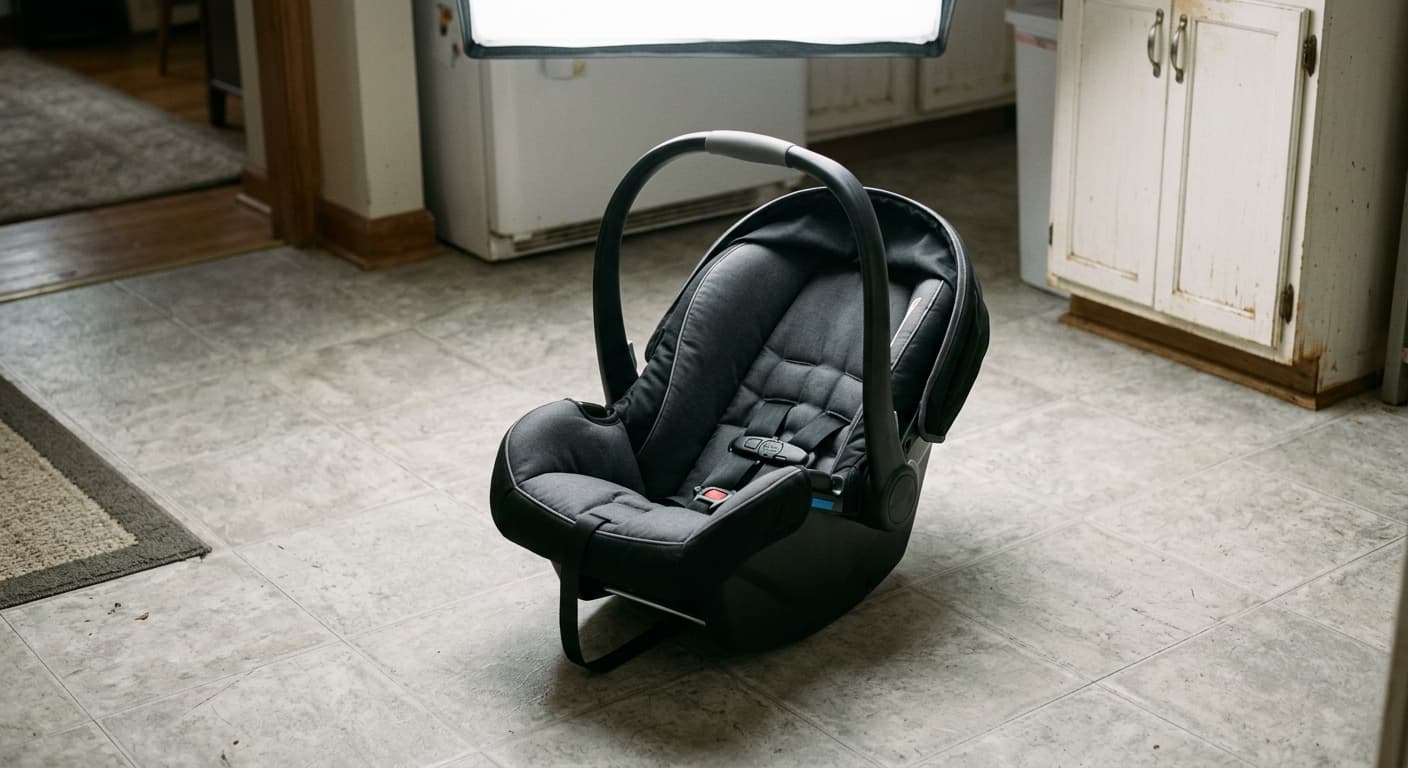
Illinois law requires all children under age 8 to ride in an approved child restraint under 625 ILCS 25. Children under 2 must ride rear-facing unless they exceed the seat manufacturer's limits. Booster seats apply from roughly age 4 until age 8 or until the child reaches 4 feet 9 inches.
Overview of Illinois Car Seat Laws
Illinois takes child passenger safety seriously. The Child Passenger Protection Act (625 ILCS 25) requires every child under the age of 8 to be properly secured in a child restraint system that meets federal motor vehicle safety standards. The law applies to all passenger vehicles, including taxis and rideshare services like Uber and Lyft.
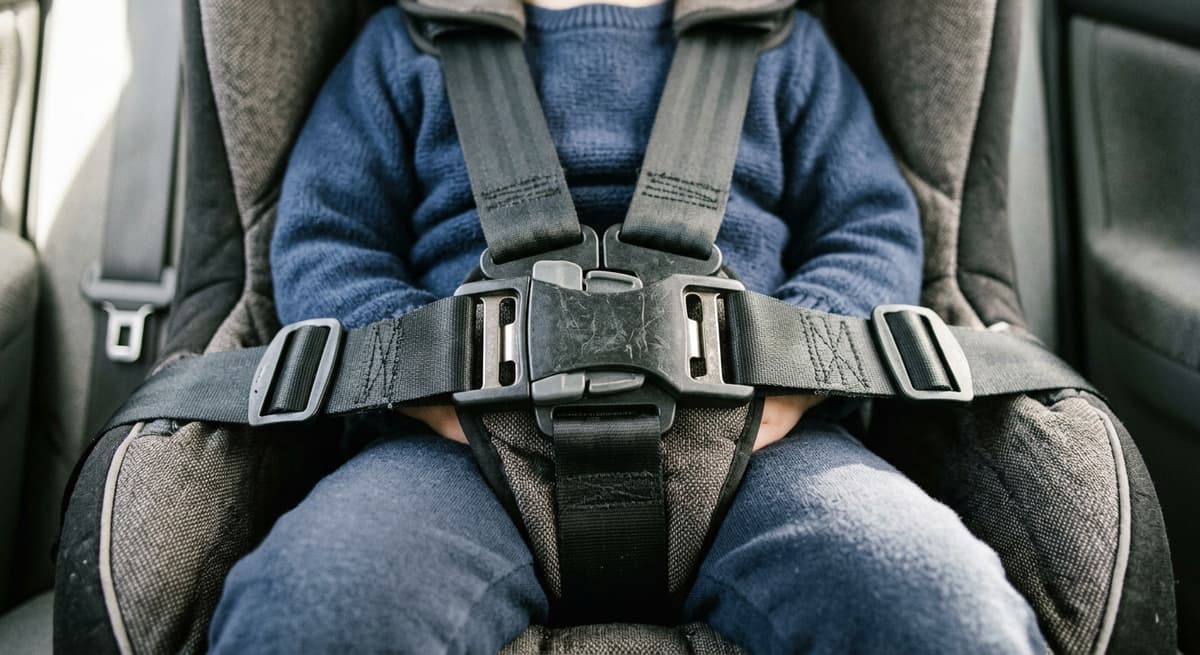
The Illinois Department of Transportation (IDOT) and the Illinois State Police both enforce these rules. Parents and caregivers who do not comply face fines and penalties. Understanding each stage of car seat requirements helps keep children safe and helps drivers avoid citations.
Rear-Facing Car Seat Requirements in Illinois
Under the Child Passenger Protection Act, children under the age of 2 must ride in a rear-facing car seat. This requirement stays in effect unless the child exceeds the height or weight limit set by the car seat manufacturer. The American Academy of Pediatrics (AAP) recommends keeping children rear-facing as long as possible, ideally until they outgrow the maximum limits of their convertible car seat.
Why Rear-Facing Matters
Rear-facing seats protect a young child's head, neck, and spine during a crash. Because infants and toddlers have proportionally large heads and undeveloped neck muscles, a rear-facing seat distributes crash forces across the entire back of the child's body. The National Highway Traffic Safety Administration (NHTSA) states that rear-facing seats reduce the risk of fatal injury by 71% for infants and 54% for toddlers ages 1 to 4.
Rear-Facing Seat Types
There are two main types of rear-facing seats used in Illinois:
- Infant-only seats are designed for newborns and smaller babies. They typically support children from 4 to 35 pounds. Most babies outgrow these seats before their first birthday.
- Convertible seats can face both rearward and forward. Many convertible seats support rear-facing use up to 40 or even 50 pounds, allowing children to remain rear-facing well past age 2.
Always install rear-facing seats in the back seat of the vehicle. Never place a rear-facing seat in front of an active airbag. The Illinois Secretary of State's office recommends following the manufacturer's instructions for harness adjustments and recline angle.
Forward-Facing Car Seat Requirements in Illinois
Illinois law does not specify a separate statute for forward-facing seats. However, the Child Passenger Protection Act requires all children under 8 to use an appropriate child restraint system. Based on the rear-facing requirement ending at age 2 (or when the child exceeds the seat's limits), children typically transition to a forward-facing seat with a five-point harness between ages 2 and 4.
When to Switch to Forward-Facing
A child should move to a forward-facing seat only after outgrowing the rear-facing seat's maximum height or weight limit. According to IDOT, children should ride in a forward-facing seat with a harness until they reach the seat manufacturer's upper weight or height limit. Most forward-facing seats with harnesses support children up to 65 pounds.
Proper Installation Tips
Forward-facing seats should be installed in the back seat of the vehicle. Use either the LATCH system or the vehicle's seat belt to secure the seat, plus the top tether strap. The harness straps should sit at or above the child's shoulders and fit snugly so you cannot pinch any excess webbing at the shoulder.
Booster Seat Requirements in Illinois
Illinois law requires children to remain in an appropriate child restraint until age 8. For children who have outgrown their forward-facing harness seat, a belt-positioning booster seat is the next step. NHTSA recommends booster seats for children ages 4 through 12, depending on the child's size.
How Booster Seats Work
A booster seat raises the child so the vehicle's lap and shoulder belt fits correctly across the child's body. The lap belt should rest low across the upper thighs (not the stomach), and the shoulder belt should cross the center of the chest and shoulder (not the neck or face).
Types of Booster Seats
| Booster Type | Best For | Head Support |
|---|---|---|
| High-back booster | Vehicles without headrests in the rear seat | Built-in head and neck support |
| Backless booster | Vehicles with adjustable headrests in the rear seat | Relies on vehicle headrest |
Children should remain in a booster seat until the vehicle's seat belt fits properly without the booster. This typically happens when the child reaches about 4 feet 9 inches tall, which often occurs between ages 8 and 12.
Seat Belt Requirements for Children in Illinois
Once a child turns 8, Illinois law allows the child to use the vehicle's seat belt without a booster. However, the seat belt must fit properly. A seat belt fits correctly when:
- The lap belt sits low and snug across the upper thighs
- The shoulder belt crosses the chest and rests on the shoulder (not the neck)
- The child can sit all the way back against the vehicle seat with knees bent at the seat edge
If the seat belt does not fit these criteria, the child should continue using a booster seat regardless of age. The Illinois State Police recommend keeping children in the back seat until at least age 13 for maximum safety.
Illinois Car Seat Requirements Summary Table
| Stage | Age/Size Guideline | Seat Type | Key Details |
|---|---|---|---|
| Rear-facing | Birth to age 2 (minimum) | Infant or convertible seat | Must ride rear-facing; keep rear-facing as long as possible |
| Forward-facing | Age 2 to about age 5 | Forward-facing with harness | Use until child exceeds manufacturer weight/height limit |
| Booster seat | About age 4-5 to age 8+ | Belt-positioning booster | Required by law until age 8; recommended until 4'9" |
| Seat belt | Age 8+ and 4'9"+ | Vehicle seat belt | Must fit properly; back seat recommended until age 13 |
Penalties for Car Seat Violations in Illinois
Violating the Child Passenger Protection Act carries real consequences under 625 ILCS 25/6:
- First offense: A petty offense with a fine of $75
- Second or subsequent offense: A petty offense with a fine of $200
A driver charged with a first violation of Section 4 may avoid conviction by showing the court proof of owning an approved child restraint system and proof of completing a car seat installation course.
Car seat violations in Illinois are not considered moving violations and do not add points to a driver's license. However, the financial penalties and, more importantly, the safety risks make compliance essential.
Exemptions to Illinois Car Seat Laws
Illinois law provides limited exemptions:
- Medical exemptions: A child with a medical condition that prevents the use of a standard child restraint may be exempt if a physician provides written documentation.
- No taxi or rideshare exemption: Unlike many states, Illinois does not exempt taxis, Uber, Lyft, or other for-hire vehicles. All children under 8 must be in an appropriate car seat in these vehicles.
If your vehicle only has lap belts in the back seat, a child weighing at least 40 pounds may ride with only the lap belt. However, a lap-shoulder belt is always preferred.
Leaving a Child Unattended in a Vehicle in Illinois
Under Illinois law, it is illegal to leave a child under 14 years old unattended in a motor vehicle for more than 10 minutes. The child must be supervised by someone at least 14 years old. Violations can result in a Class A misdemeanor charge. On hot days, interior vehicle temperatures can rise dangerously fast, making this law critical for child safety.
Car Seat Inspection Stations in Illinois
IDOT and local fire departments operate car seat inspection stations across the state. Certified Child Passenger Safety Technicians can check your seat installation at no cost. You can find a station near you through the NHTSA car seat inspection locator or by calling the Illinois Toll-Free Safety Hotline.
Getting your car seat inspected is one of the most effective ways to protect your child. Studies show that a large percentage of car seats are installed incorrectly, and a quick check by a trained technician can correct common mistakes.
Recent Updates to Illinois Car Seat Laws
Illinois updated its child passenger safety law in 2019 to require children under 2 to ride rear-facing. Before that change, the law only required children under 8 to use an appropriate child restraint without specifying the rear-facing requirement for younger children. No additional legislative changes have taken effect through 2026.
Parents should always check the IDOT child passenger safety page for the latest updates and resources.
More Illinois Laws
Frequently Asked Questions
At what age can a child stop using a car seat in Illinois?
Illinois law requires children to use a child restraint system until age 8. After age 8, children may use the vehicle seat belt. However, safety experts recommend continuing with a booster seat until the child is at least 4 feet 9 inches tall and the seat belt fits properly.
Do you need a car seat in an Uber or Lyft in Illinois?
Yes. Illinois does not exempt taxis, Uber, Lyft, or other rideshare and for-hire vehicles from car seat requirements. All children under 8 must ride in an approved child restraint system in any passenger vehicle.
What is the fine for not having a car seat in Illinois?
A first violation of the Child Passenger Protection Act carries a $75 fine. A second or subsequent violation results in a $200 fine. A first-time offender may avoid conviction by showing proof of an approved car seat and completion of an installation course.
When can a child sit in the front seat in Illinois?
Illinois law allows children 8 and older to sit in the front seat with a seat belt. However, the NHTSA and the Illinois State Police recommend children ride in the back seat until age 13 because front airbags can injure smaller passengers.
How long must a child ride rear-facing in Illinois?
Illinois requires children to ride rear-facing until at least age 2. The AAP recommends keeping children rear-facing beyond age 2 until they exceed the car seat manufacturer's height or weight limit, which can be up to age 4 with some convertible seats.
Updates
Independently fact-checked against the cited primary sources; governing law re-checked for recent changes
Reviewed and approved by an editor
The Law Behind This Article
This article rests on the statutory provisions below, held in our own legal record and retrieved from the official source. Tap a section to read the operative text.
Illinois Compiled Statutes Chapter 625, Act 25 (Child Passenger Protection Act)
§ 4When any person is transporting a child in this State under the age of 8 years in a non-commercial motor vehicle of the first division, any truck or truck tractor that is equipped with seat safety belts, any other motor vehicle of the second division with a gross vehicle weight rating of 9,000 pounds or less, or a recreational vehicle on the roadways, streets or highways of this State, such person shall be responsible for providing for the protection of such child by properly securing him or her in an appropriate child restraint systemIn force
The parent or legal guardian of a child under the age of 8 years shall provide a child restraint system to any person who transports his or her child. When any person is transporting a child in this State who is under the age of 2 years in a motor vehicle of the first division or motor vehicle of the second division weighing 9,000 pounds or less, he or she shall be responsible for properly securing the child in a rear-facing child restraint system, unless the child weighs 40 or more pounds or is 40 or more inches tall. For purposes of this Section and Section 4b, "child restraint system" means any device which meets the standards of the United States Department of Transportation designed to restrain, seat or position children, which also includes a booster seat. A child weighing more than 40 pounds may be transported in the back seat of a motor vehicle while wearing only a lap belt if the back seat of the motor vehicle is not equipped with a combination lap and shoulder belt.
Official text (excerpt) · last checked 2026-09-10 · Read the full text in our law library · Verify at ilga.gov
Search our full record of US law — 2.1 million sections, every state + federal →
Sources and References
- Illinois Child Passenger Protection Act (625 ILCS 25)(ilga.gov).gov
- IDOT Child Passenger Safety(idot.illinois.gov).gov
- Illinois State Police - Child Safety Seats and Seat Belts(isp.illinois.gov).gov
- NHTSA Car Seats and Booster Seats(nhtsa.gov).gov
- Safe Kids Worldwide - Illinois Child Safety Laws(safekids.org)