South Carolina Dog Bite Laws: Liability and Victim Rights

Overview of South Carolina Dog Bite Laws
South Carolina is a strict liability state when it comes to dog bite injuries. Under S.C. Code Section 47-3-110, a dog owner is legally responsible for injuries their dog causes, regardless of whether the owner knew the dog was dangerous or had ever bitten anyone before.

This means South Carolina does not follow the "one-bite rule" that some other states use. Victims do not need to prove the dog had a history of aggression. They only need to establish three facts: (1) the defendant owned the dog or had the dog in their care, (2) the dog bit or attacked the victim, and (3) the victim was in a public place or lawfully on private property at the time of the attack.
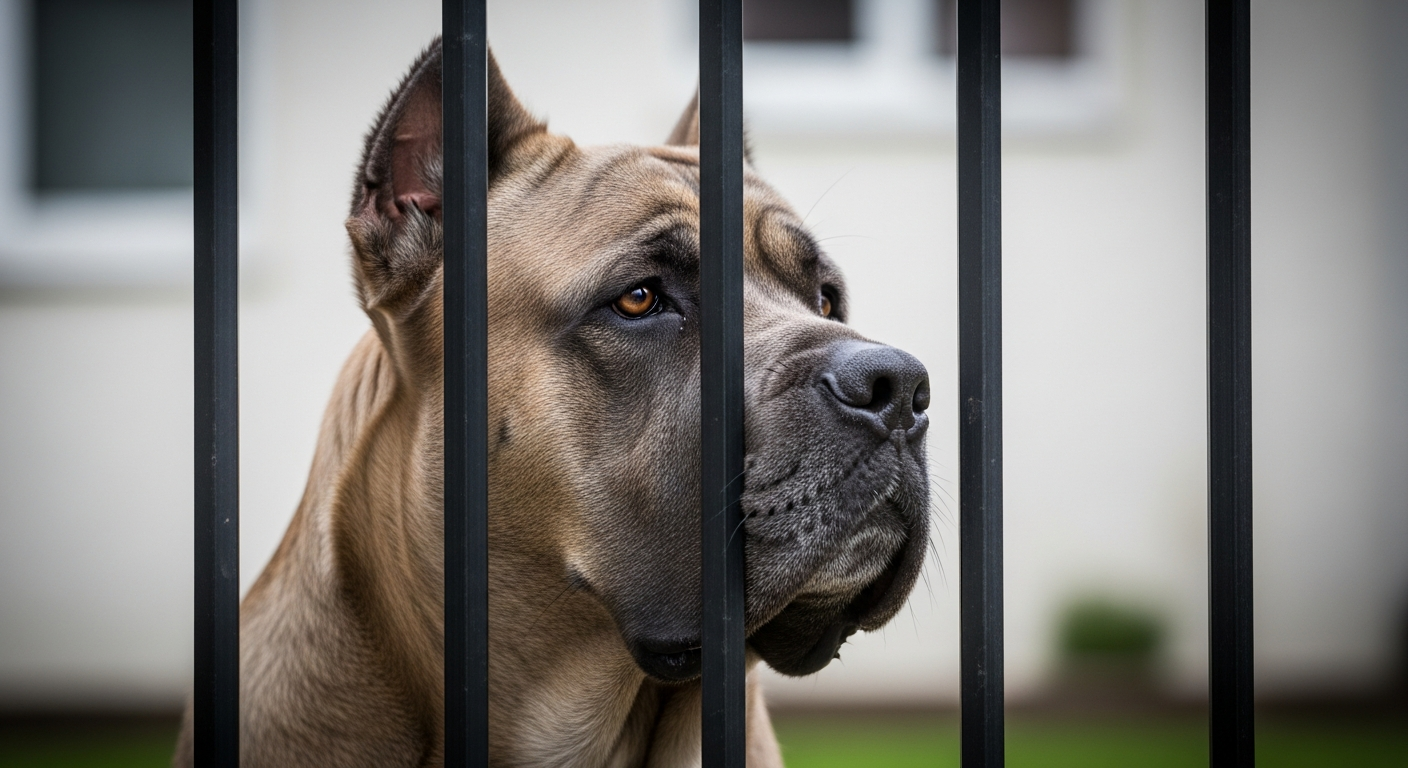
The statute covers more than just bites. Any injury caused by a dog falls under this law, including injuries from a dog knocking someone down, jumping on them, or chasing them into traffic.
Strict Liability Under S.C. Code 47-3-110
The full text of S.C. Code 47-3-110 establishes that when a person is bitten or otherwise attacked by a dog while in a public place or lawfully on private property (including the property of the dog owner), the owner or person having the dog in their care or keeping is liable for damages the victim suffers.
What Victims Must Prove
Because South Carolina applies strict liability, the burden of proof for victims is lower than in negligence-based states. A victim must show:
- The defendant owned the dog or had the dog in their care or keeping
- The dog bit or otherwise attacked the victim
- The victim was in a public place or lawfully on private property when the attack occurred
- The victim suffered damages as a result
The victim does not need to prove:
- The owner knew the dog was aggressive or had bitten before
- The owner was negligent in controlling the dog
- The dog had any prior history of dangerous behavior
Who Can Be Held Liable
Liability extends beyond just the dog's legal owner. Under the statute, any person "having the dog in his care or keeping" can be held responsible. This includes dog sitters, kennel operators, and anyone who has accepted responsibility for the care of the dog at the time of the attack.
Legal Defenses Available to Dog Owners
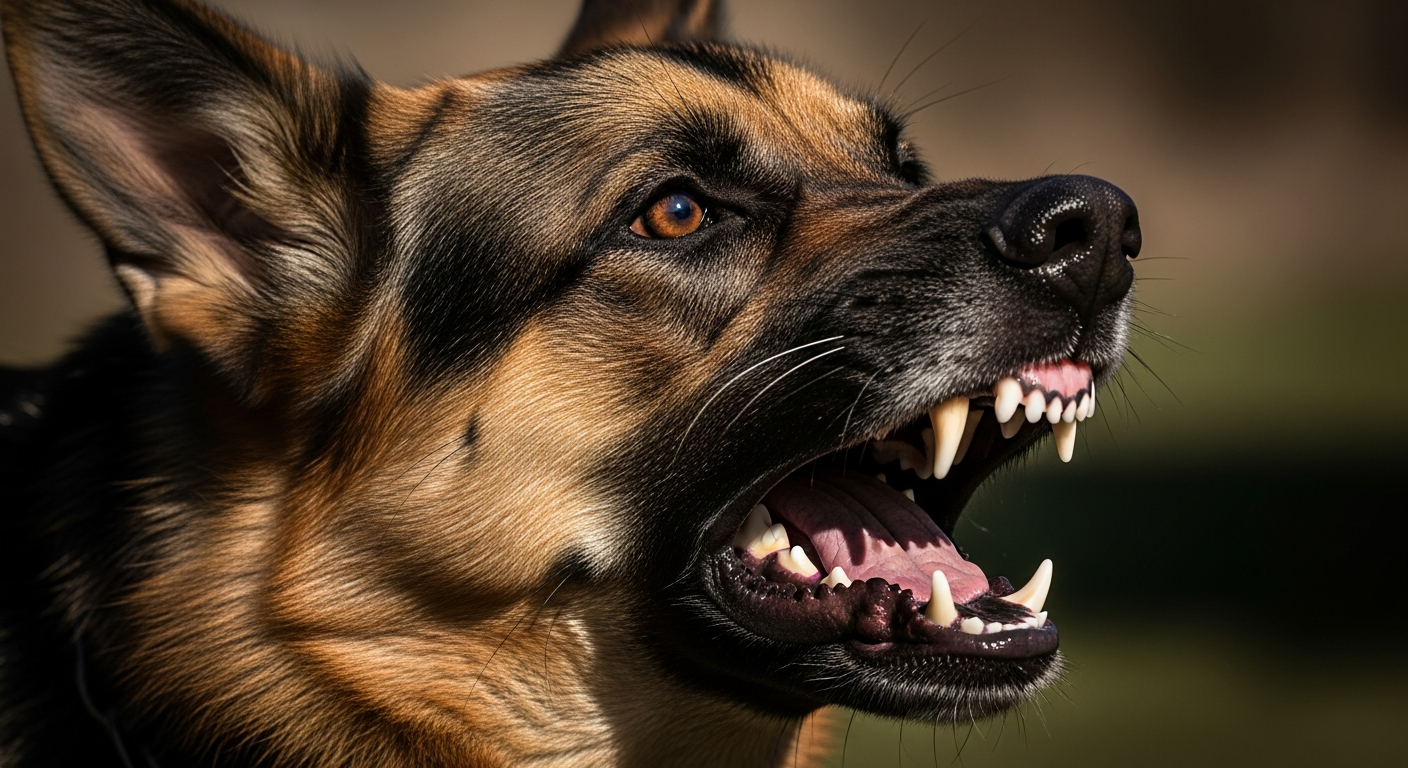
Even under South Carolina's strict liability framework, dog owners have several potential defenses that can reduce or eliminate their liability.
Provocation
Under S.C. Code 47-3-110, if the victim provoked or harassed the dog and that provocation was the proximate cause of the attack, the owner is not liable. Provocation includes teasing, tormenting, hitting, or otherwise agitating the dog. The provocation must be significant enough to cause an otherwise calm dog to bite.
Trespassing
The strict liability statute only applies when the victim was in a public place or lawfully on private property. If the victim was trespassing on private property at the time of the attack, the owner generally cannot be held strictly liable under this statute. However, the trespassing defense may be limited when children are involved, as courts sometimes apply the "attractive nuisance" doctrine.
Comparative Negligence
South Carolina follows a modified comparative negligence rule with a 51% bar. If the victim was partially at fault for the incident, their compensation is reduced by their percentage of fault. If the victim is found to be 51% or more at fault, they are barred from recovering any damages at all.
For example, if a victim ignored clearly posted warning signs and approached a chained dog, a jury might find the victim 30% at fault. In that case, the victim's total damages would be reduced by 30%.
Law Enforcement Dog Exception
The statute does not apply to trained law enforcement dogs acting in the performance of their official duties, provided certain conditions are met. This exception protects officers and agencies when police dogs injure suspects or bystanders during lawful operations.
Damages Available to Dog Bite Victims
Dog bite victims in South Carolina can pursue both economic and non-economic damages.

Economic Damages
| Damage Type | Examples |
|---|---|
| Medical expenses | Emergency care, surgery, stitches, antibiotics, rehabilitation |
| Future medical costs | Plastic surgery, ongoing therapy, scar treatment |
| Lost wages | Time missed from work during recovery |
| Lost earning capacity | Reduced ability to work due to permanent injury |
| Property damage | Torn clothing, broken personal items |
Non-Economic Damages
| Damage Type | Description |
|---|---|
| Pain and suffering | Physical pain from the bite and recovery process |
| Emotional distress | Anxiety, PTSD, fear of dogs following the attack |
| Scarring and disfigurement | Permanent visible scars from bite wounds |
| Loss of enjoyment of life | Inability to participate in activities due to injuries or fear |
South Carolina does not impose a statutory cap on compensatory damages in dog bite cases, so the total recovery depends on the severity of the injuries and their impact on the victim's life.
Statute of Limitations for Dog Bite Claims
Under S.C. Code 15-3-530, the statute of limitations for personal injury claims in South Carolina is three years from the date the injury occurred. This deadline applies to dog bite lawsuits.
Key points about the filing deadline:
- The three-year clock starts on the date of the bite or attack
- For minors, the statute of limitations is tolled (paused) until the child reaches the age of majority (18 years old), and the three-year period begins at that point
- Claims against government entities may have shorter notice requirements, sometimes as short as two years
- Filing after the deadline almost always results in the court dismissing the case
Victims should consult with an attorney well before the deadline to preserve their right to file a claim.
Dangerous Animal Laws in South Carolina
South Carolina has a separate set of laws governing animals officially designated as "dangerous," found in S.C. Code 47-3-710 through 47-3-760.
Definition of a Dangerous Animal
Under S.C. Code 47-3-710, a "dangerous animal" is a dog or cat that meets any of the following criteria:
- The owner knows or reasonably should know the animal has a propensity to attack unprovoked, cause injury, or endanger the safety of people or domestic animals
- The animal made an unprovoked attack causing bodily injury to a person outside its confined area
- The animal committed unprovoked acts outside its confined area that cause a reasonable person to believe the animal will attack and cause bodily injury
- The animal is owned or harbored primarily for the purpose of fighting, or is trained for fighting
Importantly, an animal cannot be classified as dangerous solely based on its breed or species. South Carolina's dangerous animal statute is behavior-based, not breed-based.
Confinement Requirements
Under S.C. Code 47-3-720, owners of dangerous animals must keep them securely confined when on the owner's premises. A dangerous animal is considered "unconfined" if it is not:
- Securely confined indoors, or
- Kept in a securely enclosed and locked pen or run area
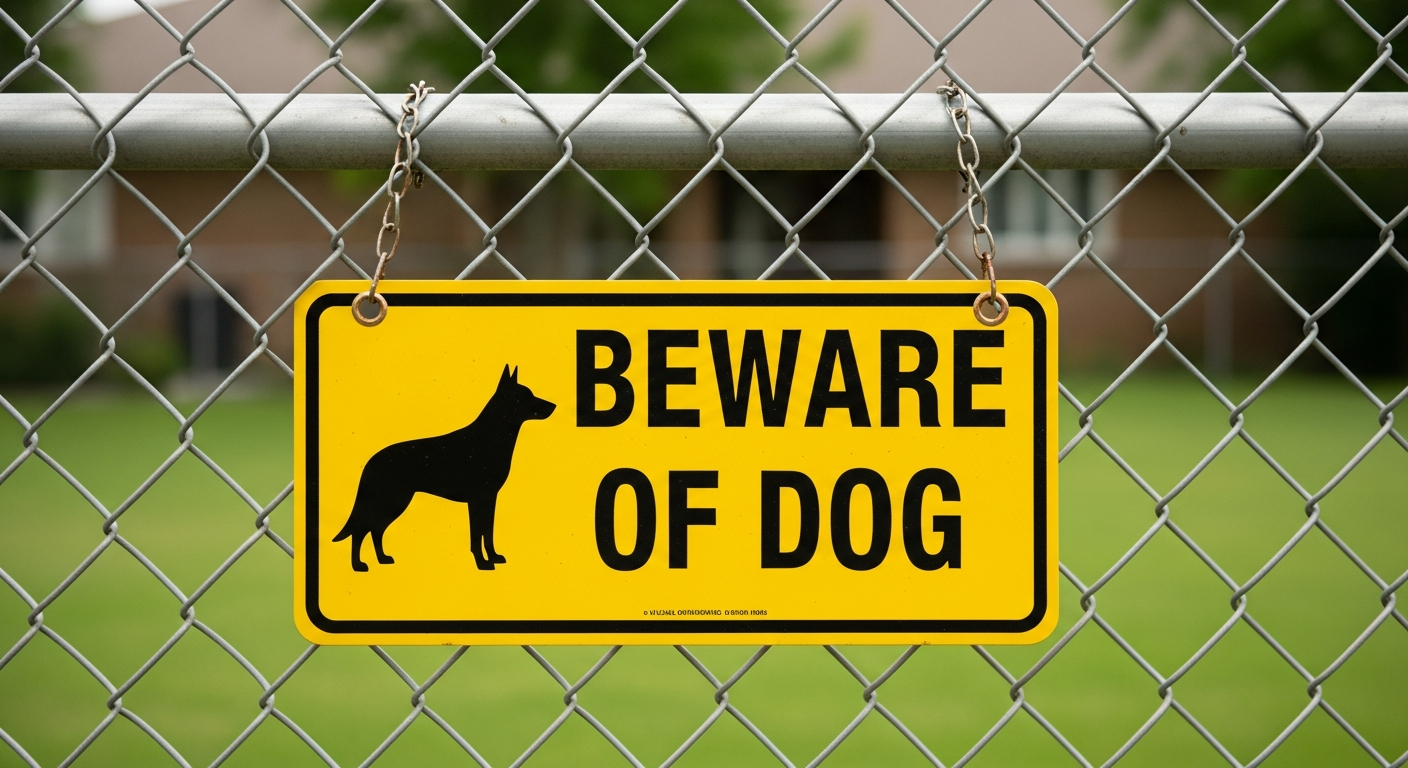
The pen or run area must be clearly marked as containing a dangerous animal. It must be designed to prevent entry by the general public (including children) and to prevent the animal from escaping.
When off the owner's premises, a dangerous animal must be securely restrained under S.C. Code 47-3-730.
Registration and Insurance Requirements
Under S.C. Code 47-3-760, owners of dangerous animals must:
- Register the animal with local law enforcement
- Provide proof of liability insurance or a surety bond of at least $50,000 to cover personal injuries the animal may cause
Criminal Penalties for Dangerous Animal Violations
The penalties for dangerous animal violations vary based on the severity of the offense:
| Offense | Classification | Maximum Fine | Maximum Imprisonment |
|---|---|---|---|
| Violating confinement or restraint rules (first offense) | Misdemeanor | $200 | 30 days |
| Violating confinement or restraint rules (subsequent offense) | Misdemeanor | $1,000 | N/A |
| Dangerous animal attacks and injures a person (first offense) | Misdemeanor | $5,000 | 3 years |
| Dangerous animal attacks and injures a person (second or subsequent offense) | Felony | $10,000 | 5 years |
Dog Owner Responsibilities Under South Carolina Law
Beyond the strict liability and dangerous animal statutes, South Carolina dog owners must comply with several additional legal obligations.
Running at Large Laws
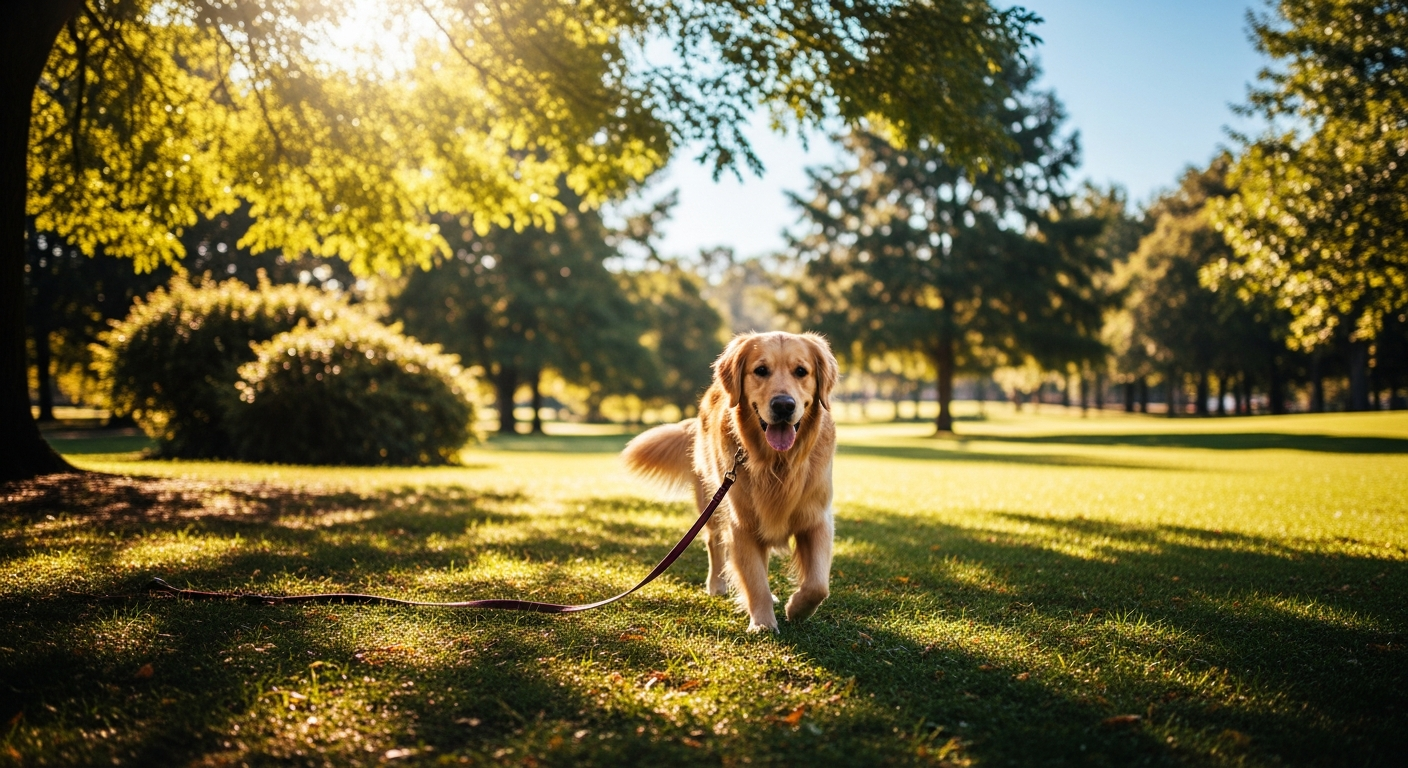
Under S.C. Code 47-3-20, counties and municipalities have the authority to enact ordinances for the care and control of dogs. A dog is considered "running at large" if it is off the owner's premises and not under the owner's physical control by means of a leash or similar restraining device. Many South Carolina cities and counties have adopted local leash laws that carry fines for violations.
Rabies Vaccination Requirements
Under S.C. Code 47-5-60, all dog, cat, and ferret owners in South Carolina must have their pets vaccinated against rabies. Key requirements include:
- Vaccinations must be administered by a licensed veterinarian or someone under a licensed veterinarian's direct supervision
- The veterinarian must issue a signed certificate of inoculation
- A serially numbered metal license tag must be attached to the pet's collar or harness at all times
- The state promotes annual low-cost rabies clinics where the fee cannot exceed $10
Quarantine After a Bite
Under S.C. Code 47-5-100, when a dog bites or attacks a person, the county health department must order the animal to be quarantined for at least 10 days at the owner's expense. During this quarantine period, a licensed veterinarian or rabies control officer may examine the animal daily to check for symptoms of rabies.
Landlord Liability for Dog Bites
Landlords in South Carolina can be held liable for tenant dog bite injuries under certain circumstances. The South Carolina Supreme Court addressed this issue in Clea v. Odom, 714 S.E.2d 542 (S.C. 2011).
A landlord may face liability when:
- The landlord knew or should have known the tenant's dog was dangerous
- The landlord had the authority to require removal of the dog
- The landlord failed to take action to protect others
- The dog attack occurred in a common area of a multi-unit property where the landlord exercises control
In the Clea v. Odom case, the court found that a landlord who allowed a tenant's dog to remain in a common area of an apartment complex after knowing the dog had previously attacked a child could be held liable when the dog attacked another child. The court reasoned that by allowing the dog to continuously occupy the common area, the landlord may have exercised sufficient control over the dog to qualify as a person "having the dog in their care or keeping" under the statute.
Breed-Specific Legislation in South Carolina
South Carolina's state-level dangerous animal law explicitly provides that an animal cannot be classified as dangerous based solely on its breed or species. This means the state does not have a statewide breed ban.
However, individual municipalities in South Carolina retain the authority to enact their own animal control ordinances under S.C. Code 47-3-20. Some local jurisdictions have adopted breed-specific restrictions that may target certain breeds such as pit bulls. These local ordinances vary widely, so dog owners should check the specific rules in their city or county.
The national trend has been moving away from breed-specific legislation in favor of behavior-based approaches, and South Carolina's state law reflects that trend by focusing on the individual animal's actions rather than its breed.
Steps to Take After a Dog Bite in South Carolina
If a dog bites you or a family member in South Carolina, taking prompt action protects both your health and your legal rights.
- Seek immediate medical attention. Dog bites can cause infection, nerve damage, and scarring. Keep all medical records and receipts.
- Report the bite to animal control. Contact your local animal control agency or law enforcement. South Carolina law requires a 10-day quarantine of the biting animal.
- Document everything. Photograph your injuries, the location of the attack, and the dog if possible. Take photos at multiple stages of healing.
- Identify the dog and its owner. Get the owner's name, address, phone number, and homeowner's insurance information.
- Collect witness information. Get names and contact details of anyone who saw the attack.
- Preserve physical evidence. Keep torn or bloodied clothing in a sealed bag.
- Avoid giving recorded statements. Do not provide statements to the dog owner's insurance company without consulting an attorney first.
- Consult a personal injury attorney. Many dog bite attorneys offer free consultations. The three-year statute of limitations provides time, but evidence and witness memories fade, so acting promptly is important.
South Carolina Dog Bite Statistics and Context
Dog bites remain a significant public health concern across the United States. According to the Centers for Disease Control and Prevention, approximately 4.5 million dog bites occur in the United States each year, with about 800,000 requiring medical attention. Children between ages 5 and 9 are the most commonly bitten age group.
In South Carolina, homeowner's insurance claims for dog-related injuries follow national trends. The Insurance Information Institute reports that dog bite claims accounted for more than one-third of all homeowner's insurance liability claims paid out nationally, with the average cost per claim exceeding $50,000.
These statistics underscore why South Carolina maintains strict liability for dog bite injuries and requires dangerous animal owners to carry at least $50,000 in liability insurance.
More South Carolina Laws
Sources and References
- S.C. Code Title 47, Chapter 3 - Dogs and Other Domestic Pets(scstatehouse.gov).gov
- S.C. Code Title 15, Chapter 3 - Limitation of Civil Actions (Section 15-3-530)(scstatehouse.gov).gov
- S.C. Code Title 47, Chapter 5 - Rabies Control (Sections 47-5-60 and 47-5-100)(scstatehouse.gov).gov
- South Carolina Department of Public Health - Rabies Laws and Regulations(dph.sc.gov).gov
- Centers for Disease Control and Prevention - Dog Bite Prevention(cdc.gov).gov
- Insurance Information Institute - Dog Bite Liability Claims Statistics(iii.org)