New Mexico Dog Bite Laws: Liability and Victim Rights

How New Mexico Handles Dog Bite Liability
New Mexico does not have a specific dog bite statute that imposes automatic liability on dog owners. Instead, the state relies on two common law theories to determine when a dog owner must pay for injuries their animal causes: the scienter (one-bite) rule and general negligence.
This dual-track system means that victims have more than one path to recover compensation. Understanding each theory and how they work together is critical for anyone bitten by a dog in New Mexico.
The One-Bite Rule (Scienter)
The primary basis for dog bite liability in New Mexico is the scienter cause of action. "Scienter" is a Latin term meaning "knowledge." Under this rule, a dog owner is liable for bite injuries if the owner knew, or should have known, that the dog was vicious or had a tendency to be vicious.

New Mexico's Uniform Jury Instruction (UJI 13-506) codifies this standard. It states that an owner of a dog is liable for damages proximately caused by the dog if the owner knew, or should have known, of the dog's vicious tendencies or natural inclination to be vicious.
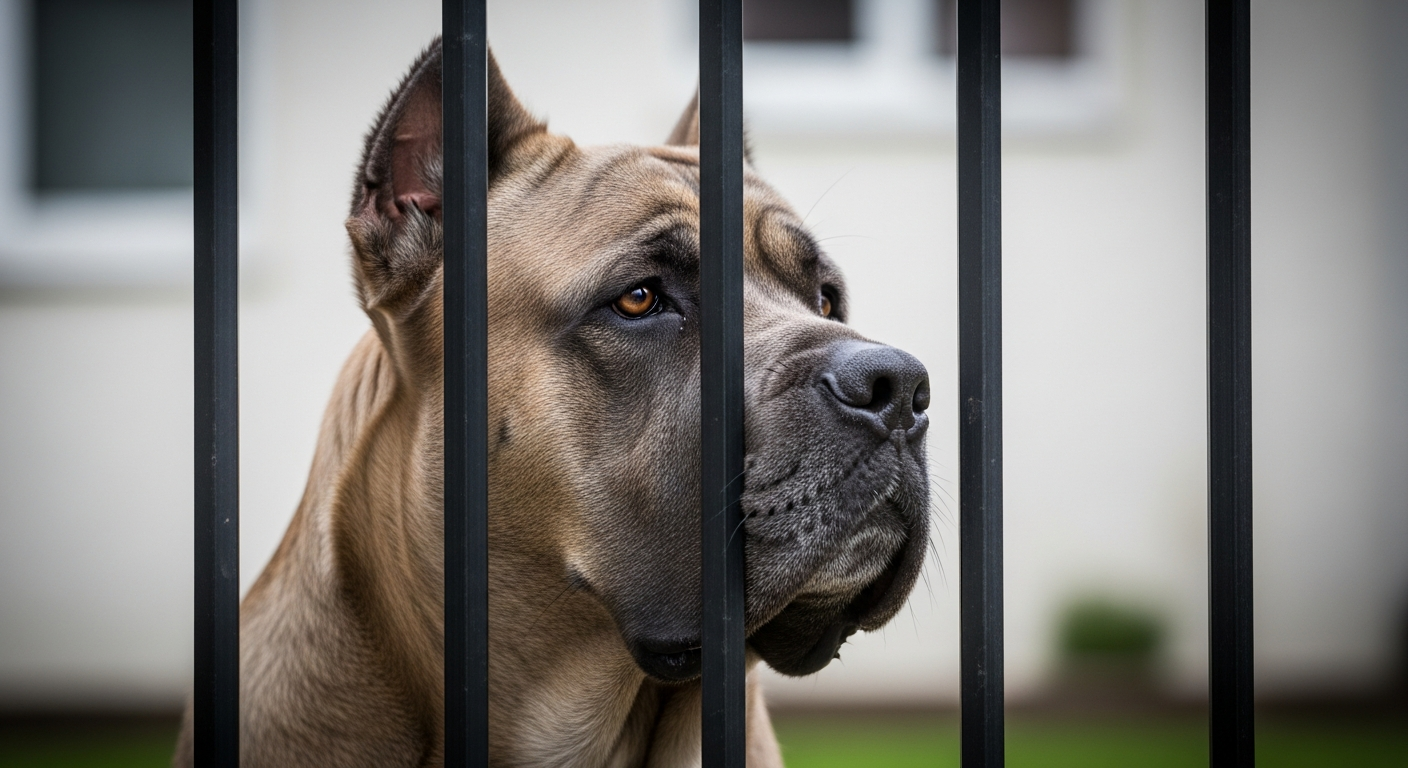
What Counts as Prior Knowledge
A victim does not need to prove the dog previously bit someone. Evidence that the owner knew of dangerous tendencies can include:
- Previous lunging, snapping, or aggressive behavior toward people or animals
- Complaints from neighbors or visitors about the dog's behavior
- The owner keeping the dog restrained with heavy chains or behind special fencing
- Warning signs posted on the property about the dog
- Prior reports to animal control about the dog
Once prior knowledge is established, the owner faces strict liability for the resulting injuries. The victim does not need to prove the owner was careless in addition to having knowledge.
Negligence as an Alternative Claim
Even when a dog owner had no knowledge of their dog's dangerous propensities, a victim can still recover damages through a negligence claim. Under this theory, a dog owner is liable if they failed to use reasonable care to prevent a foreseeable bite.
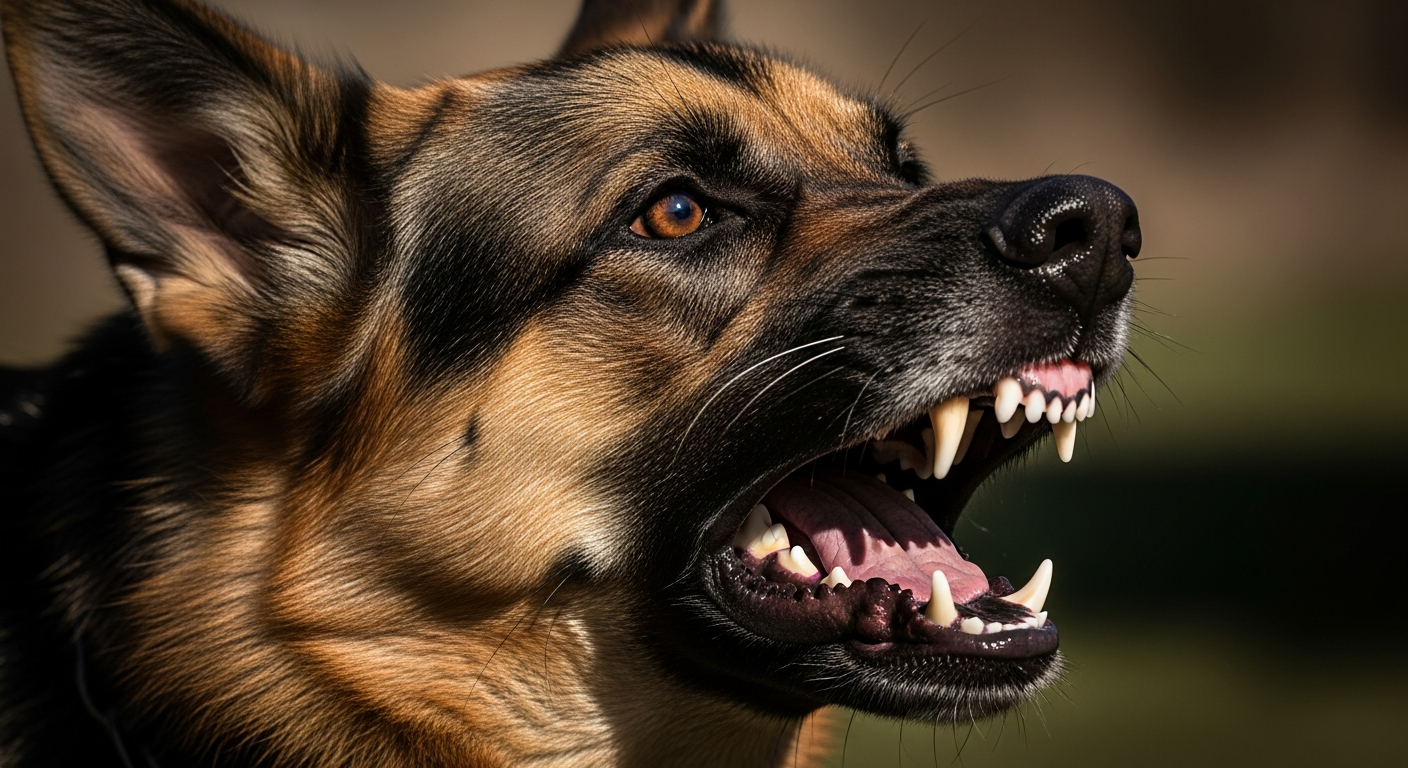
Examples of negligence that can support a claim include:
- Allowing a dog to roam without a leash in violation of a local ordinance
- Failing to secure a gate or fence that the dog escaped through
- Leaving a dog unattended in a public area
- Allowing children to interact with an unfamiliar dog without supervision
- Failing to follow veterinary recommendations about managing an anxious or reactive dog
This is an important distinction from the scienter claim. A negligence claim focuses on the owner's behavior rather than the dog's history.
Note: Governmental entities in New Mexico cannot be held liable under the scienter theory but can be held liable under negligence. This matters when a government-owned dog or a dog on government property causes injury.
The Dangerous Dog Act (NMSA 77-1A)
New Mexico's Dangerous Dog Act, found at NMSA 77-1A-1 through 77-1A-6, creates a regulatory framework for dogs that have already shown dangerous behavior. The Act establishes two categories of dogs with escalating requirements.

Potentially Dangerous Dogs
Under NMSA 77-1A-2, a "potentially dangerous dog" is one that may reasonably be assumed to pose a threat to public safety based on specific behaviors, including:
- Causing an injury to a person or domestic animal that is less severe than a serious injury
- Chasing or menacing a person or domestic animal in an aggressive manner without provocation
Owners of potentially dangerous dogs must obtain a certificate of registration from their local animal control authority. Registration requirements include paying an annual fee, microchipping the dog, and enrolling the dog in an approved socialization and behavior program.
Dangerous Dogs
A "dangerous dog" under the Act is one that has caused serious injury to a person or domestic animal. Owners of dangerous dogs face stricter requirements:
| Requirement | Details |
|---|---|
| Registration | Must obtain and maintain a valid certificate of registration |
| Confinement | Dog must be kept exclusively on owner's property |
| Transport | Must be caged or muzzled with a lead no longer than four feet when off property |
| Property permission | Must have written permission from the property owner to keep the dog |
| Annual fee | Must pay an annual registration fee |
Criminal Penalties Under the Dangerous Dog Act
NMSA 77-1A-6 establishes criminal penalties for violations:
| Violation | Penalty |
|---|---|
| Keeping a dangerous or potentially dangerous dog without valid registration | Misdemeanor (first offense); fourth-degree felony (second or subsequent) |
| Dangerous dog causes serious injury or death to a domestic animal | Fourth-degree felony |
| Dangerous dog causes serious injury to a human | Third-degree felony |
| Dangerous dog causes death of a human | Third-degree felony resulting in death |
Prosecution requires proving that the owner knew of the dog's propensity to inflict serious injury or that the dog had previously been found by a court to be dangerous or potentially dangerous.
Vicious Animals Statute (NMSA 77-1-10)
Separate from the Dangerous Dog Act, NMSA 77-1-10 makes it unlawful for any person to keep any animal known to be vicious and liable to attack or injure human beings unless the animal is securely kept to prevent injury. Violations of this section are classified as misdemeanors.
This statute applies broadly to all animals, not just dogs, and provides an additional basis for both criminal charges and civil liability when an owner fails to secure a known vicious animal.
Dog Owner Responsibilities in New Mexico
New Mexico imposes several legal duties on dog owners at both the state and municipal level.
Rabies Vaccination
Under NMSA 77-1-3, every person who owns or keeps a dog over the age of three months must have the dog vaccinated against rabies. The vaccine must be administered by or under the supervision of a licensed veterinarian, who issues a numbered certificate and tag. The tag must be worn by the dog at all times when the animal is off the owner's premises.
Failure to vaccinate is a misdemeanor and may also serve as evidence of negligence in a dog bite case.
Local Leash Laws
New Mexico does not have a statewide leash law, but most municipalities enforce their own. For example, Albuquerque's HEART Ordinance requires all animals in public places to be on a leash shorter than eight feet. Violations carry fines starting at $200 for a first offense, $300 for a second, and $500 for each additional violation.
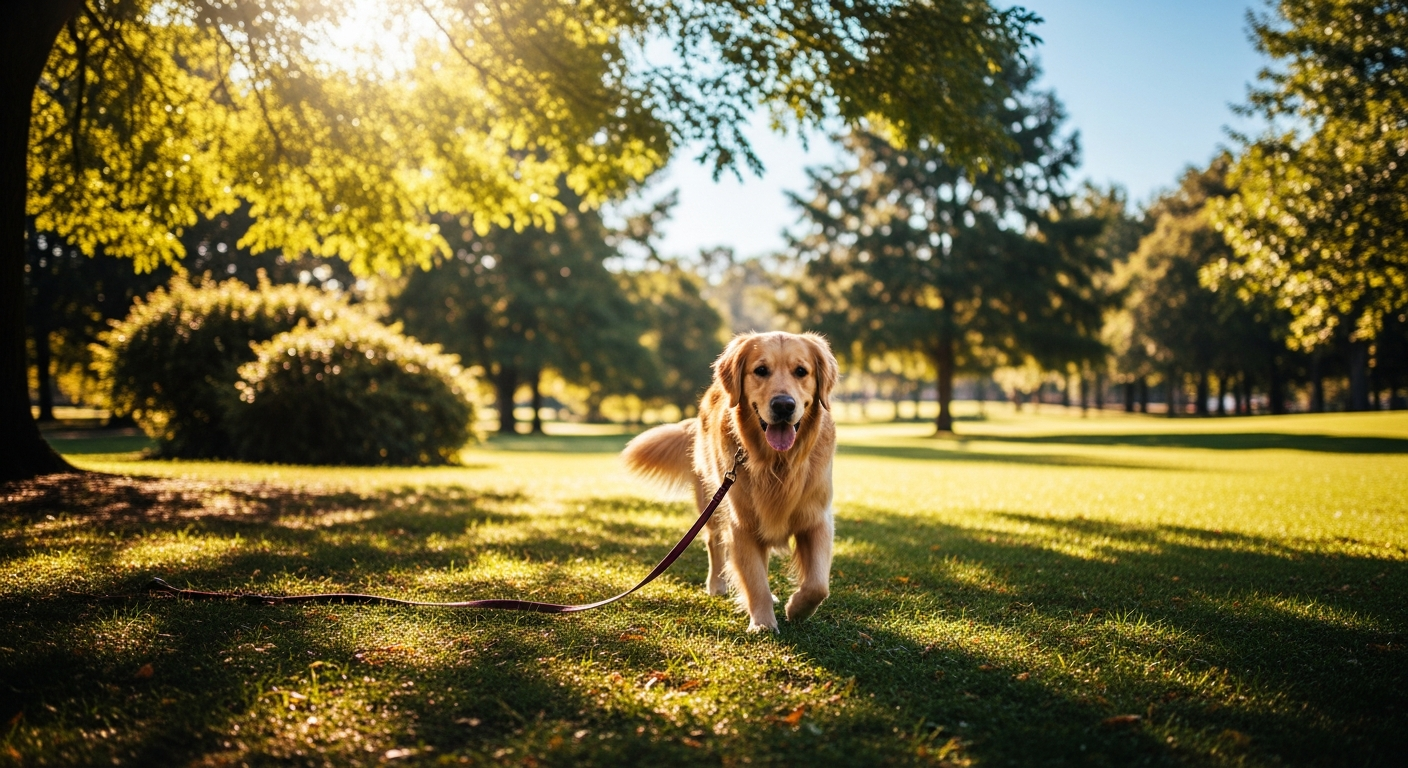
Violating a local leash law can establish negligence per se in a dog bite case, meaning the violation itself serves as proof of negligent behavior.
Pure Comparative Negligence in New Mexico
New Mexico follows a pure comparative negligence system under NMSA 41-3A-1. This means a dog bite victim can recover damages even if they were partially at fault for the incident. The victim's recovery is reduced by their percentage of fault.

For example, if a court determines that a victim was 20% responsible for provoking the dog and the total damages are $50,000, the victim would recover $40,000. Unlike modified comparative negligence states, New Mexico does not bar recovery at any fault threshold. Even a victim who is 90% at fault can still recover the remaining 10% of damages.
Defenses Available to Dog Owners
Dog owners in New Mexico can raise several defenses to reduce or eliminate liability.
Provocation
If the victim provoked the dog through teasing, hitting, tormenting, or other aggressive actions, the owner may avoid liability entirely. The provocation must be sufficient to cause a normally calm dog to bite.
Trespassing
Dog owners generally have reduced or no liability when their dog bites someone who is trespassing on private property. However, this defense may be weaker when the trespasser is a child who may not understand property boundaries.
Assumption of Risk
Professionals who work with dogs, such as veterinarians, groomers, and kennel workers, may be found to have assumed the risk of being bitten. This defense can limit or bar their recovery.
Damages Available to Dog Bite Victims
Dog bite victims in New Mexico can pursue both economic and non-economic damages.

Economic Damages
- Medical bills, including emergency care, surgery, and rehabilitation
- Future medical costs for ongoing treatment or reconstructive surgery
- Lost wages from missed work during recovery
- Loss of future earning capacity
- Property damage
Non-Economic Damages
- Pain and suffering
- Emotional distress and psychological trauma
- Scarring and disfigurement
- Loss of enjoyment of life
New Mexico does not impose a statutory cap on damages in dog bite cases. The full value of both economic and non-economic losses is available to successful claimants.
Landlord Liability for Dog Bites
In New Mexico, a landlord can be held liable for injuries caused by a tenant's dog under specific circumstances. Courts have held that a landlord must pay damages if all three conditions are met:
- The landlord knew, or should have known, that the tenant's dog was vicious
- The landlord failed to have the dog removed from the property
- The landlord retained control over the area where the attack occurred
Once a landlord transfers exclusive control of the premises to a tenant, the landlord's liability is generally limited to common areas such as hallways, stairwells, and shared yards. A landlord who knew about a dangerous dog and failed to enforce a lease provision requiring the tenant to remove the animal may face liability.
Statute of Limitations
Under NMSA 37-1-8, dog bite victims in New Mexico have three years from the date of the bite to file a personal injury lawsuit.
Important exceptions to this deadline:
- Minors: The statute of limitations is tolled (paused) until the minor turns 18, then they have one additional year to file
- Government claims: If the dog owner is a government entity, the victim has only two years to file under NMSA 41-4-15 and must provide written notice within 90 days of the incident
- Discovery rule: In rare cases where the full extent of injuries is not immediately apparent, the clock may start when the victim discovers or reasonably should have discovered the injury
Missing the filing deadline permanently bars the claim in most circumstances.
How to File a Dog Bite Claim in New Mexico
If you have been bitten by a dog in New Mexico, take these steps to protect your legal rights:
- Get medical treatment immediately. Medical records documenting your injuries become critical evidence.
- Report the bite to local animal control. This creates an official record and may trigger a dangerous dog investigation.
- File a police report. Law enforcement documentation supports both civil and criminal proceedings.
- Photograph your injuries. Take pictures of the wound at the scene, during treatment, and throughout the healing process.
- Identify witnesses. Collect contact information from anyone who saw the attack.
- Gather the dog owner's information. Record their name, address, phone number, and homeowner's insurance details.
- Preserve physical evidence. Keep torn or bloodied clothing and any other items damaged in the attack.
- Request the dog's vaccination records. This is important for determining rabies risk and can also reveal prior incidents.
Breed-Specific Legislation in New Mexico
Some New Mexico municipalities have enacted breed-specific legislation (BSL) that restricts or bans certain dog breeds. However, the trend across the state has been moving away from breed-specific bans in favor of behavior-based dangerous dog laws. Check your local ordinances for specific restrictions in your area.
The Dangerous Dog Act itself is breed-neutral and focuses on individual dog behavior rather than breed classification.
More New Mexico Laws
Sources and References
- NMSA 77-1A-6 - Dangerous Dog Act: Prohibited Acts and Penalties(law.justia.com)
- NMSA 77-1-10 - Vicious Animals; Rabid or Unvaccinated Dogs(law.justia.com)
- NMSA 77-1-3 - Vaccination of Dogs and Cats Required(law.justia.com)
- NMSA 37-1-8 - Statute of Limitations for Personal Injury(law.justia.com)
- NMSA 41-3A-1 - Several Liability (Pure Comparative Negligence)(law.justia.com)
- NMSA 77-1A-2 - Dangerous Dog Act Definitions(nmonesource.com).gov
- City of Albuquerque HEART Ordinance(cabq.gov).gov
- NMSA 41-4-15 - Statute of Limitations for Government Claims(law.justia.com)