Nevada Lemon Law: Your Complete Legal Guide
Overview of Nevada's Lemon Law
Nevada's Motor Vehicle Warranty Act, found in NRS 597.600 through 597.688, protects buyers and lessees who purchase or lease new vehicles that turn out to have serious, unrepairable defects. If a manufacturer cannot fix a substantial defect after a reasonable number of attempts, the buyer can demand a replacement vehicle or a full refund.
This law applies to new vehicles bought or leased in Nevada for personal, family, or household purposes. It does not cover vehicles purchased for resale or commercial fleet use.
What Vehicles Does Nevada's Lemon Law Cover?
Nevada's lemon law defines a covered "motor vehicle" by reference to NRS 482.075, which means any self-propelled vehicle. However, NRS 597.600 specifically excludes motor homes and off-road vehicles from coverage (except for title branding provisions under NRS 597.680 to 597.688).
Covered Vehicle Types
- Passenger cars: Sedans, coupes, hatchbacks, convertibles, and similar vehicles
- Trucks: Light-duty trucks and pickup trucks
- SUVs and crossovers: Sport utility vehicles and crossover vehicles
- Vans and minivans: Including passenger and cargo configurations
- Motorcycles: Street-legal motorcycles sold with manufacturer warranties
- Electric vehicles: Battery electric and plug-in hybrid vehicles
Vehicles Not Covered
- Motor homes: Excluded from the main lemon law provisions entirely (NRS 597.600)
- Off-road vehicles: Not designed for highway use and excluded by statute
- Used vehicles: Unless still within the original manufacturer's warranty and 1-year delivery window
- Vehicles purchased for resale: Only personal-use buyers qualify
- Vehicles without an express warranty: No manufacturer warranty means no lemon law coverage
Who Qualifies as a "Buyer"?
Under NRS 597.600, a "buyer" includes:
- A person who purchases or contracts to purchase a motor vehicle for personal, family, or household purposes (not for resale)
- Any person to whom the vehicle is transferred during the manufacturer's express warranty period
- Any other person who is entitled by the terms of the warranty to enforce its obligations
This means that if you buy a used vehicle still covered by the original manufacturer's warranty and within the statutory time limits, you may still have lemon law rights as a transferee.
Reporting Defects and the Manufacturer's Duty to Repair
Under NRS 597.610, if a new motor vehicle does not conform to the manufacturer's express warranties, the buyer must report the nonconformity in writing to the manufacturer. The report must be made before one of these deadlines, whichever comes first:
- The expiration of the manufacturer's express warranty
- One year after the date the vehicle was delivered to the original buyer
Once notified, the manufacturer, its agent, or its authorized dealer must make the repairs necessary to bring the vehicle into conformity with the express warranties. The manufacturer must make these repairs even if the warranty or the 1-year period has expired by the time the repair is performed, as long as the defect was reported on time.
Documentation You Should Keep
Thorough documentation strengthens a lemon law claim. Keep records of:
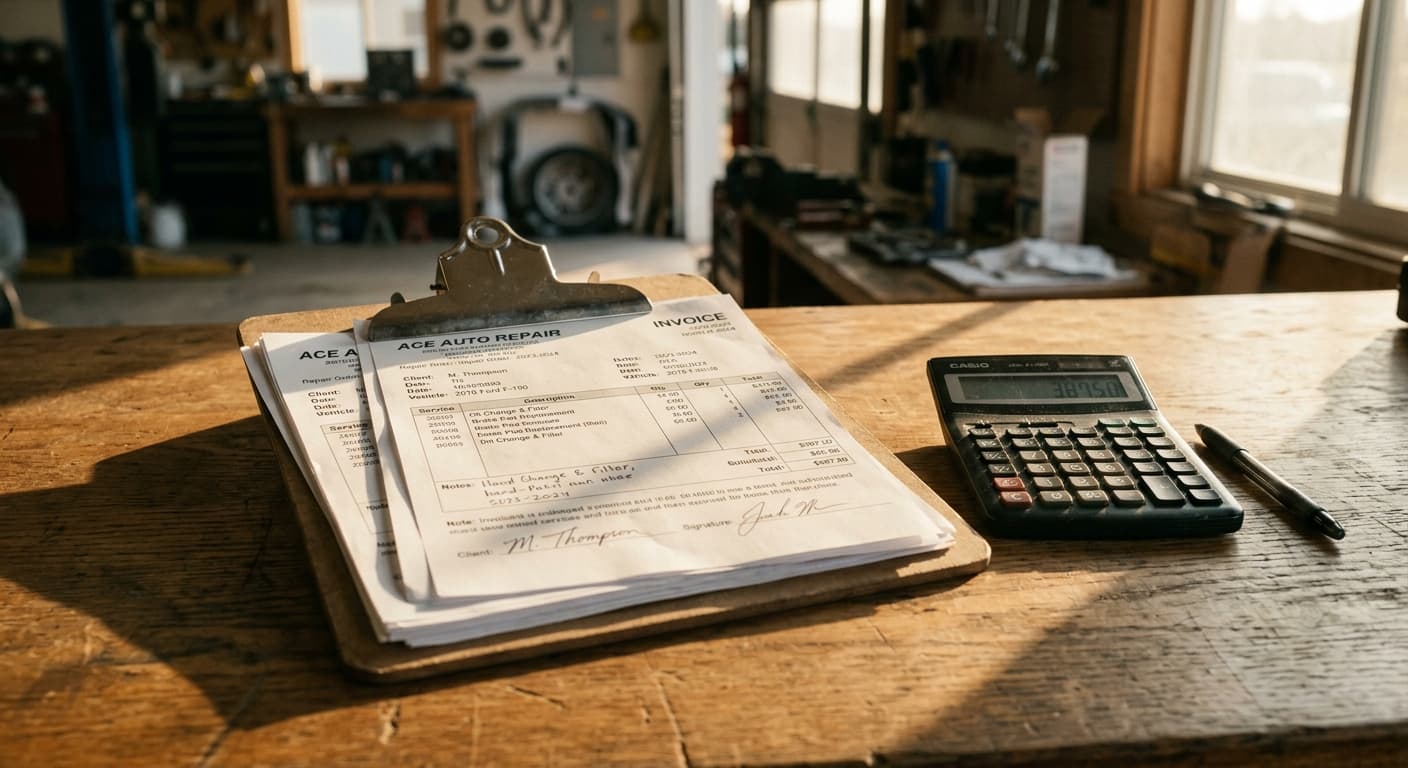
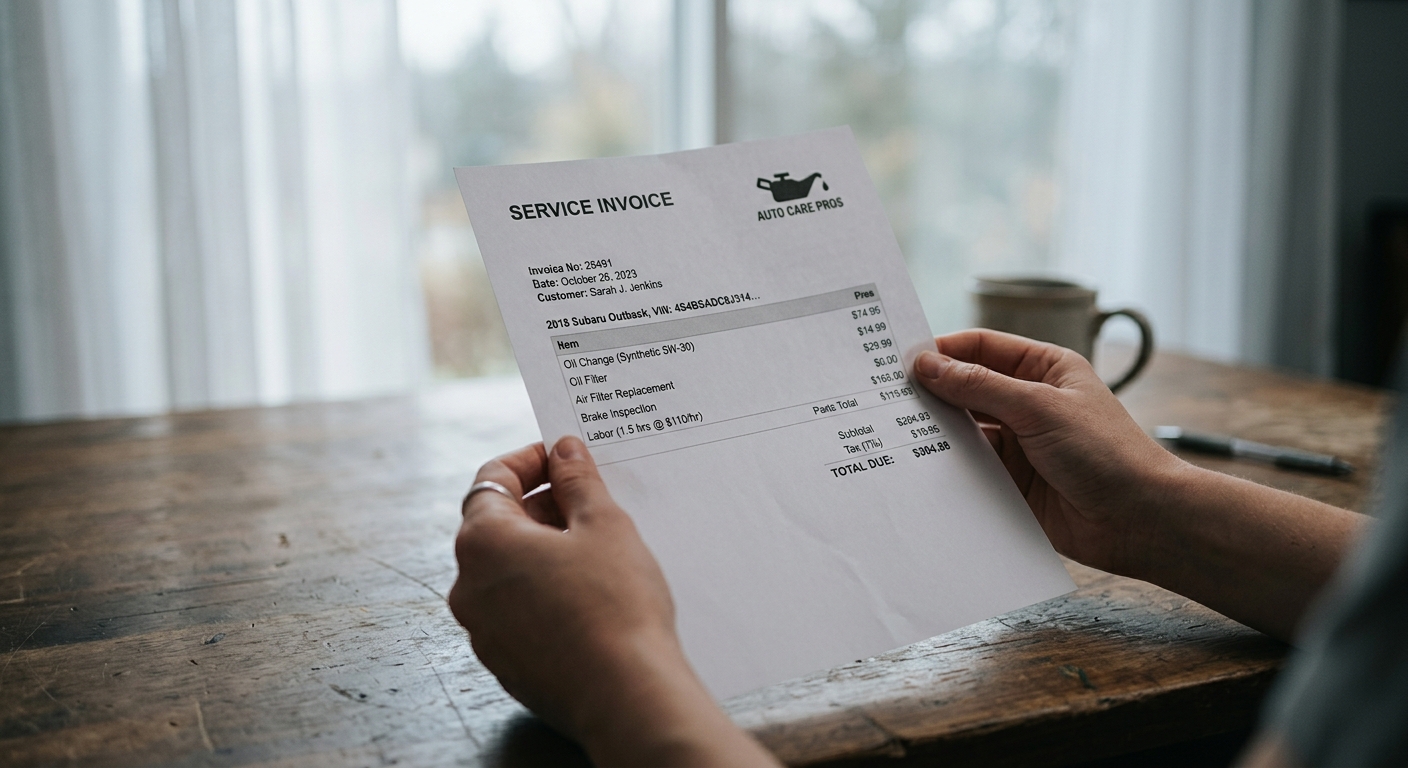
- All repair orders and invoices with dates and descriptions of work performed
- Written descriptions of the problem you reported at each visit
- Dates you dropped off the vehicle and dates it was returned
- All written correspondence with the dealer and manufacturer
- Photos or videos showing the defect
- A log of how the defect affects your daily use of the vehicle
Nevada's Lemon Law Presumption
NRS 597.630 creates a legal presumption that the manufacturer has had a reasonable number of repair attempts if certain conditions are met within the coverage period (warranty term or 1 year from delivery, whichever is earlier).
When the Presumption Applies
| Condition | Threshold | Details |
|---|---|---|
| Same defect repaired multiple times | 4 or more attempts | The same nonconformity must substantially impair the use and value of the vehicle, and it must continue to exist after 4+ repair attempts |
| Vehicle out of service | 30 or more cumulative calendar days | Total days across all repair visits for covered defects within the applicable time period |
| Coverage period | Warranty term or 1 year from delivery | Whichever expires first |
When the presumption applies, the burden shifts to the manufacturer. The manufacturer must then prove that the defect has been repaired, that the defect does not substantially impair the vehicle, or that the problem resulted from the buyer's abuse, neglect, or unauthorized modifications.
What Counts as a "Substantial" Defect?
The defect must "substantially impair the use and value" of the vehicle. Examples of qualifying defects include:
- Engine problems causing stalling, loss of power, or failure to start
- Transmission defects that affect shifting or drivability
- Brake system malfunctions or failures
- Steering problems that create safety hazards
- Electrical system failures affecting critical vehicle functions
- Persistent check-engine or warning lights indicating serious mechanical issues
- Water leaks causing interior damage
- Excessive oil consumption requiring frequent additions
Cosmetic issues, minor rattles, or problems that do not affect safety, drivability, or significant vehicle value typically do not qualify.
Tolling of Warranty Period
Under NRS 597.640, the warranty period and other statutory time limits are paused (tolled) if repair services become unavailable due to war, invasion, strike, fire, flood, or other natural disaster. This ensures buyers are not penalized for delays beyond their control.
Remedies: Replacement or Refund
When a vehicle qualifies as a lemon under Nevada law, the buyer chooses between two remedies under NRS 597.630.
Option 1: Replacement Vehicle
The manufacturer must replace the vehicle with a comparable new motor vehicle. The replacement should be the same model with similar features and equipment. If the same model is not available for timely delivery, a substantially similar vehicle may be substituted.
Option 2: Full Refund (Buyback)
The manufacturer must accept return of the vehicle and refund to the buyer:
- Full purchase price: The total amount paid for the vehicle
- Sales tax: All state and local sales taxes
- License and registration fees: Government fees paid at the time of purchase
- Other governmental charges: Any other similar charges incurred
- Collateral and incidental costs: Reasonable expenses resulting from the defect
The Usage Allowance Deduction
The manufacturer may reduce the refund by a "reasonable allowance" for the buyer's use of the vehicle. Under NRS 597.630, this allowance covers use in two periods:
- Before the first defect report: Miles driven before the buyer first reported the nonconformity to the manufacturer, agent, or dealer
- While not in the shop: Any period after the first report when the vehicle was not out of service for repairs
The typical formula used in practice is:
Usage Deduction = (Purchase Price x Miles Driven Before First Report) / 120,000
For example, if you paid $40,000 for a vehicle and drove 6,000 miles before reporting the defect, the deduction would be approximately $2,000.
Refunds When There Is a Loan or Lease
Refunds must be made to the buyer and lienholder (if any) as their interests appear. If there is an outstanding loan, the manufacturer typically pays off the remaining loan balance directly to the lender and refunds any difference to the buyer.
Dispute Settlement Procedures
Nevada law provides a structured process for resolving lemon law disputes before they reach court.
Manufacturer's Informal Dispute Settlement Program
Under NRS 597.620, if the manufacturer has established an informal dispute settlement procedure that substantially complies with federal regulations (16 CFR Part 703), the buyer must submit a claim through that program before filing a lawsuit under NRS 597.630.
Requirements for a Valid Manufacturer Program
To be valid and binding on the buyer, the manufacturer's program must:
- Substantially comply with the Federal Trade Commission's requirements under 16 CFR Part 703
- Be reasonably accessible to buyers in Nevada
- Render decisions within 40 days of receiving a complaint
- Not require the buyer to waive any statutory rights
Filing a Lawsuit
Under NRS 597.650, any lawsuit under the lemon law must be filed within 18 months after the date of original delivery of the vehicle to the buyer. This is a strict deadline. Missing it can permanently bar your claim.
If the manufacturer does not have a qualifying dispute settlement program, or if you have completed the program and are unsatisfied with the result, you may file suit in a Nevada court.
Attorney Fees
A buyer who prevails in a lemon law action may recover reasonable attorney fees and costs from the manufacturer. This fee-shifting provision makes it financially feasible for buyers to pursue valid claims, as attorneys may take these cases on a contingency basis knowing the manufacturer will pay their fees if the case succeeds.
Waiver of Rights Is Prohibited
Under NRS 597.660, any provision in any agreement between a manufacturer (or its agent or authorized dealer) and the buyer that requires the buyer to waive or give up rights or remedies under NRS 597.600 to 597.630 is void. This means:
- A manufacturer cannot require you to sign away your lemon law rights as a condition of purchase
- Arbitration clauses cannot eliminate your statutory remedies
- Warranty disclaimers cannot override these protections
If a dealer or manufacturer asks you to sign a document waiving your lemon law rights, that provision has no legal effect.
Title Branding for Lemon Law Buybacks
Nevada has strict requirements to protect future buyers when a vehicle is repurchased under the lemon law. These requirements are found in NRS 597.682 through 597.688.
What the Manufacturer Must Do
When a manufacturer reacquires a vehicle under the lemon law, it must:
- Retitle the vehicle in the manufacturer's name and request that the Nevada DMV inscribe "Lemon Law Buyback" on the certificate of title
- Affix a permanent decal on the left front doorframe (or another DMV-approved location) indicating the title has been branded
- Provide written notice to any subsequent buyer stating: "THIS VEHICLE WAS REPURCHASED BY ITS MANUFACTURER BECAUSE OF A DEFECT IN THE VEHICLE PURSUANT TO CONSUMER WARRANTY LAWS"
- Obtain written acknowledgment from the subsequent buyer confirming they received the notice
Penalties for Nondisclosure
Under NRS 597.686, manufacturers and dealers are prohibited from using nondisclosure agreements to hide a vehicle's lemon law history. Under NRS 597.688, anyone who suffers damages from a violation of these disclosure requirements may sue for actual damages, court costs, reasonable attorney fees, and punitive damages.
Protecting Yourself When Buying Used
Before buying any used vehicle in Nevada:
- Check the title for "Lemon Law Buyback" branding
- Request a vehicle history report from services like NMVTIS or Carfax
- Ask the seller directly whether the vehicle was ever repurchased under a lemon law
- Have an independent mechanic inspect the vehicle
Electric Vehicle Considerations
Electric vehicles (EVs) are covered under Nevada's lemon law as self-propelled motor vehicles. Given Nevada's growing EV market, understanding how the lemon law applies to EVs is increasingly relevant.
Common EV Defects That May Qualify
- Battery degradation well beyond normal parameters
- Charging system failures (onboard charger, charge port malfunctions)
- Range significantly below manufacturer specifications under normal conditions
- Electric motor or drivetrain malfunctions
- Thermal management system failures
- Software defects that affect vehicle operation or safety
- Regenerative braking system problems
- Display or control system failures affecting critical functions
EV-Specific Challenges in Lemon Law Claims
- Software updates: Manufacturers may argue that an over-the-air update resolved the problem, making it harder to show 4 repair attempts
- Separate battery warranty: Many EVs have a longer battery warranty (8 years/100,000 miles), but the lemon law coverage period is still the warranty term or 1 year from delivery
- Diagnostic complexity: Software and electrical issues may require specialized diagnostic records that dealers do not always provide
- Dealer expertise: Some dealers may lack the training to properly diagnose and repair EV-specific problems
Key Time Limits at a Glance
| Deadline | Time Frame | Statute |
|---|---|---|
| Report the defect | Within warranty or 1 year from delivery (whichever is earlier) | NRS 597.610 |
| Lemon presumption period | Within warranty or 1 year from delivery (whichever is earlier) | NRS 597.630 |
| File a lawsuit | Within 18 months of original delivery | NRS 597.650 |
| Warranty tolling | Paused during war, strike, or natural disaster | NRS 597.640 |
Steps to File a Nevada Lemon Law Claim
Filing a lemon law claim in Nevada involves a series of steps. Following them carefully improves your chances of a successful outcome.
Step 1: Document Every Repair Visit
From the very first sign of trouble, keep written records of every repair visit. Save all invoices, work orders, and written communications. Note the dates you dropped off the vehicle and the dates it was returned.
Step 2: Report the Defect in Writing
Send a written notice to the manufacturer describing the nonconformity. Do this while your vehicle is still within the warranty period or within 1 year of delivery, whichever comes first. Keep a copy of the notice and proof of delivery (certified mail receipt or email confirmation).
Step 3: Allow Reasonable Repair Attempts
Give the manufacturer, its agent, or its authorized dealer the opportunity to repair the defect. Under the statute, four unsuccessful attempts for the same problem or 30 cumulative days out of service triggers the lemon law presumption.
Step 4: Use the Manufacturer's Dispute Settlement Program (If Required)
Check whether the manufacturer has an informal dispute settlement procedure that complies with 16 CFR Part 703. If it does, you must submit your claim through that program before filing a lawsuit.
Step 5: Demand a Replacement or Refund
Once the presumption is met (or you have otherwise shown a reasonable number of repair attempts), formally demand either a replacement vehicle or a full refund from the manufacturer.
Step 6: File a Lawsuit If Necessary
If the manufacturer refuses to comply, or if the arbitration result is unsatisfactory, you may file a lawsuit in Nevada court. Remember: the lawsuit must be filed within 18 months of original delivery under NRS 597.650.
Federal Warranty Protections
In addition to Nevada's state lemon law, buyers may have protections under the federal Magnuson-Moss Warranty Act (15 U.S.C. 2301-2312). This federal law:
- Applies to both new and used vehicles with written warranties
- Has no mileage or time limit tied to state lemon law thresholds
- Allows recovery of attorney fees for successful claims
- Permits class action lawsuits in some cases
- Has a broader definition of covered products
Buyers whose vehicles fall outside Nevada's strict lemon law time limits may still have a viable claim under federal law. Consulting an attorney experienced in both state and federal warranty law is advisable.
More Nevada Laws
Sources and References
- Nevada Revised Statutes Chapter 597: Motor Vehicle Warranty Act (NRS 597.600-597.688)(leg.state.nv.us).gov
- Nevada Revised Statutes Chapter 482: Motor Vehicle Definition (NRS 482.075)(leg.state.nv.us).gov
- 16 CFR Part 703: Federal Informal Dispute Settlement Procedures(ecfr.gov).gov
- Magnuson-Moss Warranty Act (15 U.S.C. 2301-2312)(uscode.house.gov).gov
- Nevada Department of Motor Vehicles(dmv.nv.gov).gov
- Nevada Attorney General's Office(ag.nv.gov).gov