Missouri Lemon Law: Your Complete Legal Guide
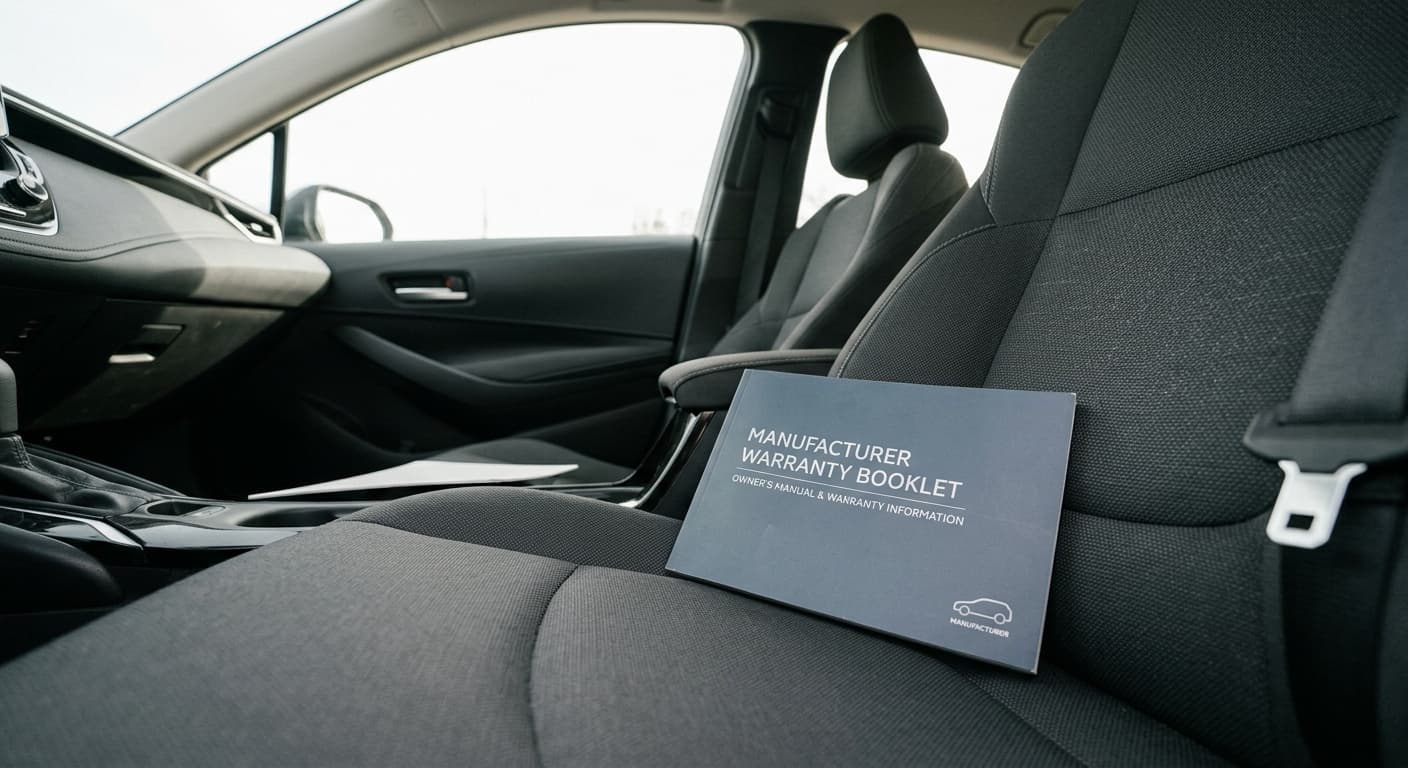
Missouri's lemon law protects buyers of new motor vehicles that turn out to have serious, unfixable defects. Found in RSMo Sections 407.560 through 407.579, the law requires manufacturers to either replace or refund a defective vehicle after a reasonable number of failed repair attempts.
This guide covers every part of Missouri's lemon law, including which vehicles qualify, the repair attempt thresholds, how to file a claim, manufacturer defenses, and your options if you bought a used vehicle.
What Vehicles Does Missouri's Lemon Law Cover?
Under RSMo 407.560, the law defines a "new motor vehicle" as any vehicle propelled by power other than muscular power that meets specific criteria.
Eligibility Requirements
To qualify for protection, a vehicle must meet all of the following conditions:
- The vehicle must be new and transferred for the first time from a manufacturer, distributor, or dealer
- It cannot have been previously registered or titled in Missouri or any other state
- A franchised dealer authorized to sell that particular make must have sold the vehicle
- The vehicle must be used primarily for personal, family, or household purposes
- A manufacturer's express warranty must cover the vehicle
Vehicles That Qualify
- New passenger vehicles: Cars, trucks, SUVs, and vans
- Demonstrator vehicles: Demo units with a manufacturer warranty
- Lease-purchase vehicles: Vehicles acquired through lease-purchase agreements where the manufacturer's warranty was issued as a condition of sale
- Recreational vehicle chassis: Only the chassis, engine, and powertrain components (not the living quarters)
Vehicles Excluded From Coverage
Missouri's lemon law specifically excludes several vehicle types:
- Commercial motor vehicles
- Off-road vehicles
- Motorcycles
- Mopeds
- Electric bicycles (as defined in RSMo 300.010)
- Recreational motor vehicles (living portions only; chassis components remain covered)
- Used vehicles (regardless of remaining warranty)
- Standard leased vehicles (only lease-purchase agreements qualify)
What Counts as a "Nonconformity"?
A nonconformity is any defect or condition that does not conform to the manufacturer's express warranty and that impairs the use, market value, or safety of the vehicle. The problem must be something the manufacturer is obligated to fix under its own warranty.
Common examples of qualifying nonconformities include:
- Engine or transmission failures that persist after repair
- Brake system malfunctions
- Steering defects
- Electrical system problems
- Persistent stalling, misfiring, or failure to start
- Heating or air conditioning failures
- Significant fluid leaks
- Safety system defects (airbags, stability control, anti-lock brakes)
Minor cosmetic issues or problems caused by the consumer's own abuse, neglect, or unauthorized modifications generally do not qualify.
Missouri's Lemon Law Presumption
Under RSMo 407.571, Missouri law creates a legal presumption that a reasonable number of repair attempts have been made when certain conditions are met. This presumption shifts the burden to the manufacturer to prove otherwise.
When the Presumption Applies
| Condition | Threshold | Details |
|---|---|---|
| Repair Attempts (Same Defect) | 4 or more attempts | The same nonconformity must continue to exist after each attempt |
| Days Out of Service | 30 or more business days | Cumulative total across all repair visits; excludes routine maintenance |
| Timeframe | Within warranty period or 1 year from delivery | Whichever period expires earlier |
The 30-day out-of-service period may be extended if repair services are unavailable due to conditions beyond the manufacturer's control, such as parts shortages caused by supply chain issues or natural disasters.
Important Timing Details
The warranty period or one-year window may also be extended if the consumer reported a nonconformity before the expiration date but the manufacturer had not yet completed the repair. This extension provision under RSMo 407.573 prevents manufacturers from running out the clock on warranty claims.
Consumer Remedies: Refund vs. Replacement
When a vehicle qualifies under Missouri's lemon law, RSMo 407.567 requires the manufacturer to provide one of two remedies.
Option 1: Replace the Vehicle
The manufacturer may provide a comparable new motor vehicle that is acceptable to the consumer. The replacement must be of similar value and features. If the consumer does not find the offered replacement acceptable, the manufacturer must work toward an alternative resolution.
Option 2: Refund the Purchase Price
The manufacturer takes title to the defective vehicle and refunds the consumer. The refund includes:
- Full purchase price: The total amount the consumer paid
- Collateral charges: Sales tax, license fees, registration fees, title fees, and motor vehicle inspection fees
- Less usage allowance: A reasonable deduction for the consumer's use of the vehicle before the first repair attempt
Missouri law does not specify an exact formula for calculating the usage allowance. The deduction must be "reasonable," which is typically based on the mileage driven before the first report of the defect.
Note: Under Missouri law, the manufacturer chooses between replacement and refund. This differs from some states that give the consumer the choice.
How Refunds Are Distributed
Refunds go to the consumer and any lienholder of record, split according to their respective interests. If you financed the vehicle, the lender receives its portion first, and you receive the remainder.
Sales Tax Recovery
Missouri provides a specific mechanism for recovering sales tax. The manufacturer may apply to the Missouri Department of Revenue for reimbursement of sales tax and fees that were refunded to the consumer. Alternatively, the manufacturer may direct the consumer to apply directly to the Department of Revenue for the refund.
How to File a Lemon Law Claim in Missouri
Filing a lemon law claim in Missouri requires following specific steps in the correct order.
Step 1: Document Every Repair Visit
Thorough documentation is essential for a successful claim. Keep records of:
- All repair orders and invoices (with dates and descriptions of work performed)
- The number of days your vehicle spent at the repair facility
- Written descriptions of symptoms you experienced
- All correspondence with the dealer and manufacturer
- Receipts for towing, rental cars, and other related expenses
- Photographs or videos of defects when possible
Step 2: Report the Problem During the Coverage Period
Under RSMo 407.565, you must report any nonconformity to the manufacturer, its agent, or an authorized dealer during the warranty term or within one year of delivery (whichever expires first). The manufacturer is then obligated to make repairs necessary to conform the vehicle to the express warranty.
Step 3: Allow Reasonable Repair Attempts
Give the manufacturer or its authorized dealer at least four opportunities to repair the same defect. Track each attempt carefully, noting dates, duration, and whether the problem was resolved.
Step 4: Send Written Notification to the Manufacturer
This step is critical. Under RSMo 407.573, before pursuing lemon law remedies, you (or your representative) must send written notification directly to the manufacturer describing the nonconformity and requesting repair.
After receiving your written notice, the manufacturer must immediately inform you of a reasonably accessible repair facility. Once you deliver the vehicle to that facility, the manufacturer has 10 calendar days to conform the vehicle to the express warranty.
Send your written notice via certified mail with return receipt requested so you have proof of delivery.
Step 5: Use Informal Dispute Settlement (If Required)
Under RSMo 407.575, if the manufacturer has established an approved informal dispute settlement procedure, you may need to participate in it before filing a lawsuit. The manufacturer must provide information about this procedure in the warranty or owner's manual.
If the manufacturer fails to inform you about an available dispute settlement procedure, this requirement may not apply.
Step 6: File a Lawsuit if Necessary
If informal resolution fails or no dispute settlement procedure exists, you may file a lawsuit. Under RSMo 407.577, if you prevail, the court may order the manufacturer to pay your costs, expenses, and reasonable attorney fees.
Statute of Limitations
Missouri imposes strict deadlines for filing a lemon law claim. Under RSMo 407.577, you must file your action within the earliest of:
- 6 months after the warranty expires
- 18 months after the date of original delivery of the vehicle
- 90 days after the final decision of any informal dispute settlement procedure
Whichever deadline comes first controls. Missing these deadlines means losing your right to pursue a lemon law claim, so act promptly once you believe your vehicle qualifies.
Manufacturer Defenses
Under RSMo 407.569, manufacturers may raise affirmative defenses to avoid liability.
Recognized Defenses
| Defense | What the Manufacturer Claims | How to Counter It |
|---|---|---|
| Consumer abuse or neglect | The nonconformity resulted from the consumer's misuse | Provide detailed maintenance records showing proper care |
| Unauthorized modifications | Aftermarket parts or alterations caused the defect | Demonstrate the problem existed before any modifications were made |
| No substantial impairment | The defect does not meaningfully impair use, value, or safety | Document specifically how the defect affects daily use and vehicle value |
The manufacturer carries the burden of proving these defenses. Keeping thorough maintenance records and repair documentation makes it much harder for a manufacturer to succeed with these arguments.
Protections for Used Vehicle Buyers
Missouri's lemon law applies only to new motor vehicles. However, used vehicle buyers are not without legal options.
Warranty Transfer Situations
If you purchase a used vehicle that is still within the original manufacturer's warranty period, and the warranty terms allow transfer to subsequent owners, you may have rights under the warranty itself. Some manufacturer warranties transfer automatically; others require registration.
Federal Magnuson-Moss Warranty Act
The federal Magnuson-Moss Warranty Act (15 U.S.C. Chapter 50) applies to both new and used vehicles that are covered by a written warranty. Key advantages of the federal law include:
- Covers used vehicles still under the original manufacturer's warranty
- Provides a longer filing window (up to five years in some cases)
- Allows recovery of attorney fees if you prevail
- Applies alongside state law protections
Other Legal Remedies for Used Vehicles
- Missouri Consumer Protection Act: Covers deceptive practices in vehicle sales
- UCC warranty claims: Implied warranties of merchantability under the Uniform Commercial Code
- Common law fraud claims: When a seller knowingly misrepresents a vehicle's condition
Under RSMo 407.579, Missouri's lemon law does not limit any other rights or remedies a consumer may have under any other state or federal law.
Filing a Complaint With the Missouri Attorney General
In addition to pursuing lemon law remedies, you can file a consumer complaint with the Missouri Attorney General's Office. The AG's office enforces the Missouri Merchandising Practices Act and mediates disputes between consumers and businesses.
To file a complaint:
- Online: Submit a complaint at ago.mo.gov
- Phone: Call the Consumer Protection Hotline at 800-392-8222
- Mail: Download and mail the complaint form from the AG's website
The AG's consumer mediation process has resulted in millions of dollars in restitution for Missouri consumers. While filing a complaint with the AG does not replace pursuing your lemon law rights, it creates an official record and may help resolve your dispute.
Tips for Strengthening Your Lemon Law Claim
Following these practices from the moment you notice a problem will improve your chances of a successful outcome:
- Report problems immediately. Do not wait for a defect to worsen before taking the vehicle in for repair.
- Use authorized dealers. Always take the vehicle to a manufacturer-authorized repair facility. Repairs performed at independent shops may not count toward the repair attempt threshold.
- Get everything in writing. Request written repair orders for every visit, even if the dealer says no problem was found.
- Keep a log. Record dates, mileage, symptoms, and the names of service advisors you speak with.
- Do not accept verbal promises. If a dealer or manufacturer representative promises a resolution, get it in writing.
- Consult an attorney early. Many lemon law attorneys offer free consultations, and attorney fees may be recoverable if you win.
More Missouri Laws
Sources and References
- Missouri Lemon Law Statutes (RSMo 407.560-407.579)(revisor.mo.gov).gov
- RSMo 407.560: New Motor Vehicle Warranties - Definitions(revisor.mo.gov).gov
- RSMo 407.567: Replacement or Refund of Purchase Price(revisor.mo.gov).gov
- RSMo 407.571: Presumption of Reasonable Repair Attempts(revisor.mo.gov).gov
- RSMo 407.573: Written Notification and Manufacturer Duties(revisor.mo.gov).gov
- RSMo 407.577: Court Action, Costs, and Attorney Fees(revisor.mo.gov).gov
- Missouri Attorney General: Consumer Protection Division(ago.mo.gov).gov
- Missouri Department of Revenue: Motor Vehicle Division(dor.mo.gov).gov
- Federal Magnuson-Moss Warranty Act (15 U.S.C. Chapter 50)(law.cornell.edu)