
Wyoming
Wyoming Dog Bite Laws: Liability and Victim Rights
Independently fact-checked against primary sources (last audited August 23, 2026). · Reviewed by the RecordingLaw editorial team. · Law checked current as of August 23, 2026. · 4 primary sources cited on this page. How we verify our legal content
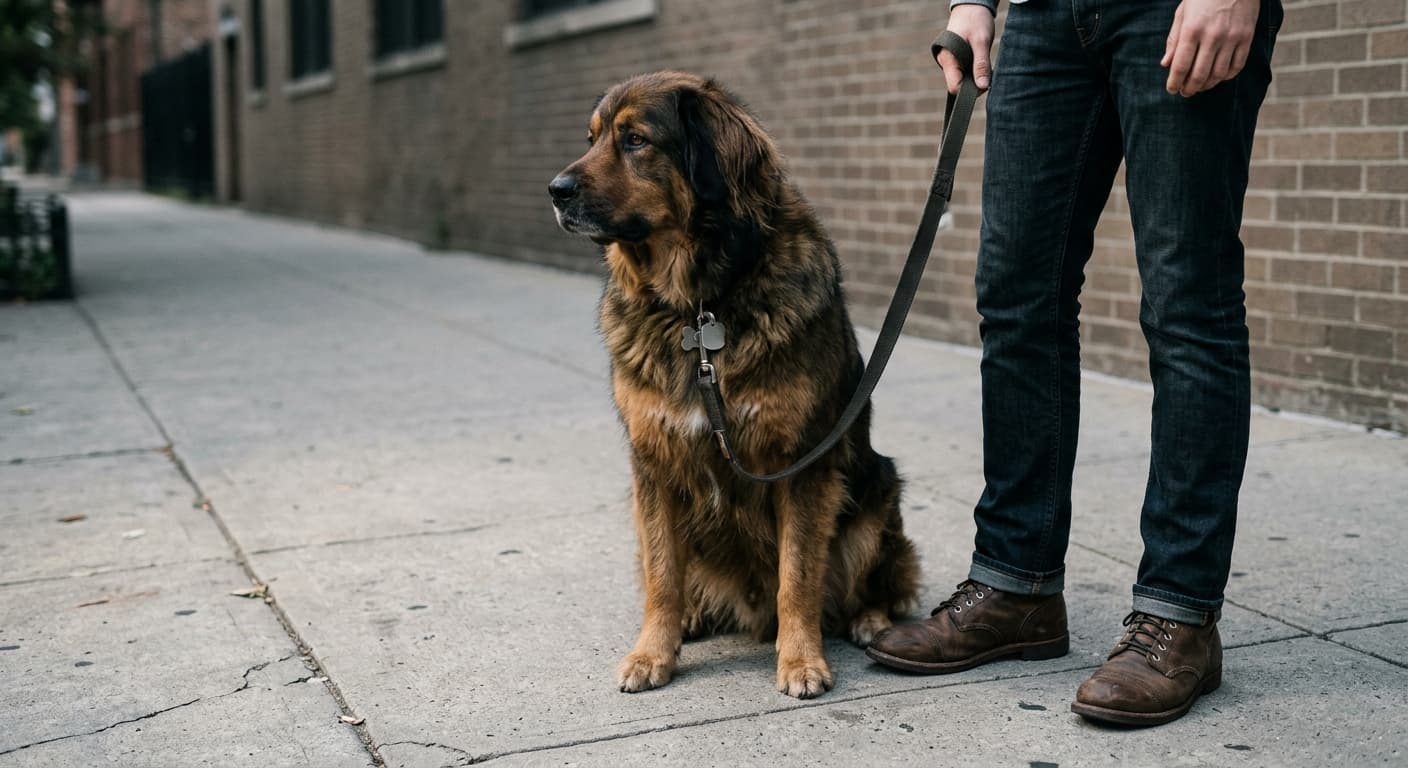
Wyoming has no statewide strict-liability dog bite statute. Under the common law framework the Wyoming Supreme Court set out in Borns ex rel. Gannon v. Voss, victims may pursue three theories: strict liability when the owner knew of the dog's dangerous propensities, common law negligence, or negligence per se based on a leash law violation.
Estimate your claim: Use our free Wyoming Dog Bite Settlement Calculator to see a rough settlement range based on the medical bills, the bite location, the victim's age, and Wyoming's liability rule.
How Wyoming Dog Bite Liability Works
Wyoming does not have a statewide dog bite statute that imposes strict liability on all dog owners. Instead, Wyoming relies on common law principles and a handful of statutes that together form the legal framework for dog bite claims.

The Wyoming Supreme Court established the controlling law in Borns ex rel. Gannon v. Voss, 70 P.3d 262 (Wyo. 2003). In that case, a seven-year-old girl was bitten in the face by a dog at a campsite. The Court identified three distinct legal theories that dog bite victims can use to recover damages.
Those three theories are:
- Strict liability when the owner kept an animal knowing of its dangerous propensities
- Common law negligence in the care and control of a domestic animal
- Negligence per se based on the violation of a duty created by statute or local ordinance (such as a leash law)
This means victims are not limited to the traditional one-bite rule. A victim can pursue a negligence claim without proving the dog had a history of aggression.
The One-Bite Rule in Wyoming
Under the one-bite rule, a dog owner can be held strictly liable only if they knew or reasonably should have known that their dog had dangerous tendencies. The phrase "one free bite" is shorthand for the idea that strict liability does not attach until the owner has knowledge of a dangerous propensity.
However, the Wyoming Supreme Court made clear in Borns v. Voss that a negligence claim does not require proof that the dog was vicious or that the owner knew it was vicious. Requiring the victim to prove the scienter (knowledge) element in a negligence claim would be "contrary to law," according to the Court.
This distinction matters because it gives victims two separate paths to compensation:
- Strict liability path: Prove the owner knew the dog was dangerous. If established, the owner is liable regardless of how careful they were.
- Negligence path: Prove the owner failed to exercise reasonable care in controlling the dog. No prior knowledge of dangerousness is required.
What Victims Must Prove
The elements a dog bite victim must establish depend on which legal theory they pursue.
For a Strict Liability Claim
- The defendant owned or harbored the dog
- The dog had a known dangerous propensity (such as a history of biting, lunging, or aggressive behavior)
- The owner knew or should have known about that propensity
- The dog caused injury to the victim
For a Negligence Claim
- The defendant owed a duty of care to the victim
- The defendant breached that duty by failing to exercise reasonable care in controlling the dog
- The breach caused the victim's injuries
- The victim suffered actual damages
For a Negligence Per Se Claim
- A local ordinance or state statute imposed a specific duty on the dog owner (such as a leash law)
- The owner violated that law
- The violation caused the victim's injury
- The victim is within the class of persons the law was designed to protect
Wyoming's Modified Comparative Fault Rule
Wyoming applies a modified comparative fault system under Wyo. Stat. 1-1-109. This rule directly affects how much a dog bite victim can recover.
Under this system:
- If the victim is 50% or less at fault, they can still recover damages, but the award is reduced by their percentage of fault
- If the victim is 51% or more at fault, they recover nothing
In dog bite cases, a defendant might argue comparative fault if the victim provoked the dog, trespassed on private property, or ignored warning signs. For example, if a jury finds the victim 30% at fault and awards $100,000 in damages, the victim would receive $70,000.
Dog Owner Responsibilities Under Wyoming Law
Wyoming state statutes and local ordinances impose several responsibilities on dog owners.
Rabies Vaccination
Under Wyo. Stat. 11-31-213, county commissioners may require registration of all dogs and cats within a rabies control district. Owners must present a valid rabies vaccination certificate from a licensed veterinarian as a condition for registration. The certificate must show the date of vaccination, the type of vaccine used, and the immunization period.
Local Leash and Confinement Laws
Many Wyoming municipalities require dogs to be leashed in public areas and securely confined on the owner's property. Violating a local leash law can serve as the basis for a negligence per se claim if a dog bite occurs.
Licensing and Registration
Most Wyoming jurisdictions require dogs to be licensed and registered with local authorities. Failure to comply can result in fines and may strengthen a victim's case in a dog bite lawsuit.
Public Nuisance Laws
Under Wyo. Stat. 11-31-301, a board of county commissioners may declare dogs running at large in unincorporated areas a public nuisance. The county sheriff and animal control officers enforce these regulations. Counties may also enact rules regarding dogs running at large, vicious dogs, and dogs that chase wild game or livestock.
Penalties under Section 11-31-301 include fines of up to $50 for a first offense and up to $100 for each subsequent offense.
Dangerous Dog Designations
Wyoming does not have a single statewide dangerous dog statute. Instead, local governments write their own dangerous dog ordinances, and they draw on two separate grants of authority.
A board of county commissioners acts under Wyo. Stat. 11-31-301, which reaches only the unincorporated areas within the county limits. Cities and towns act under Wyo. Stat. 15-1-103(a), which lets a city or town regulate or prohibit the running at large of any animals within the city limits, impose a license fee for keeping or harboring dogs, operate a pound, and declare and abate nuisances.
That split matters when you are checking the rules for a specific address, because a town ordinance and a county regulation come from different sources of power.
Local ordinances typically define a dangerous dog as one that has:
- Bitten or attacked a person without provocation
- Killed or seriously injured a domestic animal
- Been previously designated as potentially dangerous and continued to show threatening behavior
Once a dog receives a dangerous designation, the owner typically must:
- Keep the dog in a secure, locked enclosure that prevents escape
- Muzzle and leash the dog whenever it is outside the enclosure
- Post visible warning signs on the property
- Carry liability insurance of $100,000 or more (in some jurisdictions)
- Register the dog with local authorities and notify them of any sale, transfer, or move
Quarantine After a Bite
Under Wyo. Stat. 11-31-301, any animal that attacks a person in a vicious manner or bites any person may be impounded by the county sheriff or animal control officer and held in quarantine for at least 10 days. The Wyoming state health officer may extend the quarantine period to determine whether the animal carries a communicable disease.
Home quarantine may be allowed if the owner presents a valid rabies vaccination certificate.
Damages Available to Dog Bite Victims
Dog bite victims in Wyoming may recover both economic and non-economic damages.
Economic Damages
- Medical expenses, including emergency treatment, surgery, and rehabilitation
- Future medical costs for ongoing treatment or reconstructive surgery
- Lost wages and lost earning capacity
- Property damage
Non-Economic Damages
- Pain and suffering
- Emotional distress and psychological trauma
- Scarring and disfigurement
- Loss of enjoyment of life
Wyoming does not impose a statutory cap on damages in most personal injury cases, including dog bite claims. The full amount of damages is determined by the jury based on the evidence presented.
Statute of Limitations for Dog Bite Claims
Under Wyo. Stat. 1-3-105, the statute of limitations for personal injury claims in Wyoming is four years from the date of the injury. This deadline applies to dog bite lawsuits.
Important exceptions include:
- Minors: Under Wyoming's general legal-disability tolling statute (Wyo. Stat. 1-3-114), a victim who was a minor when bitten may file within three years after turning 18, or within the standard four-year period from the date of the bite, whichever is longer, not a full four years from age 18
- Government entities: Claims against government agencies or employees may have shorter notice requirements, sometimes as short as two years
- Discovery rule: In rare cases where an injury is not immediately apparent, the clock may start when the victim discovers or reasonably should have discovered the injury
Failing to file within the deadline permanently bars the claim. To stay inside that four-year limit, ask a Wyoming dog bite lawyer for a free consultation on filing the claim well before it runs out (attorney advertising).
Legal Defenses for Dog Owners
Dog owners in Wyoming have several defenses available.
Provocation
If the victim provoked the dog through teasing, hitting, tormenting, or other aggressive behavior, the owner may argue reduced or eliminated liability. The provocation must be sufficient to cause a normally calm dog to react aggressively.
Trespassing
Dog owners generally owe a lower duty of care to trespassers. If the victim was on the owner's property without permission when the bite occurred, the owner's liability may be significantly reduced or eliminated. However, this defense may not fully apply to young children who do not understand property boundaries.
Comparative Fault
As discussed above, Wyoming's modified comparative fault rule under Wyo. Stat. 1-1-109 can reduce or bar a victim's recovery based on their share of fault.
Assumption of Risk
If the victim knowingly accepted the risk of being bitten, such as a veterinarian, dog groomer, or kennel worker handling an unfamiliar animal, this defense may limit or bar recovery.
Landlord Liability for Dog Bites
The Wyoming Supreme Court has taken up this question. In Roberts v. Klinkosh, 986 P.2d 153 (Wyo. 1999), a tenant's social guest sued the tenant's landlord after the guest was bitten by another tenant's dog. The court looked at two questions: whether the landlord knew of this dog's dangerous propensities, and whether the attack happened in an area under the landlord's control. It found neither, and held the landlord owed no duty.
In Wyoming, a landlord may be held liable for a tenant's dog bite when three conditions come together:
- The landlord knew the tenant's dog was dangerous or had aggressive tendencies
- The landlord had the authority to remove the dog or require the tenant to remove it
- The landlord failed to take reasonable action to protect others
Landlords who allow tenants to keep pets should include clear pet policies in lease agreements, require tenants to carry renter's insurance with liability coverage, and act promptly if they learn a tenant's dog poses a danger.
Breed-Specific Legislation in Wyoming
Wyoming does not have a statewide breed-specific law. Individual cities and counties may create their own breed restrictions.
The town of Hudson, Wyoming, has been the most notable example, maintaining restrictions on pit bulls and Rottweilers. However, Hudson and other municipalities have been reconsidering these policies in favor of behavior-based dangerous dog ordinances that focus on a dog's actions rather than its breed.
Before acquiring a dog of any breed in Wyoming, check with your local municipal office or county clerk for current restrictions in your area.
Criminal Penalties for Dog Owners
Wyoming has no dangerous dog crime. Nothing in the state code makes an owner criminally liable, at either the misdemeanor or the felony level, simply because a dog attacked or injured a person. What Wyoming law supplies is a set of fines, plus the general criminal statutes that apply to any person who hurts someone.
Fines Under State and Local Law
Under Wyo. Stat. 11-31-301(c), where a county has declared animals running at large a public nuisance, the county sheriff may arrest or issue a summons to the owner of an animal that is running at large or has attacked a person. A first conviction is punishable by a fine of not more than $50, and each subsequent conviction by a fine of not more than $100.
Under subsection (e), an animal that attacks a person in a vicious manner may be destroyed, or its owner fined not more than $200, or both. Proof that the animal bit or attacked a person at a place where that person was legally entitled to be is evidence that the animal is vicious.
Violating a city or town ordinance, such as a leash requirement or the confinement conditions attached to a dangerous dog designation, carries whatever penalty that local ordinance sets.
When General Criminal Charges Apply
Because there is no dog-specific offense, a severe case is charged, if at all, under a statute that applies to everyone. Wyoming's aggravated assault and battery statute, Wyo. Stat. 6-2-502, is a felony and covers a person who intentionally, knowingly, or recklessly causes serious bodily injury to another under circumstances manifesting extreme indifference to the value of human life. That is the kind of charge a prosecutor would weigh against someone who deliberately used a dog to injure another person.
Charges like these turn on the owner's own conduct and state of mind rather than on the dog, and the decision to file them rests with the prosecuting attorney.
How to File a Dog Bite Claim in Wyoming
If you are bitten by a dog in Wyoming, take these steps to protect your legal rights:
- Get medical treatment immediately. Keep all medical records and receipts.
- Report the incident to local animal control and law enforcement. This creates an official record.
- Document the scene and your injuries. Take photographs of the bite wounds, the location, and the dog if possible.
- Collect the owner's information, including their name, address, phone number, and homeowner's or renter's insurance details.
- Identify witnesses and get their contact information.
- Preserve physical evidence such as torn clothing or other items damaged in the attack.
- Consult a personal injury attorney. Many dog bite lawyers offer free consultations and work on a contingency fee basis.
More Wyoming Laws
Frequently Asked Questions
Does Wyoming have a strict liability dog bite statute?
No. Wyoming does not have a statewide strict liability dog bite statute. Instead, the state relies on common law principles. Victims can pursue strict liability claims if the owner knew of the dog's dangerous tendencies, or they can file negligence claims without proving prior knowledge of dangerousness.
How long do I have to file a dog bite lawsuit in Wyoming?
You have four years from the date of the bite to file a personal injury lawsuit under Wyo. Stat. 1-3-105. If the victim is a minor, Wyoming's disability-tolling statute (Wyo. Stat. 1-3-114) allows filing within three years after turning 18, or within the standard four-year period, whichever is longer. Claims against government entities may have shorter deadlines.
Can I recover damages if I was partially at fault for the dog bite?
Yes, but only if you were 50% or less at fault. Wyoming follows a modified comparative fault rule under Wyo. Stat. 1-1-109. Your damages will be reduced by your percentage of fault. If you are found 51% or more at fault, you cannot recover anything.
What happens to a dog that bites someone in Wyoming?
Under Wyo. Stat. 11-31-301, the dog may be impounded by the county sheriff or animal control officer and held in quarantine for at least 10 days to check for communicable diseases. Home quarantine may be permitted if the owner provides a valid rabies vaccination certificate. In severe cases, the dog may be destroyed.
Can a landlord be held liable for a tenant's dog bite in Wyoming?
Yes, if the landlord knew the tenant's dog was dangerous, had the authority to require removal of the dog, and failed to take action. Landlords should include pet policies in lease agreements and require tenants with dogs to carry renter's insurance with liability coverage.
Updates
Corrected the description of Roberts v. Klinkosh to the two grounds the Wyoming Supreme Court actually relied on: no knowledge of the dog's dangerous propensities and no landlord control over the area of the attack.
Corrected the source of local authority over dangerous dogs, distinguishing county commissioners under Wyo. Stat. 11-31-301 from cities and towns under Wyo. Stat. 15-1-103(a), removed an unsupported description of felony charges for Wyoming dog owners in favor of the fines the statute actually imposes, and cited the controlling Wyoming Supreme Court case on landlord liability.
Independently fact-checked against the cited primary sources; governing law re-checked for recent changes
Corrected the minor-tolling claim in the statute-of-limitations section and FAQ: Wyoming's general disability statute (Wyo. Stat. 1-3-114) gives a minor victim three years after turning 18 (or the standard four-year period, whichever is longer), not a fresh four-year window starting at age 18.
Removed the claim that Wyo. Stat. 11-31-301(g) authorizes counties to regulate dogs that bark excessively; the statute's actual list covers dogs running at large, vicious dogs, and dogs chasing wild game or livestock.
Governing law re-checked for recent changes
Reviewed and approved by an editor
The Law Behind This Article
This article rests on the statutory provisions below, held in our own legal record and retrieved from the official source. Tap a section to read the operative text.
Wyoming Statutes, Title 11 - Agriculture, Livestock and Other Animals - Chapter 31: Dogs and Cats - Article 3: Animals Running at Large
§ 11-31-301Public nuisance; notice; penalties; rules and regulations; animal control districts and officers.In force
(a) A board of county commissioners may declare the running at large of any specified animals in unincorporated areas within the county limits a public nuisance. (b) Notice of such a declaration shall be published in a newspaper of general circulation within the county and notices may be placed in appropriate locations. The notice shall specify any regulations necessary and convenient for animal control and shall state that: (i) It is a public nuisance for one (1) or more specified animals to be running at large in unincorporated areas; (ii) A fine shall be imposed on the owner of such animal and restitution for any damages to person or property caused by the animal shall be made by the owner; (iii) Dogs or other animals, whose ownership cannot be determined, may be destroyed. (c) Upon the filing of any complaint, the county sheriff may arrest or issue a summons to the owner of any animal which is running at large or has attacked a person. A first conviction is punishable by a fine of not more than fifty dollars ($50.00). Each subsequent conviction is punishable by a fine of not more than one hundred dollars ($100.00).
Official text (excerpt) · last checked 2026-07-30 · Read the full text in our law library · Verify at wyoleg.gov
Wyoming Statutes, Title 1 - Code of Civil Procedure - Chapter 1: General Provisions as to Civil Actions
§ 1-1-109Comparative fault.In forcecited in 7 of our articles
(a) As used in this section: (i) "Actor" means a person or other entity, including the claimant, whose fault is determined to be a proximate cause of the death, injury or damage, whether or not the actor is a party to the litigation; (ii) "Claimant" means a natural person, including the personal representative of a deceased person, or any legal entity, including corporations, limited liability companies, partnerships or unincorporated associations, and includes a third party plaintiff and a counterclaiming defendant; (iii) "Defendant" means a party to the litigation against whom a claim for damages is asserted, and includes third party defendants.
Official text (excerpt) · last checked 2026-09-15 · Read the full text in our law library · Verify at wyoleg.gov
Cited in 77 court opinions in our collectionLatest citing opinion in our collection: 2026
Opinions citing this section in our collection:
- Schneider National, Inc. v. Holland Hitch Co. (Wyoming Supreme Court 1992, 843 P.2d 561)“…hip between comparative negligence tort reform legislation, Wyo.Stat. § 1-1-109 (1988), and indemnity, an area of commo…”
- Haderlie v. Sondgeroth (Wyoming Supreme Court 1993, 866 P.2d 703)“…gislature abolished joint and several liability by amending W.S. 1-1-109 to provide that a party at fault be req…”
- Phillips v. Duro-Last Roofing, Inc. (Wyoming Supreme Court 1991, 806 P.2d 834)“…District Court for the District of Wyoming, asking whether W.S. 1-1-109 (1988), a comparative negligence attri…”
Identified automatically from the court opinions citing this section — not a ranking of which case controls.
Also relied on in: Medical Malpractice Laws in Wyoming (2026): Deadlines & Caps, Wyoming Slip and Fall Laws: Proving Premises Liability, Wyoming Car Accident Laws: Fault, Insurance, and Your Claim
Wyoming Statutes, Title 1 - Code of Civil Procedure - Chapter 3: Limitation of Actions
§ 1-3-105Actions other than recovery of real property.In forcecited in 13 of our articles
(a) Civil actions other than for the recovery of real property can only be brought within the following periods after the cause of action accrues: (i) Within ten (10) years, an action upon a specialty or any contract, agreement or promise in writing; (ii) Within eight (8) years, an action: (A) Upon a contract not in writing, either express or implied; or (B) Upon a liability created by statute other than a forfeiture or penalty. (iii) Within five (5) years after the debtor establishes residence in Wyoming, an action on a foreign claim, judgment or contract, express or implied, contracted or incurred and accrued before the debtor became a resident of Wyoming; (iv) Within four (4) years, an action for: (A) Trespass upon real property; (B) The recovery of personal property or for taking, detaining or injuring personal property; (C) An injury to the rights of the plaintiff, not arising on contract and not herein enumerated; and (D) For relief on the ground of fraud.
Official text (excerpt) · last checked 2026-09-14 · Read the full text in our law library · Verify at wyoleg.gov
Cited in 75 court opinions in our collectionLatest citing opinion in our collection: 2024
Opinions citing this section in our collection:
- Ultra Resources, Inc. v. Hartman (Wyoming Supreme Court 2010, 226 P.3d 889)“…year statute of limitations for breach of contract. See Wyo. Stat. Ann. § 1-3-105 (a)(i) (LexisNexis 2009). The defendant…”
- Union Pacific Resources Co. v. State (Wyoming Supreme Court 1992, 839 P.2d 356)“…Whether the eight-year statute of limitations contained in W.S. 1-3-105 operates to prevent counties from seeki…”
- Richardson Associates v. Lincoln-Devore, Inc. (Wyoming Supreme Court 1991, 806 P.2d 790)“…thrust of the statute of limitations defense is emplaced in W.S. 1-3-105 relating to civil actions on a contract…”
Identified automatically from the court opinions citing this section — not a ranking of which case controls.
Also relied on in: Wyoming Statute of Limitations: Filing Deadlines by Case Type, Wyoming Defamation Laws: Libel & Slander (2026), Wyoming Debt Collection Laws: Deposited Wages Stay Protected, and Old Debt May Never Fully Expire
§ 1-3-114Legal disabilities.In forcecited in 3 of our articles
If a person entitled to bring any action except for an action arising from error or omission in the rendering of licensed or certified professional or health care services or for a penalty or forfeiture, is, at the time the cause of action accrues, a minor or subject to any other legal disability, the person may bring the action within three (3) years after the disability is removed or within any other statutory period of limitation, whichever is greater.
Official text (excerpt) · last checked 2026-07-30 · Read the full text in our law library · Verify at wyoleg.gov
Cited in 3 court opinions in our collectionLatest citing opinion in our collection: 2016
Opinions citing this section in our collection:
- Jeff Kordus and Suzette Kordus, Parents and next friend to JK, a minor child (Wyoming Supreme Court 2014, 337 P.3d 1138)“…period of limitation, whichever is greater. Wyo. Stat. Ann. § 1-3-114 (LexisNexis 2013) (emphasis added). The…”
- Corkill v. Knowles (Wyoming Supreme Court 1998, 955 P.2d 438)“…ing provisions, ie., the minor tolling provision found at Wyo. Stat. § 1-3-114, should be applied to the wrongful deat…”
- Dana v. Anderson (District Court, D. Wyoming 2016, 163 F. Supp. 3d 1143)“…other statutory period of limitation, whichever is greater. Wyo. Stat. § 1-3-114. Section 114 fails to define “legal dis…”
Identified automatically from the court opinions citing this section — not a ranking of which case controls.
Also relied on in: Wyoming Medical Records Retention Laws (2026 Guide)
Wyoming Statutes, Title 11 - Agriculture, Livestock and Other Animals - Chapter 31: Dogs and Cats - Article 2: Licensing; Rabies Control Districts
§ 11-31-213Registration; vaccination certificate required.In force
The board of county commissioners may require the registration of all dogs and cats within a rabies control district and may require the owner or person having the right to possession of any dog or cat in the district three (3) months of age or older, to present a valid rabies vaccination certificate showing the dog or cat has been vaccinated for immunization against rabies by a licensed veterinarian as a condition for registration. The vaccination certificate shall indicate the date of vaccination, the type of vaccine used and the period of immunization.
Official text (excerpt) · last checked 2026-07-30 · Read the full text in our law library · Verify at wyoleg.gov
Wyoming Statutes, Title 15 - Cities and Towns - Chapter 1: General Provisions - Article 1: Powers and Miscellaneous Matters
§ 15-1-103General powers of governing bodies.In forcecited in 3 of our articles
(a) The governing bodies of all cities and towns may: (i) Sue and be sued; (ii) Have and use a common seal; (iii) Purchase and hold real and personal property for their use including real estate sold for taxes; (iv) Sell, convey and lease any estate owned and make any orders respecting it deemed to be in their best interest; (v) Perform all acts in relation to the property and concerns of the city or town necessary to the exercise of its corporate powers; (vi) Receive bequests, gifts and donations of all kinds of property in fee simple, or in trust for public, charitable or other purposes and do all things necessary to carry out their intended purpose; (vii) Control the finances of the corporation, including providing by ordinance for: (A) The preparation, maintenance and retention of required records and accounts; (B) Any required reports to the director of the state department of audit's office; and (C) If deemed necessary the preparation of independent audits of the financial condition of the city or town, which shall be conducted by a certified public accountant or a public accountant who has been in the practice of public accounting for a period of five (5) years as…
Official text (excerpt) · last checked 2026-07-30 · Read the full text in our law library · Verify at wyoleg.gov
Cited in 11 court opinions in our collectionLatest citing opinion in our collection: 2022
Opinions citing this section in our collection:
- OPERATION SAVE AMERICA v. City of Jackson (Wyoming Supreme Court 2012, 275 P.3d 438)“…e Temporary Restraining Order pursuant to W.R.C.P. 65 and W.S. § 15-1-103(a) (xviii). 1. The Town of Jackson ha…”
- K N Energy, Inc. v. City of Casper (Wyoming Supreme Court 1988, 755 P.2d 207)“…e File No. 85 NATURAL GAS FRANCHISES AN ACT to amend W.S. 15-1-103(a)(xxxiii) by creating a new subparagra…”
- Cheyenne Newspapers, Inc., d/b/a the Wyoming Tribune-Eagle, a Wyoming corporation v. City of Cheyenne, Wyoming (Wyoming Supreme Court 2016, 386 P.3d 329)“…the Act because it was “indirectly created,” “pursuant to” Wyo. Stat. Ann. § 15-1-103(a)(viii), which grants the City statuto…”
Identified automatically from the court opinions citing this section — not a ranking of which case controls.
Also relied on in: Wyoming Knife Laws (2026): Concealed Carry, Schools, Preemption, Wyoming Pepper Spray and Stun Gun Laws (2026)
Wyoming Statutes, Title 6 - Crimes and Offenses - Chapter 2: Offenses Against the Person - Article 5: Assault and Battery
§ 6-2-502Aggravated assault and battery; female genital mutilation; penalty.In forcecited in 3 of our articles
(a) A person is guilty of aggravated assault and battery if he engages in any of the following: (i) Causes or attempts to cause serious bodily injury to another intentionally, knowingly or recklessly under circumstances manifesting extreme indifference to the value of human life; (ii) Attempts to cause, or intentionally or knowingly causes bodily injury to another with a deadly weapon; (iii) Threatens to use a drawn deadly weapon on another unless reasonably necessary in defense of his person, property or abode or to prevent serious bodily injury to another; (iv) Intentionally, knowingly or recklessly causes bodily injury to a woman whom he knows is pregnant; (v) Intentionally, knowingly or recklessly causes female genital mutilation to be performed on a person who has not attained the age of eighteen (18) years. (b) Aggravated assault and battery is a felony punishable by imprisonment: (i) For not more than ten (10) years for violations of paragraphs (a)(i) through (iv) of this section; (ii) For not less than five (5) years and not more than twenty-five (25) years for violations of paragraph (a)(v) of this section.
Official text (excerpt) · last checked 2026-07-30 · Read the full text in our law library · Verify at wyoleg.gov
Cited in 178 court opinions in our collectionLatest citing opinion in our collection: 2026
Opinions citing this section in our collection:
- Cazier v. State (Wyoming Supreme Court 2006, 148 P.3d 23)“…arged with aggravated assault and battery, in violation of Wyo. Stat. Ann. § 6-2-502 (a)(i) (LexisNexis 2003) for beating he…”
- Sam v. State (Wyoming Supreme Court 2017, 401 P.3d 834)“…ements of plain error). Mr. Sam was charged with violating Wyo. Stat. Ann. § 6-2-502 (a)(ii) (LexisNexis 2017), which provid…”
- Oldman v. State (Wyoming Supreme Court 2000, 998 P.2d 957)“…arles Oldman (Oldman), who was convicted of a violation of Wyo. Stat. Ann. § 6-2-502 (Lexis 1999), 1 is that a…”
Identified automatically from the court opinions citing this section — not a ranking of which case controls.
Also relied on in: Wyoming Assault and Battery Laws: Charges and Penalties (2026)
Search our full record of US law — 2.1 million sections, every state + federal →
Sources and References
- Borns ex rel. Gannon v. Voss, 70 P.3d 262 (Wyo. 2003)(law.justia.com)
- Wyo. Stat. 1-3-105 - Statute of Limitations for Personal Injury(law.justia.com)
- Wyo. Stat. 1-1-109 - Comparative Fault(law.justia.com)
- Wyo. Stat. 11-31-301 - Public Nuisance; Dogs; Penalties(law.justia.com)
- Wyo. Stat. 11-31-213 - Dog Registration and Rabies Vaccination(law.justia.com)
- Wyoming Legislature - Title 11: Agriculture, Livestock and Other Animals(wyoleg.gov).gov
- Wyoming Legislature - Title 1: Code of Civil Procedure(wyoleg.gov).gov
- Wyo. Stat. 15-1-103(a)(xiv), (xix) - General Powers of Cities and Towns (animals at large, dog license fees, pounds, nuisances)(wyoleg.gov).gov
- Wyo. Stat. 6-2-502 - Aggravated Assault and Battery(wyoleg.gov).gov
- Roberts v. Klinkosh, 986 P.2d 153 (Wyo. 1999)(courtlistener.com)
Paid attorney referral. RecordingLaw may receive compensation when you use an attorney-help link. RecordingLaw is not a law firm. Submitting a request does not guarantee that an attorney will accept your case and does not create an attorney-client relationship.