
Montana
Montana Recording Laws (2026): Announcement Exception and Penalties
Independently fact-checked against primary sources (last audited August 22, 2026). · Reviewed by the RecordingLaw editorial team. · Law checked current as of August 22, 2026. · 15 primary sources cited on this page. How we verify our legal content
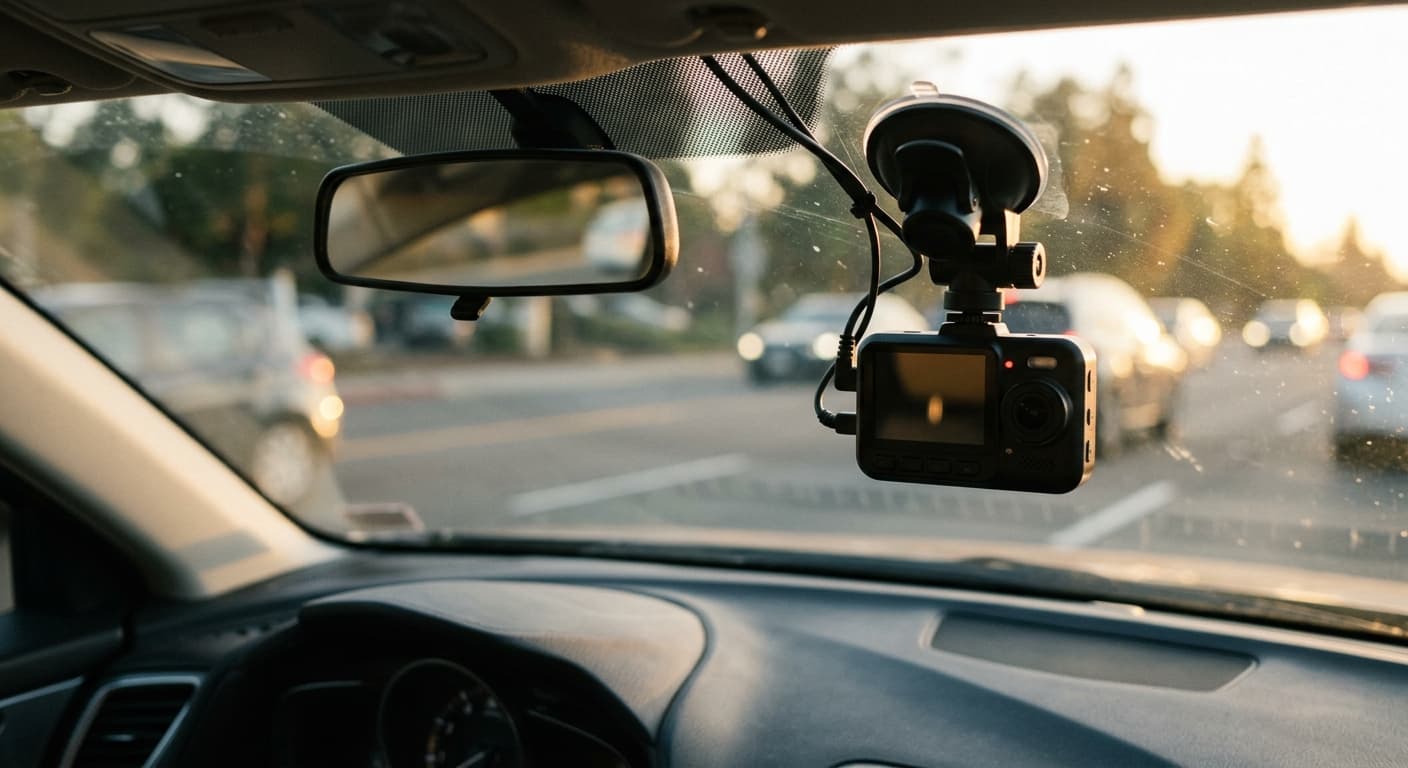
Montana does not fit neatly into the one-party or two-party consent categories used for most states. Under MCA 45-8-213(1)(c), recording a conversation with a hidden device without the knowledge of all parties is a criminal misdemeanor and a civil wrong. Any party who announces audibly that recording is occurring makes the recording immediately lawful under the announcement exception in MCA 45-8-213(2)(a)(iii).
Montana recording law at a glance
| Question | Answer |
|---|---|
| Consent rule | All-party knowledge required (announcement satisfies) |
| Main statute | MCA 45-8-213 |
| When is recording illegal? | Hidden device used without all-party knowledge and no prior announcement |
| Criminal penalty | Misdemeanor: up to 6 months county jail, up to $500 fine |
| Civil remedy | Common-law invasion of privacy; constitutional Article II Section 10 claim |
| Hidden cameras | MCA 45-5-223 prohibits surreptitious visual observation in residences and upskirt-style recording in public |
| Recording police | Open recording falls outside MCA 45-8-213(1)(c) (hidden-device element); First Amendment right recognized in the Ninth Circuit |
For in-depth treatment of each topic, see the Montana recording laws in depth section below.

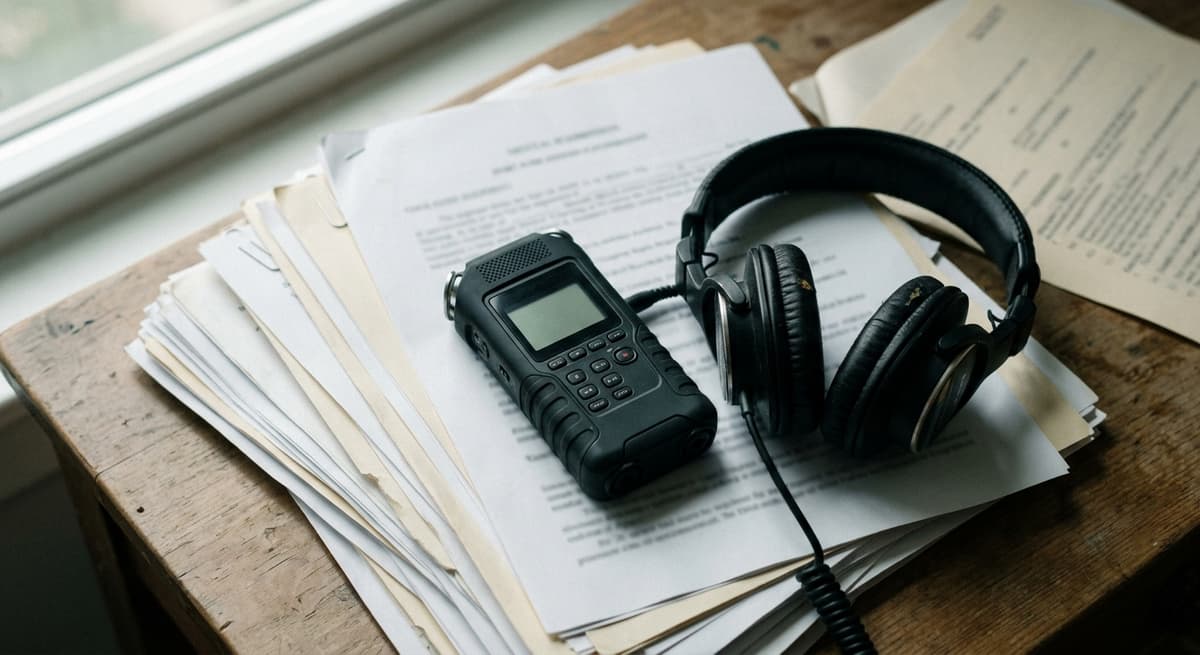
Recording in-person conversations in Montana
The core rule comes from MCA 45-8-213(1)(c): recording a conversation with a hidden electronic or mechanical device without the knowledge of all parties is a criminal offense. Two elements must both be present for the statute to apply: a hidden device, and the absence of all-party knowledge. Remove either element and the prohibition does not apply.
The announcement exception in MCA 45-8-213(2)(a)(iii) is the primary way parties satisfy the knowledge requirement. Either person in the conversation may give the warning. An audible statement like "I am recording this conversation" made before or at the start of recording is sufficient. No response, agreement, or acknowledgment from the other side is required. Once the announcement is made, either party may record freely for the duration of that conversation.
Montana is meaningfully different from both pure one-party and strict all-party states. A one-party state (such as Texas) lets the recording party record silently because their own presence counts as consent. A strict all-party state (such as California) requires active consent from every participant. In Montana, the recording party announces that recording is occurring. No consent is solicited or required. The other party's only recourse is to end the conversation.
Two quick examples: An employee says before a meeting, "I want everyone to know I am recording this." Recording is lawful under state law from that moment. A business plays an automated message: "This call may be recorded for quality assurance." That message satisfies MCA 45-8-213(2)(a)(iii). No live-agent follow-up is needed.
The statute also exempts persons speaking at public meetings under MCA 45-8-213(2)(a)(ii). Recording at a city council session, school board meeting, or other open government meeting requires no announcement because speakers have no reasonable expectation of privacy in those public remarks. Montana's Open Meetings law at MCA 2-3-212 separately permits audio recordings to serve as the official record of open meetings.
Recording phone calls in Montana
The same rule applies to phone calls. Recording a call with a hidden or concealed mechanism without the knowledge of all parties violates MCA 45-8-213(1)(c). Any party who announces at the start of the call satisfies the statute.
For interstate calls, the stricter state's law generally governs. If one party is in Montana and the other is in a one-party state, Montana's announcement requirement controls. The announcement should be made before substantive conversation begins, not after.
Our recording consent checker shows the controlling rule for a call between Montana and any other state, along with what satisfies it.
FCC telephone monitoring rules under 47 CFR 64.501 layer on top of state law for interstate calls. Compliance with Montana's announcement requirement satisfies both the state and federal frameworks.
Montana law also separately criminalizes intercepting electronic communications. Under MCA 45-8-213(3), purposely intercepting an electronic communication, defined broadly enough to include text messages, emails, and other data transmissions, is a distinct offense from the conversation-recording rule in (1)(c). The same warning-based exception applies: interception by a public official or employee performing official duty, or interception where a party has been given warning, falls outside the prohibition.
For detailed treatment of call recording scenarios, interstate rules, and business compliance, see Montana Phone Call Recording Laws.

Hidden cameras, doorbells, and nanny cams
MCA 45-8-213(1)(c) applies to audio recording with a hidden device. A separate statute, MCA 45-5-223, addresses video voyeurism. It prohibits two distinct acts: (1) hiding, waiting, or loitering within or near a private dwelling to watch or electronically observe occupants without consent, and (2) recording the sexual or intimate parts of another person in a public place without knowledge or consent when the person has a reasonable expectation of privacy. Penalties under MCA 45-5-223 escalate with repeat convictions, reaching up to 5 years imprisonment on a third or subsequent offense.
On your own property, security cameras and doorbells pointing at exterior spaces (driveways, front doors, shared walkways) are generally lawful. Cameras aimed into a neighbor's home or at areas where people have a reasonable expectation of privacy (bathrooms, changing rooms) implicate both MCA 45-5-223 and common-law privacy rights. A camera that also captures audio from conversations raises MCA 45-8-213(1)(c): if the audio records conversations without all-party knowledge and the camera functions as a hidden device, the recording prohibition applies.
The practical rule for nanny cams: video-only in common household areas is generally permissible. Video plus audio in spaces where people have no expectation of being recorded (a nanny's private bedroom) may violate both statutes.
For full treatment of camera rules, placement, and tenant-landlord disputes, see Montana Security Camera Laws and Montana Voyeurism Laws.
Penalties for illegal recording in Montana
Criminal penalties under MCA 45-8-213(4) vary by which subsection is violated.
| Offense | Tier | Maximum Penalty |
|---|---|---|
| (1)(c) recording violation, any offense | Misdemeanor (flat) | 6 months county jail and/or $500 fine |
| (1)(a)/(1)(b) harassment/extortion, first offense | Misdemeanor | 6 months county jail and/or $500 fine |
| (1)(a)/(1)(b) harassment/extortion, second conviction | Misdemeanor (enhanced) | 1 year county jail and/or $1,000 fine |
| (1)(a)/(1)(b) harassment/extortion, third or subsequent | Felony | 5 years state prison and/or $10,000 fine |
| (1)(d)/(1)(e) intimate images, first offense | Misdemeanor | 6 months county jail and/or $500 fine |
| (1)(d)/(1)(e) intimate images, second or subsequent | Felony | 5 years state prison and/or $25,000 fine |
The key point for recording violations: the escalating felony tiers in subsections (4)(b) and (4)(c) apply only to (1)(a) and (1)(b) harassment and extortion offenses. A second or third recording conviction under (1)(c) still carries the same flat misdemeanor baseline. General Montana felony sentencing statutes may interact with repeat offenses, so consult a Montana attorney if facing a specific charge.
Civil remedies. MCA 45-8-213 provides no private statutory cause of action for recording violations. A person harmed by illegal recording may pursue claims under common-law invasion of privacy, the constitutional privacy right under Article II, Section 10 of the Montana Constitution, or intentional infliction of emotional distress. Damages, attorney fees, and injunctive relief are available through those common-law and constitutional theories, though their availability depends on the facts of each case.
MCA 45-8-213 contains no suppression or exclusionary provision, and Montana has no statutory analogue to the federal wiretap suppression rule in 18 U.S.C. 2515. Admissibility of a particular recording is decided under Montana's rules of evidence and, where state agents obtained it, under the constitutional analysis in State v. Goetz and State v. Allen discussed below. Do not assume an unlawfully made private recording is automatically excluded.

Recording the police in Montana
Recording law enforcement in Montana rests on two independent legal foundations. Neither one is a police-specific exception written into the statute.
The first is statutory, and it turns on the hidden-device element rather than on any exception for recording officials. MCA 45-8-213(1)(c) reaches only a conversation recorded by use of a hidden electronic or mechanical device. A phone or camera held in plain view while an officer conducts a traffic stop, an arrest, or other duties in a public space is not a hidden device, so the offense is not made out and no announcement is required.
One point is worth stating plainly, because it is often reported the other way. MCA 45-8-213(2)(a)(i) is not an exception for recording public officials. Its text exempts "elected or appointed public officials or to public employees when the transcription or recording is done in the performance of official duty," which covers officials and employees who do the recording as part of their job, not private citizens who record them. No Montana authority reads that subparagraph as permission to secretly record police, so do not rely on it for that.
The second is constitutional. The Ninth Circuit, which covers Montana, recognizes a First Amendment right to record law enforcement officers performing their duties in public. This right exists independently of the state statute and protects recording officers in public regardless of how the hidden-device question comes out.
Practical guidance: keep the device in plain view. Visibility is what keeps the conduct outside MCA 45-8-213(1)(c), and it also makes the recording harder to dispute later. No announcement is required when you are recording openly. Concealed audio recording of a conversation with an officer has no clear statutory safe harbor in Montana, so do not assume a secret recording is protected. Do not interfere with law enforcement operations while recording; obstruction is separately prohibited.
For a full treatment of legal protections, limits, and journalist rights, see Montana Laws on Recording Police.
Special topics in Montana
Workplace recording
Montana is an at-will employment state with strong constitutional privacy protections under Article II, Section 10. Employees who use the announcement exception comply with MCA 45-8-213, but employer policies remain separately enforceable. The NLRB held in Stericycle, Inc. and Teamsters Local 628, 372 NLRB No. 113 (Aug. 2, 2023), that facially neutral workplace no-recording policies are presumptively unlawful if they would reasonably tend to chill employees from exercising Section 7 rights. NLRB GC Memo 25-07 (June 25, 2025) additionally directs regional offices to treat surreptitious recording of collective bargaining sessions as a per se bad-faith bargaining violation under NLRA Sections 8(a)(5) and 8(b)(3). Montana employers with blanket no-recording policies should review them under the Stericycle standard.
Healthcare recording
Emergency telephone communications may be recorded by health care facilities under MCA 45-8-213(2)(a)(iv); that exception is narrow and does not extend to routine telehealth appointments. HIPAA's Privacy Rule (45 CFR 164.508) applies to any recording capturing protected health information: covered providers must satisfy HHS OCR's authorization and safeguard requirements in addition to MCA 45-8-213's announcement rule.
Debt collection recording
Under 12 CFR 1006.100(b) (CFPB Regulation F), debt collectors that record calls must retain those recordings for three years. The CFPB retention obligation stacks on top of the MCA 45-8-213 announcement requirement.
School recording
Audio or video recordings that are directly related to a student and maintained by an educational institution are education records under FERPA (20 U.S.C. 1232g). Montana schools must satisfy both FERPA's consent requirements and MCA 45-8-213's announcement rule before recording conversations involving identified students.
Federal overlay
18 U.S.C. 2511 (federal Wiretap Act) permits one-party consent recording as the national floor. Montana's law is stricter and controls for intrastate conversations. For interstate calls, Montana's announcement requirement should be followed regardless of the federal baseline. See our guide to the federal Wiretap Act and ECPA.
The FCC's One-to-One TCPA Consent Rule (FCC 24-24) was vacated by the Eleventh Circuit in Insurance Marketing Coalition v. FCC, No. 24-10277 (11th Cir. Jan. 24, 2025), mandate issued April 30, 2025. Montana is in the Ninth Circuit; the Eleventh Circuit decision is persuasive authority only and no Ninth Circuit court has independently confirmed the vacatur.
AI deepfakes and intimate images (Chapter 686, Laws of 2025)
Chapter 686, Laws of 2025 amended MCA 45-8-213 to add (1)(d) and (1)(e): non-consensual distribution of real or AI-generated intimate images, and possession-with-threat to extort. The statute now defines "digitally fabricated" as using technical means such as artificial intelligence to create media that realistically misrepresents an identifiable individual. The core recording-consent rules and the announcement exception in (2)(a)(iii) were not affected.
Government data purchasing: SB 282 (effective October 1, 2025)
Montana Senate Bill 282 (Ch. 382, L. 2025) prohibits government entities from purchasing electronic communications, contents of communications, precise geolocation data, or other sensitive personal data without a warrant or court-issued investigative subpoena. Narrow exceptions exist for data-owner consent, life-threatening emergencies, and incarcerated persons. SB 282 does not affect the MCA 45-8-213 recording-consent rules for private parties.
Case law
State v. Goetz, 2008 MT 296, held that the warrantless electronic monitoring and recording of a defendant's one-on-one conversations with a confidential informant, notwithstanding the informant's consent, was a search subject to the warrant requirement of Article II, Section 11 of the Montana Constitution and violated the defendant's rights under Article II, Sections 10 and 11. State v. Allen, 2010 MT 214, 357 Mont. 495, 241 P.3d 1045, held that warrantless one-party-consent recording of a telephone conversation by a police informant acting at law enforcement's direction violates Article II, Sections 10 and 11 of the Montana Constitution, requiring police to obtain a warrant before recording a conversation even when one participant consents. Allen and Goetz govern warrantless participant monitoring and recording by or at the direction of law enforcement under Article II, Sections 10 and 11 of the Montana Constitution, a distinct legal track from the private-party consent regime in MCA 45-8-213 that is this page's main subject. No Montana Supreme Court decisions from 2024 through May 2026 specifically construing MCA 45-8-213 have been identified.
Recent legal developments
- Ch. 686, Laws of 2025: Added AI deepfake intimate-image offenses to MCA 45-8-213, subsections (1)(d) and (1)(e). Recording-consent rules unchanged.
- SB 282 (Ch. 382, L. 2025), effective October 1, 2025: Prohibits government data purchasing of communications and location data without a warrant. Private recording rules unaffected.
- HB 32 (signed February 27, 2025, Ch. 6, L. 2025): Amended MCA 40-6-701 to permit government recordings at public events without separate parental consent for minors. Does not alter MCA 45-8-213 or private recording rules.
- NLRB GC Memo 25-07 (June 25, 2025): Treats surreptitious recording in collective bargaining as a per se bad-faith bargaining violation.
- FCC One-to-One Consent Rule (FCC 24-24): Vacated by the Eleventh Circuit, January 24, 2025; mandate issued April 30, 2025. Persuasive authority in the Ninth Circuit (Montana) only.
Montana recording laws in depth
By type of recording
- Montana Audio Recording Laws: All-Party Consent Rules and Penalties (2026)
- Montana Phone Call Recording Laws: Warning Rules, Interstate Calls, and Penalties (2026)
- Montana Video Recording Laws: Consent Rules, Surveillance, and Penalties (2026)
- Montana Dashcam Laws: Recording Rules, Audio Consent, and Windshield Mounting (2026)
- Montana Voyeurism Laws: Hidden Cameras, Peeping, and Penalties (2026)
- Montana Security Camera Laws: Home, Business, and Surveillance Rules (2026)
By place or relationship
- Montana Workplace Recording Laws: Employee Rights, Employer Monitoring, and the WDEA (2026)
- Montana Laws on Recording Police: Your Rights and Legal Protections (2026)
- Montana Laws on Recording in Public: First Amendment Rights and Limitations (2026)
- Montana Landlord-Tenant Recording Laws: Camera Rules, Privacy Rights, and Disputes (2026)
- Montana Medical Recording Laws: Patient Rights, HIPAA, and Consent Rules (2026)
- Montana School Recording Laws: Student Privacy, FERPA, and Classroom Rules (2026)
More Montana laws
- Montana AI Laws
- Montana Data Privacy Laws
- Montana At-Will Employment Laws
- Montana Landlord-Tenant Laws
- Montana Expungement Laws
This article is general legal information, not legal advice. Recording laws change and apply differently to each situation. For advice about your situation, consult a licensed Montana attorney.
More Montana Laws
- Montana AI Meeting Recording Laws
- Montana Dashcam Laws
- Montana Data Privacy Laws
- Montana Deepfake Laws
- Montana Employee Monitoring Laws
- Montana GPS Tracking Laws
- Montana Police Bodycam Laws
- Montana Smart Glasses Recording Laws
Frequently Asked Questions
Is Montana a one-party or two-party consent state?
Montana is neither. It is best described as an announcement-consent or all-party notification state. MCA 45-8-213(1)(c) prohibits recording with a hidden device without the knowledge of all parties. Any party who announces audibly that recording is occurring satisfies the statute under subsection (2)(a)(iii). No consent from the other party is required, only the announcement.
Can I record a phone call in Montana without telling the other person?
No. Recording a phone call with a hidden device without the knowledge of all parties violates MCA 45-8-213(1)(c). You must make an audible announcement before or at the start of recording. Once you say something like 'I am recording this call,' you may legally record the rest of the conversation under Montana law.
What is the announcement exception under Montana law?
The announcement exception is in MCA 45-8-213(2)(a)(iii). The recording prohibition does not apply to persons who have been warned that a conversation is being recorded. Either party may give the warning. No agreement or response is required from the other party. The audible announcement alone removes the recording from the statute.
What happens if I secretly record someone in Montana?
A violation of MCA 45-8-213(1)(c) is a misdemeanor: up to 6 months in county jail and a fine up to $500. Unlike the harassment and extortion subsections, the recording violation carries a flat misdemeanor with no statutory escalation for repeat offenses. The statute itself contains no provision excluding an illegally made recording from evidence; admissibility is decided under Montana's rules of evidence.
Are Ring doorbells and nanny cams legal in Montana?
Video-only cameras pointing at your own exterior property are generally lawful. A camera that also captures audio from conversations engages MCA 45-8-213(1)(c) if it functions as a hidden device recording without all-party knowledge. Cameras aimed into spaces where people have a reasonable expectation of privacy, or upskirt-style recording in public, implicate MCA 45-5-223, Montana's voyeurism statute.
Can my employer record me in Montana?
An employer may record workplace conversations if employees have received the required announcement under MCA 45-8-213(2)(a)(iii). Many employers satisfy this through written policy notices or call recording announcements. Blanket no-recording policies imposed on employees must also comply with the NLRB Stericycle standard (372 NLRB No. 113, 2023), which presumes such policies are unlawful if they chill Section 7 rights.
Can I record the police in Montana?
Yes, if you record openly. MCA 45-8-213(1)(c) reaches only conversations recorded with a hidden device, so a phone held in plain view during a traffic stop or arrest does not violate it and no announcement is required. The Ninth Circuit, which covers Montana, separately recognizes a First Amendment right to record law enforcement performing duties in public. Montana has no exception for secretly recording officers: the exemption in MCA 45-8-213(2)(a)(i) covers officials and public employees who do the recording in the performance of official duty, not private citizens recording them. Do not interfere with police operations while recording.
What did the 2025 amendments to MCA 45-8-213 change?
Chapter 686, Laws of 2025 added two new criminal offenses: non-consensual distribution of intimate images including AI deepfakes under (1)(d), and possession-with-threat to extort under (1)(e). The definition of 'digitally fabricated' was added to cover AI-generated content. The recording-consent rules in (1)(c) and the announcement exception in (2)(a)(iii) were not changed.
Updates
Corrected the descriptions of State v. Goetz and State v. Allen to the constitutional holdings the Montana Supreme Court actually reached, removing an unsupported reference to a Title 46 warrant framework.
Corrected the Montana public-official exception: MCA 45-8-213(2)(a)(i) exempts officials and public employees who record in the performance of official duty, not the recording of officials, so the police section is now grounded on the statute's hidden-device element and the Ninth Circuit First Amendment right, and the unsupported claim that illegally made recordings are generally inadmissible has been replaced with an accurate statement that the statute contains no exclusionary provision.
Corrected the description of the State v. Allen case holding, fixed the HB 32 signing date (2025, not 2026), fixed a wrong statute pin-cite for the healthcare recording exception, and fixed a wrong NLRB docket link.
Independently fact-checked against the cited primary sources; governing law re-checked for recent changes
Governing law re-checked for recent changes
Corrected the subsection citation for Montana's recording-announcement exception (MCA 45-8-213(2)(a)(iii), not (2)(c), which does not exist) and the public-meetings exception ((2)(a)(ii), not (2)(b), which governs a different, unrelated intimate-image offense) throughout the page.
Corrected 3 more references to the nonexistent MCA 45-8-213(2)(c); the announcement exception is subsection (2)(a)(iii).
Governing law re-checked for recent changes
Reviewed and approved by an editor
Restructured page: added AEO lede, at-a-glance table, condensed special topics into tight subsections, added in-depth index with by-type and by-place groupings, refreshed FAQ to 8 questions, verified MCA 45-8-213 penalty structure (flat misdemeanor for (1)(c) confirmed; escalation tiers apply only to (1)(a)/(1)(b)/(1)(d)/(1)(e)), verified MCA 45-5-223 voyeurism statute, preserved all statutes and 2025 amendments.
Refreshed with 2025 amendments: added Ch. 686 AI deepfake provisions, SB 282 data broker warrant requirement, HB 32 MCA 40-6-701 framing, verified penalty structure from MCA 45-8-213(4), added NLRB GC Memo 25-07, CFPB Reg F retention, FERPA school guidance, and FCC vacatur with 9th Circuit persuasive-only caveat. Expanded from 2,880 to approximately 5,200 words.
Added wearable recording devices section and 2 FAQs
The Law Behind This Article
This article rests on the statutory provisions below, held in our own legal record and retrieved from the official source. Tap a section to read the operative text.
Montana Code Annotated, Title 45
§ 45-8-213Privacy In CommunicationsIn forcecited in 50 of our articles
45-8-213. Privacy in communications. (1) Except as provided in 69-6-104, a person commits the offense of violating privacy in communications if the person knowingly or purposely: (a) with the purpose to terrify, intimidate, threaten, harass, or injure, communicates with a person by electronic communication and threatens to inflict injury or physical harm to the person or property of the person or makes repeated use of obscene, lewd, or profane language or repeated lewd or lascivious suggestions; (b) uses an electronic communication to attempt to extort money or any other thing of value from a person or to disturb by repeated communications the peace, quiet, or right of privacy of a person at the place where the communications are received; (c) records or causes to be recorded a conversation by use of a hidden electronic or mechanical device that reproduces a human conversation without the knowledge of all parties to the conversation; (d) with the purpose to terrify, intimidate, threaten, harass, or injure or to obtain money or other valuable consideration, publishes, distributes, or discloses real or digitally fabricated printed or electronic photographs, pictures, images, or…
Official text (excerpt) · last checked 2026-09-24 · Read the full text in our law library · Verify at mca.legmt.gov
Cited in 23 court opinions in our collectionLatest citing opinion in our collection: 2025
In the courts (editorial summary, independently checked):State v. Dugan (2013) struck the statute's prima facie intent clause as overbroad. State v. Brown (1988) noted the statute still bars recording without all participants' permission and rejected an overbreadth attack on its public-official exception. State v. DuBray (2003) found no violation where the defendant knew of the recording.
Opinions citing this section in our collection:
- State v. Smith (Montana Supreme Court 2004, 322 Mont. 206)✓A man who phoned threats to kill his estranged wife's boyfriend argued he should have been charged under section 45-8-213(1)(a) instead of assault with a weapon. The court held the two statutes punish different conduct, so the charge was within prosecutorial discretion.
- State v. Dugan (Montana Supreme Court 2013, 369 Mont. 39)“…rbroad, the Court today strikes the prima facie language in § 45-8-213, MCA. However, a narrow application would be…”
- In re C.S. (Montana Supreme Court 1984, 210 Mont. 144)“…n of privacy in communication, a misdemeanor as provided in Section 45-8-213, MCA. The facts underlying the offense were…”
Identified automatically from the court opinions citing this section — not a ranking of which case controls.
Also relied on in: Montana Landlord-Tenant Recording Laws: Camera Rules, Privacy Rights, and Disputes (2026), Montana Security Camera Laws: Home, Business, and Surveillance Rules (2026), Montana Video Recording Laws: Consent Rules, Surveillance, and Penalties (2026)
§ 45-5-223Surreptitious Visual Observation Or Recordation -- Place Of Residence -- Public Place -- ExceptionsIn forcecited in 12 of our articles
45-5-223. Surreptitious visual observation or recordation -- place of residence -- public place -- exceptions. (1) A person commits the offense of surreptitious visual observation or recordation in a place of residence if the person purposely or knowingly hides, waits, or otherwise loiters in person or by means of a remote electronic device within or in the vicinity of a private dwelling house, apartment, or other place of residence for the purpose of: (a) watching, gazing at, or looking upon any occupant in the residence in a surreptitious manner without the occupant's knowledge; or (b) by means of an electronic device, surreptitiously observing or recording the visual image of any occupant in the residence without the occupant's knowledge. (2) A person commits the offense of surreptitious visual observation or recordation in public if the person purposely or knowingly observes or records a visual image of the sexual or intimate parts of another person in a public place without the other person's knowledge when the victim has a reasonable expectation of privacy.
Official text (excerpt) · last checked 2026-08-31 · Read the full text in our law library · Verify at mca.legmt.gov
Cited in 1 court opinions in our collectionLatest citing opinion in our collection: 2026
Opinions citing this section in our collection:
- United States v. Watkins (Court of Appeals for the Tenth Circuit 2026)“…nn. § 609.746;1 Miss. Code Ann. § 97-29-61;2 MPC § 250.12;1 Mont. Code Ann. 45-5-223;3 Neb. Rev. Stat. § 28-311.08; Nev. Rev…”
Identified automatically from the court opinions citing this section — not a ranking of which case controls.
Also relied on in: Montana Laws on Recording in Public: First Amendment Rights and Limitations (2026), Montana Workplace Recording Laws: Employee Rights, Employer Monitoring, and the WDEA (2026), Montana Smart Glasses Recording Laws (MCA 45-8-213)
United States Code Title 18
§ 2511Interception and disclosure of wire, oral, or electronic communications prohibitedIn forcecited in 441 of our articles
Except as otherwise specifically provided in this chapter any person who— intentionally intercepts, endeavors to intercept, or procures any other person to intercept or endeavor to intercept, any wire, oral, or electronic communication; intentionally uses, endeavors to use, or procures any other person to use or endeavor to use any electronic, mechanical, or other device to intercept any oral communication when— such device is affixed to, or otherwise transmits a signal through, a wire, cable, or other like connection used in wire communication; or such device transmits communications by radio, or interferes with the transmission of such communication; or such person knows, or has reason to know, that such device or any component thereof has been sent through the mail or transported in interstate or foreign commerce; or such use or endeavor to use (A) takes place on the premises of any business or other commercial establishment the operations of which affect interstate or foreign commerce; or (B) obtains or is for the purpose of obtaining information relating to the operations of any business or other commercial establishment the operations of which affect interstate or foreign…
Official text (excerpt) · last checked 2026-09-17 · Read the full text in our law library · Verify at uscode.house.gov
Cited in 2,045 court opinions in our collectionLatest citing opinion in our collection: 2026
In the courts (editorial summary, independently checked):Griggs-Ryan v. Smith (1990) applied the Section 2511(2)(d) prior-consent exception, treating a tenant repeatedly told that all incoming calls were taped as having impliedly consented. United States v. United States District Court (1972) read the then-current Section 2511(3) as conferring no presidential surveillance power.
Opinions citing this section in our collection:
- Mitchell v. Forsyth (Supreme Court of the United States 1985, 472 U.S. 511)✓The Attorney General authorized a warrantless 1970 national security wiretap that caught the plaintiff's calls; the Court held the since-repealed Section 2511(3) disclaimer left the tap lawful under Title III, and that Mitchell had qualified immunity.
- United States v. United States District Court for the Eastern District of Michigan (Supreme Court of the United States 1972, 407 U.S. 297)✓The Attorney General approved warrantless wiretaps on members of a domestic group accused of bombing a CIA office; the Court read Section 2511(3) as a congressional disclaimer conferring no surveillance power, then held the Fourth Amendment required prior judicial approval.
- Forsyth v. Barr (Court of Appeals for the Fifth Circuit 1994, 19 F.3d 1527)✓Dallas police used, in an internal affairs probe of an officer, calls private parties allegedly intercepted illegally; assuming that was unlawful, the Fifth Circuit held Section 2517(1) and (2) allowed the disclosure and use, defeating the Section 2511(1)(c) and (d) claims.
Identified automatically from the court opinions citing this section — not a ranking of which case controls.
Also relied on in: Connecticut Recording Laws (2026): Hybrid Consent Rules Explained, Oregon Recording Laws (2026): Hybrid One-Party and All-Party Rules, US Recording Laws by State (2026): All 50 States Explained
§ 2515Prohibition of use as evidence of intercepted wire or oral communicationsIn forcecited in 5 of our articles
Whenever any wire or oral communication has been intercepted, no part of the contents of such communication and no evidence derived therefrom may be received in evidence in any trial, hearing, or other proceeding in or before any court, grand jury, department, officer, agency, regulatory body, legislative committee, or other authority of the United States, a State, or a political subdivision thereof if the disclosure of that information would be in violation of this chapter.
Official text (excerpt) · last checked 2026-07-28 · Read the full text in our law library · Verify at uscode.house.gov
Cited in 622 court opinions in our collectionLatest citing opinion in our collection: 2026
Opinions citing this section in our collection:
- United States v. Calandra (Supreme Court of the United States 1974, 414 U.S. 338)“…ilverthorne holding was clearly evidenced in enactment of 18 U. S. C. § 2515 , providing that "[w]henever any wire o…”
- United States v. Giordano (Supreme Court of the United States 1974, 416 U.S. 505)“…r and any “evidence derived therefrom” must be suppressed. 18 U. S. C. §§ 2515 and 2518 (10) (a). The authorization…”
- Gelbard v. United States (Supreme Court of the United States 1972, 408 U.S. 41)“…f that information would be in violation of this chapter." 18 U. S. C. § 2515 . [2] The question presented is whethe…”
Identified automatically from the court opinions citing this section — not a ranking of which case controls.
Also relied on in: Supreme Court Rejects "Clean-Hands" Wiretap Loophole, Sends Influencer's Case Back to Sixth Circuit, Supreme Court Tosses Conviction Over a Secretly Recorded FaceTime Call (2026), Recordings as Evidence: US Court Rules by State
Code of Federal Regulations Title 45
§ 164.508Uses and disclosures for which an authorization is required.In forcecited in 9 of our articles
(a) Standard: Authorizations for uses and disclosures —(1) Authorization required: General rule. Except as otherwise permitted or required by this subchapter, a covered entity may not use or disclose protected health information without an authorization that is valid under this section. When a covered entity obtains or receives a valid authorization for its use or disclosure of protected health information, such use or disclosure must be consistent with such authorization. (2) Authorization required: Psychotherapy notes.
Official text (excerpt) · last checked 2026-07-28 · Read the full text in our law library · Verify at ecfr.gov
Cited in 199 court opinions in our collectionLatest citing opinion in our collection: 2026
Opinions citing this section in our collection:
- Glen Murphy v. Aldolfo C. Dulay (Court of Appeals for the Eleventh Circuit 2014, 768 F.3d 1360)“…ility Act (“HIPAA”), and its accompanying regulations, see 45 C.F.R. §§ 164.508, 164.512. That authorization form—requ…”
- Kenneth Wilson v. UnitedHealthcare Insurance Co (Court of Appeals for the Fourth Circuit 2022, 27 F.4th 228)“…to identify his authority to do so as required by 45 C.F.R. § 164.508(c)(vi). Either way, United argues…”
- United States v. Deleon (District Court, D. New Mexico 2018, 323 F. Supp. 3d 1273)“…re information without the patient's authorization. See 45 C.F.R. § 164.508 (a)(1) ("Except as otherwise permitted…”
Identified automatically from the court opinions citing this section — not a ranking of which case controls.
Also relied on in: Alaska Medical Recording Laws: Patient Rights, HIPAA, and One-Party Consent (2026), Arkansas Medical Recording Laws: Patient Rights, HIPAA, and One-Party Consent (2026), Delaware Medical Recording Laws: Patient Rights, HIPAA, and Consent Rules (2026)
United States Code Title 20
§ 1232gFamily educational and privacy rightsIn forcecited in 29 of our articles
No funds shall be made available under any applicable program to any educational agency or institution which has a policy of denying, or which effectively prevents, the parents of students who are or have been in attendance at a school of such agency or at such institution, as the case may be, the right to inspect and review the education records of their children. If any material or document in the education record of a student includes information on more than one student, the parents of one of such students shall have the right to inspect and review only such part of such material or document as relates to such student or to be informed of the specific information contained in such part of such material. Each educational agency or institution shall establish appropriate procedures for the granting of a request by parents for access to the education records of their children within a reasonable period of time, but in no case more than forty-five days after the request has been made.
Official text (excerpt) · last checked 2026-09-03 · Read the full text in our law library · Verify at uscode.house.gov
Cited in 981 court opinions in our collectionLatest citing opinion in our collection: 2026
In the courts (editorial summary, independently checked):Courts have held Section 1232g is enforced by the Secretary of Education, not by suit. Gonzaga University v. Doe (2002) held FERPA's nondisclosure provisions create no personal rights enforceable under 42 U.S.C. 1983. Kate Frazier v. Fairhaven School Committee (2002) held FERPA confers no private right of action, express or implied.
Opinions citing this section in our collection:
- Goss v. Lopez (Supreme Court of the United States 1975, 419 U.S. 565)“…ucation Amendments of 1974, Pub. L. 93-380, 88 Stat. 571, 20 U. S. C. § 1232g (1970 ed., Supp. IV), adding § 438 to t…”
- Gonzaga University v. Doe (Supreme Court of the United States 2002, 536 U.S. 273)✓A university official told the state teacher-licensing agency about sexual misconduct allegations against a student, who then lost the affidavit he needed to teach; the Supreme Court held FERPA's nondisclosure provisions create no personal rights enforceable under section 1983.
- Foster Children v. Jeb Bush, Kathleen Kearney, Chuck Bates, Robert Williams, Ester Tibbs (Court of Appeals for the Eleventh Circuit 2003, 329 F.3d 1255)“…Family Educational Rights and Privacy Act of 1974 (FERPA), 20 U.S.C. § 1232g. In FERPA Congress directed the Secreta…”
Identified automatically from the court opinions citing this section — not a ranking of which case controls.
Also relied on in: Alaska School Recording Laws: Student Privacy, FERPA, and Classroom Rules (2026), Arkansas School Recording Laws: Student Privacy, FERPA, and Classroom Rules (2026), DC School Recording Laws: Student Privacy, FERPA, and Classroom Rules (2026)
Code of Federal Regulations Title 12
§ 1006.100Record retention.In forcecited in 7 of our articles
(a) In general. Except as provided in paragraph (b) of this section, a debt collector must retain records that are evidence of compliance or noncompliance with the FDCPA and this part starting on the date that the debt collector begins collection activity on a debt until three years after the debt collector's last collection activity on the debt. (b) Special rule for telephone call recordings. If a debt collector records telephone calls made in connection with the collection of a debt, the debt collector must retain the recording of each such telephone call for three years after the date of the call.
Official text (excerpt) · last checked 2026-07-28 · Read the full text in our law library · Verify at ecfr.gov
Also relied on in: Delaware Recording Laws (2026): Two-Statute Consent Conflict, Florida Recording Laws (2026): All-Party Consent Rules, Illinois Recording Laws (2026): All-Party Consent Rules
Montana Code Annotated, Title 2
§ 2-3-212Minutes Of Meetings -- Public InspectionIn forcecited in 3 of our articles
2-3-212. Minutes of meetings -- public inspection. (1) Appropriate minutes of all meetings required by 2-3-203 to be open must be kept and must be available for inspection by the public. If an audio recording of a meeting is made and designated as official, the recording constitutes the official record of the meeting. If an official recording is made, a written record of the meeting must also be made and must include the information specified in subsection (2). (2) Minutes must include without limitation: (a) the date, time, and place of the meeting; (b) a list of the individual members of the public body, agency, or organization who were in attendance; (c) the substance of all matters proposed, discussed, or decided; and (d) at the request of any member, a record of votes by individual members for any votes taken. (3) If the minutes are recorded and designated as the official record, a log or time stamp for each main agenda item is required for the purpose of providing assistance to the public in accessing that portion of the meeting.
Official text (excerpt) · last checked 2026-07-29 · Read the full text in our law library · Verify at mca.legmt.gov
Cited in 7 court opinions in our collectionLatest citing opinion in our collection: 2024
Opinions citing this section in our collection:
- Boulder Monitor v. Jefferson High School District No. 1 (Montana Supreme Court 2014, 373 Mont. 212)“…adopting formal rules, not keeping minutes in violation of § 2-3-212, MCA, and not requiring formal votes, must n…”
- Associated Press v. Crofts (Montana Supreme Court 2004, 321 Mont. 193)“…adopting formal rules, not keeping minutes in violation of § 2-3-212, MCA, and not requiring formal votes, must n…”
- Motta v. Philipsburg School Board Trustees, District 1 (Montana Supreme Court 2004, 323 Mont. 72)“…trict’s failure to keep minutes at these meetings violated § 2-3-212, MCA. ¶8 Finally, the District Court co…”
Identified automatically from the court opinions citing this section — not a ranking of which case controls.
Montana Code Annotated, Title 40
§ 40-6-701Interference With Fundamental Parental Rights Restricted -- Cause Of ActionIn force
40-6-701. Interference with fundamental parental rights restricted -- cause of action. (1) A government entity may not interfere with the fundamental right of parents to direct the upbringing, education, health care, and mental health of their children unless the government entity demonstrates that the interference: (a) furthers a compelling governmental interest; and (b) is narrowly tailored and is the least restrictive means available for the furthering of the compelling governmental interest.
Official text (excerpt) · last checked 2026-07-29 · Read the full text in our law library · Verify at mca.legmt.gov
Cited in 2 court opinions in our collectionLatest citing opinion in our collection: 2025
Opinions citing this section in our collection:
- Stand Up Montana v. Msla Co. Schools (Montana Supreme Court 2023, 2023 MT 240)“…ount III—privacy; Count IV—Senate Bill 400 (now codified as Mont. Code Ann. § 40-6-701); Count V—human dignity; and Count VI—f…”
- Matter of J.D., YINC (Montana Supreme Court 2025, 2025 MT 274)“…b. Schs., 2022 MT 153, ¶ 28, 409 Mont. 330, 514 P.3d 1062; § 40-6-701, MCA. While the government has a compelling…”
Identified automatically from the court opinions citing this section — not a ranking of which case controls.
Search our full record of US law — 2.1 million sections, every state + federal →
Sources and References
- MCA 45-8-213: Privacy in Communications (as amended by Ch. 686, Laws of 2025)(mca.legmt.gov).gov
- MCA 45-5-223: Surreptitious Visual Observation(mca.legmt.gov).gov
- 18 U.S.C. 2511: Interception and disclosure of wire, oral, or electronic communications(uscode.house.gov).gov
- Insurance Marketing Coalition v. FCC, No. 24-10277 (11th Cir. Jan. 24, 2025), mandate issued Apr. 30, 2025(courtlistener.com)
- SB 282 enrolled: archive.legmt.gov (Ch. 382, L. 2025)(archive.legmt.gov).gov
- Montana Supreme Court: Wiretap/Criminal section(courts.mt.gov).gov
- Montana AG Opinions Table: dojmt.gov(dojmt.gov).gov
- 47 CFR 64.501: Monitoring of telephone conversations(ecfr.gov).gov
- FCC 24-24 (One-to-One TCPA Consent Rule): VACATED by 11th Cir. Jan. 24, 2025(docs.fcc.gov).gov
- DOJ Justice Manual 9-7.302: Electronic Surveillance(justice.gov).gov
- NLRB GC Memo 25-07 (June 25, 2025): Surreptitious Recording in Collective Bargaining(nlrb.gov).gov
- Stericycle, Inc. and Teamsters Local 628, 372 NLRB No. 113 (Aug. 2, 2023)(nlrb.gov).gov
- 12 CFR 1006.100(b) (CFPB Regulation F): Call Recording Retention(consumerfinance.gov).gov
- HHS OCR, Guidance on HIPAA Rules and Audio-Only Telehealth (2022)(hhs.gov).gov
- USDOE Student Privacy Policy Office: FERPA and Audio/Video Recordings(studentprivacy.ed.gov).gov
- MCA 2-3-212: Audio recordings as official record of open meetings(leg.mt.gov).gov
- Reporters Committee for Freedom of the Press: Montana Recording Guide(rcfp.org)